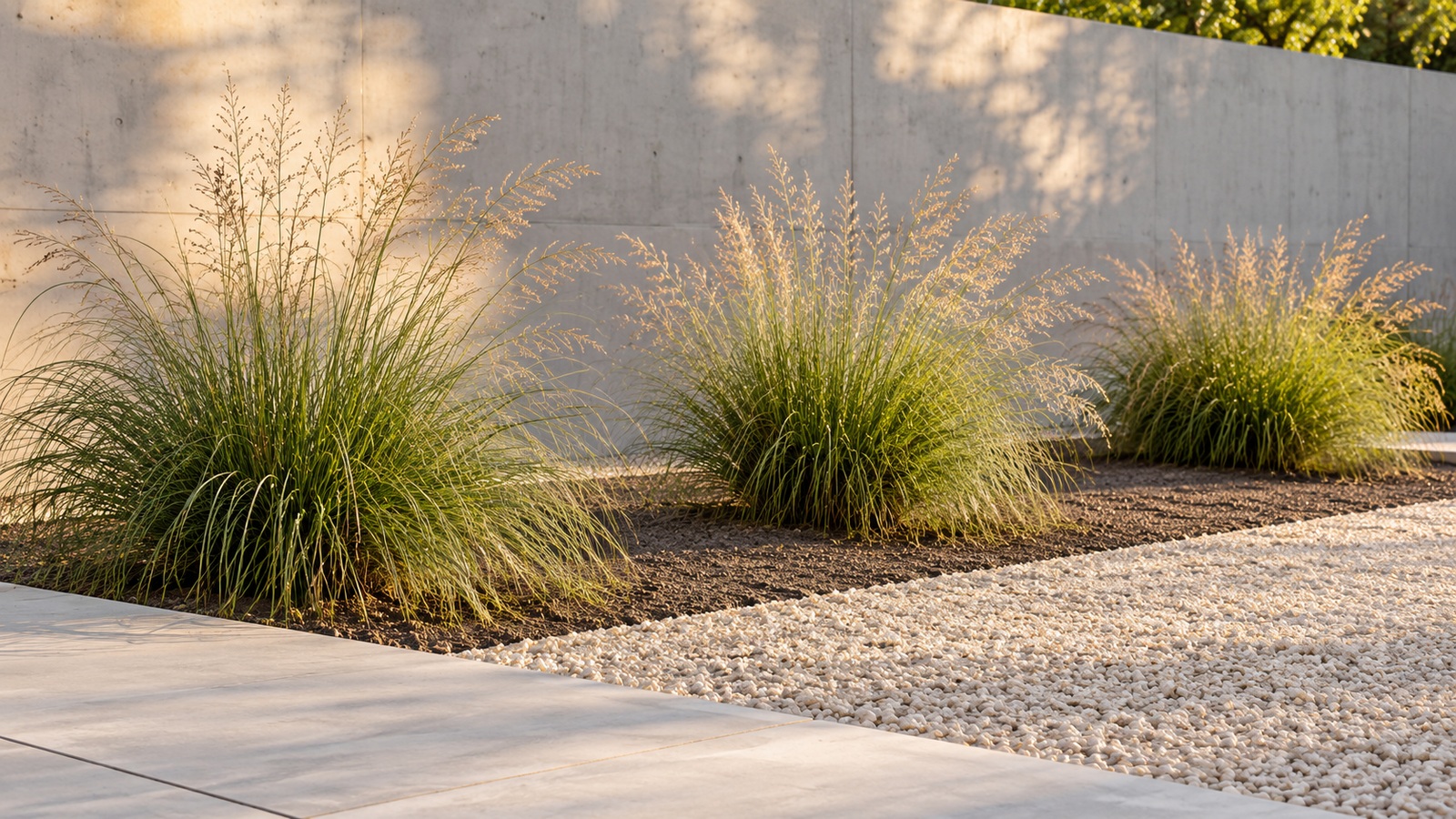
Small gardens often present big challenges. Limited space means every plant choice must count, and visual harmony becomes crucial to avoid an overcrowded or unbalanced look. For gardeners who want a touch of texture, movement, and year-round interest without overwhelming their planting beds, dwarf ornamental grasses are the perfect answer. These compact yet vibrant plants offer all the elegance of their taller cousins but in a more restrained form that’s tailor-made for small-scale spaces. Dwarf ornamental grasses excel in borders, rock gardens, container arrangements, and edging along walkways. They bring contrast to flowering plants, soften hard edges, and add a subtle sense of movement as they sway gently in the wind. Best of all, most varieties are hardy, low-maintenance, and adaptable, thriving with minimal care while still delivering impressive seasonal changes in color and texture. Whether your garden leans toward lush cottage charm or sleek modern minimalism, there’s a dwarf grass that can slip effortlessly into your design.
A: Most stay under 18 inches tall.
A: Only during establishment—then minimal watering.
A: Some are evergreen in warmer zones.
A: Certain types, like Hakone Grass, can.
A: Yes, birds often eat their seeds.
A: Every 3–4 years for healthy growth.
A: Most dwarf varieties are non-invasive.
A: Absolutely—they’re great for containers.
A: Well-draining sandy or loamy soil.
A: Light feeding in spring is enough.
Why Choose Dwarf Ornamental Grasses
The appeal of dwarf ornamental grasses lies in their versatility and manageability. Ranging from 6 inches to about 2 feet tall, these grasses are perfect for spaces where height must be controlled or where visual balance is key. Their smaller stature doesn’t mean they lack impact—many produce striking flower spikes, colorful foliage, or bold variegation that can stand out even in compact gardens. In design terms, they work beautifully as edging plants, creating neat borders that frame pathways or flowerbeds. They’re also exceptional in mixed plantings, where their fine textures contrast with the broad leaves or bold blooms of perennials and annuals. Because most dwarf grasses are perennial and long-lived, they offer consistent structure from year to year, often becoming more attractive as they mature.
Blue Fescue: Cool-Toned Perfection
One of the most popular dwarf grasses for small gardens is blue fescue (Festuca glauca). This compact clumping grass forms neat, rounded mounds of fine, steel-blue foliage, adding a cool-toned accent that pairs beautifully with warm-colored flowers. It typically reaches 8 to 12 inches in height, making it ideal for edging pathways or filling small gaps in rock gardens. Blue fescue thrives in full sun and well-drained soil, making it a natural choice for drought-tolerant landscapes. Its tidy habit and evergreen nature in milder climates ensure it looks attractive year-round. In late spring to early summer, it produces airy, tan flower spikes that rise above the foliage, adding a delicate vertical element. Maintenance is minimal—simply comb out dead leaves in spring and trim back flower spikes after blooming.
Japanese Forest Grass: Graceful and Colorful
Japanese forest grass (Hakonechloa macra), especially the golden-leaved variety ‘Aureola,’ is a favorite among shade gardeners. This dwarf ornamental grass grows 12 to 18 inches tall and forms cascading clumps of arching leaves that create a waterfall effect. Its chartreuse to gold variegated foliage glows in low-light areas, bringing brightness and warmth to shaded borders. While slower growing than some other grasses, its graceful habit makes it worth the wait. Japanese forest grass prefers rich, moist, well-drained soil and partial to full shade. It pairs beautifully with hostas, ferns, and other shade-loving plants, creating lush, textural layers. In autumn, its foliage often takes on pink or reddish tones, adding a final flourish before winter dormancy.
Elijah Blue: A Standout Selection
‘Elijah Blue’ is a standout cultivar of blue fescue, known for its especially vibrant silvery-blue foliage that maintains its color throughout the growing season. Like other fescues, it stays compact, rarely exceeding a foot in height. Its color contrasts dramatically with darker-leaved plants and bright blooms, making it a perfect accent in small garden compositions. This grass loves full sun and dry, sandy soil, and it’s highly drought-tolerant once established. It’s also an excellent choice for container gardening, where its tidy mounds can serve as a cool-toned anchor among flowering companions. Regular grooming in spring keeps it looking fresh, and its seed heads add soft texture during summer.
Little Bunny Fountain Grass: Miniature Elegance
For gardeners who love the look of fountain grass but lack the space for full-sized varieties, ‘Little Bunny’ (Pennisetum alopecuroides ‘Little Bunny’) is a delightful alternative. Growing only 12 to 18 inches tall, this dwarf variety forms neat, arching clumps topped with soft, creamy bottlebrush plumes in late summer. ‘Little Bunny’ thrives in full sun and average soil, and it’s tolerant of heat and humidity. Its plumes persist into fall, catching the light and adding a gentle movement to the garden. It works well as a border edge, in rock gardens, or in containers where its fine texture complements bolder plant forms. Cutting it back in late winter keeps it tidy for the new season.
Prairie Dropseed: Native Charm
Prairie dropseed (Sporobolus heterolepis) is a native grass that stays compact, usually between 18 and 24 inches tall. Its fine-textured, emerald-green foliage forms tidy mounds that turn golden and fragrant in fall. The airy flower panicles appear in late summer, releasing a scent often described as a mix of coriander and popcorn. This hardy, drought-tolerant grass thrives in full sun and well-drained soil, making it perfect for low-maintenance borders and native plantings. Prairie dropseed is also deer-resistant, long-lived, and visually appealing in every season, from its fresh green spring growth to its golden winter skeleton. Its gentle movement in the wind adds an extra layer of sensory appeal to small gardens.
Variegated Liriope: Groundcover with Flair
While often used as a groundcover, variegated liriope (Liriope muscari ‘Variegata’) functions beautifully as a dwarf ornamental grass in small gardens. Its green-and-yellow striped leaves form dense clumps 12 to 18 inches tall, creating a bright edging for walkways or flowerbeds. In late summer, spikes of purple flowers rise above the foliage, followed by small black berries in fall. Liriope is tolerant of a wide range of conditions, including shade, drought, and poor soils, making it a tough, adaptable choice. Its evergreen nature in many climates ensures year-round structure and color.
Design Tips for Small Gardens and Borders
When incorporating dwarf ornamental grasses into small spaces, placement and proportion are everything. Use them to define pathways, edge planting beds, or create repeated patterns that draw the eye through the garden. Their fine textures work especially well alongside bold-leaved plants, creating contrast and visual interest. Because they tend to stay neat and compact, dwarf grasses can also be used in formal designs, where their uniform shape complements geometric layouts. In more relaxed settings, let them spill slightly over borders or intermingle with flowering perennials for a naturalistic effect. Mixing grasses with different foliage colors—blue, gold, green, or variegated—can add dimension to small planting areas without overwhelming them.
Low-Maintenance Beauty Year-Round
One of the biggest advantages of dwarf ornamental grasses is their ease of care. Most require little more than a spring grooming to remove old foliage and encourage fresh growth. Many are drought-tolerant once established, making them ideal for busy gardeners or low-water landscapes. They also provide year-round interest. Even when dormant in winter, their dried seed heads and foliage can add structure and texture to the garden. This makes them a smart investment for small gardens where every plant must pull double duty in terms of aesthetic value.
Small in Size, Big in Impact
Dwarf ornamental grasses may be compact, but their impact is anything but small. These versatile plants bring texture, movement, and seasonal beauty to small gardens and borders without requiring constant care. From the cool tones of blue fescue to the graceful drape of Japanese forest grass, each variety offers its own unique contribution to garden design. By thoughtfully integrating dwarf grasses into your planting plan, you can create borders, pathways, and small garden spaces that feel vibrant, balanced, and dynamic year-round. With so many hardy, adaptable varieties available, there’s a dwarf ornamental grass to suit every style and growing condition—proving that sometimes, the smallest plants can make the biggest impression.
Garden Product Reviews
Step into Mossy Streets’ Garden Product Reviews — your go-to guide for the best tools, gear, gifts, books, and garden gadgets rooted in nature. From blooming backyard beauties to lush indoor jungles, from heirloom seeds to high-tech composters, we dig into top-rated products for green thumbs, beginners, educators, and plant lovers alike. Whether you’re planting, pruning, decorating, or simply enjoying your green space, we’ve unearthed the best so you can grow, bloom, and thrive — all in one vibrant place!