

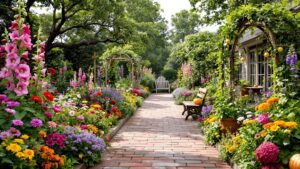
Heirloom Plants Explained What Makes a Plant an Heirloom?
What exactly makes a plant an heirloom? Explore the fascinating history of heirloom plants, how old varieties are preserved, the difference between heirloom and hybrid seeds, and why gardeners continue growing treasured tomatoes, vegetables, flowers, roses, and other living pieces of history.
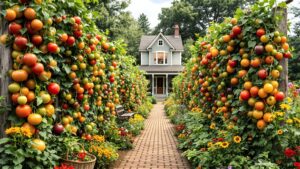
The Fascinating History of Heirloom Tomatoes
Discover the colorful history of heirloom tomatoes, from their ancient American origins and journey across Europe to treasured family seeds and famous varieties. Learn how these unusually shaped, richly flavored tomatoes survived generations of agricultural change and why gardeners continue preserving their remarkable diversity today.
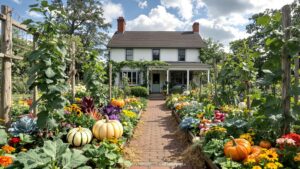
The Oldest Heirloom Vegetables You Can Still Grow Today
Step into gardening history with some of the oldest heirloom vegetables still available today. Discover ancient beans, colorful carrots, historic cabbages, squash, tomatoes, peppers, beets, lettuce, and other remarkable crops generations of gardeners worked to preserve.