

Organic Certification Basics is your gateway into understanding what it truly means for food, farms, and products to carry the “organic” label with integrity. This world goes far beyond avoiding synthetic chemicals—it’s about meeting strict standards that protect ecosystems, nurture soil health, treat animals ethically, and ensure transparency from seed to shelf. On this page, you’ll explore how certification works, who regulates it, what farmers must prove, and why consumers increasingly trust the organic seal as a marker of purity and sustainability. Whether you’re a small grower curious about getting certified, a homesteader wondering what qualifies as organic, or a shopper wanting clarity behind the label, these articles break the process into clear, empowering insights. Step inside the rules, routines, and real-world impacts that shape organic agriculture, and discover how certification builds trust, accountability, and a healthier food system for everyone.
A: Rules vary by region, but selling products as “certified organic” generally requires approval from a recognized certifier.
A: Many programs require a transition period of several years under organic management before full certification.
A: No. Small farms, market gardens, and processors can also apply, and some areas offer scaled fees.
A: It does require paperwork and planning, but many certifiers provide checklists, templates, and guidance.
A: Typically, organic seed is preferred when available; documentation is needed if it cannot be sourced.
A: Only products and methods that meet the organic standard are allowed; many rely on prevention and biological controls.
A: Fees depend on the certifier and the size of the operation; some regions offer cost-share or reimbursement programs.
A: An inspector reviews records, tours fields and facilities, and checks that practices match your organic plan.
A: Yes. Serious or repeated violations can lead to suspension or loss of certification status.
A: Begin by reading your local standard, talking with a certifying body, and organizing your record-keeping and farm map.
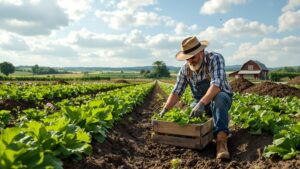
What Is Organic Certification? A Beginner’s Guide
Organic certification ensures that food and agricultural products meet strict standards designed to protect soil health, ecosystems, and consumer safety. This beginner’s guide explains what organic certification is, how farms and gardens become certified, and what practices are required to meet organic standards. From avoiding synthetic chemicals to supporting biodiversity and sustainable soil management, discover how organic certification helps create healthier food systems and more

How to Get Organic Certification Step by Step
A complete step-by-step guide to organic certification. Discover requirements, paperwork, inspections, and how to successfully become a certified organic grower.

Organic Certification Explained in Simple Terms
Confused about organic certification? This simple guide breaks down what it is, how it works, and why it matters for your food and the environment.