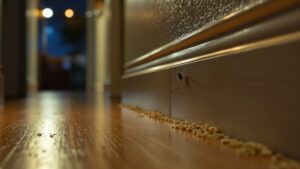
Common pests are the unseen rebels of every backyard, garden, and home—tiny intruders with big personalities and even bigger impacts. Welcome to your all-in-one gateway for understanding the creatures that crawl, buzz, chew, and burrow their way into our daily lives. This is where curiosity meets clarity, turning frustrating infestations into fascinating discoveries. Whether you’re battling aphids in your roses, spotting mysterious bite marks on leaves, or hearing something skitter across the floor at night, this hub transforms confusion into confidence.
Here, you’ll explore detailed guides, vivid descriptions, and practical identification tips that help you recognize pests at a glance—because the first step to control is knowing exactly what you’re up against. From insects and mites to rodents, fungi, and sneaky soil-dwellers, each article breaks down the clues, habits, and signs these creatures leave behind.
Get ready to decode the natural world like a pro. This page is your field manual, your detective toolkit, and your frontline defense—all designed to make pest identification smarter, faster, and a whole lot more exciting.
A: Match damage patterns (chewing, spots, wilting) with what you see on leaves, stems, and soil, then compare to trusted pest ID guides.
A: Not always. Confirm the pest first and consider non-chemical controls like hand-picking or washing leaves.
A: A little cosmetic damage is normal. Focus on severe, spreading damage or damage to new growth.
A: Keep plants healthy, rotate crops, remove debris, encourage beneficial insects, and use barriers like row covers.
A: Many chew at night or early morning, while sap-sucking pests like aphids are visible all day.
A: Avoid homemade chemical mixes; use labeled garden products or simple water and insecticidal soap.
A: Many overwinter in soil or debris and return on the same host plants—rotation and cleanup are essential.
A: Always follow labels and avoid mixing unless directions clearly say it is safe.
A: Yes—natural predators can dramatically reduce aphids, caterpillars, and other soft-bodied pests.
A: Pause, take photos, identify it clearly, then choose the least-disruptive control method.
