

Plant diseases are the silent saboteurs of every garden and landscape—unseen pathogens that strike fast, spread quietly, and leave a trail of wilted leaves, rotted roots, and puzzled growers. Welcome to your all-in-one hub for decoding the microscopic world of fungal, viral, and bacterial threats.
This is where science meets storytelling, transforming complex plant illnesses into clear, engaging guides that anyone can understand. Whether you’ve spotted mysterious leaf spots, curling foliage, odd growths, or sudden die-off, this page helps you identify the culprit with confidence.
Each article dives deep into the symptoms, causes, and lifecycles of the most common plant diseases, revealing how they infiltrate, how they spread, and—most importantly—how you can stop them. You’ll explore prevention strategies, natural treatments, resistant varieties, and early-warning signs that turn guesswork into smart action.
From powdery mildew and mosaic viruses to blights, rots, and wilts, this hub equips you with the knowledge to protect every plant in your care. Get ready to sharpen your skills, outsmart the pathogens, and keep your garden thriving, one diagnosis at a time.
A: Look at patterns: fungi often cause spots or molds, viruses cause mosaics and distortion, and bacteria cause ooze and water-soaked lesions. When in doubt, compare with reliable ID guides.
A: Unfortunately, no. Infected plants are usually removed and destroyed to protect healthy ones.
A: Only if your compost system gets very hot and is well managed. Otherwise, bag and dispose of heavily infected material.
A: Water at the soil level, space plants well, prune for airflow, and avoid wetting foliage in the evening.
A: No. Fungicides help manage some fungal problems but do not cure existing damage and do not work on viruses.
A: It’s risky—some pathogens can be seed-borne. Use certified seed from reputable sources instead.
A: Aim for at least a 3–4 year rotation for heavy feeders and disease-prone crops like tomatoes and brassicas.
A: No variety is invincible, but resistant types are far less likely to suffer severe damage.
A: Yes. Early removal can greatly slow the spread of many leaf diseases through the bed.
A: Consistent garden sanitation—clean tools, remove infected debris, rotate crops, and keep plants healthy.

The Ultimate Guide to Identifying Fungal, Viral & Bacterial Diseases
Fungal, viral, and bacterial diseases often look similar but require very different responses. This guide explains how to identify each disease type by symptoms, progression, and environmental factors, helping you prevent misdiagnosis, limit spread, and protect long-term health in homes, gardens, and living systems.
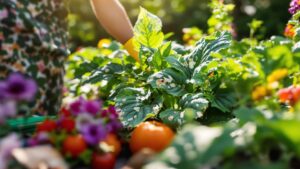
How to Spot Common Garden Diseases Before They Spread
Discover how to identify common garden diseases before they become serious problems. Learn the warning signs, causes, prevention methods, and treatment strategies for healthier plants and more productive gardens.
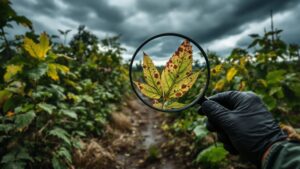
The Most Dangerous Plant Diseases Every Gardener Should Know
Discover the most destructive plant diseases that threaten vegetables, flowers, trees, and shrubs. Learn how to identify symptoms early, prevent outbreaks, and keep your garden healthy and productive.