

Invasive weeds are the unruly rebels of the plant world—fast-spreading, stubborn, and determined to take over any space they can reach. But behind every tangled patch and unexpected sprout lies an opportunity to understand, outsmart, and reclaim control. Welcome to your all-in-one hub for exploring the wild world of invasive weeds.
Here, you’ll discover what makes these plants such fierce competitors, how they move silently across landscapes, and why they pose one of the biggest threats to gardens, ecosystems, and even local economies. Whether you’re spotting suspicious growth along a fence line, battling a patch that appeared overnight, or trying to restore balance to a natural area, this page equips you with clarity and confidence.
Each article dives into identification tips, growth habits, removal techniques, and long-term management strategies to help you win the war against invaders—without harming the environment you’re trying to protect.
Get ready to explore the stories behind the species, the secrets behind their survival, and the effective methods that can help you regain your space. The fight against invasive weeds starts here, and you’re about to become a powerful defender of your landscape.
A: Invasive weeds spread aggressively, disrupt ecosystems, or cause economic or environmental harm—often beyond your own garden.
A: Compare it to local invasive species lists from extension services or conservation groups, or ask for ID help with clear photos.
A: Mowing can temporarily reduce seed production but often doesn’t kill roots; many species resprout even more vigorously.
A: It’s risky. Seeds and roots may survive typical backyard compost; bag and dispose or follow high-heat composting guidelines.
A: Early in the season, before they flower and set seed, is ideal. Follow up later to catch regrowth.
A: Not always. Persistent hand-pulling, smothering, grazing, and other methods can work, especially on small infestations.
A: Cover bare soil with mulch, groundcovers, or native plantings, and monitor the area regularly for new seedlings.
A: Yes—research before buying and choose non-invasive or native alternatives recommended for your region.
A: Some may offer nectar or cover, but their long-term damage to native ecosystems usually outweighs short-term benefits.
A: Contact local extension offices, weed control districts, or conservation groups for guidance, resources, and sometimes volunteer help.
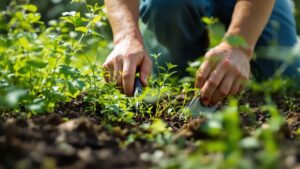
The Ultimate Guide to Identifying and Removing Invasive Weeds
Invasive weeds spread aggressively and outcompete native plants, damaging landscapes and ecosystems. This guide explains how to identify invasive weeds by growth habits and features, remove them safely, and prevent regrowth using proven, long-term strategies for healthier gardens and properties.

How to Stop Invasive Weeds Before They Spread
Discover how to identify and control invasive weeds before they take over your garden. Learn prevention techniques, natural removal methods, and effective strategies to protect your landscape from aggressive weed growth.
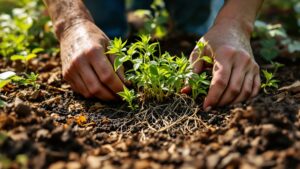
Early Signs of an Invasive Weed Problem: What to Look For
Discover how to identify invasive weeds before they spread. Learn the warning signs, growth patterns, and prevention techniques that help gardeners protect landscapes from aggressive weed infestations.