Invasive weeds are among the most persistent and frustrating problems gardeners face. What begins as a few harmless-looking plants can quickly become a garden-wide battle as aggressive weeds spread through flower beds, vegetable gardens, lawns, pathways, and natural landscapes. Unlike ordinary weeds that simply compete for space, invasive weeds often possess extraordinary survival strategies that allow them to outcompete desirable plants, overwhelm ecosystems, and establish themselves with remarkable speed. Left unchecked, a small weed problem can transform into a costly and time-consuming challenge that affects the health, beauty, and productivity of an entire garden.
Many gardeners underestimate invasive weeds because their early growth often appears insignificant. A single seedling may seem harmless, but invasive species are experts at exploiting opportunities. Some spread through thousands of airborne seeds, while others expand underground through extensive root systems that can produce new plants dozens of feet away from the original infestation. Certain species are capable of regenerating from tiny root fragments, making removal especially difficult once they become established.
The good news is that invasive weeds are far easier to manage when caught early. Prevention, early detection, and consistent action are the keys to long-term success. Gardeners who learn how to recognize invasive weeds during their earliest stages can often stop major infestations before they gain momentum. Understanding how invasive weeds spread and why they thrive gives gardeners a significant advantage in protecting their landscapes.
Successful weed management is not about achieving a perfectly weed-free garden. Instead, it focuses on preventing aggressive species from dominating valuable growing spaces while encouraging healthy plants that naturally resist invasion. With the right approach, gardeners can dramatically reduce weed pressure and maintain beautiful, productive gardens throughout the growing season.
A: Invasive weeds spread aggressively and outcompete other plants for space and resources.
A: Shortly after rain or watering when the soil is moist and roots are easier to remove.
A: Many weeds regrow from roots, underground stems, or long-lived seeds in the soil.
A: Yes, mulch blocks sunlight and greatly reduces weed germination.
A: Avoid composting weeds that contain seeds or aggressive root systems.
A: Yes, some weeds can harbor pests and plant diseases.
A: Bindweed, nutsedge, and Japanese knotweed are among the most persistent.
A: A quick inspection and removal session once a week is usually effective.
A: Yes, dense ground covers help shade soil and suppress weeds naturally.
A: Healthy plants, mulch, regular inspections, and early removal provide the best results.
What Makes a Weed Invasive?
Not every weed is considered invasive. Many common weeds are simply opportunistic plants that grow where conditions allow. Invasive weeds, however, possess characteristics that make them especially aggressive and difficult to control.
Most invasive species grow rapidly, produce large quantities of seeds, tolerate a wide range of environmental conditions, and spread through multiple methods. Some species reproduce through seeds, underground rhizomes, creeping stems, tubers, or root fragments simultaneously. This allows them to establish new colonies quickly and recover even after repeated removal attempts.
Another characteristic of invasive weeds is their ability to outcompete desirable plants for sunlight, nutrients, water, and growing space. Dense infestations often create thick monocultures that crowd out flowers, vegetables, shrubs, grasses, and native species.
Many invasive weeds also lack natural predators or diseases in the regions where they spread. Without these natural controls, populations can expand rapidly and become increasingly difficult to manage over time.
Why Early Detection Is Critical
The earlier invasive weeds are discovered, the easier they are to eliminate. Young seedlings have smaller root systems and fewer opportunities to spread compared to mature plants that have already established extensive underground networks or produced thousands of seeds.
A single mature weed can create future problems for years. Some species produce seeds that remain viable in soil for decades, waiting for favorable conditions before germinating. Others create underground structures capable of producing new plants long after the visible growth has been removed.
Regular garden inspections are one of the most effective weed-control strategies available. Spending a few minutes each week walking through garden beds, pathways, fence lines, and landscape borders allows gardeners to identify new weeds before they become major infestations.
Early action often saves countless hours of labor later in the season.
Common Ways Invasive Weeds Spread
Understanding how weeds spread helps gardeners interrupt their life cycles before infestations expand.
Seeds are one of the most common methods of weed dispersal. Wind, water, birds, wildlife, pets, gardening equipment, and even clothing can transport seeds into new areas. Some invasive species produce thousands of seeds from a single plant, dramatically increasing their ability to colonize open spaces.
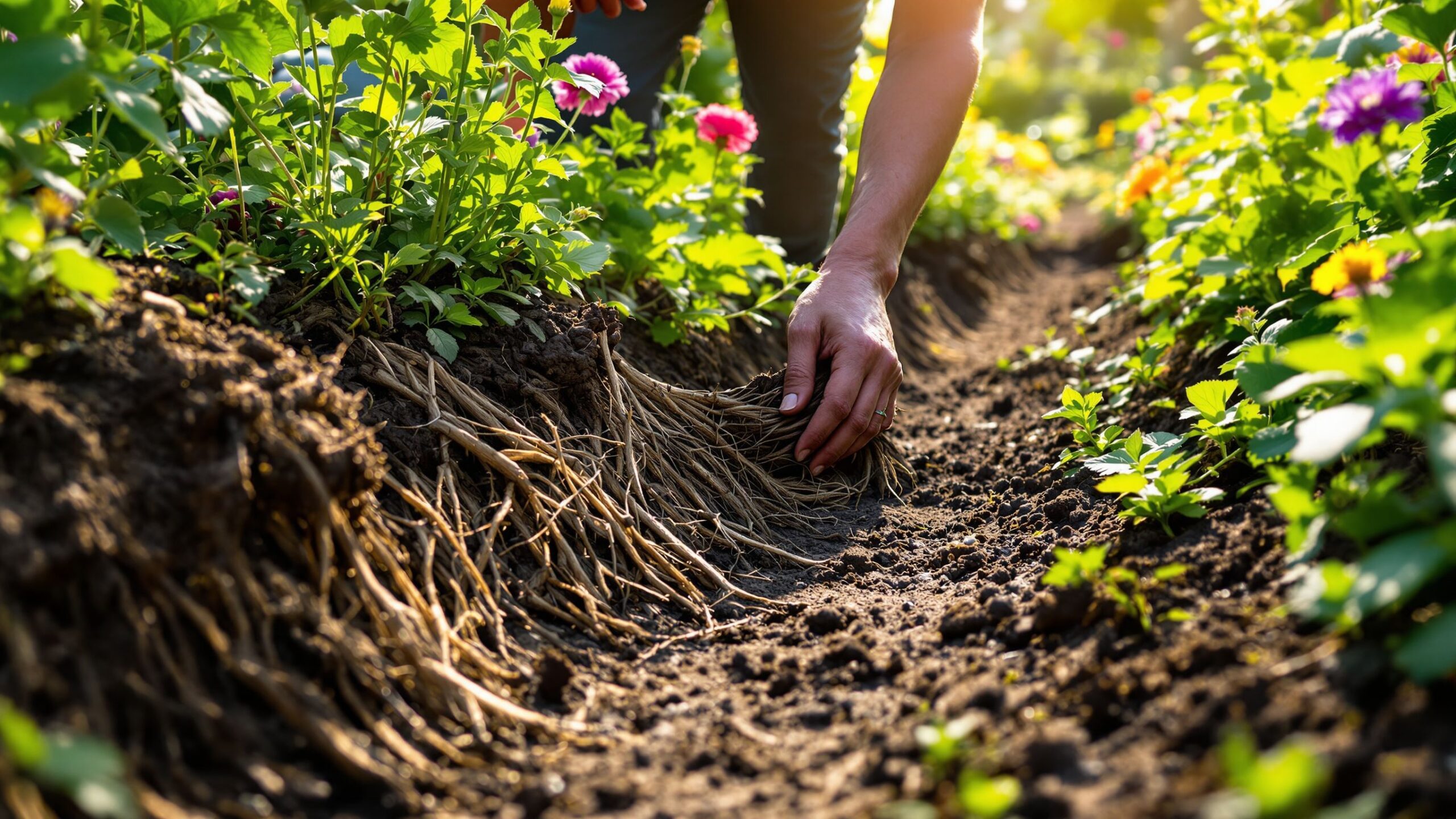
Underground rhizomes are another highly effective spreading mechanism. These horizontal stems travel beneath the soil surface and generate new shoots at multiple points. Weeds such as quackgrass and Japanese knotweed are notorious for spreading through rhizomes.
Certain species spread through creeping stems that root wherever they touch the soil. Others reproduce through tubers, bulbs, or root fragments that survive cultivation and produce new plants.
Understanding the specific spreading methods of problem weeds helps gardeners choose the most effective control strategies.
Identifying Invasive Weeds Before They Mature
One of the most valuable skills gardeners can develop is the ability to recognize invasive weeds while they are still young. Seedlings often look very different from mature plants, which can make identification challenging.
Learning to identify the most common invasive weeds in your region is an excellent investment of time. Local extension offices, botanical gardens, native plant organizations, and gardening groups often provide identification resources tailored to local conditions.
Photographing suspicious plants and monitoring their growth can also help with identification. Early recognition allows gardeners to remove invasive weeds before they flower, produce seeds, or develop extensive root systems.
The sooner action is taken, the easier control becomes.
The Power of Healthy Garden Competition
One of the most effective ways to prevent invasive weeds is by creating conditions that favor desirable plants. Bare soil provides opportunities for weed seeds to germinate and establish themselves. Healthy, dense plantings leave fewer openings available for invaders.
Ground covers, ornamental grasses, perennials, shrubs, and closely spaced vegetables can help occupy available growing space and reduce weed pressure naturally.
Healthy lawns also play an important role in weed prevention. Thick turf grass shades the soil surface and limits opportunities for invasive species to establish.
Strong plant competition often serves as the first line of defense against weed invasions.
Mulching for Long-Term Weed Prevention
Mulch is one of the most powerful tools available for natural weed control. A thick layer of organic mulch blocks sunlight from reaching weed seeds, making germination more difficult.
Wood chips, shredded bark, straw, compost, leaves, and pine needles are commonly used mulching materials. Organic mulches also improve soil quality over time as they decompose.
Mulch helps conserve moisture, regulate soil temperatures, and reduce plant stress while simultaneously suppressing weed growth.
Maintaining a mulch layer two to four inches deep around garden plants can dramatically reduce invasive weed establishment throughout the growing season.
Hand Removal: The Most Effective Early Intervention
Although labor-intensive, hand removal remains one of the most effective methods for controlling invasive weeds before they spread.
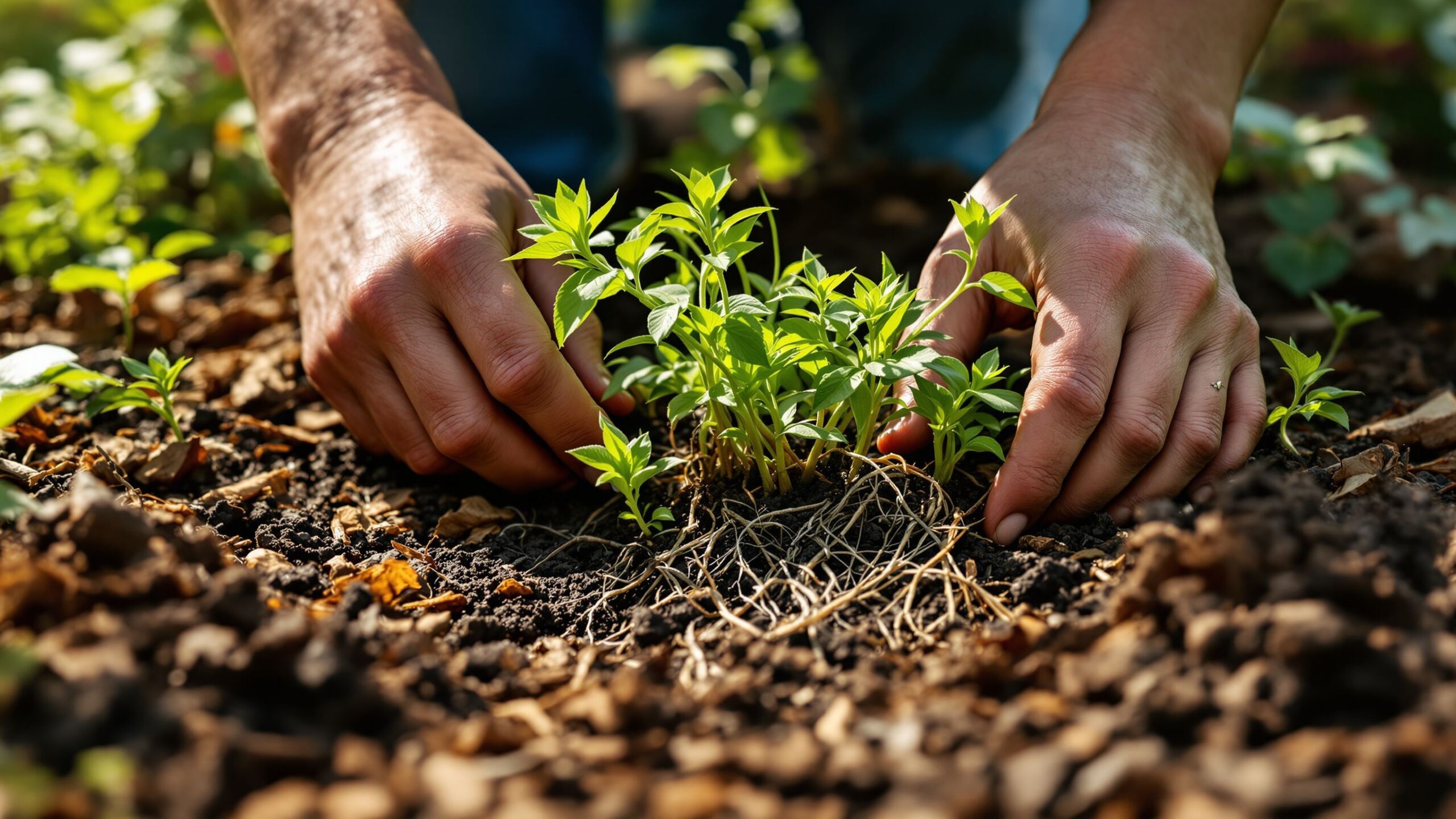
Young weeds are often easy to remove when soil is moist and roots are still shallow. Pulling weeds before they flower prevents seed production and interrupts future generations.
When dealing with perennial invasive weeds, it is important to remove as much of the root system as possible. Leaving behind root fragments may allow the plant to regenerate.
Consistent hand removal over time gradually weakens many invasive species and prevents them from gaining a foothold in the garden.
Managing Rhizome-Forming Weeds
Some invasive weeds spread aggressively through underground rhizomes, making them particularly challenging to control.
Simply cutting or mowing these weeds often stimulates additional growth rather than eliminating the problem. Rhizome-forming species frequently respond to disturbance by producing multiple new shoots.
Successful management usually requires repeated removal of emerging growth combined with careful excavation of underground rhizomes. Persistence is essential because even small rhizome fragments may generate new plants.
Monitoring treated areas regularly helps prevent reinfestation.
Preventing Seed Production
One of the simplest yet most important weed-control principles is preventing weeds from producing seeds.
Every flowering weed represents a potential future infestation. Many invasive species generate enormous numbers of seeds that can spread throughout the garden and remain viable for years.
Removing weeds before they flower dramatically reduces future weed pressure. If flowering has already occurred, gardeners should carefully dispose of seed heads rather than leaving them on-site.
Interrupting the reproductive cycle is one of the most effective long-term weed management strategies.
Natural Weed Suppression Techniques
Many gardeners prefer natural weed-control methods that minimize environmental impact while preserving beneficial organisms.
Mulching, hand removal, solarization, landscape fabric, flame weeding, and dense planting are all effective non-chemical options. Cover crops can also suppress weeds by occupying space and shading the soil surface.
Some gardeners use cardboard or newspaper layers beneath mulch to create additional weed barriers. These materials eventually decompose while helping suppress emerging seedlings.
Natural methods often require consistency and patience but provide excellent long-term results.
The Dangers of Ignoring Invasive Weeds
Allowing invasive weeds to spread unchecked can create significant problems beyond simple aesthetics.
Dense infestations compete aggressively with vegetables, flowers, shrubs, and trees for resources. Crop yields may decline, flowering may decrease, and desirable plants often become stressed or weakened.
Certain invasive species alter soil conditions, reduce biodiversity, and disrupt local ecosystems. Some weeds even harbor pests and diseases that later affect garden plants.
The longer invasive weeds remain uncontrolled, the more difficult and expensive removal becomes.
Cleaning Tools and Equipment
Many gardeners accidentally spread invasive weeds through contaminated tools and equipment.
Seeds, root fragments, and soil can cling to shovels, rakes, wheelbarrows, lawn mowers, boots, and gardening gloves. Moving these materials between locations may introduce weeds into previously clean areas.
Cleaning tools regularly helps prevent accidental spread and supports overall garden health.
Simple sanitation practices can significantly reduce future infestations.
Creating a Weed Monitoring Routine
Consistent observation is one of the most overlooked aspects of successful weed management.
Weekly inspections allow gardeners to identify new growth before weeds mature. Monitoring high-risk areas such as fence lines, pathways, compost piles, drainage areas, and landscape edges is especially important.
Keeping records of recurring problem areas can also help identify patterns and improve future prevention efforts.
Small amounts of time spent monitoring often prevent major weed-control projects later.
Long-Term Strategies for Weed-Free Gardens
The most successful gardeners approach weed management as an ongoing process rather than a one-time task.
Healthy soil, dense plantings, regular mulching, routine inspections, prompt removal, and good sanitation all contribute to long-term success. Combining multiple strategies usually provides the best results because invasive weeds often exploit weaknesses in garden management.
Over time, consistent prevention efforts reduce weed seed banks and make infestations easier to control.
Patience and persistence remain essential components of effective weed management.
Final Thoughts
Learning how to stop invasive weeds before they spread is one of the most valuable skills any gardener can develop. While invasive weeds can seem overwhelming once established, early detection and consistent action make a tremendous difference in long-term control.
Understanding how invasive weeds spread, recognizing seedlings early, preventing seed production, maintaining healthy plant competition, and using natural suppression techniques all help protect gardens from aggressive invaders. The key is acting quickly before small problems become large infestations.
By combining observation, prevention, and persistence, gardeners can successfully manage invasive weeds while creating healthier, more productive landscapes. Over time, these efforts lead to stronger plants, reduced maintenance, improved biodiversity, and gardens that are far more resilient against future weed invasions.
Garden Product Reviews
Step into Mossy Streets’ Garden Product Reviews — your go-to guide for the best tools, gear, gifts, books, and garden gadgets rooted in nature. From blooming backyard beauties to lush indoor jungles, from heirloom seeds to high-tech composters, we dig into top-rated products for green thumbs, beginners, educators, and plant lovers alike. Whether you’re planting, pruning, decorating, or simply enjoying your green space, we’ve unearthed the best so you can grow, bloom, and thrive — all in one vibrant place!