Invasive weeds rarely announce their arrival with dramatic warnings. More often, they begin as a handful of seemingly harmless plants tucked into a corner of the garden, growing quietly among flowers, vegetables, shrubs, or lawn grass. Because many invasive weeds look insignificant during their early stages, gardeners frequently overlook them until the infestation becomes much larger and far more difficult to control. By the time mature weeds begin producing thousands of seeds or spreading aggressively through underground roots, the opportunity for easy removal may already be gone.
Learning to recognize the earliest signs of an invasive weed problem is one of the most valuable skills any gardener can develop. Early detection allows gardeners to stop infestations before they become expensive, time-consuming, and frustrating challenges. A few minutes spent inspecting plants each week can prevent months or even years of weed management later.
Many invasive weeds possess extraordinary survival abilities that allow them to spread faster than most garden plants. Some species reproduce through seeds, underground rhizomes, creeping stems, root fragments, or multiple methods at the same time. Their aggressive nature often allows them to outcompete desirable plants for sunlight, water, nutrients, and growing space. Without intervention, they can transform healthy gardens into landscapes dominated by unwanted vegetation.
The good news is that invasive weeds almost always provide clues before they become serious problems. Changes in growth patterns, unusual spreading behavior, dense clusters of seedlings, and rapid expansion into open areas often serve as early warning signs. Understanding what to look for gives gardeners a significant advantage in protecting their landscapes and maintaining healthy, productive growing spaces.
A: Rapid growth and unexpected new patches are often the earliest warning signs.
A: Many invasive weeds regrow from roots, rhizomes, or underground tubers.
A: Check fences, property lines, bare soil, pathways, and garden edges.
A: Some species can spread across large areas within a single growing season.
A: Yes, they compete for sunlight, water, nutrients, and space.
A: No, but unusually aggressive growth should always be investigated.
A: Yes, removing them before seed production greatly reduces future spread.
A: Yes, mulch blocks sunlight and suppresses many weed seedlings.
A: Remove it promptly and monitor the area for regrowth.
A: Regular inspections, early removal, healthy plantings, and consistent maintenance.
Why Invasive Weeds Are Different From Ordinary Weeds
Every garden contains weeds, but not all weeds are invasive. Many common weeds grow opportunistically wherever conditions allow, yet remain relatively easy to manage through routine maintenance. Invasive weeds are different because they possess traits that allow them to spread aggressively and dominate entire areas if left unchecked.
Most invasive species grow faster than surrounding plants and reproduce in remarkable numbers. They often tolerate drought, poor soil, heavy foot traffic, and other challenging conditions that weaken desirable plants. Some species can produce thousands of seeds from a single mature plant, while others spread underground through extensive root networks capable of generating new growth far from the original infestation.
Because invasive weeds often lack natural predators or diseases in their introduced environments, their populations may expand rapidly without significant limitations. This ability to spread aggressively is what makes early detection so important.
Recognizing invasive weeds before they become established is far easier than trying to eliminate mature infestations that have already spread throughout the garden.
Sudden Appearance of Numerous Seedlings
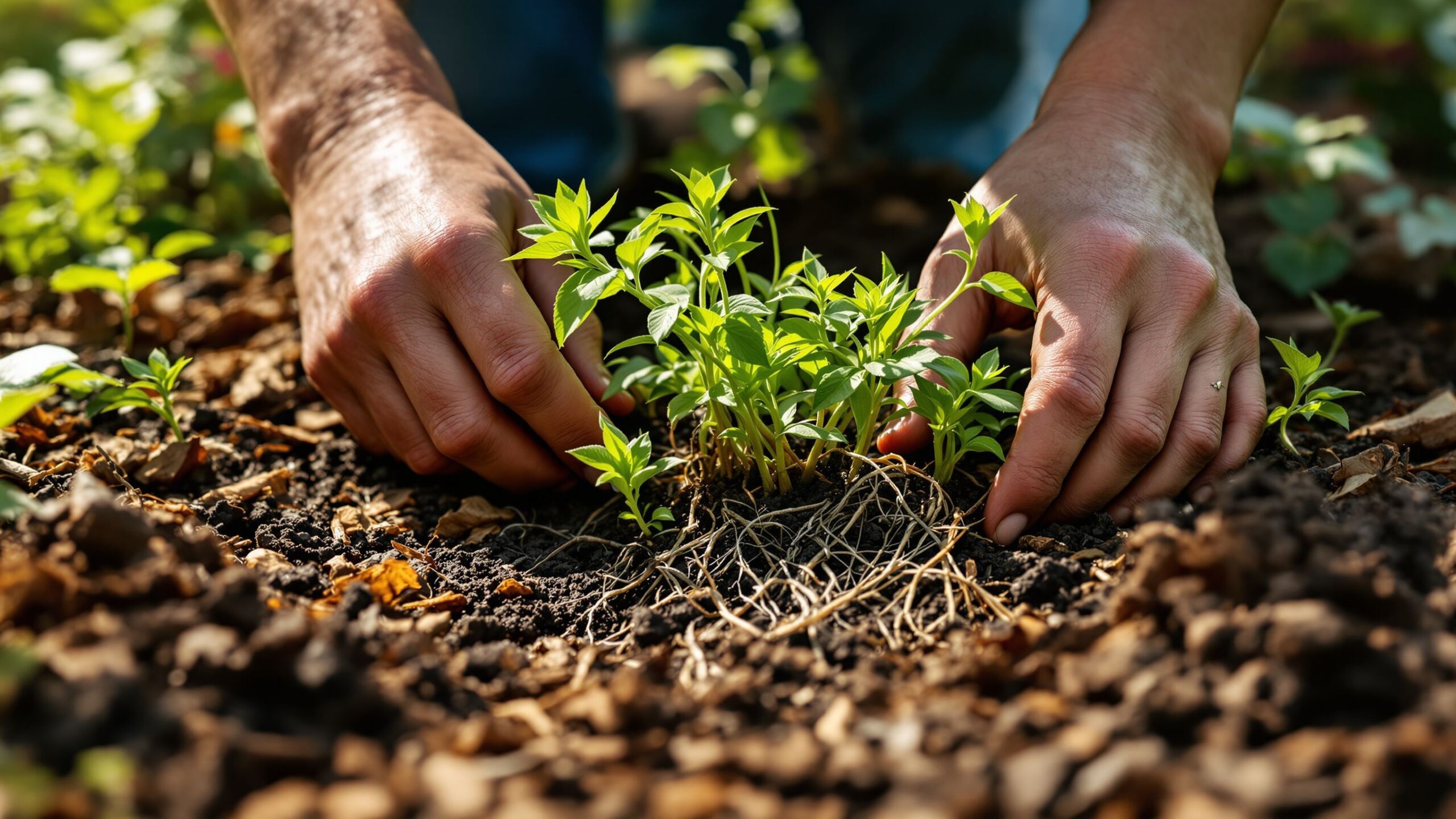
One of the earliest signs of an invasive weed problem is the sudden appearance of large numbers of identical seedlings in a concentrated area.
While occasional weed seedlings are normal in most gardens, invasive species often emerge in unusually dense clusters. Dozens or even hundreds of young plants may appear seemingly overnight, especially following rain, soil disturbance, or seasonal temperature changes.
Gardeners should pay particular attention when unfamiliar seedlings begin appearing repeatedly in the same locations. Consistent germination patterns may indicate that an invasive species has already begun establishing a seed bank within the soil.
Removing seedlings while they are small is one of the easiest and most effective forms of invasive weed control.
Rapid Growth Compared to Nearby Plants
Fast growth is another common characteristic of invasive weeds. Many invasive species grow noticeably faster than surrounding flowers, vegetables, shrubs, or lawn grasses.
Young weeds that quickly outpace neighboring plants deserve closer examination. Aggressive vertical growth, rapid leaf production, and unusually vigorous development may all indicate invasive tendencies.
Some invasive weeds can grow several inches per week under favorable conditions. Their ability to capture sunlight quickly often gives them a competitive advantage over slower-growing garden plants.
Monitoring growth rates helps gardeners identify potentially problematic species before they become dominant.
Unusual Spreading Patterns
Healthy garden plants generally remain within predictable boundaries unless intentionally allowed to spread. Invasive weeds often behave differently.
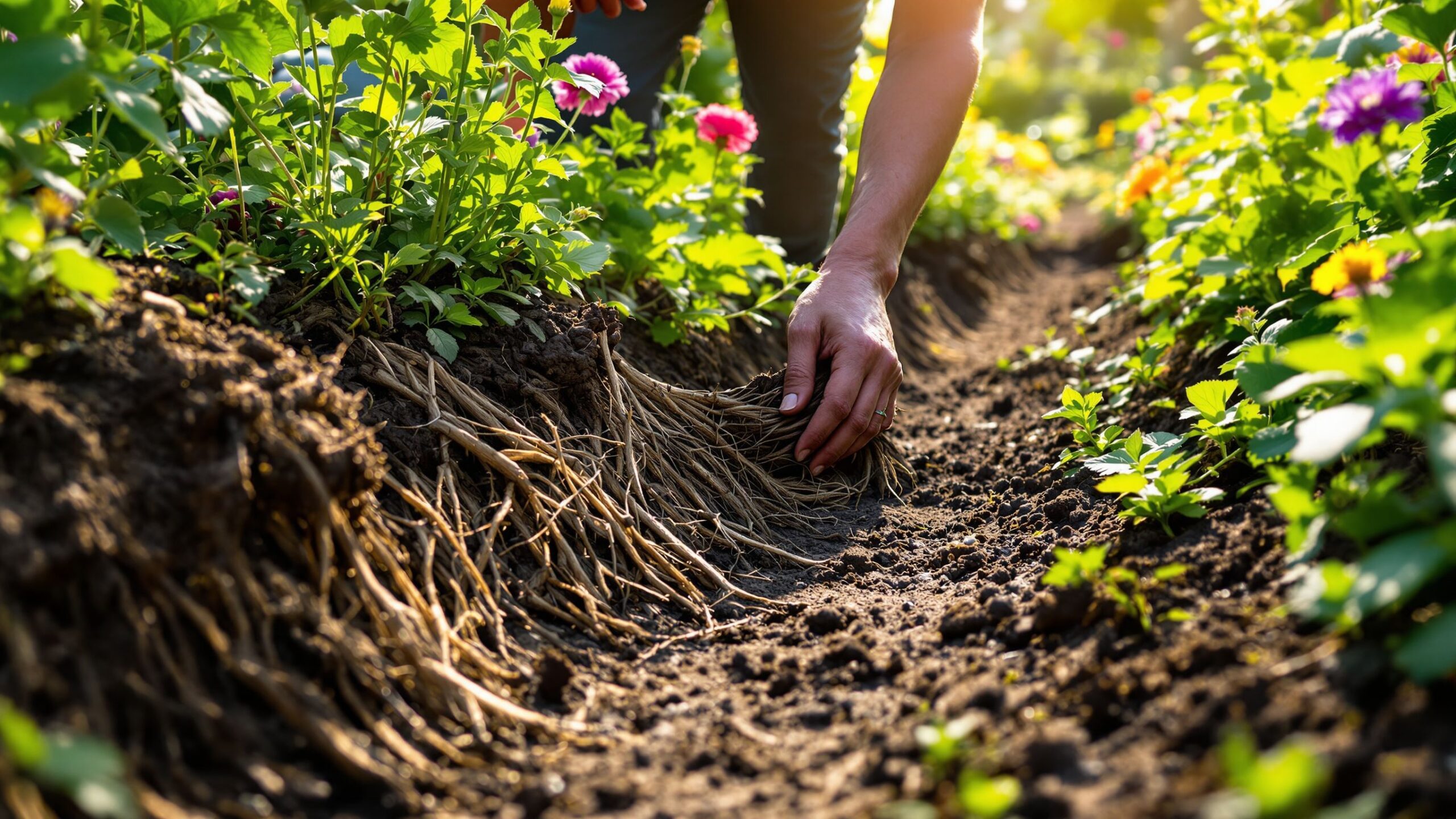
One warning sign is the appearance of new shoots emerging several feet away from the original plant. Underground rhizomes, creeping roots, or stolons may allow invasive species to establish multiple growth points across a garden bed.
Gardeners may notice small plants appearing in straight lines, clusters, or seemingly random locations connected by hidden underground structures. This spreading behavior is often one of the earliest indicators of a potentially invasive species.
Tracking the locations of new growth can reveal patterns that might otherwise go unnoticed.
Dense Growth That Crowds Out Other Plants
Invasive weeds frequently form dense patches that exclude other vegetation. Areas that once supported diverse plant communities may begin showing signs of overcrowding as aggressive weeds expand.
Young infestations often start with a small cluster of plants that gradually thickens over time. As density increases, neighboring flowers, vegetables, and ornamentals may receive less sunlight, water, and nutrients.
Gardeners should investigate any plant that appears to be forming unusually dense colonies, especially if nearby plants begin showing signs of stress or decline.
Dense growth often signals that an invasive species is beginning to establish dominance.
New Plants Appearing After Removal
One of the most frustrating characteristics of invasive weeds is their ability to regenerate after removal.
Gardeners may pull a weed only to discover new shoots appearing in the same area days or weeks later. While some regrowth is normal for perennial plants, repeated reappearance can indicate the presence of underground rhizomes, root fragments, or persistent reproductive structures.
If weeds consistently return despite repeated removal efforts, closer investigation is warranted. The visible portion of the plant may represent only a small part of a much larger underground network.
Repeated regrowth is often an early sign that a more aggressive control strategy may be necessary.
Unusually Large Root Systems
Although root systems are hidden beneath the soil, they often provide important clues about invasive potential.
When removing weeds, gardeners should pay attention to root structure. Thick rhizomes, extensive branching roots, tubers, or long underground runners may indicate a species capable of aggressive spread.
Many invasive weeds invest heavily in root development, allowing them to survive adverse conditions and regenerate quickly after disturbance.
Examining roots during routine weeding can reveal problems before they become widespread.
Weeds Spreading Into Multiple Garden Areas
Another warning sign occurs when the same weed begins appearing in different parts of the landscape simultaneously.
A few isolated weeds may not seem concerning, but widespread emergence across lawns, flower beds, vegetable gardens, pathways, and fence lines suggests a species with strong dispersal capabilities.
Wind-dispersed seeds, wildlife activity, contaminated mulch, and gardening equipment can all contribute to rapid expansion across large areas.
The broader the distribution becomes, the more difficult future control efforts may be.
Flowering Earlier Than Expected
Many invasive weeds prioritize reproduction and may flower quickly after germination.
Early flowering allows these plants to produce seeds before gardeners recognize the threat. Some species complete entire life cycles in a relatively short period, generating multiple generations within a single growing season.
Gardeners should monitor unfamiliar plants that begin flowering unusually early or producing large quantities of blooms despite their young age.
Preventing seed production remains one of the most effective ways to limit future infestations.
Excessive Seed Production
One of the defining characteristics of many invasive weeds is their extraordinary seed output.
A single mature plant may produce hundreds, thousands, or even tens of thousands of seeds. These seeds can spread through wind, water, wildlife, pets, vehicles, clothing, and gardening equipment.
Plants that generate unusually large numbers of seed heads deserve attention, particularly if they appear capable of dispersing seeds over long distances.
Stopping seed production before maturity can dramatically reduce future weed pressure.
Weeds Thriving in Difficult Conditions
Many invasive weeds possess remarkable adaptability and often thrive where other plants struggle.
They may flourish in poor soil, drought conditions, compacted ground, neglected areas, disturbed sites, or extreme weather. This resilience allows them to exploit opportunities that more sensitive plants cannot tolerate.
When a weed appears unusually healthy while surrounding vegetation struggles, it may indicate invasive tendencies.
Adaptability is often one of the reasons invasive species become so successful.
Changes in Native Plant Diversity
One subtle but important warning sign is a decline in plant diversity within affected areas.
As invasive weeds spread, they often displace a wide range of other species. Areas once filled with multiple plant types may gradually become dominated by a single aggressive weed.
Gardeners should monitor changes in plant composition over time. A noticeable reduction in diversity may indicate that invasive species are beginning to alter the landscape.
Protecting biodiversity is one of the most important reasons for addressing invasive weeds early.
Increased Maintenance Requirements
Invasive weeds often create maintenance problems long before they become visually overwhelming.
Gardeners may find themselves spending more time weeding certain areas, repeatedly removing the same plants, or struggling to keep garden beds tidy despite regular effort.
A sudden increase in maintenance demands can serve as an early indicator that a more aggressive weed problem is developing.
Recognizing these patterns early allows gardeners to intervene before infestations become larger.
Monitoring High-Risk Areas
Certain locations are especially vulnerable to invasive weed establishment.
Fence lines, property edges, drainage areas, pathways, compost piles, newly disturbed soil, and areas receiving imported mulch or soil are common entry points for invasive species.
Regular inspections of these high-risk zones improve the chances of detecting new infestations early.
Many serious weed problems begin in overlooked corners of the landscape before spreading into more visible areas.
How to Respond When You Spot Early Warning Signs
When early signs of invasive weeds appear, prompt action is essential. Small infestations are usually far easier to manage than mature populations.
Removing young plants before they flower prevents seed production and reduces future spread. Monitoring affected areas closely helps determine whether additional plants continue to emerge.
Improving plant competition through mulching, dense planting, and healthy soil management can also discourage weed establishment.
The key is consistency. Addressing problems immediately often prevents years of future control efforts.
Long-Term Prevention Strategies
Successful invasive weed management relies heavily on prevention. Maintaining healthy garden beds, minimizing bare soil, applying mulch, cleaning tools, inspecting new plants, and monitoring high-risk areas all help reduce invasion opportunities.
Regular observation remains one of the most effective tools available. Gardeners who inspect their landscapes frequently are far more likely to detect problems before they become severe.
Combining prevention with early intervention creates a powerful defense against invasive species.
Over time, these habits make gardens more resilient and easier to maintain.
Final Thoughts
The early signs of an invasive weed problem are often subtle, but recognizing them can save enormous amounts of time, effort, and frustration. Dense seedling clusters, rapid growth, unusual spreading patterns, repeated regrowth, extensive root systems, excessive seed production, and declining plant diversity all serve as valuable warning signals.
Invasive weeds are most vulnerable during their earliest stages, which is why regular observation and quick action are so important. A small infestation that is addressed immediately is far easier to control than a mature population that has already spread throughout the landscape.
By learning what to look for and responding promptly when warning signs appear, gardeners can protect their flower beds, vegetable gardens, lawns, and landscapes from some of the most aggressive and troublesome weeds found in the gardening world. Consistent monitoring, prevention, and early intervention remain the most effective strategies for keeping invasive weeds under control and maintaining a healthy, productive garden.
Garden Product Reviews
Step into Mossy Streets’ Garden Product Reviews — your go-to guide for the best tools, gear, gifts, books, and garden gadgets rooted in nature. From blooming backyard beauties to lush indoor jungles, from heirloom seeds to high-tech composters, we dig into top-rated products for green thumbs, beginners, educators, and plant lovers alike. Whether you’re planting, pruning, decorating, or simply enjoying your green space, we’ve unearthed the best so you can grow, bloom, and thrive — all in one vibrant place!