Invasive weeds are among the most persistent and destructive challenges facing home landscapes, gardens, farms, and natural ecosystems. These aggressive plants spread rapidly, outcompete native vegetation, degrade soil health, and disrupt wildlife habitats. Left unmanaged, invasive weeds can overwhelm lawns, choke gardens, reduce crop yields, and permanently alter ecosystems. Accurate identification and timely removal are essential to stopping their spread and restoring balance. This guide explains how to recognize invasive weeds, understand their behavior, and remove them effectively using practical, long-term strategies.
A: Check your state extension office or local invasive species list—“invasive” is region-specific.
A: Yes—removing before bloom and seed is one of the biggest time-savers.
A: Usually no—seed heads and fragments can survive. Bag and dispose unless you hot-compost correctly.
A: Water the area, use a fork/spade to loosen soil, and pull slowly from the base to remove the crown.
A: It helps with seedlings, but established rhizomes and crowns can push through—combine mulch with removal.
A: It can weaken some species, but many rebound—mowing must be frequent and paired with root control.
A: Cut to access, dig crowns/roots, bag material, then smother and replant densely.
A: Seed banks and creeping roots—expect follow-up rounds for at least a full season.
A: Replant quickly, cover bare soil, and patrol edges like fence lines and sidewalks.
A: For large infestations, poisonous plants, or removals near waterways where disposal and spread risks are higher.
What Makes a Weed Invasive
Not all weeds are invasive. Invasive weeds are defined by their ability to spread aggressively outside their native range and cause ecological, economic, or environmental harm. They often grow faster than native plants, reproduce prolifically, and thrive in disturbed or unmanaged areas. Many invasive weeds lack natural predators or controls in their new environments, allowing them to dominate quickly. Understanding this distinction helps prioritize which weeds require immediate and sustained action.
Why Early Identification Is Critical
Early identification is the most powerful tool in invasive weed management. Young infestations are far easier to control than established ones. Once invasive weeds mature and spread seeds or underground structures, removal becomes significantly more difficult and costly. Identifying invasive weeds early prevents them from forming dense colonies that displace desirable plants and alter soil chemistry. Timely action also reduces the need for repeated interventions.
Common Traits of Invasive Weeds
Invasive weeds often share recognizable characteristics. They typically grow rapidly, tolerate a wide range of conditions, and reproduce through multiple methods such as seeds, runners, rhizomes, or fragments. Many form dense stands that crowd out other plants and monopolize water, sunlight, and nutrients. Their leaves, stems, or root systems may appear unusually vigorous compared to surrounding vegetation. Recognizing these patterns helps distinguish invasive species from ordinary garden weeds.
Identifying Invasive Weeds by Growth Habit
Growth habit is one of the easiest ways to identify invasive weeds. Some grow as sprawling ground covers that smother lawns and garden beds. Others grow upright and tall, forming thick monocultures along roadsides, waterways, and property edges. Climbing invasive weeds use trees, fences, and structures for support, spreading rapidly across vertical surfaces. Observing how a weed grows and spreads provides valuable clues to its identity and potential impact.
Leaf Shape, Texture, and Arrangement
Leaf characteristics play a major role in weed identification. Invasive weeds may have unusually large leaves, deeply lobed shapes, glossy surfaces, or rough textures. Some display opposite leaf arrangements, while others alternate along the stem. Leaf edges may be smooth, serrated, or spiny. Paying attention to leaf size, shape, and arrangement helps narrow down species and differentiate invasive weeds from native lookalikes.
Flowers, Seeds, and Reproductive Clues
Flowers and seed structures are key identifiers for invasive weeds. Many produce abundant flowers that lead to massive seed production. Seeds may be lightweight and wind-dispersed, sticky and animal-carried, or capable of surviving in soil for years. Some invasive weeds spread primarily through underground roots rather than seeds, making them harder to control. Understanding how a weed reproduces is essential for choosing the correct removal strategy.
Root Systems and Underground Spread
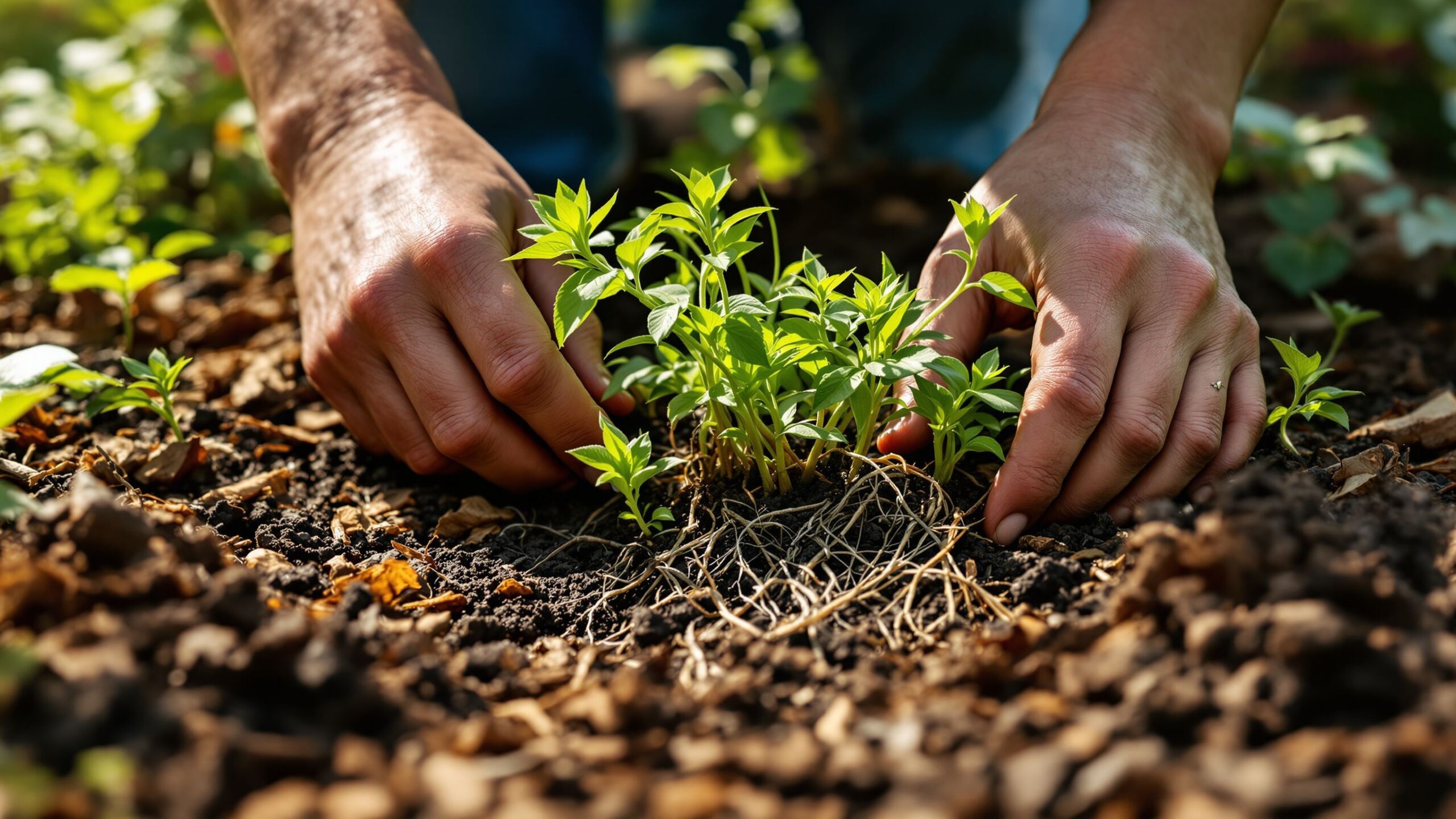
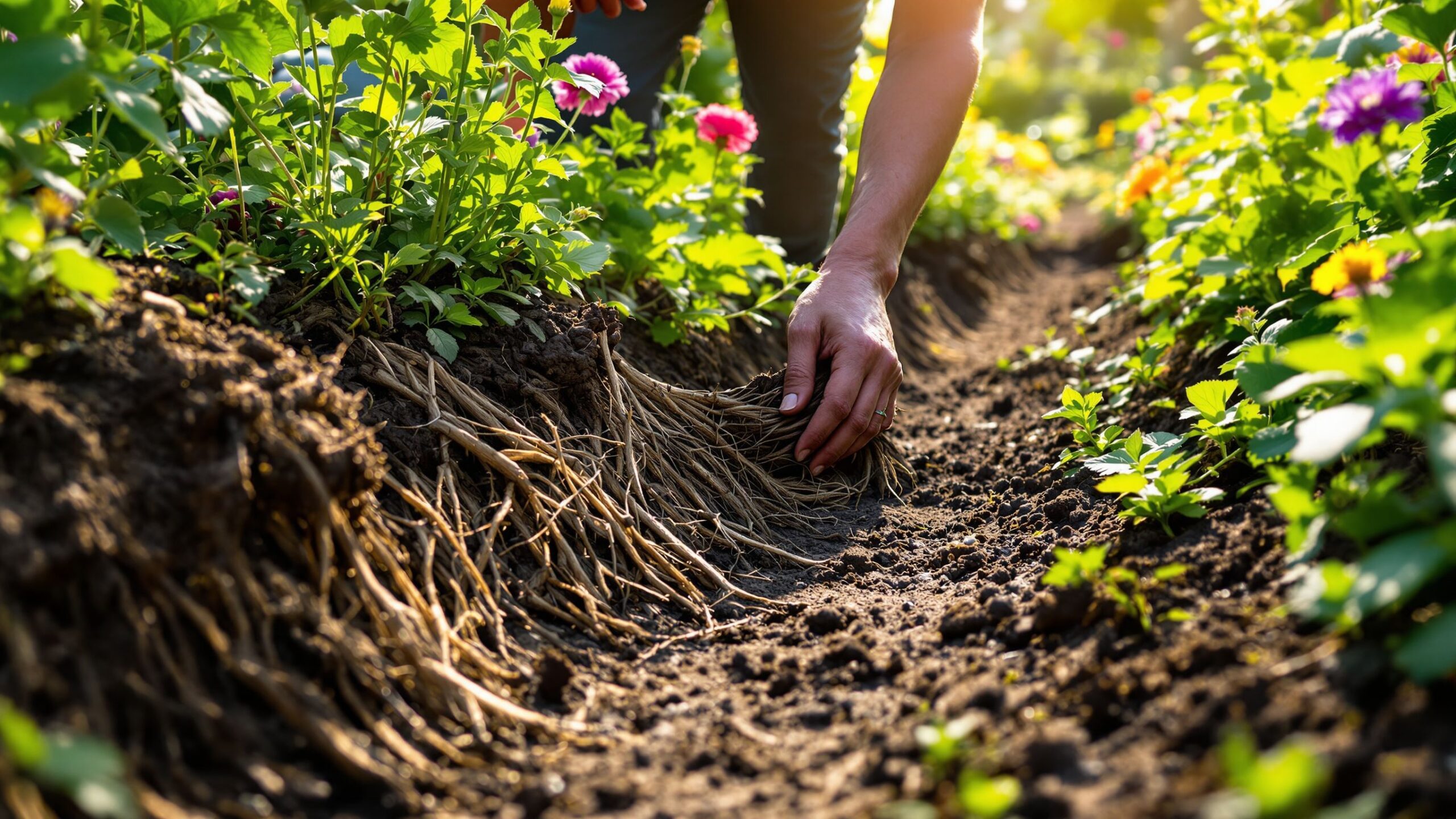
Invasive weeds often possess aggressive root systems that allow them to regenerate after cutting or disturbance. Taproots anchor plants deeply, while fibrous roots form dense mats near the soil surface. Rhizomes and stolons enable weeds to spread laterally underground, creating new plants far from the original growth. When weeds return quickly after mowing or pulling, underground spread is often the cause. Identifying root behavior prevents incomplete removal.
Common Areas Where Invasive Weeds Thrive
Invasive weeds are most commonly found in disturbed environments. Construction sites, roadside edges, vacant lots, waterways, garden borders, and poorly maintained lawns provide ideal conditions for invasion. Bare soil, compacted ground, and excess nutrients encourage rapid establishment. Recognizing high-risk areas allows for proactive monitoring and early intervention before weeds spread further.
Mechanical Removal Methods
Mechanical removal is one of the most effective approaches for small to moderate infestations. Hand-pulling works best when soil is moist and roots can be removed intact. Cutting or mowing may suppress growth but often requires repeated efforts to exhaust the plant’s energy reserves. Digging is effective for weeds with deep roots but must be thorough to prevent regrowth. Mechanical removal is most successful when combined with proper disposal and follow-up monitoring.
Smothering and Solarization Techniques
Smothering deprives invasive weeds of light and air. Methods include mulching with organic material, laying cardboard or landscape fabric, and covering areas with opaque tarps. Solarization uses clear plastic to trap heat and kill weeds and seeds beneath the surface. These methods are particularly effective for large patches and garden beds when applied for sufficient duration. Patience is essential, as incomplete coverage allows weeds to rebound.
Organic and Chemical Control Considerations
Some invasive weeds require additional control measures beyond physical removal. Organic options include targeted use of vinegar-based sprays, boiling water, or natural herbicides, though repeated applications may be necessary. Chemical herbicides may be appropriate for severe infestations but should be used carefully and selectively to avoid harming desirable plants and surrounding ecosystems. Understanding the weed’s growth stage and life cycle improves treatment effectiveness and minimizes environmental impact.
Preventing Seed Spread During Removal
One of the most common mistakes in invasive weed control is allowing seeds to spread during removal. Pulling or cutting weeds after they have gone to seed can worsen the infestation. Seed heads should be bagged and removed from the site rather than composted. Cleaning tools, clothing, and equipment after working in infested areas prevents accidental spread to new locations.
Restoring Areas After Weed Removal
Successful invasive weed control does not end with removal. Bare or disturbed soil invites reinfestation. Replanting with native or well-adapted plants restores competition and stabilizes the soil. Mulching and proper watering support healthy plant establishment. Dense, healthy vegetation is one of the most effective long-term defenses against invasive weeds.
Long-Term Monitoring and Maintenance
Invasive weed management is an ongoing process rather than a one-time task. Regular inspection allows for early detection of regrowth or new invaders. Small outbreaks are far easier to control than widespread infestations. Maintaining healthy soil, minimizing disturbance, and addressing problems promptly reduces the likelihood of future invasions.
Understanding the Ecological Impact
Invasive weeds do more than disrupt appearance. They alter soil chemistry, reduce biodiversity, increase erosion, and interfere with natural water flow. Wildlife that depends on native plants for food and shelter is often displaced. Understanding these broader impacts reinforces the importance of consistent identification and removal efforts.
Community and Regional Awareness
Invasive weeds rarely respect property boundaries. Seeds and plant fragments travel through wind, water, animals, and human activity. Coordinated efforts among neighbors, communities, and local organizations significantly improve control success. Learning which invasive weeds are common in your region helps prioritize monitoring and prevention.
When Professional Help Is Necessary
Some invasive weed infestations exceed the scope of individual effort. Large properties, waterways, and heavily infested sites may require professional management. Specialists can identify species accurately, apply targeted treatments, and develop long-term control plans. Early professional involvement often prevents costly restoration later.
Preventing Future Invasions
Prevention is the most effective form of invasive weed control. Using clean soil and mulch, choosing non-invasive plants, maintaining healthy landscapes, and responding quickly to new growth all reduce risk. Educating yourself about invasive species common to your area strengthens long-term resilience.
Identifying and Removing Invasive Weeds
Invasive weeds are persistent, adaptable, and damaging, but they are not unbeatable. Accurate identification combined with consistent, informed removal strategies can reclaim landscapes and protect ecosystems. By understanding how invasive weeds grow, spread, and survive, homeowners and land managers gain the tools needed to act decisively. With vigilance, patience, and proper restoration, it is possible to control invasive weeds and maintain healthier, more balanced environments for the future.
Garden Product Reviews
Step into Mossy Streets’ Garden Product Reviews — your go-to guide for the best tools, gear, gifts, books, and garden gadgets rooted in nature. From blooming backyard beauties to lush indoor jungles, from heirloom seeds to high-tech composters, we dig into top-rated products for green thumbs, beginners, educators, and plant lovers alike. Whether you’re planting, pruning, decorating, or simply enjoying your green space, we’ve unearthed the best so you can grow, bloom, and thrive — all in one vibrant place!