


What Is Permaculture? A Beginner’s Complete Guide
Permaculture is a nature-inspired design philosophy that helps beginners build sustainable, low-maintenance gardens and resilient living systems. Explore its core ideas and benefits.
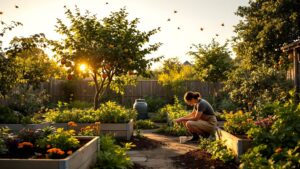
Permaculture Principles Explained Simply
Permaculture is a powerful way to design sustainable systems by working with nature instead of against it. This beginner-friendly guide breaks down the core principles, ethics, and practical applications of permaculture, helping you create resilient gardens, reduce waste, and live more intentionally in harmony with the environment.
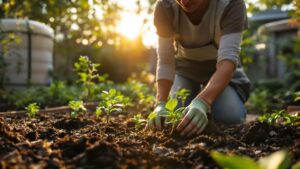
How to Start a Permaculture Garden from Scratch
Starting a permaculture garden from scratch is easier than you think. This beginner-friendly guide walks you through observation, soil building, plant selection, and sustainable design to create a thriving, self-sufficient garden that works with nature and grows more productive over time.
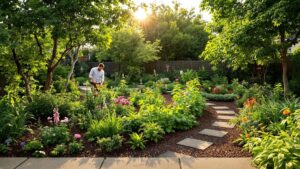
Permaculture Design Basics for Home Gardens
Permaculture design basics help you create a home garden that works with nature, not against it. This guide covers observation, zoning, plant selection, and sustainable techniques to build a productive, low-maintenance garden that grows stronger over time while supporting biodiversity and soil health.
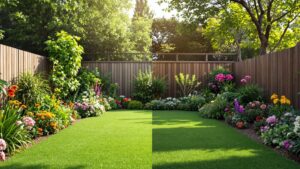
Beginner Permaculture Mistakes to Avoid
New to permaculture? Learn the most common beginner mistakes and how to avoid them. From skipping observation to poor plant choices, this guide helps you build a stronger, more sustainable garden by working with nature, not against it.