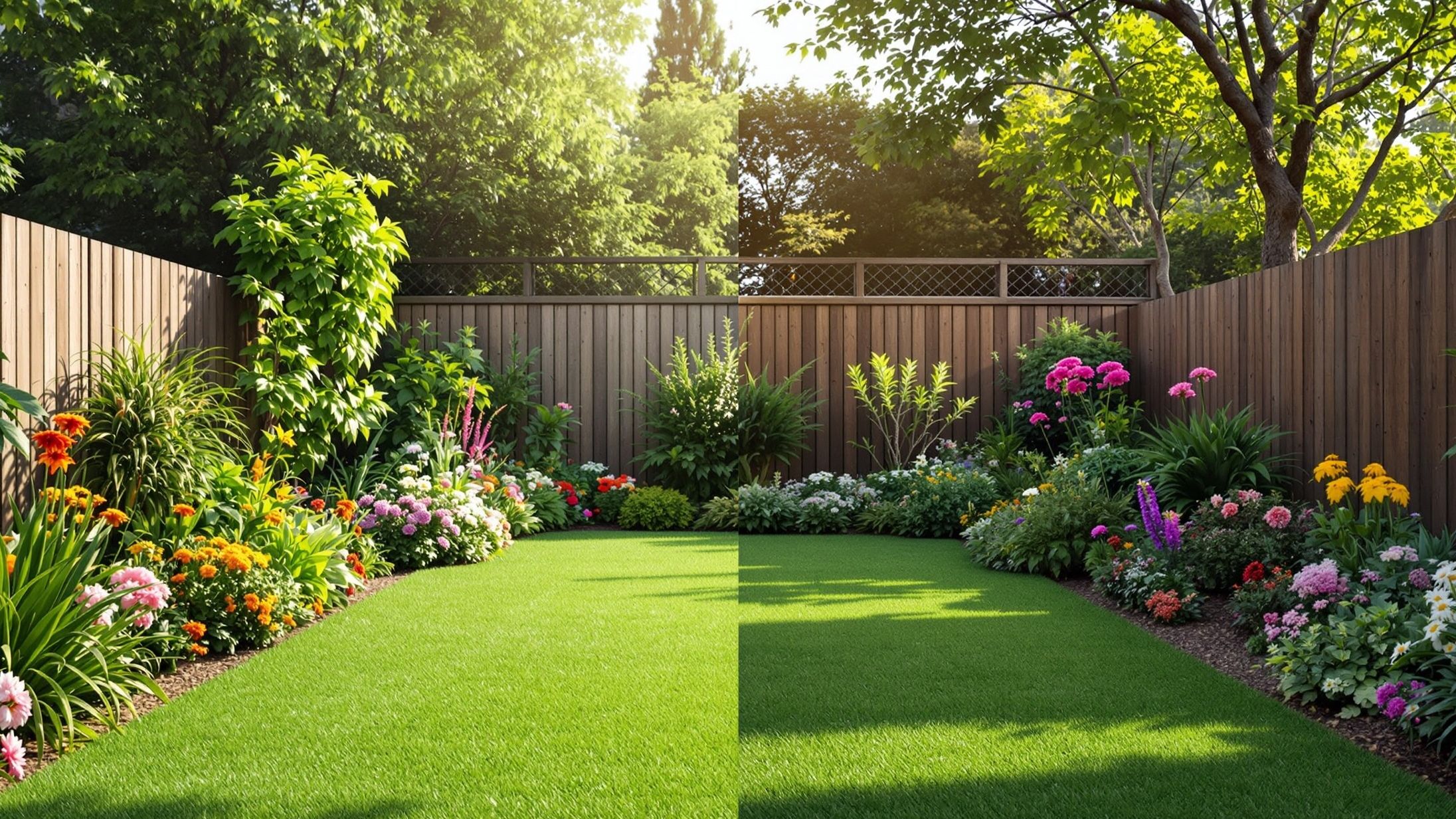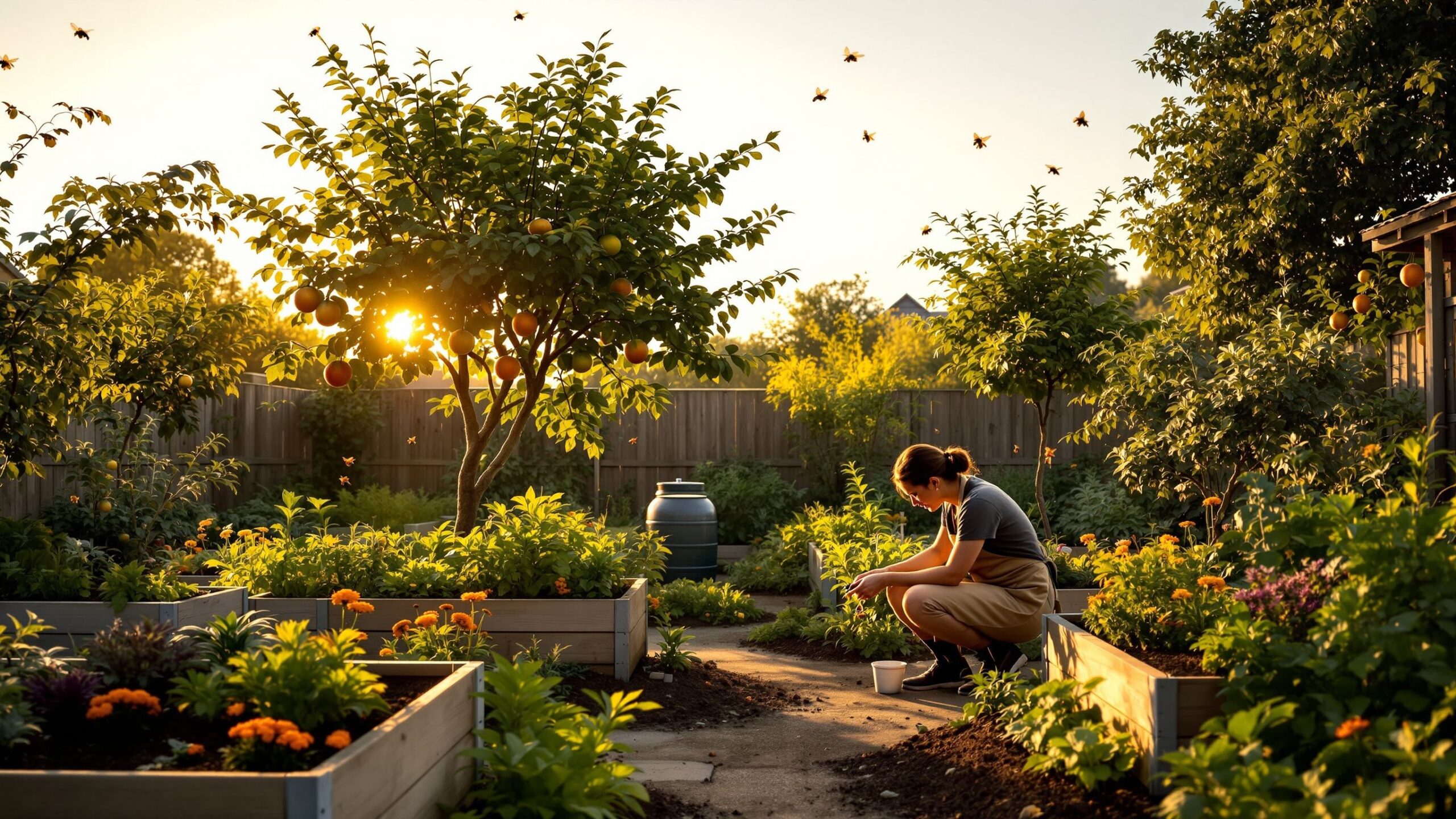
Permaculture design offers a powerful way to transform an ordinary home garden into a thriving, self-sustaining ecosystem. Instead of relying on constant inputs, strict routines, or artificial solutions, permaculture focuses on working with nature to create a space that becomes more productive and resilient over time. Whether you have a spacious backyard or a small suburban lot, the principles of permaculture can help you design a garden that produces food, supports biodiversity, and reduces maintenance. At its core, permaculture design is about observation, thoughtful planning, and building relationships between elements so that everything works together in harmony.
A: It is the process of planning a garden so all elements work together like a natural ecosystem.
A: No, simple observation and gradual planning can work well for home gardens.
A: It organizes garden areas based on how often they are used or visited.
A: Yes, permaculture design can be applied to improve current layouts.
A: Build it up using compost, mulch, and organic matter over time.
A: Natural shapes often work better with water flow and landscape patterns.
A: It can be low-cost when using recycled materials and gradual improvements.
A: Yes, beauty and function can be combined in permaculture design.
A: Design is ongoing and evolves as you learn more about your space.
A: Yes, starting small and building over time makes it very beginner-friendly.
Understanding the Foundation of Permaculture Design
Before digging into soil or planting seeds, it’s important to understand that permaculture design is rooted in systems thinking. This means viewing your garden not as a collection of separate parts, but as a connected whole. Every plant, structure, and natural element plays a role in the system. Sunlight, water, soil, and living organisms all interact in ways that influence the success of your garden. By understanding these relationships, you can design a space that functions efficiently and requires less effort to maintain. This foundational mindset shifts your approach from controlling nature to collaborating with it.
Observing Your Garden Space
Observation is the starting point for any successful permaculture design. Taking time to study your space allows you to understand its natural patterns and conditions. Notice how sunlight moves across your garden throughout the day and how it changes with the seasons. Pay attention to where water collects after rain and where it drains quickly. Observe wind patterns, temperature variations, and existing plant life. These observations provide valuable insights that guide your design decisions. By working with these natural patterns, you can create a garden that thrives without unnecessary intervention.
Planning Zones for Efficiency
One of the key concepts in permaculture design is zoning, which involves organizing your garden based on how frequently different areas are used. Areas that require daily attention, such as herbs and vegetables, are placed close to your home for easy access. Spaces that need less frequent care, like fruit trees or compost areas, are positioned farther away. This thoughtful arrangement reduces wasted time and energy, making your garden more efficient to manage. Zoning helps create a natural flow that aligns with your daily habits and routines.
Creating Productive Layouts
A well-designed permaculture garden focuses on maximizing productivity while maintaining balance. Instead of traditional straight rows, layouts often feature curves, clusters, and layered planting systems. Curved beds increase edge space, which is one of the most productive areas in a garden. Grouping plants with similar needs together ensures efficient use of water and nutrients. By designing layouts that mimic natural ecosystems, you create a space that is both functional and visually appealing.
Building and Maintaining Healthy Soil
Soil is the foundation of any successful garden, and permaculture places a strong emphasis on nurturing it naturally. Healthy soil is alive with microorganisms, fungi, and organic matter that support plant growth. Instead of using synthetic fertilizers, permaculture relies on composting, mulching, and natural amendments to enrich the soil. These practices improve soil structure, retain moisture, and promote long-term fertility. When your soil is healthy, your plants are more resilient and require less maintenance.
Selecting Plants That Work Together
Plant selection is a critical part of permaculture design, and the goal is to create a diverse and balanced ecosystem. Choosing a mix of plants that support each other can improve growth and reduce the need for intervention. This includes combining vegetables, herbs, flowers, and fruit-bearing plants in ways that enhance productivity. Native and climate-adapted plants are especially valuable because they are naturally suited to local conditions. By selecting plants thoughtfully, you create a garden that thrives with minimal effort.
Incorporating Companion Planting
Companion planting is a key technique in permaculture that involves pairing plants that benefit one another. Some plants repel pests, while others attract beneficial insects or improve soil health. For example, certain herbs can protect vegetables from pests, while flowering plants can draw pollinators into the garden. These natural relationships reduce the need for chemical solutions and create a more balanced ecosystem. Companion planting also maximizes the use of space by allowing plants to coexist and support each other.
Designing for Water Efficiency
Water management is a central aspect of permaculture design, especially in home gardens where resources may be limited. Instead of relying solely on irrigation, permaculture focuses on capturing and conserving water. This can include directing rainwater into garden beds, using mulch to retain moisture, and shaping the landscape to slow water runoff. Even simple practices, such as placing plants with similar water needs together, can make a significant difference. Efficient water use not only supports plant health but also reduces environmental impact.
Creating Layers in Your Garden
Permaculture gardens often mimic the structure of natural ecosystems by incorporating multiple layers of plants. These layers can include tall trees, smaller fruit trees, shrubs, herbs, ground covers, and root crops. Each layer occupies a different space and contributes to the overall system. This approach allows you to grow more in a limited area while creating a diverse and stable environment. Layering also provides natural shade, reduces evaporation, and supports a wide range of plant and animal life.
Encouraging Biodiversity and Wildlife
A healthy permaculture garden is rich in biodiversity, which helps maintain balance and resilience. Encouraging beneficial insects, birds, and other wildlife can improve pollination and control pests naturally. Providing habitats such as flowering plants, water sources, and shelter areas attracts these helpful organisms. Instead of eliminating all insects, permaculture focuses on creating a balanced ecosystem where natural predators keep populations in check. This approach reduces the need for chemical interventions and supports a thriving garden environment.
Using Natural Materials and Resources
Permaculture design emphasizes the use of natural and locally available materials. This can include using wood, stone, and organic matter to build structures, pathways, and garden features. Reusing and repurposing materials reduces waste and supports sustainability. By working with what is available, you create a garden that feels integrated with its surroundings and requires fewer external inputs. This principle encourages creativity and resourcefulness in every aspect of design.
Starting Small and Expanding Gradually
When designing a permaculture garden, it’s important to start with manageable projects and build over time. Beginning with a small area allows you to experiment, learn, and refine your approach. As your knowledge and confidence grow, you can expand your garden and incorporate more complex elements. This gradual process ensures that each part of your garden is well-designed and sustainable. It also makes the experience more enjoyable and less overwhelming.
Maintaining a Living System
A permaculture garden is not a static space but a living system that evolves over time. Regular observation helps you understand how your garden is developing and where adjustments may be needed. Maintenance often involves guiding natural processes rather than controlling them. This might include pruning, adding mulch, or adjusting plant placements based on growth patterns. By staying connected to your garden, you can support its health and productivity while allowing it to adapt naturally.
Avoiding Common Design Mistakes
Designing a permaculture garden requires thoughtful planning, and avoiding common mistakes can save time and effort. One of the most common errors is neglecting observation and rushing into planting without understanding the space. Another is overcomplicating the design, which can make maintenance difficult. Ignoring soil health or relying too heavily on external inputs can also limit success. By focusing on simplicity, observation, and natural processes, you can create a more effective and enjoyable garden.
The Benefits of Permaculture Design at Home
The benefits of permaculture design extend far beyond food production. A well-designed garden can improve soil health, conserve water, and support local wildlife. It can also reduce maintenance and lower costs by minimizing the need for external inputs. Beyond these practical advantages, permaculture gardens offer a sense of connection, creativity, and fulfillment. They provide a space where you can engage with nature and experience the rewards of sustainable living.
Final Thoughts on Permaculture Design Basics
Permaculture design basics for home gardens provide a framework for creating spaces that are both productive and sustainable. By observing your environment, planning thoughtfully, and working with natural systems, you can build a garden that thrives over time. Each element of your design contributes to a larger system that supports life and resilience. Whether you are just starting or looking to improve an existing garden, permaculture offers a path toward a more balanced and harmonious way of growing.
Garden Product Reviews
Step into Mossy Streets’ Garden Product Reviews — your go-to guide for the best tools, gear, gifts, books, and garden gadgets rooted in nature. From blooming backyard beauties to lush indoor jungles, from heirloom seeds to high-tech composters, we dig into top-rated products for green thumbs, beginners, educators, and plant lovers alike. Whether you’re planting, pruning, decorating, or simply enjoying your green space, we’ve unearthed the best so you can grow, bloom, and thrive — all in one vibrant place!