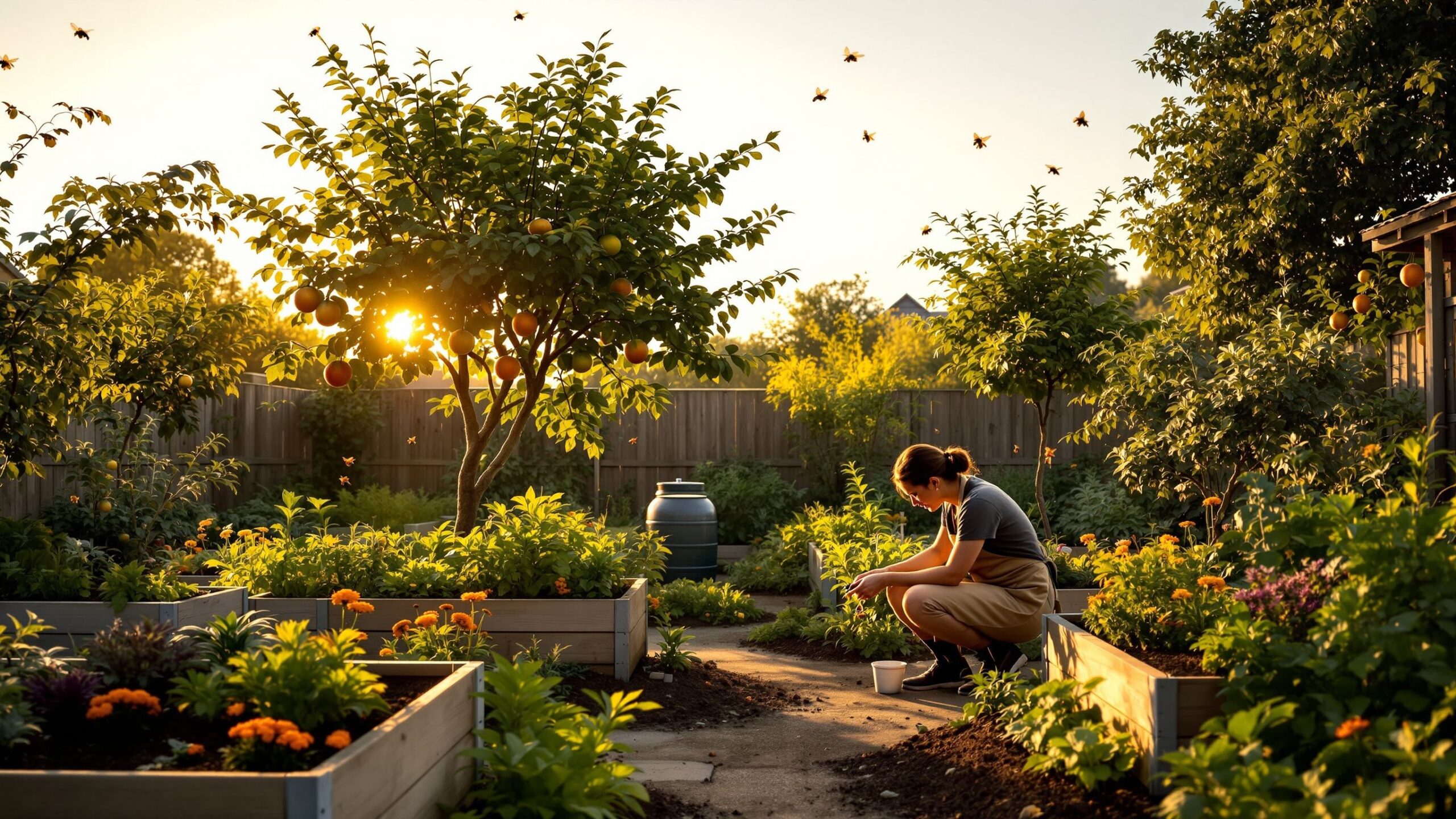
Starting a permaculture journey is exciting, inspiring, and full of possibility, but like any new endeavor, it comes with a learning curve. Many beginners dive in with enthusiasm only to feel overwhelmed when things don’t go as planned. The beauty of permaculture, however, is that mistakes are not failures—they are feedback. Every misstep offers valuable insight into how natural systems work and how we can better align with them. By understanding common beginner mistakes, you can save time, reduce frustration, and build a garden that truly thrives over the long term.
A: Starting too large without understanding the space first.
A: Add compost, mulch, and organic matter over time.
A: Minimal disturbance is usually better to protect soil life.
A: They may not match your climate, soil, or sunlight conditions.
A: Yes, permaculture encourages gradual improvements and adjustments.
A: Increase diversity and encourage beneficial insects.
A: Yes, but it takes time to reach that stage.
A: Replace them with species better suited to your environment.
A: Use mulch and observe soil moisture before watering.
A: Yes, mistakes are part of learning and improving your system.
Skipping the Observation Phase
One of the most common mistakes beginners make is rushing into planting without taking the time to observe their environment. Permaculture is built on understanding natural patterns, and skipping this step often leads to poor plant placement, inefficient water use, and unnecessary maintenance. Sunlight, wind, soil conditions, and water flow all play a critical role in determining what will grow successfully. Without this knowledge, even the best intentions can fall short. Taking time to observe your space over days, weeks, or even seasons allows you to design a garden that works with nature instead of constantly fighting against it.
Trying to Do Too Much Too Quickly
It’s easy to get excited and attempt to transform an entire yard at once, but this approach often leads to burnout and inconsistent results. Permaculture thrives on small, manageable steps that can be refined over time. When beginners take on too much, they may struggle to maintain what they’ve started, leading to neglected areas and wasted effort. Starting small allows you to focus your energy, learn from experience, and build confidence. As your skills grow, your garden can expand naturally in a way that remains sustainable and enjoyable.
Ignoring Soil Health
Healthy soil is the foundation of a successful permaculture garden, yet it is often overlooked by beginners eager to plant right away. Without fertile, living soil, plants will struggle to grow and require more intervention. Relying on synthetic fertilizers may provide short-term results, but it does not build long-term resilience. Instead, permaculture focuses on composting, mulching, and nurturing the soil ecosystem. Investing time in soil health creates a strong foundation that supports everything else in your garden, making it more productive and self-sustaining.
Planting Without a Plan
Another common mistake is planting without a clear design or strategy. Random placement of plants can lead to overcrowding, competition for resources, and inefficient use of space. Permaculture design is intentional, considering how each plant interacts with others and with the environment. Without a plan, you may miss opportunities to create beneficial relationships between plants or to optimize your garden layout. Taking the time to design your space ensures that every element serves a purpose and contributes to the overall system.
Overlooking Water Management
Water is one of the most important resources in any garden, yet it is often taken for granted. Beginners may rely heavily on irrigation without considering how to capture and conserve water naturally. Poor water management can lead to dry soil, wasted resources, and increased maintenance. Permaculture encourages designing systems that work with natural water flow, such as directing rainwater into garden beds or using mulch to retain moisture. By understanding and managing water effectively, you create a garden that remains healthy even during challenging conditions.
Choosing the Wrong Plants
Selecting plants that are not suited to your climate or soil conditions can lead to frustration and poor results. Beginners sometimes choose plants based on appearance or popularity rather than compatibility with their environment. Permaculture emphasizes using native or well-adapted species that can thrive with minimal intervention. Choosing the right plants reduces the need for additional resources and increases the likelihood of success. It also supports local ecosystems and biodiversity.
Neglecting Diversity
Monoculture, or growing a single type of plant, is common in conventional gardening but goes against permaculture principles. Lack of diversity makes gardens more vulnerable to pests, diseases, and environmental changes. Beginners who focus on a limited range of plants may find their gardens struggling to maintain balance. Incorporating a variety of plants creates a more resilient ecosystem where different species support one another. Diversity enhances productivity and reduces the need for external inputs.
Fighting Nature Instead of Working With It
One of the biggest mindset shifts in permaculture is learning to work with nature rather than trying to control it. Beginners often attempt to eliminate all weeds, insects, or unexpected growth, viewing them as problems. In reality, many of these elements play important roles in the ecosystem. Weeds can indicate soil conditions, and insects can help maintain balance. By observing and understanding these natural processes, you can make informed decisions that support your garden rather than disrupt it.
Overcomplicating the Design
Permaculture design can be as simple or complex as you make it, but beginners sometimes feel the need to include every possible element at once. This can lead to confusion and difficulty in managing the system. A successful permaculture garden does not need to be complicated—it needs to be thoughtful and functional. Starting with simple designs and adding complexity over time allows you to maintain control and ensure that each element serves a purpose.
Forgetting About Maintenance
While permaculture aims to reduce maintenance, it does not eliminate it entirely. Beginners may assume that once a garden is established, it will take care of itself completely. In reality, ongoing observation and light management are still necessary. Plants need to be monitored, soil may need to be replenished, and adjustments may be required as the system evolves. Understanding that maintenance is part of the process helps set realistic expectations and ensures long-term success.
Not Learning From Mistakes
Permaculture is a process of continuous learning, and mistakes are an essential part of that journey. Beginners who become discouraged by setbacks may miss valuable opportunities to improve. Every challenge provides insight into how your system functions and how it can be refined. Embracing mistakes as learning experiences allows you to grow alongside your garden and develop a deeper understanding of permaculture principles.
Ignoring the Importance of Placement
Placement is a key concept in permaculture, yet it is often underestimated by beginners. Where you position plants, pathways, and structures can greatly impact efficiency and productivity. Placing frequently used elements far from your home can make maintenance inconvenient, while poor plant placement can lead to competition or inadequate growing conditions. Thoughtful placement ensures that your garden is both functional and enjoyable to use.
Relying Too Much on External Inputs
One of the goals of permaculture is to create systems that are self-sustaining, but beginners may still rely heavily on external inputs such as fertilizers, pesticides, or constant watering. This approach can undermine the long-term sustainability of the system. By focusing on building natural processes, such as healthy soil and balanced ecosystems, you reduce the need for outside resources. Over time, your garden becomes more independent and resilient.
Expecting Immediate Results
Permaculture is a long-term approach, and expecting instant results can lead to disappointment. Unlike conventional gardening methods that may produce quick yields, permaculture systems take time to establish and mature. Soil needs to improve, plants need to grow, and ecosystems need to develop. Patience is essential, as the rewards of permaculture often increase over time. Understanding this helps set realistic expectations and encourages persistence.
The Importance of Patience and Persistence
Patience and persistence are key to overcoming beginner mistakes and achieving success in permaculture. Building a sustainable system takes time, observation, and ongoing effort. By staying committed and learning from your experiences, you can create a garden that becomes more productive and resilient with each passing season. The journey itself is as rewarding as the results, offering opportunities for growth, creativity, and connection with nature.
Final Thoughts on Beginner Permaculture Mistakes
Avoiding common beginner mistakes in permaculture can make the process more enjoyable and successful. By focusing on observation, thoughtful design, soil health, and working with natural systems, you can create a garden that thrives over time. Mistakes are not setbacks but valuable lessons that guide you toward better practices. With patience, curiosity, and a willingness to learn, you can build a permaculture garden that is both sustainable and deeply rewarding.
Garden Product Reviews
Step into Mossy Streets’ Garden Product Reviews — your go-to guide for the best tools, gear, gifts, books, and garden gadgets rooted in nature. From blooming backyard beauties to lush indoor jungles, from heirloom seeds to high-tech composters, we dig into top-rated products for green thumbs, beginners, educators, and plant lovers alike. Whether you’re planting, pruning, decorating, or simply enjoying your green space, we’ve unearthed the best so you can grow, bloom, and thrive — all in one vibrant place!