

Wildlife Habitat Gardening: A Beginner’s Complete Guide
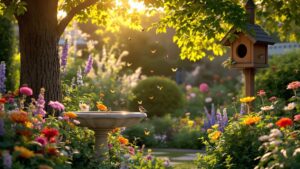
Wildlife habitat gardening transforms your yard into a thriving sanctuary for birds, butterflies, pollinators, and beneficial insects. This beginner’s guide explores how to design a garden that supports biodiversity through native plants, water sources, shelter, and natural food systems. Discover how even small gardens can help restore local ecosystems while creating a vibrant, living landscape filled with wildlife.

How to Turn Your Garden into a Wildlife Habitat
Transform your outdoor space into a vibrant wildlife habitat by designing with nature, planting native species, and creating food, water, and shelter for animals year-round.

Best Plants for Wildlife-Friendly Gardens
Explore the best plants to create a thriving wildlife-friendly garden filled with pollinators, birds, and natural beauty using native, nutrient-rich, and seasonal plant choices.

How to Attract Birds to Your Garden Naturally
Discover natural ways to attract birds to your garden by providing food, water, shelter, and native plants that support a vibrant and balanced ecosystem.

How to Create a Pollinator Garden at Home
Build a thriving pollinator garden by choosing nectar-rich plants, designing with nature, and creating a safe, chemical-free habitat for bees and butterflies.