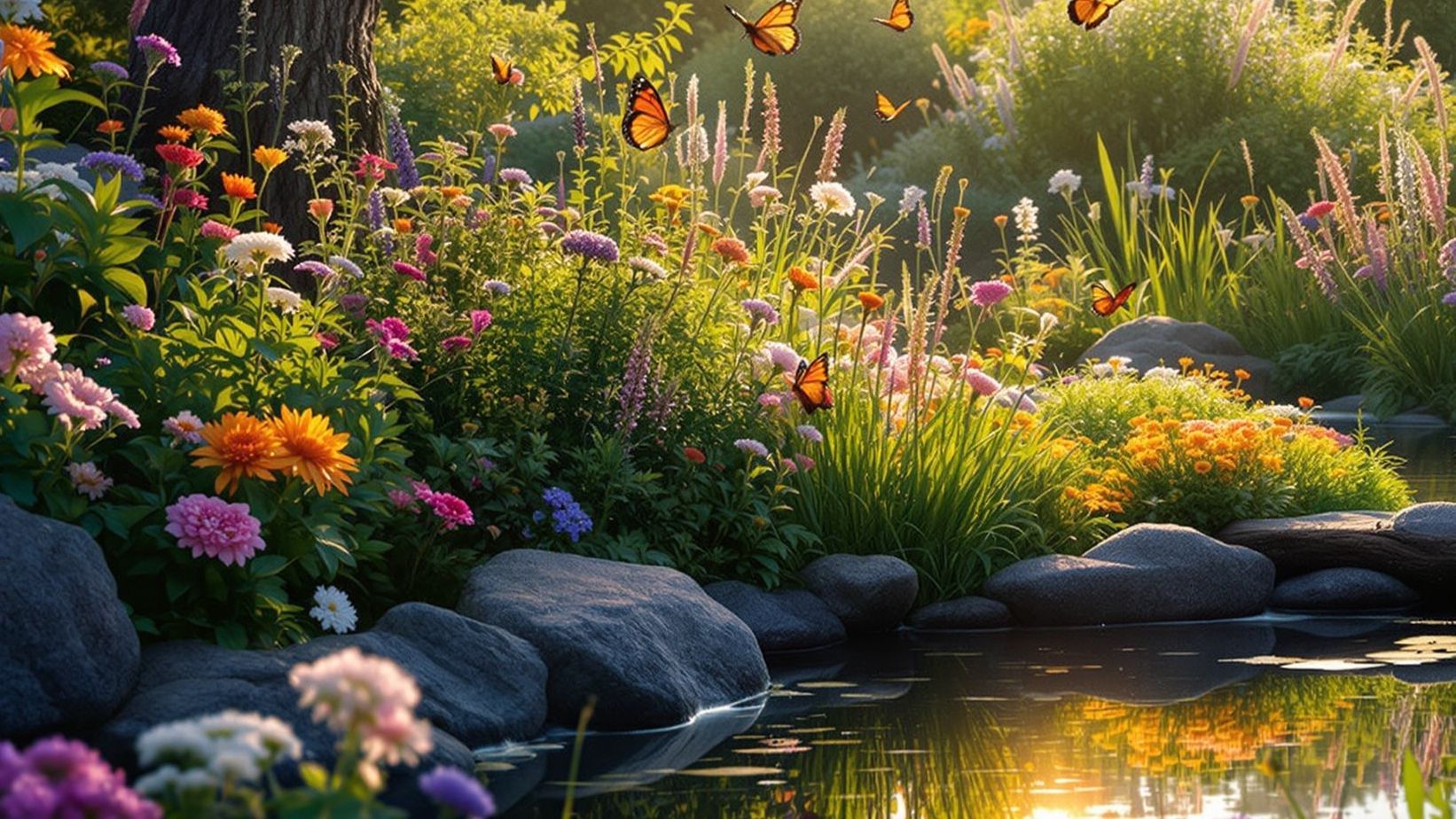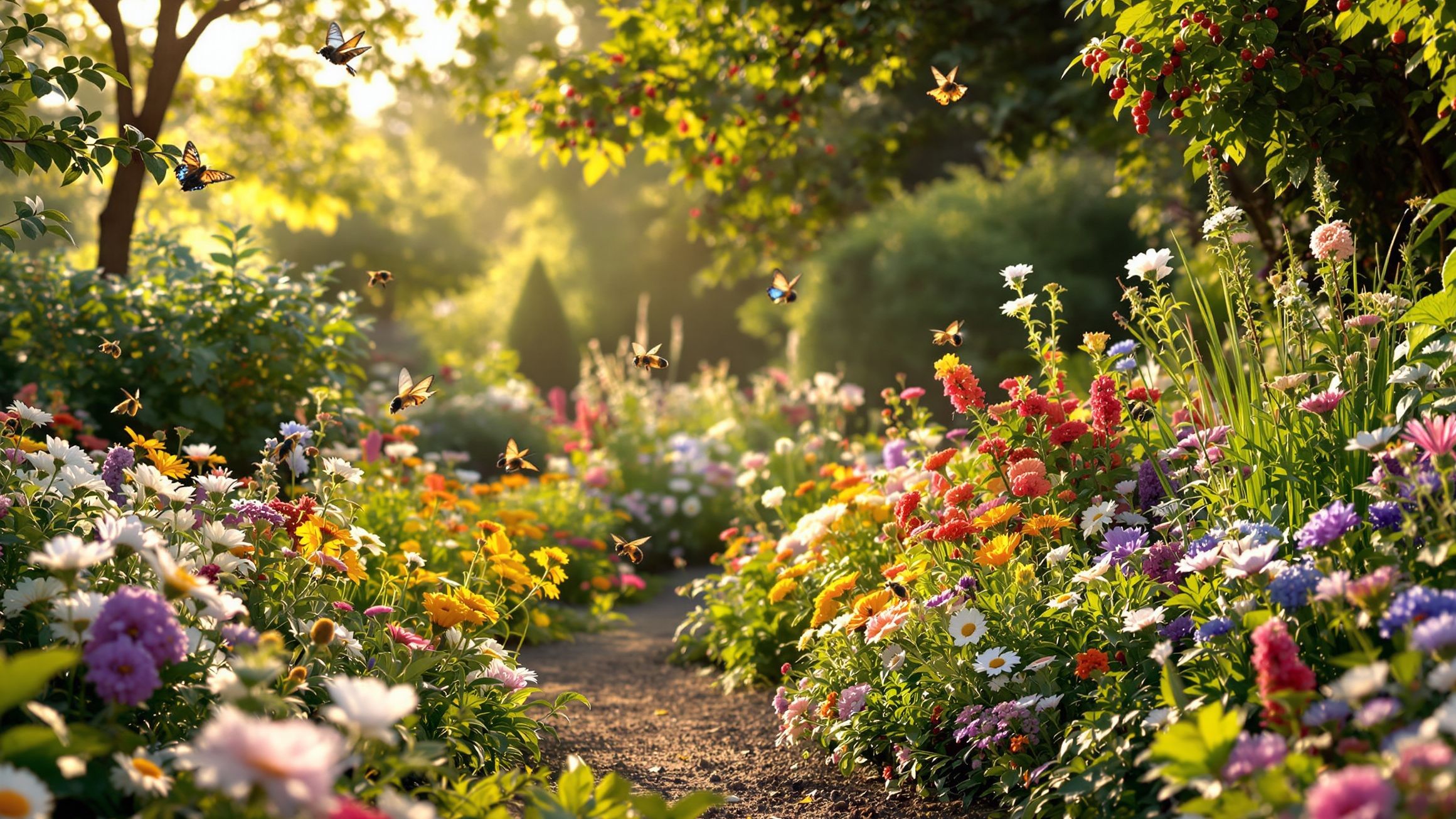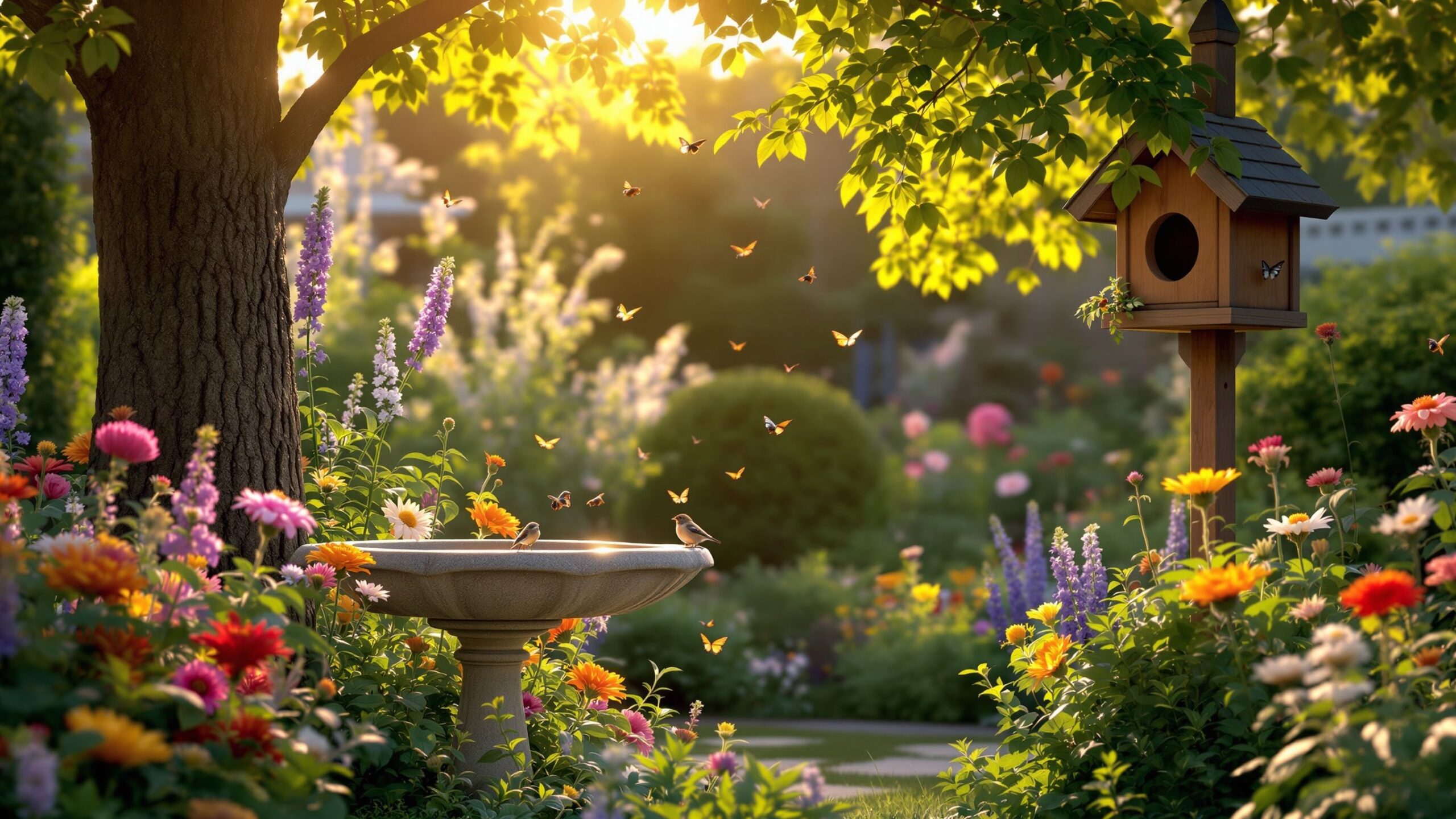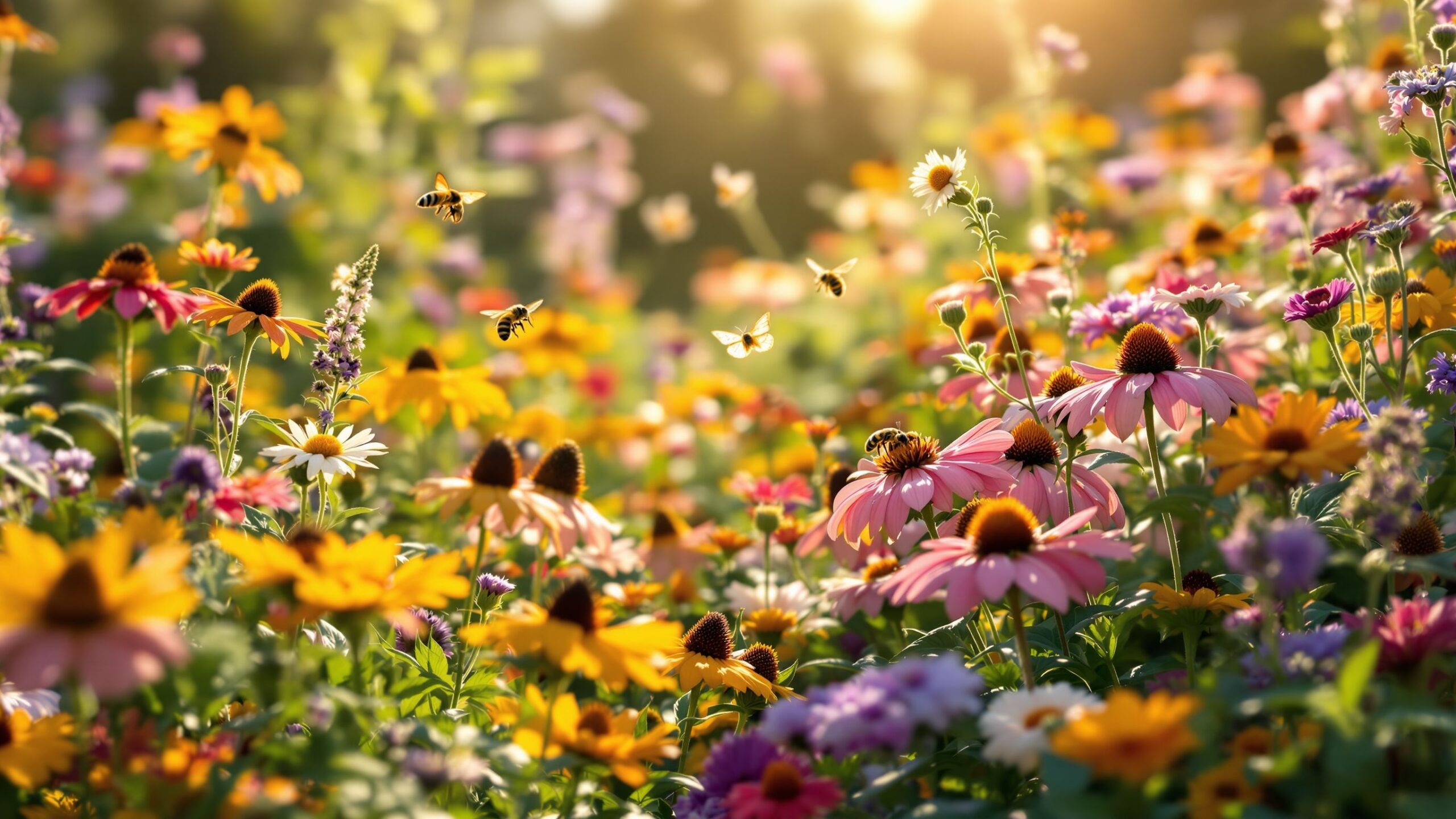
Creating a pollinator garden at home is one of the most impactful and rewarding ways to support the natural world while transforming your outdoor space into something vibrant and alive. A pollinator garden is designed specifically to attract and sustain bees, butterflies, hummingbirds, and other beneficial insects that play a crucial role in plant reproduction and food production. These gardens are not only beautiful but also essential, as pollinator populations continue to face challenges from habitat loss, pesticides, and climate change. By intentionally designing your garden to meet their needs, you create a thriving ecosystem that benefits both wildlife and your own environment.
A: A garden designed to provide food, water, and habitat for pollinating species.
A: Native flowers, herbs, and shrubs that produce nectar and pollen.
A: No, even small gardens and containers can support pollinators.
A: Plant nectar flowers and include host plants for caterpillars.
A: Provide diverse flowers, avoid chemicals, and include nesting spots.
A: Yes, shallow water sources help pollinators stay hydrated.
A: Use natural compost instead of chemical fertilizers.
A: Leave stems and debris for overwintering pollinators.
A: Some may appear quickly, but diversity increases over time.
A: Yes, it’s a great educational and hands-on activity.
Understanding the Role of Pollinators
Pollinators are responsible for transferring pollen from one flower to another, enabling plants to produce fruits, seeds, and new growth. Without them, many plants would struggle to reproduce, leading to a decline in biodiversity and food availability. Bees are among the most efficient pollinators, while butterflies and hummingbirds contribute by moving between flowers in search of nectar. Each species has unique preferences and behaviors, which means a successful pollinator garden must cater to a variety of needs. By supporting these creatures, you are strengthening the entire ecosystem and helping maintain the delicate balance of nature.
Choosing the Right Location for Your Garden
The location of your pollinator garden plays a significant role in its success. Most pollinators are attracted to sunny areas, as warmth helps them remain active and efficient. Selecting a spot that receives ample sunlight throughout the day ensures that your plants will thrive and produce the nectar and pollen needed to attract visitors. Shelter from strong winds is also important, as it allows pollinators to move easily between plants. A well-chosen location sets the foundation for a garden that is both inviting and productive.
Selecting Native and Nectar-Rich Plants
The heart of a pollinator garden lies in its plant selection. Native plants are the best choice because they are adapted to local conditions and have established relationships with native pollinators. These plants produce the nectar and pollen that pollinators depend on, making them far more effective than many ornamental varieties. Choosing a variety of plants with different colors, shapes, and bloom times ensures that there is always something available for pollinators throughout the growing season. Flowers with open shapes make it easier for insects to access nectar, while clusters of blooms allow them to feed efficiently.
Designing for Continuous Bloom
A successful pollinator garden provides resources from early spring through late autumn. This means selecting plants that bloom at different times, creating a continuous cycle of nourishment. Early blooms are especially important for pollinators emerging from winter, while late-season flowers help sustain them as temperatures drop. By planning for a sequence of blooms, you ensure that your garden remains active and supportive throughout the year. This continuous availability of food is key to attracting and retaining a diverse population of pollinators.
Creating a Diverse and Layered Habitat
Diversity is essential in a pollinator garden, as it supports a wide range of species with different preferences. Incorporating plants of varying heights and structures creates a layered environment that mimics natural ecosystems. Ground covers, flowering plants, shrubs, and even small trees can all play a role in providing habitat and resources. This layered approach not only enhances the visual appeal of your garden but also increases its ecological value, allowing more species to thrive within the same space.
Providing Water for Pollinators
Water is an often-overlooked element in pollinator gardens, yet it is vital for the survival of many species. Pollinators need water for hydration, and providing a safe and accessible source can make your garden even more attractive. Shallow dishes filled with water and small stones create a landing area where insects can drink without risk. Keeping the water clean and replenished ensures that it remains a reliable resource. Even a simple water feature can significantly increase the number of pollinators visiting your garden.
Avoiding Pesticides and Chemicals
One of the most important steps in creating a pollinator-friendly garden is eliminating the use of harmful chemicals. Pesticides and herbicides can be toxic to pollinators, even in small amounts, and can disrupt the delicate balance of your garden. Instead of relying on chemicals, focus on natural methods of pest control, such as encouraging beneficial insects and maintaining healthy soil. A chemical-free environment allows pollinators to forage safely and supports the overall health of your ecosystem.
Supporting Nesting and Breeding Habitats
Pollinators need more than just food; they also require safe places to nest and reproduce. Many native bees, for example, nest in the ground or in hollow stems, while butterflies lay their eggs on specific host plants. Leaving some areas of your garden undisturbed provides these essential habitats. Allowing plant stems to remain through the winter and avoiding excessive cleanup can make a significant difference in supporting pollinator life cycles. By creating spaces where pollinators can complete their life cycles, you ensure the long-term success of your garden.
Attracting Butterflies and Hummingbirds
While bees are often the primary focus of pollinator gardens, butterflies and hummingbirds add another layer of beauty and activity. Butterflies are attracted to brightly colored flowers and require host plants for their caterpillars, making plant diversity especially important. Hummingbirds prefer tubular flowers that provide easy access to nectar and are often drawn to vibrant colors. By including plants that cater to these species, you create a more dynamic and visually engaging garden that supports a wider range of pollinators.
Maintaining Your Pollinator Garden
A pollinator garden requires thoughtful maintenance to remain healthy and productive. Regular watering, pruning, and soil care help keep plants strong and capable of producing the resources pollinators need. Observing your garden allows you to see which plants are thriving and which may need adjustment. Over time, your garden will evolve as plants mature and pollinator populations grow. Maintenance becomes less about control and more about supporting the natural processes that sustain your garden.
Enjoying the Beauty and Benefits
One of the greatest rewards of a pollinator garden is the constant activity it brings. The sight of bees moving from flower to flower, butterflies drifting through the air, and hummingbirds hovering among blooms creates a sense of energy and connection to nature. Beyond its beauty, your garden plays a vital role in supporting pollinator populations and contributing to a healthier environment. This combination of visual appeal and ecological impact makes a pollinator garden a truly meaningful addition to any home.
Final Thoughts on Building a Pollinator Garden
Creating a pollinator garden at home is a powerful way to make a positive impact on the environment while enhancing your outdoor space. By choosing native plants, designing for continuous bloom, providing water, and avoiding harmful chemicals, you build a habitat that supports life in its many forms. Over time, your garden will become a vibrant ecosystem filled with movement, color, and purpose. What begins as a simple project evolves into a lasting contribution to biodiversity, proving that even small gardens can play a big role in protecting the natural world.
Garden Product Reviews
Step into Mossy Streets’ Garden Product Reviews — your go-to guide for the best tools, gear, gifts, books, and garden gadgets rooted in nature. From blooming backyard beauties to lush indoor jungles, from heirloom seeds to high-tech composters, we dig into top-rated products for green thumbs, beginners, educators, and plant lovers alike. Whether you’re planting, pruning, decorating, or simply enjoying your green space, we’ve unearthed the best so you can grow, bloom, and thrive — all in one vibrant place!