A garden can become far more than a decorative outdoor space when it is designed with life in mind. Instead of existing as a static landscape, it can transform into a living ecosystem filled with movement, sound, and seasonal change. Turning your garden into a wildlife habitat means creating a place where birds, insects, and small animals can find food, shelter, and safety, all while enhancing the natural beauty of your surroundings. This transformation does not require vast land or professional expertise; it simply requires intention, observation, and a willingness to work with nature rather than against it.
A: Food, water, shelter, nesting spaces, and safe chemical-free conditions.
A: No, even containers, patios, and small garden beds can support wildlife.
A: Native flowers, grasses, shrubs, and trees are usually the best choices.
A: Avoid them whenever possible because they can harm pollinators and beneficial insects.
A: Add native berries, seed plants, water, shrubs, and nesting areas.
A: Plant nectar flowers and host plants for caterpillars.
A: Yes, it shelters insects, improves soil, and supports the food chain.
A: Leave some stems, seed heads, and leaves to help wildlife through winter.
A: Yes, shallow water sources attract birds, bees, butterflies, and small animals.
A: It can still look beautiful with paths, borders, layered plants, and intentional design.
Understanding the Importance of Wildlife Habitats
Modern gardening trends often emphasize control, uniformity, and visual perfection, but these qualities rarely support wildlife. Perfectly trimmed lawns, chemical-treated soil, and non-native plants may look clean and polished, yet they provide little nourishment or shelter for living creatures. A wildlife habitat reverses this approach by prioritizing biodiversity and ecological balance. When you create a space that supports multiple species, you help restore natural systems that are increasingly disrupted by urban development and environmental change. Birds regulate insect populations, pollinators ensure plant reproduction, and microorganisms enrich the soil, all working together to sustain a healthy and dynamic environment.
Designing with Nature in Mind
The first step in creating a wildlife-friendly garden is to observe the natural patterns of your space. Pay attention to sunlight, shade, soil texture, and how water moves after rainfall, as these elements will shape your design decisions. Instead of forcing symmetry or rigid layouts, aim to mimic natural environments by incorporating layers of vegetation. Ground covers, flowering plants, shrubs, and trees should coexist in a way that feels organic and interconnected. This layered structure creates multiple habitats within a single garden, allowing different species to thrive simultaneously. Curved pathways, mixed plant groupings, and uneven borders add to the natural feel, encouraging wildlife to explore and settle.
Choosing Native Plants for Maximum Impact
Native plants are essential for building a successful wildlife habitat because they are naturally adapted to the local environment and have long-standing relationships with native species. These plants provide reliable sources of nectar, pollen, seeds, and shelter, making them far more beneficial than exotic varieties. By selecting plants that bloom at different times throughout the year, you ensure that food is consistently available for pollinators and other wildlife. Native grasses, wildflowers, and shrubs not only support biodiversity but also require less maintenance, as they are better suited to local weather conditions and soil types. This approach creates a sustainable garden that thrives with minimal intervention.
Providing Food Sources Year-Round
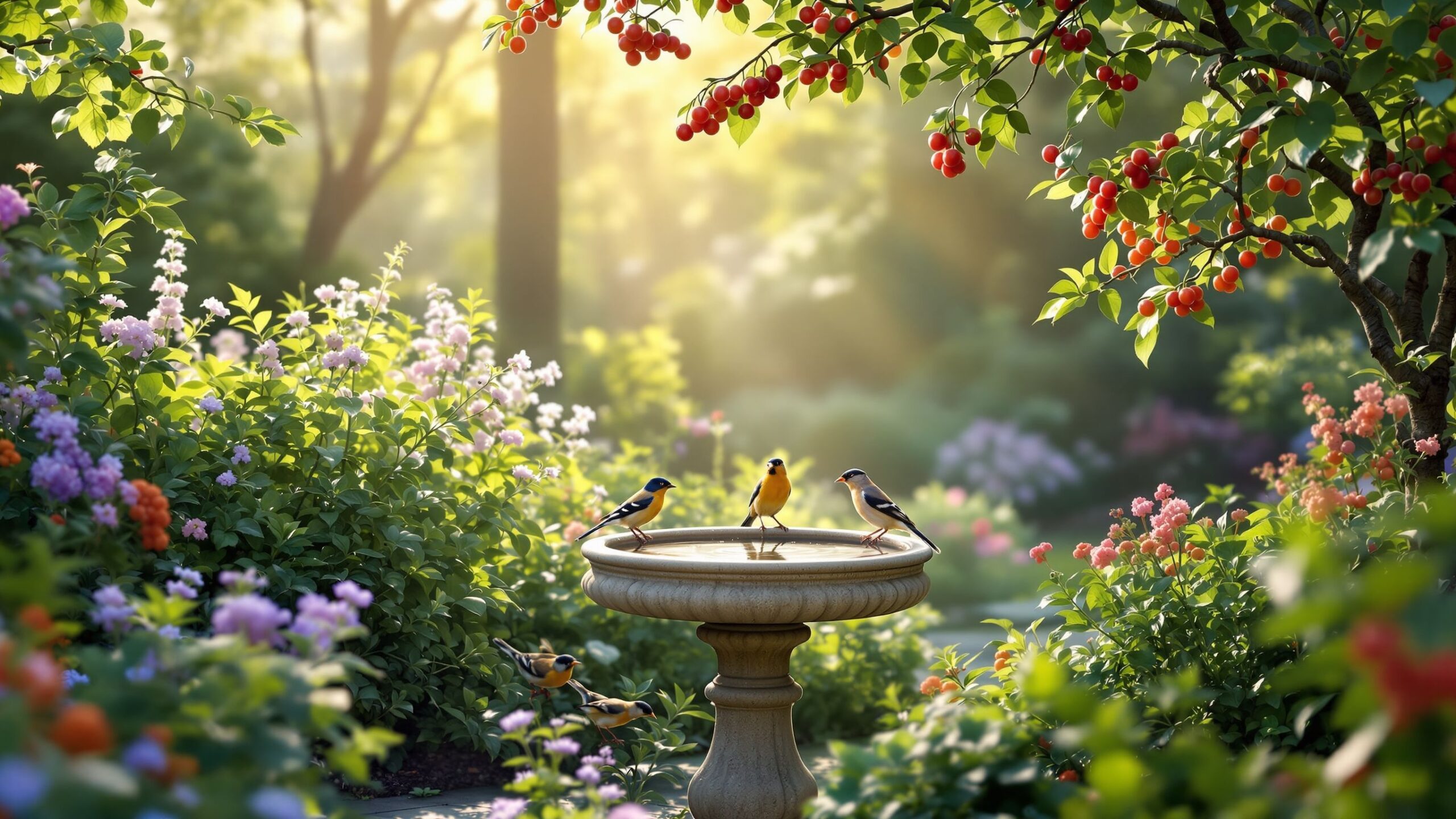
A thriving wildlife habitat must offer a steady supply of food across all seasons. Diversity is key, as different species depend on different types of nourishment. Flowering plants attract pollinators, while fruiting shrubs and trees provide essential nutrients for birds and small mammals. Allowing plants to go to seed rather than cutting them back immediately creates an additional food source, particularly during colder months when resources are scarce. Fallen leaves and organic debris may appear untidy, but they support insects and microorganisms that form the foundation of the food chain. By embracing these natural processes, your garden becomes a self-sustaining ecosystem that continuously supports life.
Creating Water Features That Attract Life
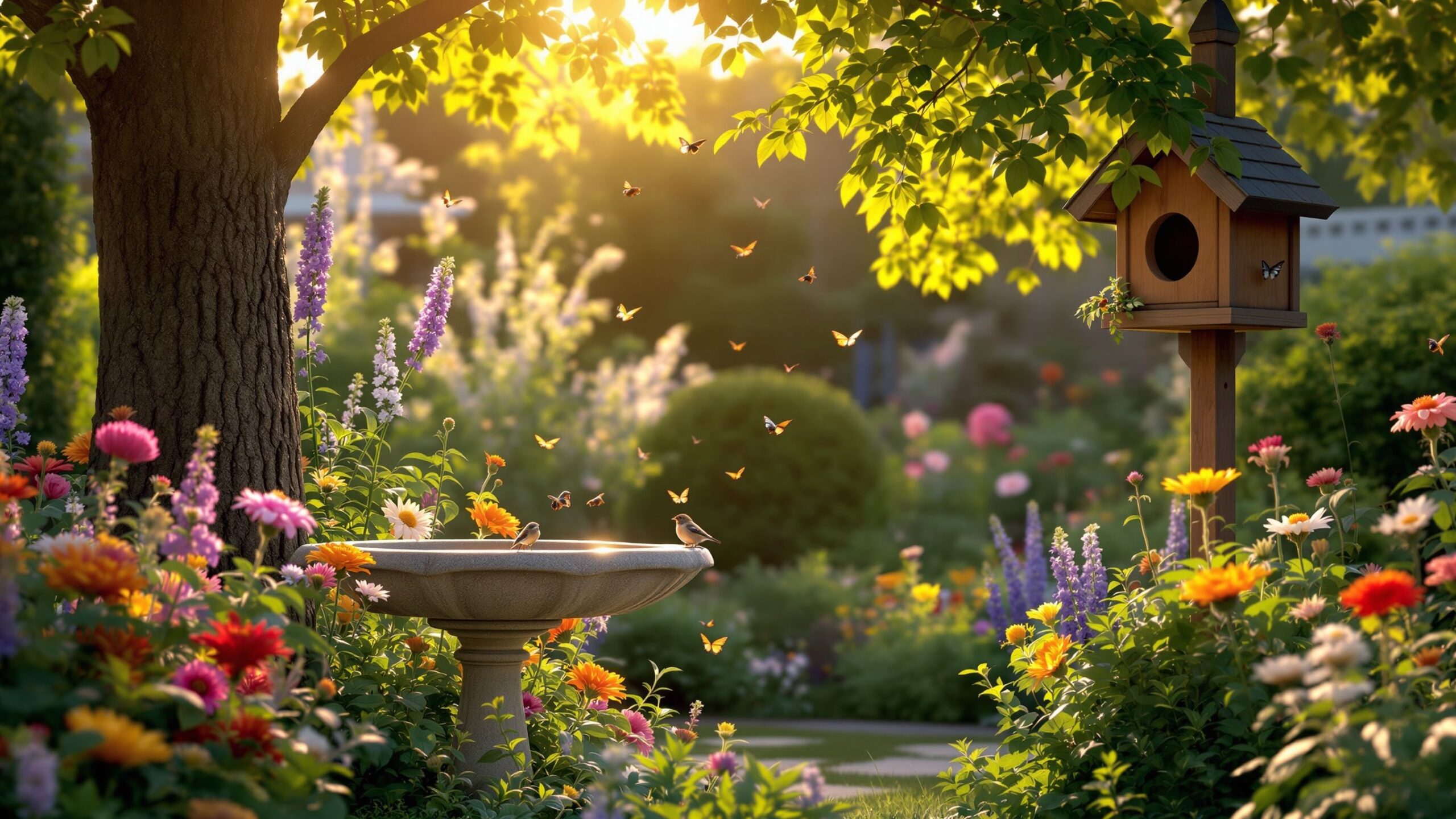
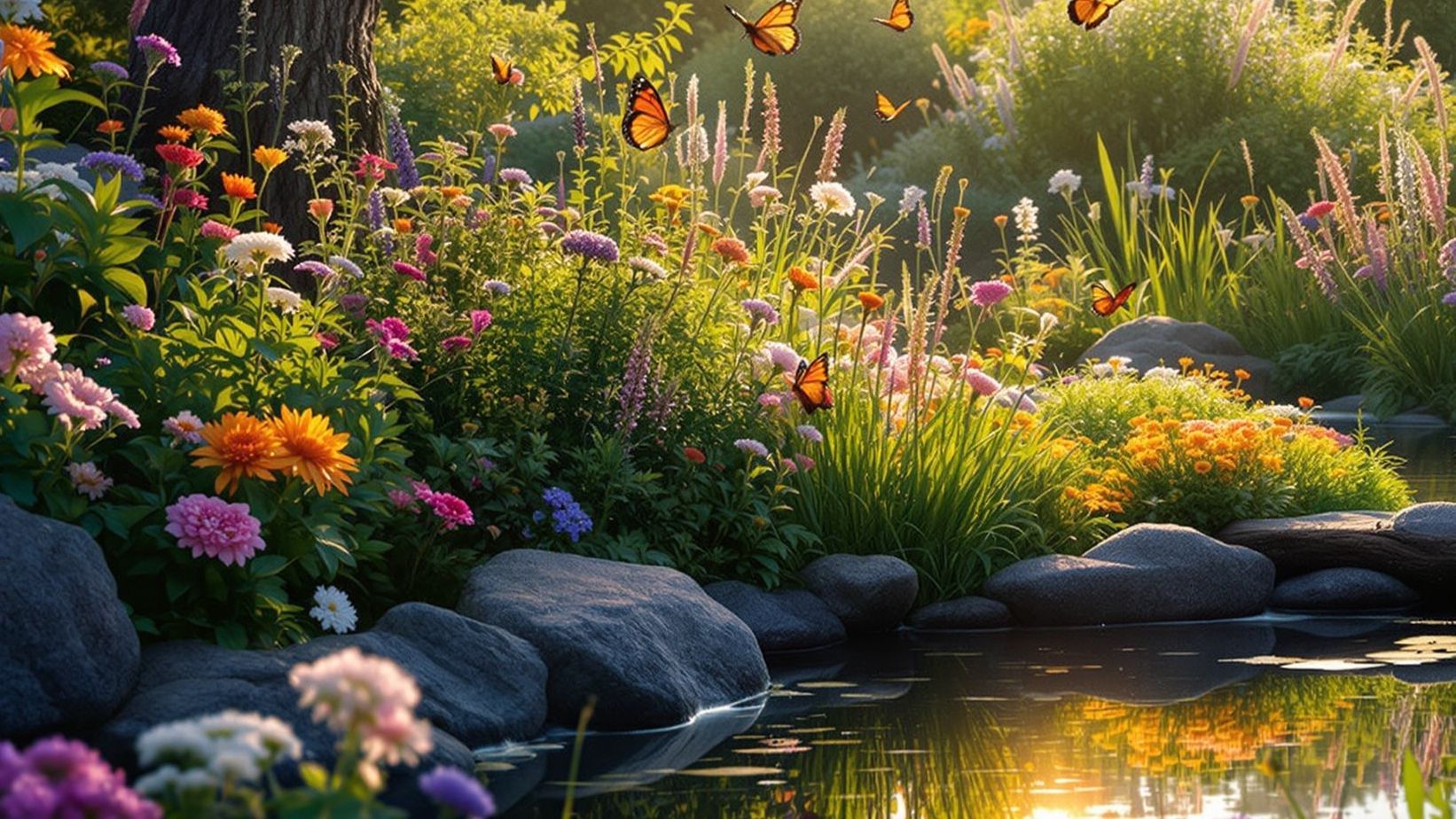
Water is one of the most powerful elements you can introduce into your garden to attract wildlife. Even a small source of water can significantly increase biodiversity by providing drinking and bathing opportunities for birds, as well as habitat for insects and amphibians. A simple birdbath placed in a safe, visible location can make an immediate impact, especially when designed with shallow edges for easy access. For a more immersive experience, a small pond or water garden can support a wider range of species, including frogs and dragonflies. The presence of moving water, such as a gentle fountain, can further enhance the appeal by preventing stagnation and signaling availability to passing wildlife.
Building Shelter and Safe Spaces
In addition to food and water, wildlife requires secure places to rest, nest, and hide from predators. Trees and dense shrubs provide natural cover, while features like log piles, rock formations, and thick ground vegetation create additional shelter for smaller creatures. Leaving certain areas of your garden undisturbed allows wildlife to establish itself without constant disruption. Birdhouses and nesting boxes can encourage birds to settle, but they should be placed thoughtfully to ensure safety from predators and harsh weather. Natural materials often provide the most effective shelter, blending seamlessly into the environment and supporting a wide range of species.
Reducing Chemicals and Embracing Natural Balance
Eliminating or reducing the use of chemical pesticides and fertilizers is crucial for maintaining a healthy wildlife habitat. These substances can harm beneficial insects, contaminate water sources, and disrupt the natural balance of your garden. Instead of relying on chemicals, focus on building a resilient ecosystem where natural predators keep pest populations in check. Birds, beneficial insects, and healthy soil all contribute to this balance, creating an environment where plants can thrive without artificial support. Accepting minor imperfections, such as small insect damage, is part of the process and a sign that your garden is functioning as a living system.
Encouraging Pollinators and Beneficial Insects
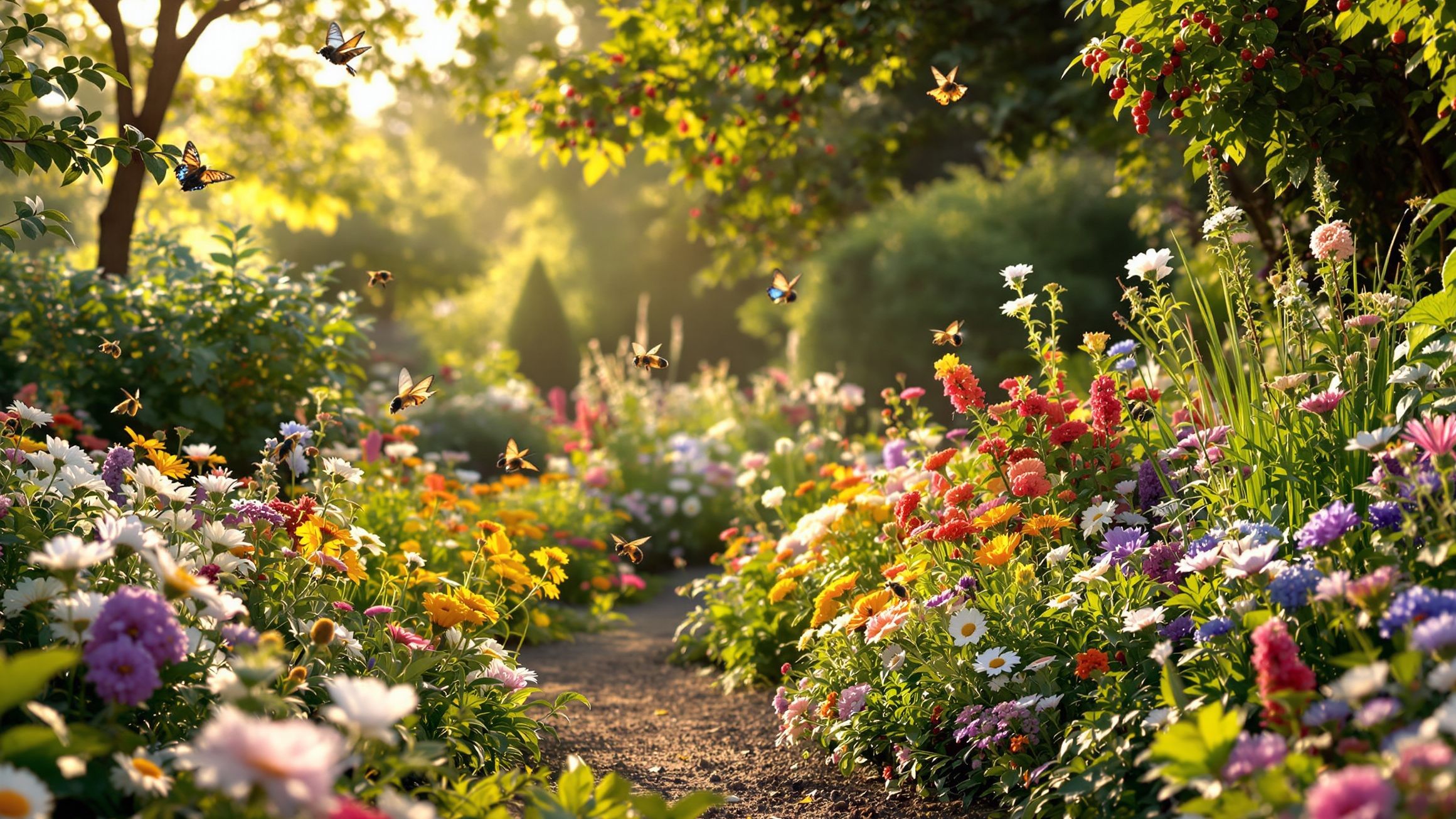
Pollinators are vital to the success of any wildlife garden, as they facilitate plant reproduction and contribute to the overall health of the ecosystem. To attract them, choose a variety of nectar-rich plants with different shapes, colors, and blooming periods. Grouping similar plants together makes it easier for pollinators to locate food, while sunny, sheltered areas provide ideal conditions for feeding and movement. Beneficial insects, such as predatory beetles and parasitic wasps, play an equally important role by controlling pest populations naturally. By creating an environment that supports these species, you reduce the need for chemical interventions and strengthen the ecological balance of your garden.
Maintaining Your Wildlife Habitat Over Time
A wildlife habitat is constantly evolving, requiring a flexible approach to maintenance that supports natural growth rather than restricting it. Seasonal care, including pruning, mulching, and soil enrichment, helps maintain plant health while preserving ecological function. Leaving certain areas untouched during key periods allows wildlife to complete life cycles without disturbance. Regular observation is essential, as it helps you understand how your garden is changing and where adjustments may be needed. Over time, you will notice new species arriving and a deeper sense of harmony developing within the space.
Making Your Garden a Sanctuary for All Seasons
A successful wildlife habitat provides resources throughout the entire year, adapting to seasonal changes while maintaining its ecological value. Evergreen plants offer shelter during winter, while dried seed heads provide food when other sources are limited. Fallen leaves act as insulation for insects and contribute to soil health as they decompose. Rather than clearing your garden completely at the end of the growing season, allow it to transition naturally, preserving essential resources for wildlife. This year-round approach ensures that your garden remains a haven for life in every season.
The Emotional and Environmental Rewards
Creating a wildlife habitat is not only an environmental contribution but also a deeply rewarding personal experience. Watching birds gather, butterflies drift through flowers, and small creatures move through hidden corners fosters a sense of connection to the natural world. This connection brings calm, inspiration, and a renewed appreciation for the rhythms of nature. At the same time, your garden becomes part of a larger effort to protect biodiversity and support ecosystems that extend far beyond your property.
Final Thoughts on Creating a Wildlife-Friendly Garden
Turning your garden into a wildlife habitat is a meaningful and achievable goal that transforms both your space and your perspective. By working with natural processes, choosing native plants, and providing essential resources, you create an environment where life can flourish in its many forms. Over time, your garden will become richer, more vibrant, and more alive, offering beauty, balance, and purpose. What begins as a simple shift in gardening approach ultimately becomes a lasting contribution to the natural world, proving that even small spaces can make a powerful difference.
Garden Product Reviews
Step into Mossy Streets’ Garden Product Reviews — your go-to guide for the best tools, gear, gifts, books, and garden gadgets rooted in nature. From blooming backyard beauties to lush indoor jungles, from heirloom seeds to high-tech composters, we dig into top-rated products for green thumbs, beginners, educators, and plant lovers alike. Whether you’re planting, pruning, decorating, or simply enjoying your green space, we’ve unearthed the best so you can grow, bloom, and thrive — all in one vibrant place!