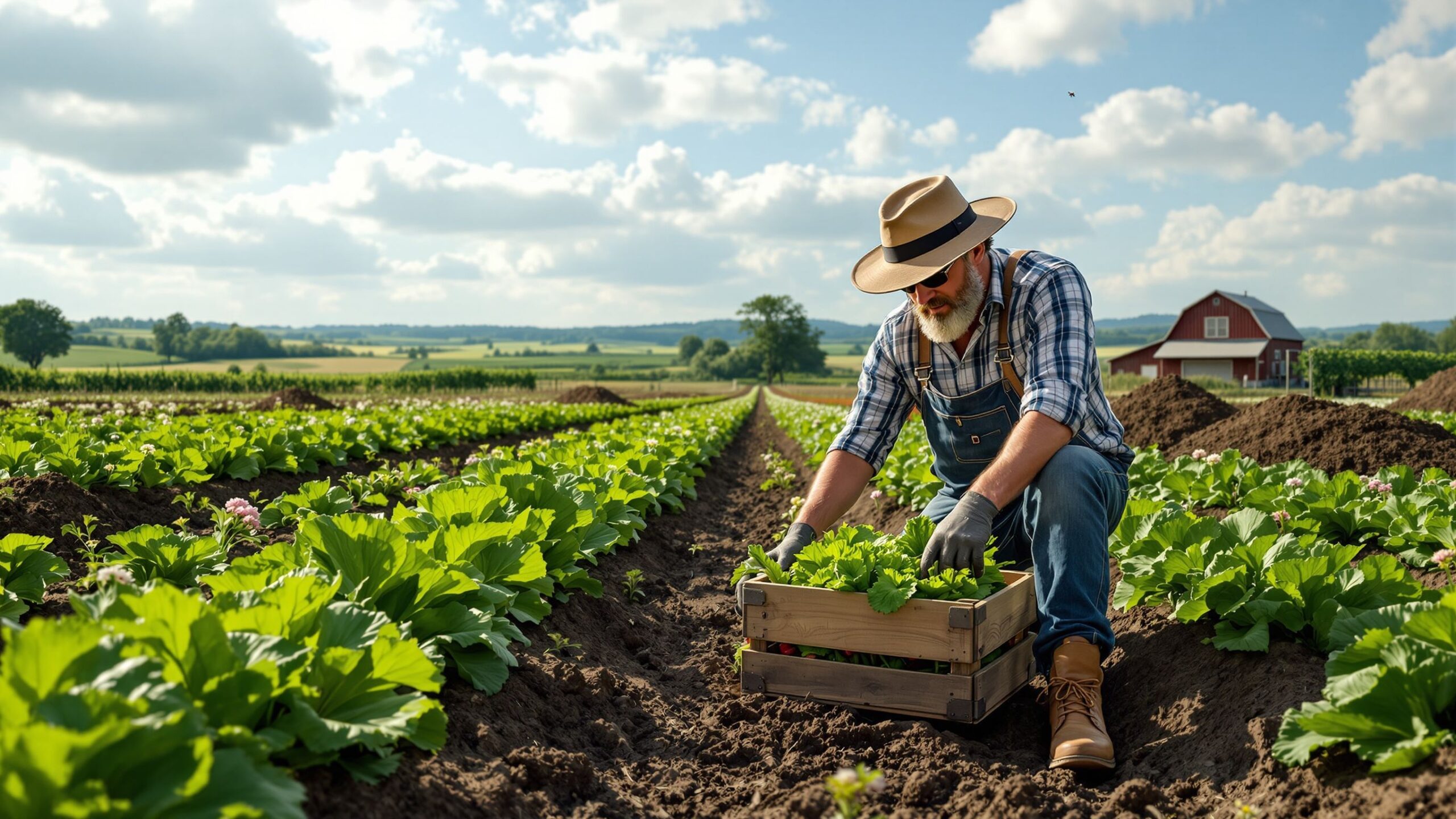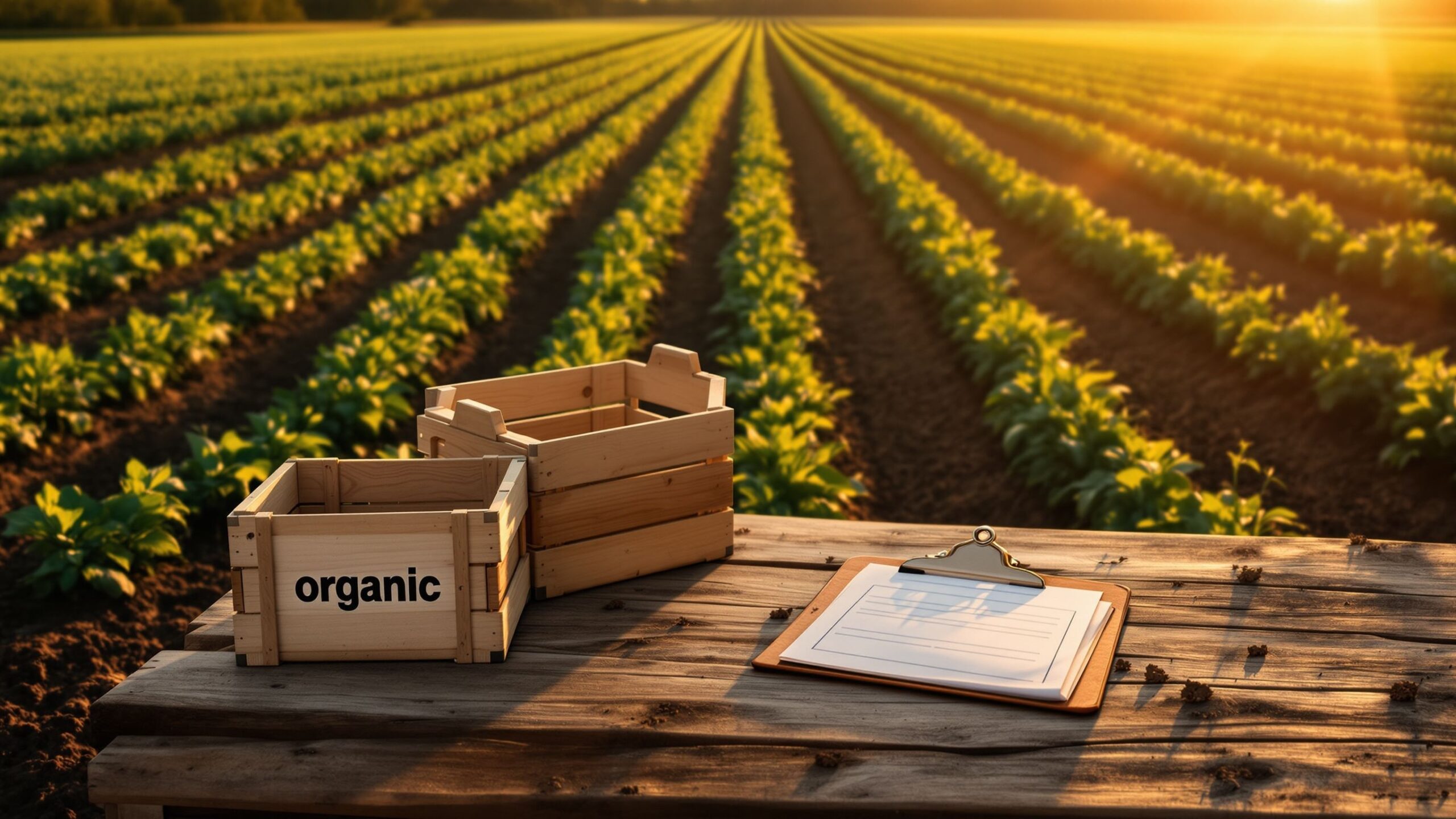
Organic certification might sound complicated, but at its core, it is simply a way to prove that food is grown and handled using natural, environmentally friendly methods. When you see the word “organic” on a product, it means that it has met strict standards designed to protect soil, water, animals, and human health. These standards are carefully regulated so consumers can trust what they are buying and farmers can demonstrate their commitment to sustainable practices. In the United States, organic certification is overseen by the USDA National Organic Program, which sets the rules for how organic food must be produced and handled. This system ensures consistency and transparency across the industry, making it easier for both growers and consumers to understand what “organic” really means.
A: It means a farm or product has been officially verified as meeting organic rules and standards.
A: Not always. Some small growers use organic methods but are not formally certified.
A: Records prove what was used, where it was used, and how products were handled.
A: No. It can also apply to livestock, dairy, processed foods, and handling operations.
A: It is a written plan explaining how the farm or business follows organic practices.
A: Yes, inspections are a normal part of earning and maintaining certification.
A: Usually no. There is often a transition period before land qualifies.
A: They help protect organic land from contamination drifting in from nearby conventional farms.
A: No. It must be renewed and maintained with ongoing compliance.
A: It gives buyers more confidence that the product truly follows recognized organic standards.
What Does “Organic” Actually Mean?
In simple terms, organic means growing and producing food without most synthetic chemicals. This includes avoiding artificial fertilizers, pesticides, herbicides, and genetically modified organisms. Instead, organic farming relies on natural processes like composting, crop rotation, and biological pest control.
For animals, organic also means they are raised in healthier, more natural conditions. They must be given organic feed, access to the outdoors, and humane treatment. The focus is on creating a system that supports the well-being of both the animals and the environment.
Organic does not mean perfect or completely chemical-free, but it does mean that only approved, carefully regulated substances can be used. The goal is to minimize harm and work with nature rather than against it.
Why Organic Certification Exists
Organic certification exists to build trust. Without it, anyone could label their products as “organic” without following real standards. Certification ensures that there is a clear and consistent definition of what organic means.
For farmers and producers, certification provides credibility. It shows customers that their products meet verified standards and are produced responsibly. For consumers, it offers peace of mind, knowing that the food they are buying aligns with certain environmental and health values.
It also helps create a fair marketplace. By holding everyone to the same standards, certification ensures that honest growers are not competing with misleading claims.
How the Certification Process Works
The process of becoming certified organic involves several steps, but it can be understood simply. First, the farmer or producer must follow organic practices for a specific period, usually three years for land used to grow crops. This ensures that any previous chemicals are no longer present.
Next, they create a detailed plan explaining how they manage their farm or operation according to organic rules. This includes how they build soil health, control pests, and handle their products. This plan is reviewed by an approved certifying agency.
An inspector then visits the farm or facility to verify that everything is being done according to the plan. They check records, observe practices, and make sure standards are being followed. If everything meets the requirements, the operation is approved and becomes certified organic.
What the Organic Label Means for Consumers
When you see an organic label, it represents a promise. It means the product has gone through a regulated process and meets specific standards. It is not just a marketing term but a verified claim backed by inspections and documentation.
For consumers, this often translates to food that is grown with fewer synthetic chemicals and more environmentally friendly practices. Many people choose organic products because they want to support sustainable agriculture, reduce exposure to certain substances, or prioritize animal welfare.
While organic products can sometimes cost more, the price reflects the additional care, time, and effort required to meet certification standards. It also supports farming methods that aim to protect natural resources for the future.
The Role of Inspections and Record-Keeping
A key part of organic certification is accountability. Farmers and producers must keep detailed records of everything they do, from planting and harvesting to storage and sales. These records are reviewed during inspections to ensure compliance.
Inspections usually happen once a year, but they can occur more often if needed. Inspectors look at the entire operation to confirm that organic standards are being followed consistently. This ongoing oversight is what makes organic certification reliable and trustworthy.
Without inspections and record-keeping, it would be difficult to maintain the integrity of the organic label. These steps ensure that the system remains transparent and credible.
Common Misunderstandings About Organic
One common misunderstanding is that organic means completely free of all chemicals. In reality, organic farming allows certain natural or approved substances, but it strictly limits synthetic ones. The focus is on reducing harm and promoting natural balance rather than eliminating every possible input.
Another misconception is that organic automatically means healthier or more nutritious. While many people believe organic food has benefits, the main purpose of certification is to ensure how food is produced, not necessarily its nutritional content.
Some also assume that small farms are automatically organic. While many small farms use organic practices, they must still go through the certification process to officially use the organic label.
Who Needs Organic Certification?
Not everyone who uses organic practices needs certification. Small producers who sell directly to consumers and earn below a certain income threshold may be exempt from certification requirements. However, they still must follow organic standards if they claim their products are organic.
For larger operations or those selling through stores and distributors, certification is required to label products as organic. This ensures consistency and trust across the marketplace.
Certification is also important for businesses that process, package, or handle organic products. Everyone involved in the supply chain must follow the same standards to maintain the integrity of the label.
Why Organic Certification Matters for the Environment
Organic certification plays a significant role in protecting the environment. By encouraging practices that build soil health, reduce chemical use, and promote biodiversity, it helps create more sustainable agricultural systems.
Healthy soil stores more carbon, retains water better, and supports a wide range of organisms. Organic farming methods also reduce pollution and protect wildlife habitats. Over time, these practices contribute to a healthier planet.
Choosing organic products supports these efforts and encourages more growers to adopt sustainable practices. It creates a positive cycle where demand drives better environmental outcomes.
The Long-Term Value of Organic Certification
Organic certification is not just about meeting standards—it is about creating long-term value. For farmers, it can open doors to new markets and increase the value of their products. For consumers, it provides confidence in the choices they make.
Over time, organic certification helps shift the food system toward more sustainable practices. It encourages innovation, supports environmental health, and builds a stronger connection between producers and consumers.
Understanding organic certification in simple terms makes it easier to see its impact. It is a system designed to promote transparency, sustainability, and trust, benefiting everyone involved from the soil to the table.
Garden Product Reviews
Step into Mossy Streets’ Garden Product Reviews — your go-to guide for the best tools, gear, gifts, books, and garden gadgets rooted in nature. From blooming backyard beauties to lush indoor jungles, from heirloom seeds to high-tech composters, we dig into top-rated products for green thumbs, beginners, educators, and plant lovers alike. Whether you’re planting, pruning, decorating, or simply enjoying your green space, we’ve unearthed the best so you can grow, bloom, and thrive — all in one vibrant place!