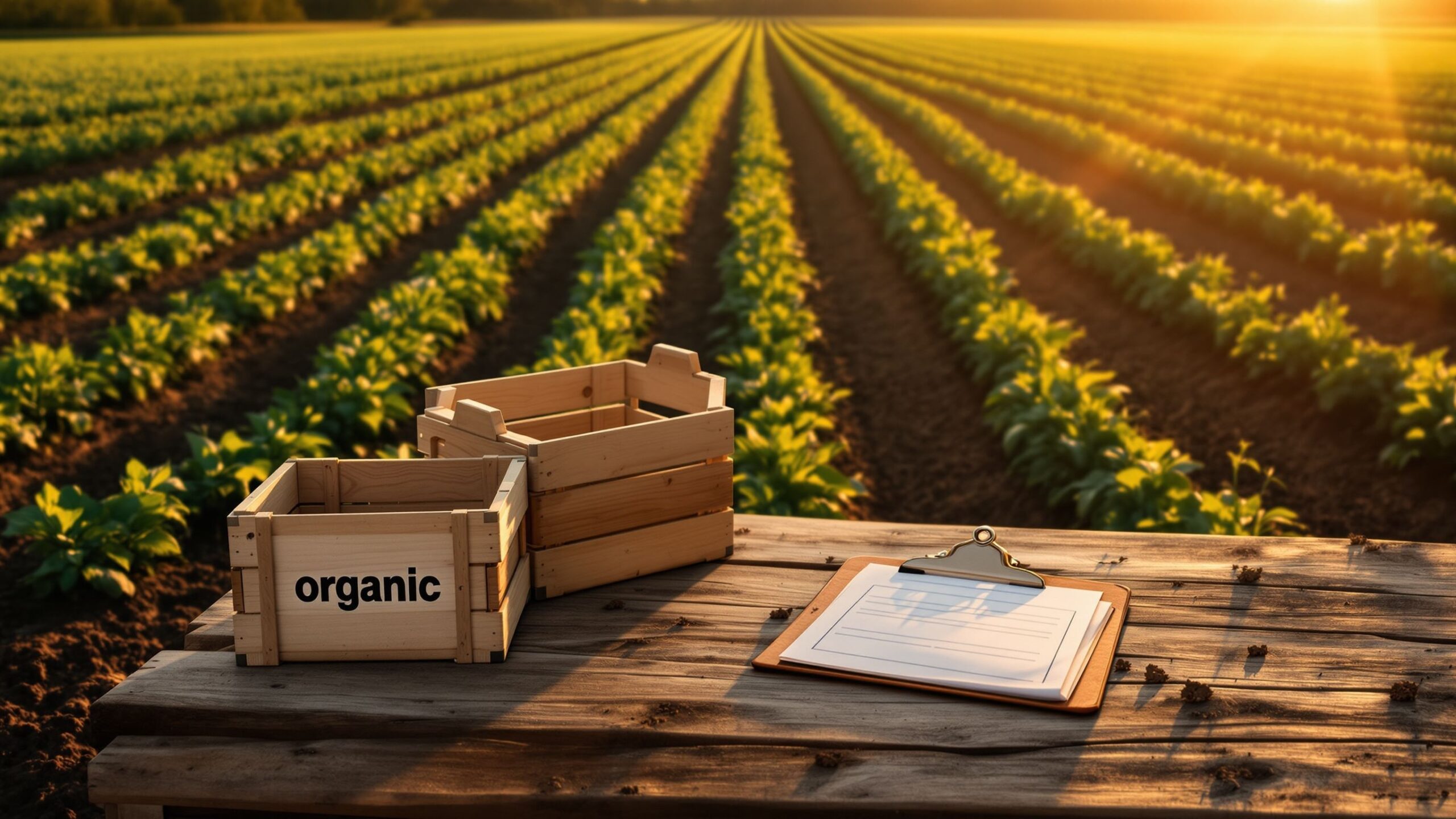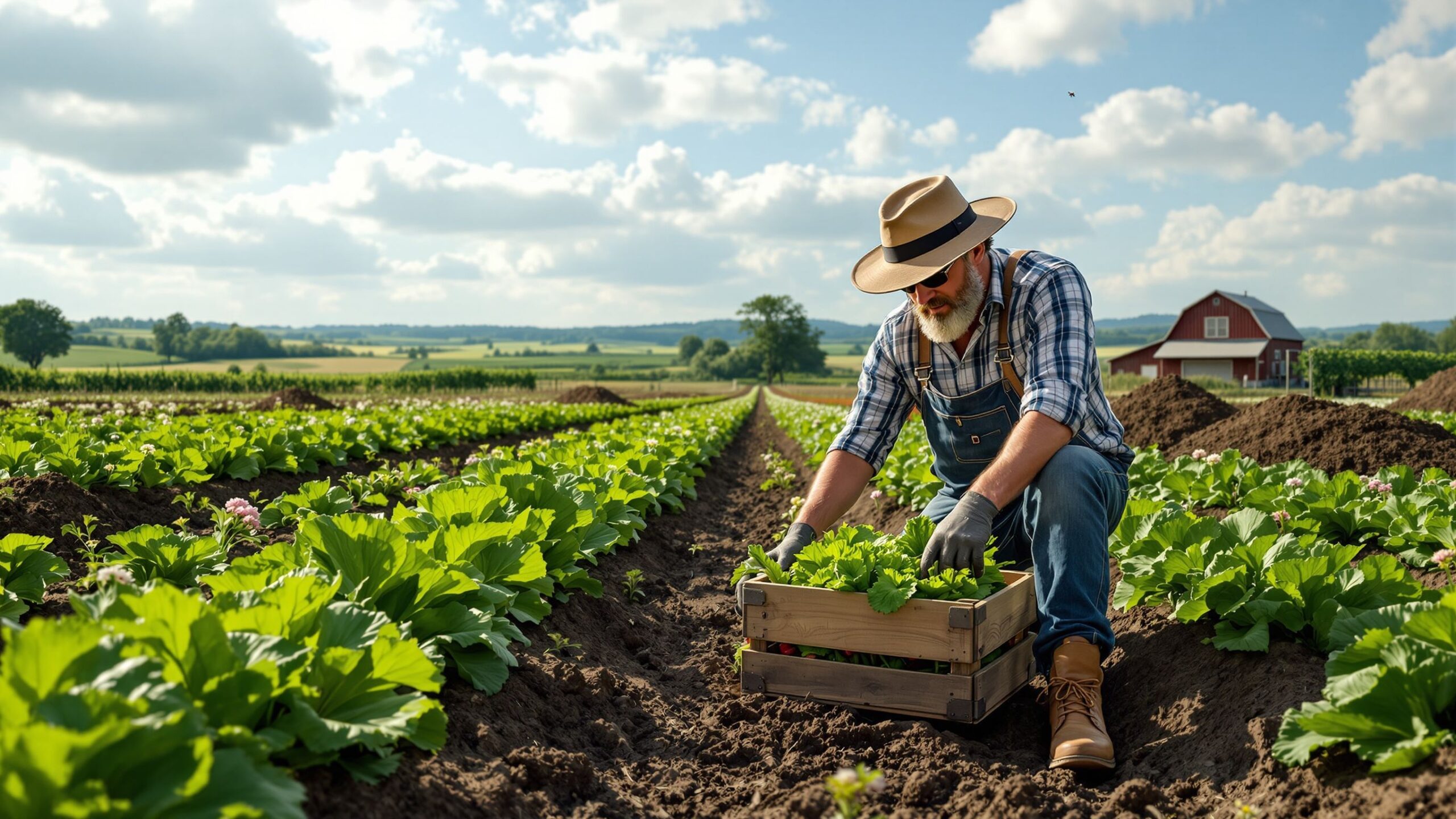
Organic food has become one of the fastest-growing sectors of agriculture worldwide. Shoppers increasingly look for organic labels when buying fruits, vegetables, dairy, and packaged foods. Many people associate organic products with healthier living, environmental responsibility, and better farming practices. But what exactly does “organic” mean, and how do farmers prove that their products meet organic standards? This is where organic certification comes into play. Organic certification is a formal process that verifies that farms, producers, and food processors follow strict guidelines designed to promote sustainable agriculture, protect ecosystems, and avoid synthetic chemicals. For beginners exploring organic gardening, farming, or food production, understanding organic certification can seem complicated at first. However, the core idea is simple: certification ensures that food labeled as organic truly follows environmentally responsible and natural farming practices. This guide explains what organic certification is, how it works, why it matters, and how farmers and producers obtain the official organic label.
A: It is an official verification process showing that food or farm products meet established organic standards.
A: No, someone can use organic methods without having official certification.
A: It gives buyers confidence that organic claims have been checked by an approved outside certifier.
A: Yes, certification usually involves inspections along with documentation and ongoing compliance.
A: No, it can also apply to livestock operations, food processors, handlers, and other parts of the supply chain.
A: Yes, many home gardeners follow organic practices even though they are not seeking formal certification.
A: Many beginners find the paperwork, input verification, and recordkeeping to be the most challenging part.
A: Organic systems generally restrict prohibited synthetics, but exact allowed and prohibited materials depend on the rules in that system.
A: It can take time because land and production systems may need a transition period before full certification.
A: No, organic programs vary by country, although many share similar principles and standards.
Understanding the Meaning of Organic
Before diving into certification, it is important to understand what “organic” actually means in agriculture.
Organic farming focuses on growing food using natural methods that support soil health, biodiversity, and ecological balance. Instead of relying on synthetic pesticides, chemical fertilizers, and genetically modified organisms (GMOs), organic agriculture relies on natural processes.
These practices include composting, crop rotation, biological pest control, natural fertilizers, and soil-building techniques that promote long-term fertility. Organic farmers aim to work with nature rather than forcing crops to grow through chemical inputs.
The goal is to create sustainable farming systems that maintain healthy soil, protect water quality, and support wildlife.
However, because the term “organic” has marketing value, strict regulations were created to ensure that the label is used honestly. Organic certification is the system that verifies these claims.
What Is Organic Certification?
Organic certification is an official verification process that confirms that agricultural products are produced according to established organic standards.
When a farm or food producer becomes certified organic, it means their practices have been reviewed and approved by an accredited certification organization. These organizations inspect farms, review production methods, and ensure compliance with organic regulations.
Certification allows producers to legally market their products as organic and display official organic labels on packaging.
In many countries, organic certification programs are overseen by government agencies. These agencies establish the rules that farmers must follow in order to qualify for certification.
The purpose of certification is to protect consumers and ensure transparency in the food system. When shoppers see an organic label, they can trust that the product meets specific environmental and production standards.
The Standards Behind Organic Certification
Organic certification is built upon a detailed set of rules that govern how food must be produced. While specific regulations vary by country, most organic standards share several common principles.
One of the most important requirements is the prohibition of synthetic pesticides and fertilizers. Organic farmers must rely on natural soil amendments such as compost, manure, and organic fertilizers to nourish their crops.
Genetically modified organisms are also prohibited in certified organic agriculture. Organic standards prioritize natural plant breeding and traditional farming practices.
Animal welfare is another key component. Livestock raised under organic certification must have access to outdoor space, organic feed, and humane living conditions.
Soil health plays a central role in organic agriculture. Farmers are required to use practices that build soil fertility, prevent erosion, and maintain ecological balance.
These rules ensure that organic farming supports both environmental sustainability and responsible food production.
The Certification Process for Farmers
Becoming certified organic is a detailed and carefully regulated process. Farmers must demonstrate that their land and production methods meet organic standards before they can receive certification.
The process typically begins with a transition period. Land used for organic farming must be free from prohibited chemicals for a certain number of years before crops grown on that land can be certified organic.
During this transition phase, farmers adopt organic practices while preparing for certification.
Once the transition period is complete, the farmer submits an application to an accredited certification agency. This application includes detailed information about farming practices, soil management, pest control strategies, and record-keeping systems.
Inspectors then visit the farm to verify that the operation follows organic standards. They review records, examine fields and facilities, and ensure that prohibited substances are not being used.
If the farm meets all requirements, certification is granted. However, certification is not permanent. Farms must undergo regular inspections to maintain their organic status.
Record Keeping and Transparency
Organic certification requires extensive documentation. Farmers must keep detailed records of their production methods, inputs, crop rotations, and harvests.
This documentation ensures transparency throughout the food production process. It also allows inspectors to trace products back to their origin and verify that organic practices are consistently followed.
Records may include seed sources, fertilizer applications, pest management strategies, and storage methods.
While the paperwork can seem overwhelming at first, it plays a critical role in maintaining consumer trust in organic products.
Organic Certification for Food Processors
Organic certification does not apply only to farms. Food processors and manufacturers must also follow organic standards if they want to label their products as organic.
For example, companies producing organic cereal, canned goods, or packaged snacks must ensure that their ingredients are certified organic. They must also follow rules that prevent contamination with non-organic ingredients.
Processing facilities must maintain strict separation between organic and conventional products. This prevents cross-contamination and ensures that organic labels remain accurate.
Like farms, food processors undergo inspections and must maintain detailed records to keep their certification.
Organic Labels and What They Mean
When consumers see organic labels on food products, those labels reflect different levels of organic content.
Products labeled “100 percent organic” contain only certified organic ingredients and processing methods.
Products labeled simply as “organic” must contain a high percentage of organic ingredients but may allow a small number of approved non-organic components.
Some products may also display statements such as “made with organic ingredients,” indicating that a portion of the ingredients meet organic standards.
These labeling systems help consumers understand how strictly organic guidelines were followed during production.
Why Organic Certification Matters
Organic certification serves several important purposes in modern agriculture.
First, it protects consumers from misleading claims. Without certification, companies could label products as organic without following proper standards.
Second, certification supports environmentally responsible farming practices. Organic agriculture often prioritizes soil conservation, water protection, and biodiversity.
Third, organic certification helps build consumer confidence. When people purchase certified organic products, they know that those products were produced under strict guidelines.
Finally, certification supports farmers who invest time and resources into sustainable agriculture. Organic labels allow these farmers to differentiate their products in the marketplace.
Challenges of Organic Certification
Although organic certification offers many benefits, it also presents challenges for farmers.
The certification process can be expensive and time-consuming. Application fees, inspections, and documentation requirements can create financial barriers for small farms.
The transition period before certification can also be difficult. Farmers must follow organic practices without being able to sell their products as organic during that time.
Despite these challenges, many farmers pursue certification because of the long-term benefits and growing demand for organic food.
Organic Certification for Home Gardeners
Most home gardeners do not need formal organic certification. However, many adopt organic gardening principles in their own backyards.
Home gardeners can follow organic practices such as composting, natural pest control, and soil-building techniques without going through the official certification process.
These practices improve soil health, protect beneficial insects, and produce food free from synthetic chemicals.
For gardeners interested in selling produce locally, certification requirements may vary depending on scale and location.
The Future of Organic Agriculture
Organic agriculture continues to grow as more consumers seek environmentally responsible food choices. Advances in soil science, regenerative farming, and ecological agriculture are shaping the future of organic production.
Many farmers are combining organic practices with regenerative techniques that restore soil health and improve ecosystem resilience.
As awareness of sustainable agriculture increases, organic certification will likely continue evolving to support new innovations while maintaining strict environmental standards.
Final Thoughts
Organic certification plays a vital role in maintaining transparency and trust within the food system. By verifying that farms and producers follow environmentally responsible practices, certification helps protect both consumers and ecosystems.
For beginners exploring organic gardening or sustainable agriculture, understanding organic certification provides valuable insight into how food is produced and regulated.
While the certification process can be complex, its purpose is simple: to ensure that organic food truly reflects the principles of natural, sustainable farming.
As more gardeners and farmers embrace organic practices, they contribute to a healthier planet, more resilient ecosystems, and a more sustainable future for agriculture.
Garden Product Reviews
Step into Mossy Streets’ Garden Product Reviews — your go-to guide for the best tools, gear, gifts, books, and garden gadgets rooted in nature. From blooming backyard beauties to lush indoor jungles, from heirloom seeds to high-tech composters, we dig into top-rated products for green thumbs, beginners, educators, and plant lovers alike. Whether you’re planting, pruning, decorating, or simply enjoying your green space, we’ve unearthed the best so you can grow, bloom, and thrive — all in one vibrant place!