Modern gardening is evolving. While traditional gardens often focused on aesthetics or crop production alone, a growing number of gardeners are embracing a new purpose: supporting wildlife. Wildlife habitat gardening transforms outdoor spaces into thriving ecosystems where plants, insects, birds, and small animals coexist in a balanced and productive environment. As urban development expands and natural habitats shrink, backyard gardens have become increasingly important refuges for wildlife. Even a small garden can provide food, shelter, and breeding grounds for pollinators, birds, and beneficial insects. These habitats not only help protect biodiversity but also create vibrant, dynamic landscapes filled with life. Wildlife habitat gardening is not about letting your yard grow wild without care. Instead, it involves thoughtful design and plant selection that mimic natural ecosystems. By incorporating native plants, water sources, nesting areas, and natural food chains, gardeners can create spaces where wildlife thrives. For beginners, the idea of building a wildlife-friendly garden might seem overwhelming, but the process can start with a few simple steps. This guide explains the essential principles behind wildlife habitat gardening and shows how anyone can create a garden that benefits both nature and people.
A: It is gardening in a way that creates food, water, shelter, and nesting opportunities for local wildlife.
A: No, even small spaces can help wildlife with native plants, water, and shelter features.
A: They usually provide the best match for local pollinators, birds, and other wildlife.
A: Yes, habitat gardens can be beautifully designed while still supporting nature.
A: Reducing or avoiding unnecessary pesticides is strongly helpful because they can harm beneficial insects and wildlife food chains.
A: A shallow birdbath, dish with stones, or small pond can all work well depending on your space.
A: Not necessarily, because many habitat gardens naturally provide seeds, berries, and insect food.
A: Not always; in many habitat gardens, some leaf litter is beneficial for shelter and soil life.
A: Depending on your region, you may attract birds, butterflies, bees, dragonflies, frogs, and other helpful creatures.
A: Yes, beginners can start simply with native plants, a water source, and a few safe shelter areas.
Why Wildlife Habitat Gardening Matters
Wildlife habitat gardening plays an important role in environmental conservation. Many species of birds, insects, and pollinators are declining due to habitat loss, pesticide use, and climate change. Gardens that provide natural resources can help offset these losses.
Pollinators such as bees, butterflies, and hummingbirds rely on flowering plants for nectar and pollen. These creatures are responsible for pollinating many crops and wild plants, making them essential to healthy ecosystems.
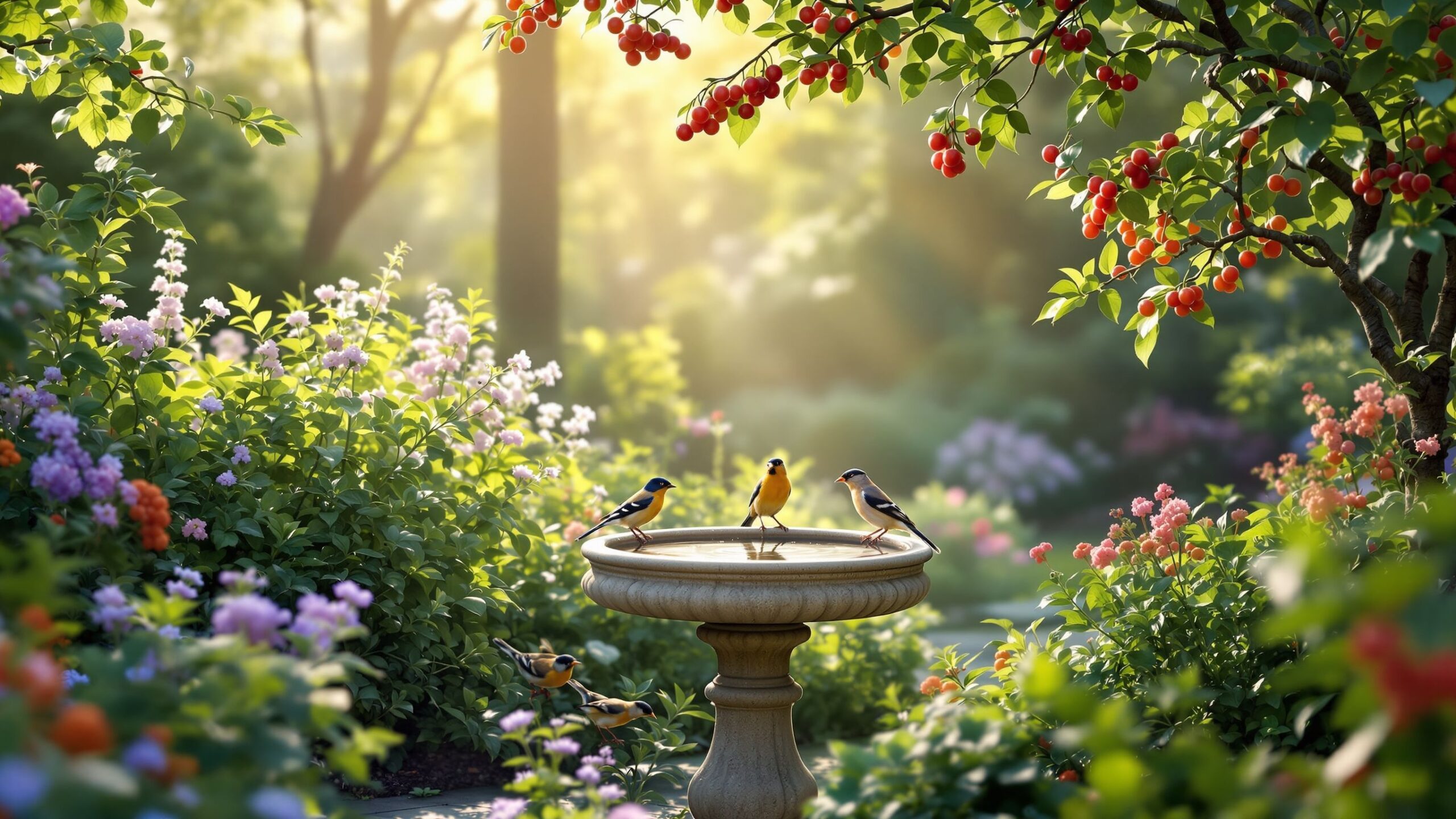
Birds also benefit greatly from wildlife gardens. Native shrubs and trees provide nesting areas, berries, and insects that serve as food sources. In turn, birds help control pest populations and spread plant seeds.
Beneficial insects such as ladybugs, lacewings, and predatory beetles naturally manage garden pests, reducing the need for chemical controls.
By supporting these creatures, wildlife habitat gardens create self-sustaining ecosystems where natural relationships keep the garden healthy.
Understanding the Four Essentials of Wildlife Habitats
Every successful wildlife habitat garden provides four essential elements: food, water, shelter, and places to raise young.
Food sources come in many forms, including nectar-producing flowers, seeds, fruits, nuts, and insects. Plant diversity ensures that wildlife has access to food throughout the seasons.
Water is another vital resource. Birds, insects, and mammals all require water for drinking and bathing. Even small water sources such as shallow dishes or birdbaths can attract a wide variety of species.
Shelter provides protection from predators and harsh weather. Dense shrubs, tall grasses, and trees offer hiding places where wildlife can rest and feel safe.
Finally, animals need places to reproduce and raise their young. Nesting boxes, thick vegetation, and natural cavities in trees all provide valuable breeding spaces.
When these four elements are present, gardens become fully functional habitats that support a wide range of wildlife.
The Power of Native Plants
Native plants form the backbone of wildlife habitat gardening. These plants evolved alongside local wildlife species and provide the most suitable food and shelter resources.
Many native plants produce nectar that supports pollinators, while their seeds and berries feed birds and small animals. Native plant leaves also host caterpillars and insects that serve as critical food sources for young birds.
Exotic ornamental plants, while often beautiful, may provide little ecological value. Some imported species do not produce the nectar or seeds needed by local wildlife.
By incorporating native trees, shrubs, grasses, and flowers, gardeners can restore important pieces of the natural ecosystem. Native plant gardens are also typically easier to maintain because the plants are adapted to local climate and soil conditions.
Designing a Garden for Wildlife
Wildlife habitat gardens benefit from thoughtful planning. Rather than planting isolated species scattered throughout the yard, gardeners can create layered habitats that mimic natural landscapes.
A layered garden typically includes ground covers, flowering perennials, shrubs, and trees. Each layer provides different types of habitat for wildlife.
Ground cover plants offer shelter for insects and small animals. Flowering plants provide nectar for pollinators. Shrubs supply berries and nesting sites, while trees offer shade, protection, and food sources.
Grouping plants in clusters rather than individual specimens helps wildlife locate food more easily. Larger plant groupings also create stronger visual impact while supporting ecological balance.
Paths, seating areas, and observation points can be integrated into wildlife gardens so people can enjoy the activity and beauty of the ecosystem.
Creating Water Sources
Water attracts wildlife more quickly than almost any other garden feature. Birds, butterflies, bees, and small mammals all rely on accessible water sources.
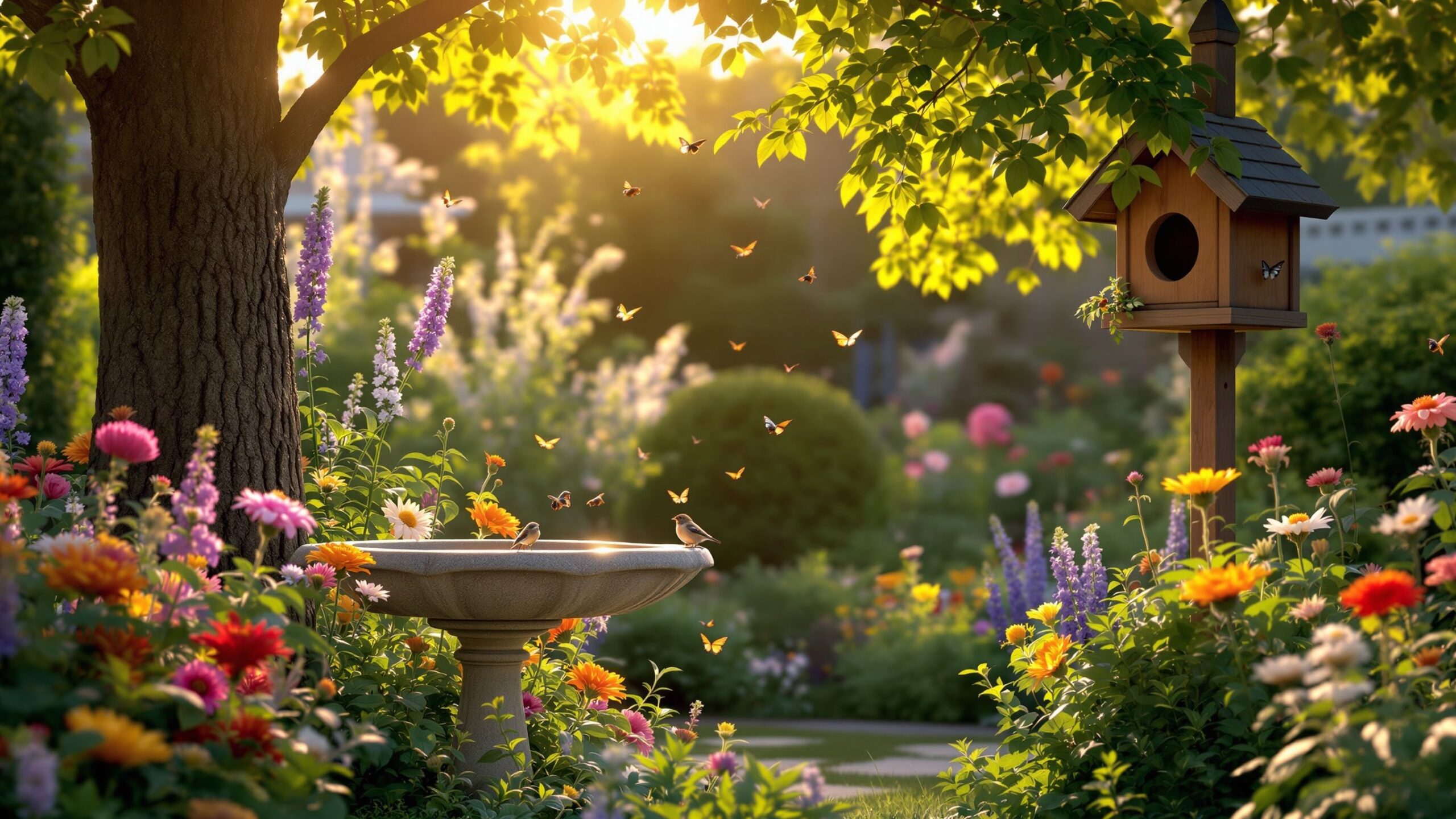
Simple birdbaths are among the easiest ways to introduce water into the garden. Shallow dishes filled with fresh water also provide drinking areas for pollinators.
Moving water, such as small fountains or bubbling features, can attract even more wildlife. The sound of water signals a reliable source of hydration for birds flying overhead.
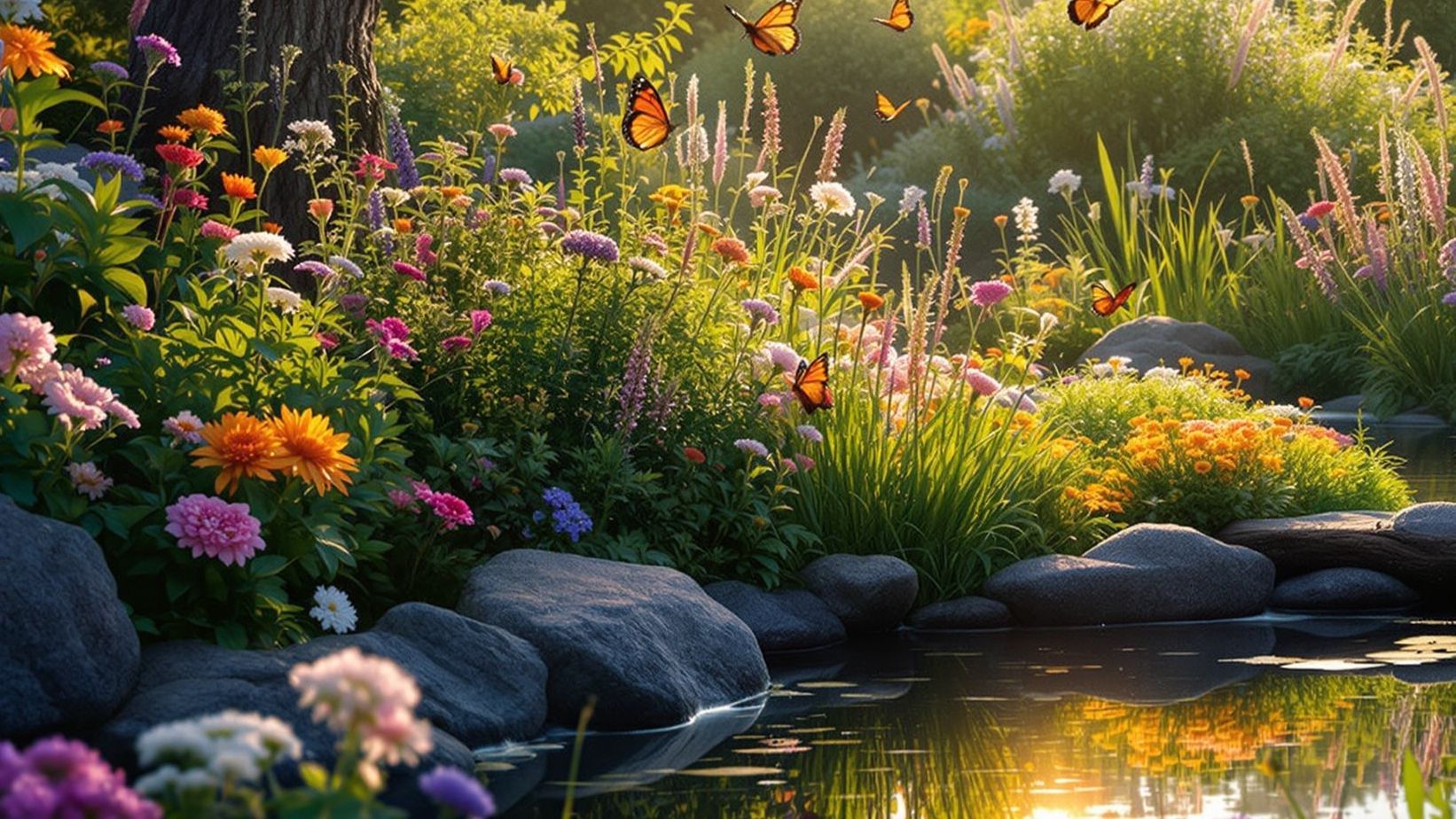
Garden ponds create larger habitat opportunities. In addition to supporting birds and insects, ponds attract frogs, dragonflies, and other aquatic species.
Maintaining clean water is important for wildlife health. Regular cleaning and fresh water replacement prevent the spread of disease.
Providing Shelter and Nesting Areas
Shelter is critical for wildlife survival. Gardens that offer dense vegetation and protected areas allow animals to rest and avoid predators.
Shrubs and hedges create safe hiding spots for birds and small mammals. Native grasses and wildflowers provide cover for insects and ground-dwelling species.
Birdhouses and nesting boxes can also support wildlife populations. Different bird species prefer different nesting styles, so providing a variety of nesting structures increases the chances of attracting multiple species.
Leaving some natural materials in the garden can also support wildlife. Fallen branches, leaf piles, and hollow logs provide habitat for insects, amphibians, and small mammals.
These natural features help create a more complete and functional ecosystem.
Supporting Pollinators
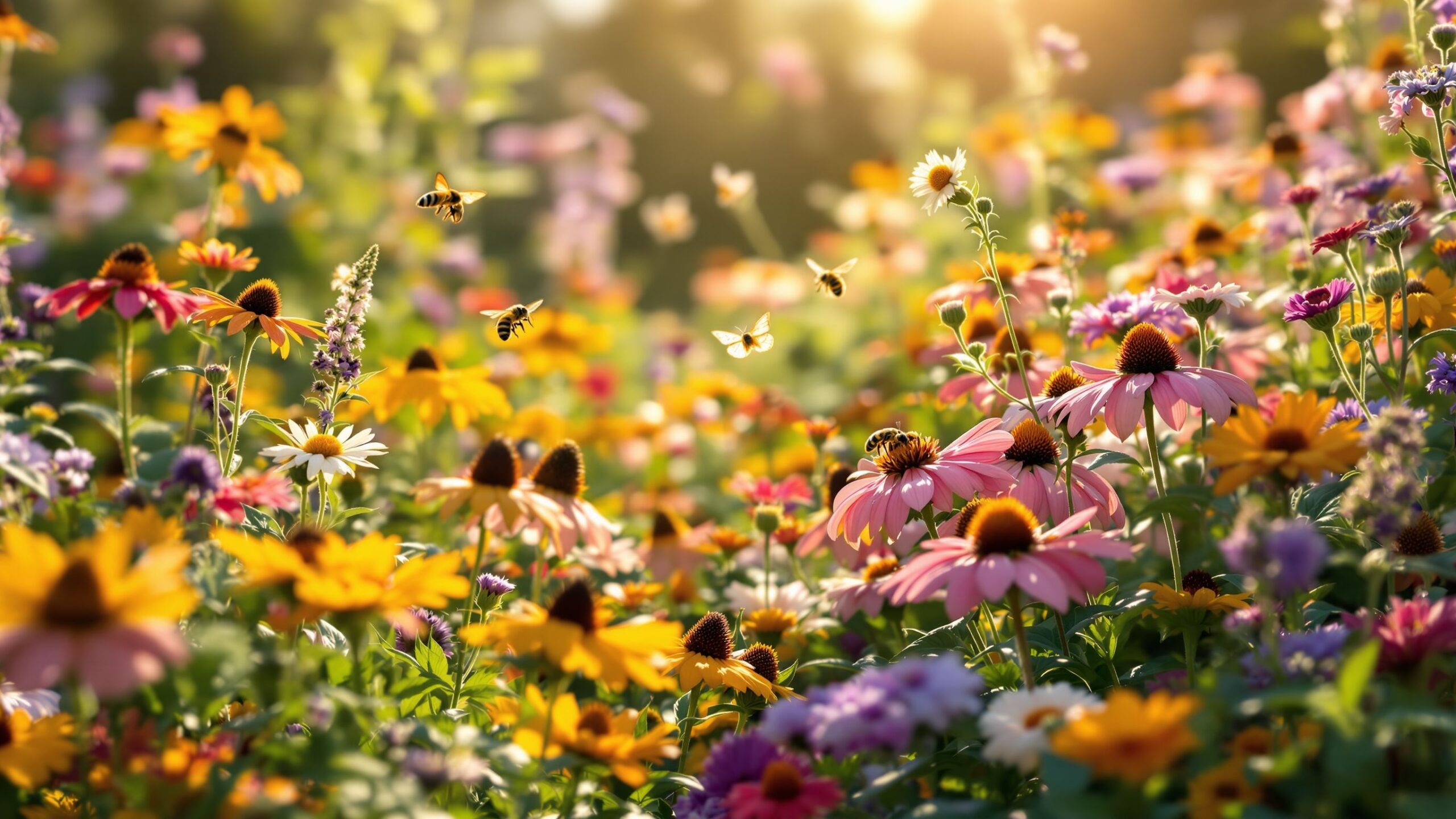
Pollinators are among the most valuable visitors to wildlife gardens. Bees, butterflies, moths, and hummingbirds help fertilize plants by transferring pollen between flowers.
To support pollinators, gardeners should choose plants that bloom throughout the growing season. Early spring flowers provide food for emerging bees, while late-season blooms sustain pollinators preparing for winter.
Flower shapes and colors also influence pollinator attraction. Tubular flowers often attract hummingbirds, while flat clusters of small flowers appeal to butterflies and bees.
Avoiding pesticide use is critical for protecting pollinator populations. Even small amounts of chemicals can harm beneficial insects.
A diverse pollinator garden creates a vibrant landscape filled with movement and color throughout the year.
Natural Pest Control
Wildlife habitat gardens often experience fewer pest problems because natural predators help maintain balance.
Birds feed on caterpillars, beetles, and other insects that might damage plants. Beneficial insects such as ladybugs consume aphids and other plant pests.
Spiders, frogs, and predatory beetles also play important roles in controlling insect populations.
By encouraging these natural predators, gardeners reduce the need for chemical pest control methods that can disrupt ecosystems.
Healthy wildlife gardens often reach a point where pests rarely become severe problems because natural predators keep populations under control.
Seasonal Habitat Support
Wildlife needs change throughout the seasons, and gardens can be designed to support animals year-round.
In spring and summer, flowering plants provide nectar and insects for feeding young birds. Dense shrubs and nesting boxes offer safe breeding areas.
During autumn, berry-producing plants and seed heads provide important food sources for migrating birds and animals preparing for winter.
Winter habitats are equally important. Evergreen plants, brush piles, and sheltered areas help wildlife survive cold temperatures and harsh weather.
Leaving some plants standing through winter allows birds to feed on seeds while providing shelter for insects and small creatures.
Small Gardens Can Make a Big Difference
Many people assume wildlife habitat gardening requires large landscapes, but even small gardens can have significant ecological impact.
Balcony gardens, container plantings, and small urban yards can still provide nectar, shelter, and water for pollinators and birds.
Vertical gardens, native flowering pots, and miniature water features can attract wildlife even in compact spaces.
When multiple homes in a neighborhood create wildlife-friendly gardens, these spaces form connected habitat corridors that support larger ecosystems.
Every wildlife garden contributes to a network of habitats that help protect biodiversity.
The Joy of Living Gardens
One of the most rewarding aspects of wildlife habitat gardening is the sense of connection it creates between people and nature. Gardens filled with birdsong, butterflies, and buzzing pollinators feel alive in ways that traditional landscapes often do not.
Watching birds build nests, observing butterflies emerge from cocoons, or hearing frogs calling from a garden pond can transform the gardening experience into something deeply meaningful.
These living gardens also provide educational opportunities for families and communities, helping people understand the delicate balance of nature.
Final Thoughts
Wildlife habitat gardening is a powerful way for gardeners to support nature while creating beautiful outdoor spaces. By providing food, water, shelter, and breeding areas, gardens become vital refuges for wildlife struggling to survive in changing environments.
Through thoughtful plant selection, natural gardening practices, and habitat design, even beginners can transform their yards into thriving ecosystems.
Every garden has the potential to become a sanctuary where plants, animals, and people coexist in harmony. With patience and care, wildlife habitat gardening turns ordinary landscapes into vibrant living environments that benefit both nature and the gardener.
Garden Product Reviews
Step into Mossy Streets’ Garden Product Reviews — your go-to guide for the best tools, gear, gifts, books, and garden gadgets rooted in nature. From blooming backyard beauties to lush indoor jungles, from heirloom seeds to high-tech composters, we dig into top-rated products for green thumbs, beginners, educators, and plant lovers alike. Whether you’re planting, pruning, decorating, or simply enjoying your green space, we’ve unearthed the best so you can grow, bloom, and thrive — all in one vibrant place!