

Harvesting & Storage is where all your gardening efforts finally transform into something truly satisfying—fresh flavors, vibrant colors, and preserved goodness that lasts long after the growing season ends. This is the moment when you gather the fruits, vegetables, herbs, and flowers you’ve nurtured from seed to maturity, turning months of care into baskets full of reward. On this page, you’ll explore the art of picking produce at its peak, preserving nutrients, and storing it all in ways that keep quality high and waste low. From crisp apples and juicy tomatoes to fragrant herbs and delicate blooms, each harvest has its own rhythm and best practices. Whether you want to learn how to cure onions, freeze berries, dry herbs, or store root crops through winter, our guides will help you make the most of everything you grow. This is your space to celebrate abundance, reduce waste, and savor the taste of your garden year-round. Get ready to gather, preserve, enjoy—and make every harvest count.
A: Use size, color, and days-to-maturity as guides; pick a test fruit and taste it.
A: Morning is usually best because produce is cool and hydrated.
A: For long-term storage, brush off soil and wash just before using; for short-term refrigeration, dry thoroughly after washing.
A: Carrots, beets, and similar roots can last months in cool, moist conditions.
A: Onions, garlic, winter squash, and some potatoes do well in a cool, dark pantry.
A: The air is too dry; they’re losing moisture faster than they can retain it.
A: No—keep ethylene-producing fruits like apples away from greens and sensitive vegetables.
A: Store it loosely wrapped in a towel or breathable container in the fridge.
A: Freezing many vegetables after a quick blanch is easy and beginner-friendly.
A: Yes—learning when to pick and how to keep food fresh makes all your gardening effort pay off.
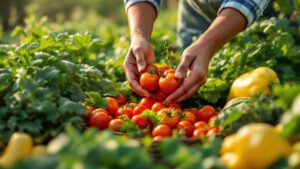
Best Time to Harvest Garden Vegetables
Harvesting at the right moment makes all the difference in flavor and freshness. This guide helps gardeners recognize ripeness cues, avoid common timing mistakes, and enjoy vegetables at their peak from garden to table.
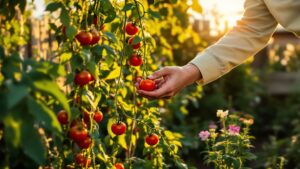
How to Harvest Tomatoes for Peak Flavor
Harvesting tomatoes at the right moment makes all the difference. This guide shows you exactly when and how to pick tomatoes for the best flavor and quality.
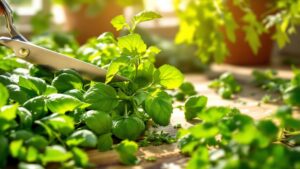
When and How to Harvest Herbs
Harvesting herbs the right way boosts flavor and keeps plants thriving. This guide shows you exactly when and how to cut herbs for the best results.