Knowing the best time to harvest garden vegetables is one of the most rewarding skills a gardener can develop. Harvesting at the right moment ensures the best flavor, texture, and nutritional value while also encouraging plants to continue producing. For beginners, this stage of gardening often feels exciting but uncertain, especially when vegetables look ready but you’re not sure if it’s the perfect time.
Harvest timing is less about strict dates and more about observation. Vegetables communicate readiness through size, color, firmness, and growth patterns. Learning to read these signals transforms harvesting from guesswork into confidence and helps you enjoy the full payoff of your gardening efforts.
A: Check plants every 1–2 days during peak season.
A: Morning is best, but evening works if produce is cooled quickly.
A: Only if you plan to use them immediately; dry storage is best.
A: Check size at soil level or gently dig one to test.
A: Yes—frequent picking encourages continued production.
A: Harvest anyway and adjust timing next season.
A: No—many produce continuously over time.
A: Wait until plants dry to reduce disease risk.
A: Often due to late harvest or heat stress.
A: Proper harvesting actually benefits plant health.
Why Harvest Timing Matters
Harvesting vegetables at the correct time directly affects taste and quality. Vegetables picked too early may lack flavor, while those left too long can become tough, bitter, or overripe. Timing also impacts how long plants continue producing.
Many vegetables respond positively to regular harvesting. Removing mature produce signals the plant to focus energy on new growth. This means that harvesting correctly not only improves your meals but also increases overall garden yield.
Learning to Observe Plant Signals
Plants offer clear visual cues when vegetables are ready. Changes in color, firmness, and size are some of the most reliable indicators. Learning to trust these signs helps gardeners move beyond calendar-based harvesting.
Observation becomes easier with experience. Walking through your garden daily allows you to notice subtle changes and prevents vegetables from being overlooked until they pass their prime.
Harvesting Leafy Greens at Their Peak
Leafy greens such as lettuce, spinach, and kale are best harvested when leaves are tender and vibrant. Younger leaves tend to be sweeter and more delicate, while older leaves can become tough or bitter.
Harvesting outer leaves first allows the plant to continue growing from the center. This method provides multiple harvests from the same plant and extends the productive life of leafy greens.
Knowing When Root Vegetables Are Ready
Root vegetables grow underground, which can make timing feel tricky for beginners. Size and days to maturity offer helpful guidance, but careful checking is often necessary.
Gently brushing away soil at the top of the plant reveals root size without fully harvesting. Waiting too long can cause roots to become woody or split, so regular monitoring is key.
Harvesting Tomatoes for Best Flavor
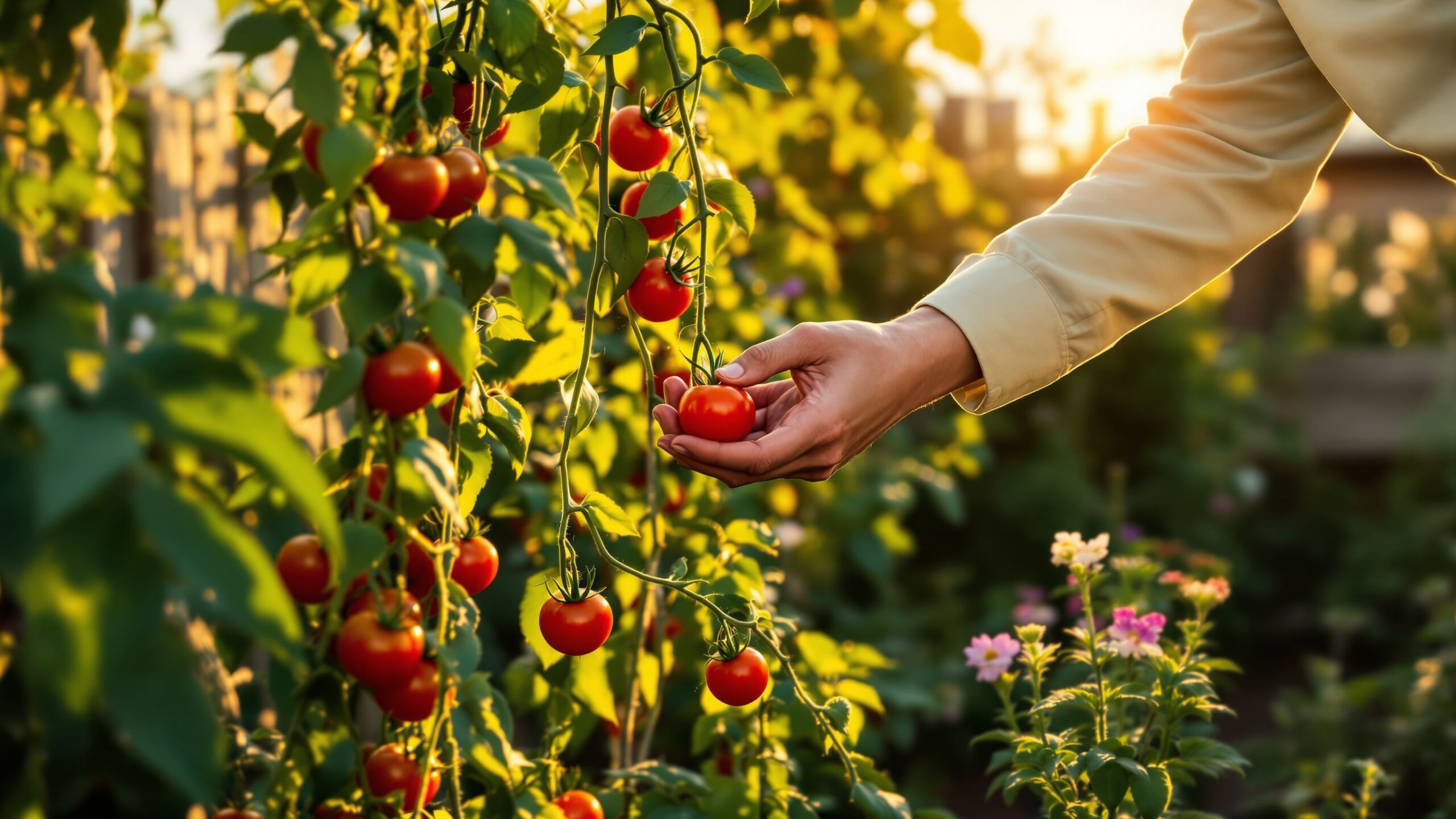
Tomatoes are one of the most satisfying vegetables to harvest. They are ready when they reach full color and feel slightly soft when gently squeezed.
Leaving tomatoes on the vine until fully ripe enhances sweetness and depth of flavor. Harvesting regularly also prevents cracking and encourages continued fruit production.
Cucumbers and Zucchini Timing
Cucumbers and zucchini grow quickly and can become oversized before you realize it. Harvesting them while they are still young and firm ensures better texture and taste.
Smaller fruits are usually more tender and flavorful. Regular harvesting prevents plants from slowing production due to overmature vegetables.
Peppers and Their Color Stages
Peppers can be harvested at different stages depending on preference. Green peppers are immature but edible, while red, yellow, or orange peppers are fully ripe.
Allowing peppers to fully ripen increases sweetness and nutrient content. Harvesting with clean cuts prevents damage to plants and supports healthy regrowth.
Beans and Peas at the Right Moment
Beans and peas are best harvested when pods are firm and seeds inside are still small. Waiting too long allows seeds to harden, reducing tenderness.
Frequent harvesting encourages plants to keep producing. Checking plants every few days during peak season prevents missed harvests.
Herbs and Continuous Harvesting
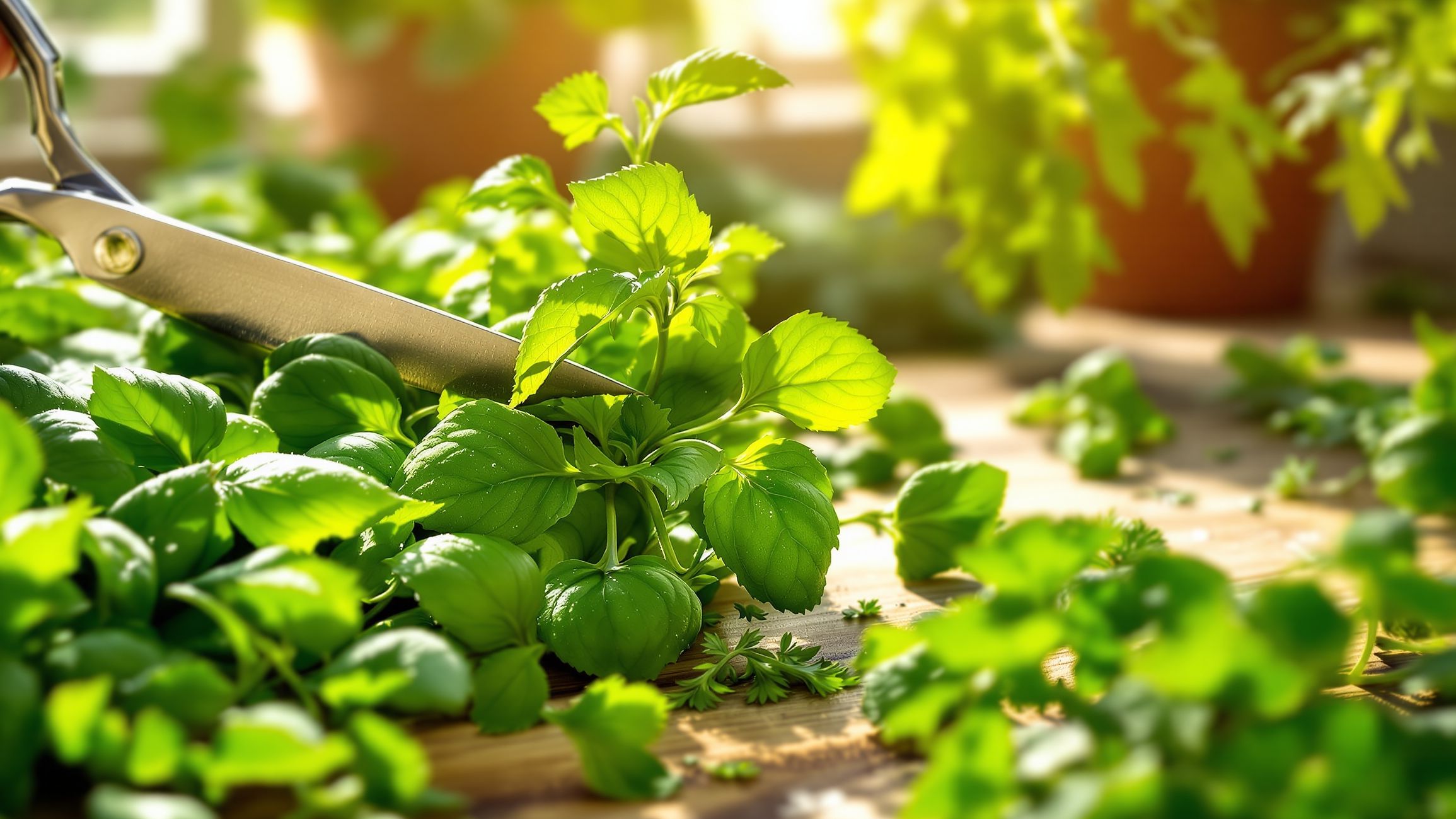
Herbs are most flavorful just before flowering, when oils are most concentrated. Regular trimming keeps plants bushy and productive.
Harvesting herbs in the morning after dew has dried preserves flavor and freshness. Avoid removing too much at once to prevent stressing the plant.
Harvesting Cool-Season Vegetables
Cool-season vegetables such as carrots, broccoli, and cabbage thrive in mild temperatures. Many develop better flavor when grown slowly.
Some vegetables, like carrots, can be left in the ground longer for increased sweetness. Understanding seasonal growth patterns helps refine harvest timing.
Warm-Season Vegetable Harvesting
Warm-season vegetables such as squash, corn, and melons require careful attention to ripeness cues. Size, color, and aroma are key indicators.
Harvesting too early may sacrifice flavor, while waiting too long can reduce texture quality. Regular checks during warm months prevent missed opportunities.
Harvesting in the Morning vs. Evening
The time of day matters when harvesting. Morning harvesting often produces crisper vegetables due to higher moisture content.
Evening harvesting is still effective but may result in slightly reduced freshness. Choosing the right time enhances storage life and taste.
Using Gentle Harvesting Techniques
How you harvest is just as important as when. Using clean tools and gentle handling prevents plant damage and reduces disease risk.
Twisting or cutting vegetables carefully protects stems and encourages future growth. Good technique supports long-term garden health.
Avoiding Overharvesting
While regular harvesting is beneficial, removing too much at once can stress plants. Balance is essential for sustained production.
Understanding each plant’s growth habit helps determine how much to harvest without weakening future yields.
Harvesting for Storage and Preservation
Vegetables intended for storage should be harvested at full maturity but before deterioration begins. Proper timing extends shelf life and preserves quality.
Dry conditions and gentle handling reduce spoilage. Harvesting with storage in mind ensures long-term enjoyment of your garden produce.
Signs You’ve Missed the Ideal Harvest Window
Overripe vegetables often show clear signs such as yellowing, splitting, or tough skin. While still edible in some cases, quality may decline.
Learning from missed harvests improves future timing. Experience quickly sharpens judgment and confidence.
Harvest Timing and Garden Planning
Understanding harvest windows helps gardeners plan meals, preservation, and future plantings. Staggered planting creates consistent harvests throughout the season.
Planning around harvest timing reduces waste and increases enjoyment of fresh produce.
Building Confidence Through Harvesting
Harvesting is one of the most satisfying parts of gardening. Each successful harvest reinforces skills and builds confidence.
Beginners often feel empowered when they recognize ripeness cues accurately. This confidence carries into other areas of gardening.
Harvesting as a Learning Process
Every growing season teaches new lessons about timing and plant behavior. Weather, soil, and variety all influence harvest readiness.
Keeping notes helps refine techniques and improve results year after year.
Enjoying the Rewards of Perfect Timing
Harvesting vegetables at their peak transforms meals and deepens appreciation for gardening. Freshly harvested produce offers unmatched flavor and nutrition.
Learning the best time to harvest garden vegetables turns effort into reward. With observation, patience, and practice, harvesting becomes one of the most joyful and confident moments in the gardening journey.
Garden Product Reviews
Step into Mossy Streets’ Garden Product Reviews — your go-to guide for the best tools, gear, gifts, books, and garden gadgets rooted in nature. From blooming backyard beauties to lush indoor jungles, from heirloom seeds to high-tech composters, we dig into top-rated products for green thumbs, beginners, educators, and plant lovers alike. Whether you’re planting, pruning, decorating, or simply enjoying your green space, we’ve unearthed the best so you can grow, bloom, and thrive — all in one vibrant place!