Starting plants from seed is one of the most exciting and empowering parts of gardening. For beginners, seed starting turns a tiny, lifeless-looking speck into a thriving plant, creating an immediate sense of accomplishment. While it can seem technical at first, seed starting is actually a forgiving process when approached with the right methods and expectations.
The key to successful seed starting is understanding that seeds already contain everything they need to begin life. Your role is simply to provide the right environment for that process to unfold. With patience, consistency, and a few foundational techniques, beginners can grow strong, healthy seedlings ready for the garden or containers.
A: For most indoor seedlings, yes—windows rarely provide enough light.
A: Usually 12–16 hours per day for sturdy growth.
A: After the first true leaves appear, start a weak feed weekly.
A: A fungal issue that collapses seedlings; prevent with airflow and careful watering.
A: Light is too weak or too far away—bring it closer.
A: Most seeds need light covering, but some require light—check packet directions.
A: Snip extras at soil level so you don’t disturb roots.
A: After hardening off and when temperatures match the plant’s needs.
A: Yes—just sanitize them first to prevent disease.
A: Often yes for fast crops like beans, peas, and radishes.
Why Starting From Seed Is Worth It
Seed starting offers benefits that go far beyond saving money. Growing from seed gives you access to a wider variety of plants than most garden centers carry, including unique flowers, heirloom vegetables, and specialty herbs.
For beginners, seed starting also builds confidence quickly. Watching seeds germinate and develop reinforces basic gardening skills and teaches you how plants grow from the very beginning. This knowledge makes later stages of gardening easier and more intuitive.
Understanding What Seeds Need to Grow
All seeds require the same basic elements to germinate: moisture, warmth, and oxygen. Light becomes important after sprouting, but most seeds do not need light to germinate.
Providing consistent moisture without overwatering is critical. Seeds absorb water to activate growth, but soggy conditions can cause rot. Warmth encourages faster and more reliable germination, making temperature awareness especially important for beginners.
Choosing the Right Seeds as a Beginner
Some seeds are easier to start than others, and beginners benefit from choosing varieties with high germination rates and fast growth. Lettuce, tomatoes, basil, marigolds, and zinnias are popular beginner-friendly choices.
Reading seed packets carefully helps set expectations. Packets provide valuable information about germination time, planting depth, and temperature preferences. Starting with reliable seeds reduces frustration and builds early success.
Indoor Seed Starting for Control and Convenience
Indoor seed starting is one of the most popular methods for beginners because it allows greater control over conditions. By starting seeds indoors, you avoid unpredictable weather and give plants a head start on the growing season.
This method works especially well for vegetables and flowers that require a longer growing period. Indoor seed starting lets beginners learn at a comfortable pace while observing plant development up close.
Using Seed Trays and Containers
Seed trays and small containers provide an ideal environment for germination. They allow you to manage moisture, spacing, and drainage more effectively than open soil.
Containers don’t need to be expensive or specialized. Clean pots, recycled containers with drainage holes, and simple trays all work well. The most important factor is proper drainage to prevent excess water buildup.
The Importance of Seed Starting Mix
Using the right growing medium makes a significant difference in seed starting success. Seed starting mix is lighter and finer than garden soil, allowing delicate roots to grow easily.
Garden soil is often too dense and may contain pathogens that harm seedlings. For beginners, a quality seed starting mix reduces risks and supports healthy early growth.
Planting Seeds at the Correct Depth
One of the most common beginner mistakes is planting seeds too deep. Most seeds need only a shallow covering of soil to germinate successfully.
A general rule is to plant seeds no deeper than twice their size. Some seeds are so small they should be pressed gently into the soil surface rather than buried. Following packet instructions helps prevent failed germination.
Watering Seeds Without Washing Them Away
Gentle watering is essential during seed starting. Heavy watering can displace seeds or compact soil, making it harder for seedlings to emerge.
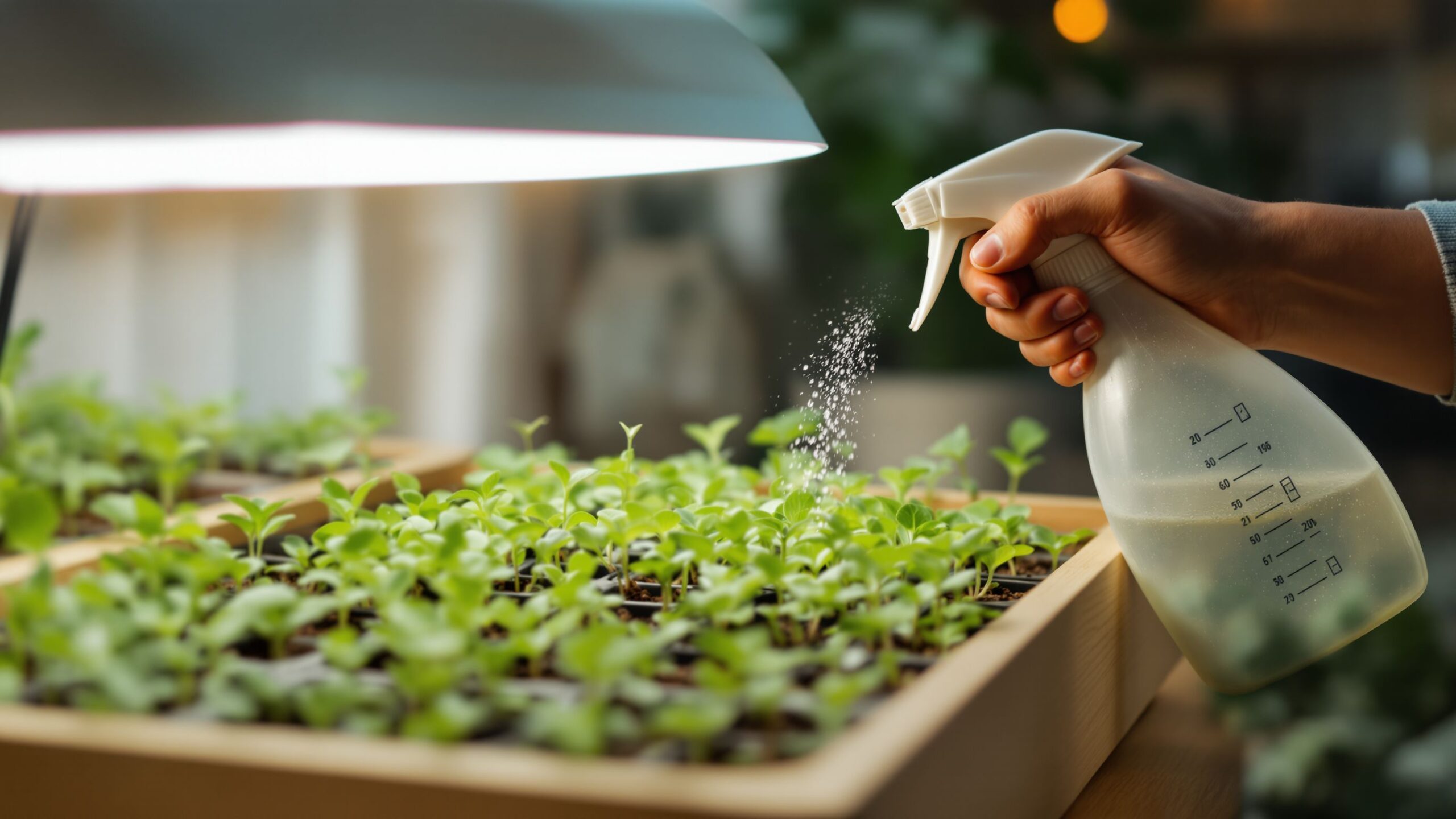
Using a spray bottle or gentle watering method keeps soil evenly moist without disruption. Consistency matters more than quantity, and beginners quickly learn that steady care produces better results than sporadic soaking.
Light Requirements After Germination
Once seedlings emerge, light becomes critical. Insufficient light causes seedlings to stretch and become weak, a condition known as leggy growth.
Placing seedlings near bright windows or under grow lights ensures strong, compact development. Beginners often see dramatic improvement simply by increasing light exposure during early growth stages.
Temperature and Germination Success
Temperature plays a major role in seed starting success. Many seeds germinate best in warm conditions, while cooler temperatures slow or prevent sprouting.
Maintaining consistent warmth encourages even germination. For beginners, placing seed trays in naturally warm indoor areas often provides enough heat without additional equipment.
Starting Seeds Outdoors in the Ground
Direct sowing seeds outdoors is another excellent method for beginners, especially for fast-growing plants. This method eliminates transplant shock and allows plants to establish naturally.
Outdoor seed starting works best when soil temperatures are appropriate and frost risk has passed. Understanding seasonal timing helps beginners avoid early setbacks.
Preparing Soil for Direct Seeding
When starting seeds outdoors, soil preparation matters. Loose, well-drained soil allows seeds to establish roots quickly.
Removing debris and gently leveling the soil surface creates an even planting environment. Simple preparation improves germination rates and seedling survival.
Watering Outdoor Seedlings Carefully
Outdoor seedlings require attentive watering during early growth. Soil should remain consistently moist until seedlings are established.
Beginners benefit from frequent light watering rather than occasional heavy soaking. This approach supports steady root development without causing erosion or compaction.
Understanding Germination Timelines
Seeds germinate at different speeds, and patience is essential. Some seeds sprout in days, while others take weeks.
Checking soil moisture and temperature before assuming failure prevents unnecessary replanting. Learning germination timelines builds realistic expectations and reduces frustration.
Thinning Seedlings for Healthier Growth
Once seedlings emerge, thinning may be necessary to prevent overcrowding. While it can feel counterintuitive, removing excess seedlings allows remaining plants to thrive.
Thinning improves airflow, nutrient access, and overall strength. Beginners often notice immediate improvement after giving seedlings enough space.
Transplanting Seedlings Successfully
Transplanting is a natural step when starting seeds indoors. Moving seedlings carefully into larger containers or garden beds encourages continued growth.
Handling seedlings gently and supporting roots during transplant reduces stress. Beginners gain confidence with each successful transition from tray to soil.
Hardening Off Before Moving Outdoors
Seedlings started indoors need time to adjust to outdoor conditions. Hardening off involves gradually exposing plants to sunlight, wind, and temperature changes.
This process strengthens seedlings and reduces shock. Beginners who harden off properly see stronger, more resilient plants in the garden.
Avoiding Common Seed Starting Mistakes
Overwatering, insufficient light, and poor airflow are common beginner mistakes. Recognizing these issues early prevents larger problems later.
Observing seedlings daily helps beginners catch problems quickly. Small adjustments often lead to big improvements.
Building Confidence Through Seed Starting
Seed starting teaches patience, observation, and consistency. Each successful seedling reinforces gardening skills and builds momentum.
Beginners often find that seed starting deepens their connection to plants and increases confidence across all areas of gardening.
Learning From Each Growing Season
Not every seed will succeed, and that’s part of the learning process. Each attempt provides valuable information about timing, conditions, and plant behavior.
Keeping simple notes helps beginners refine their approach year after year. Seed starting becomes easier with each season.
Seed Starting as a Gateway to Gardening Success
Mastering seed starting opens the door to a more flexible and rewarding gardening experience. It allows gardeners to shape their gardens from the very beginning.
For beginners, seed starting is not just a technique but a foundation. With the right methods and a patient mindset, growing from seed becomes one of the most satisfying skills a gardener can learn.
Garden Product Reviews
Step into Mossy Streets’ Garden Product Reviews — your go-to guide for the best tools, gear, gifts, books, and garden gadgets rooted in nature. From blooming backyard beauties to lush indoor jungles, from heirloom seeds to high-tech composters, we dig into top-rated products for green thumbs, beginners, educators, and plant lovers alike. Whether you’re planting, pruning, decorating, or simply enjoying your green space, we’ve unearthed the best so you can grow, bloom, and thrive — all in one vibrant place!