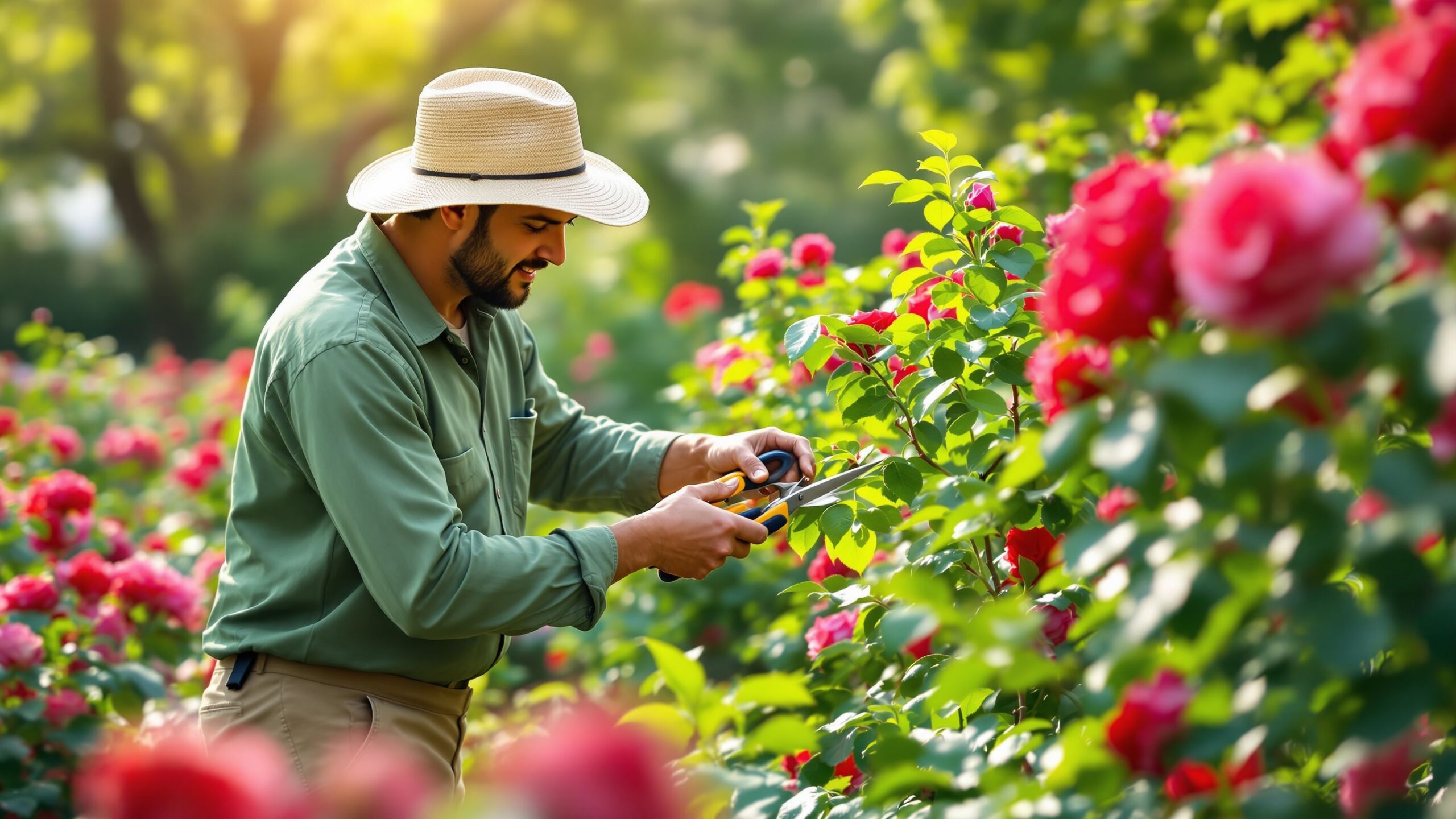
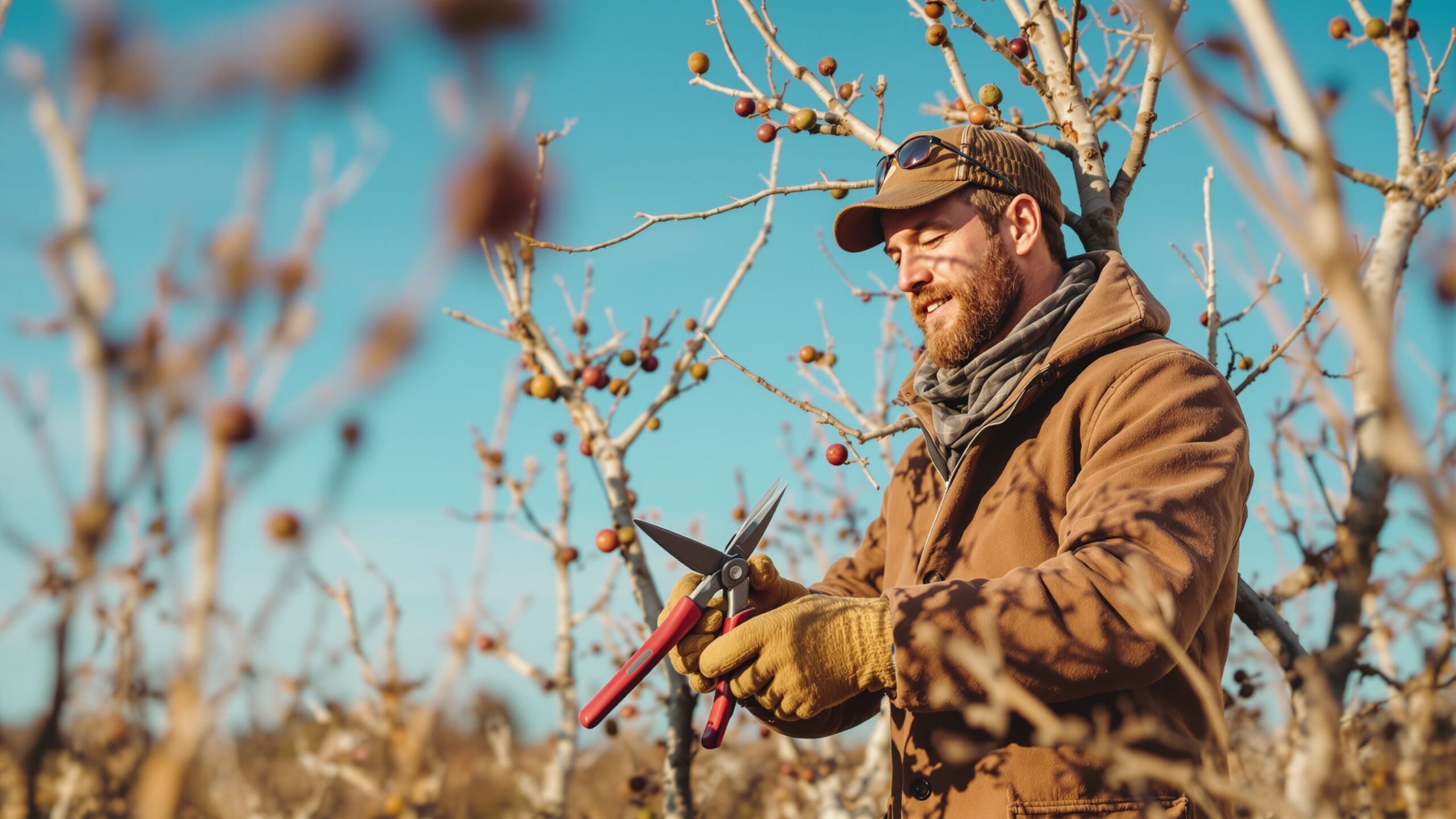
Pruning is one of the most misunderstood yet powerful skills in gardening. Many beginners fear that cutting a plant will harm it, but when done correctly, pruning actually strengthens plants, improves their shape, and encourages healthier growth. Pruning is not about perfection or strict rules, but about understanding how plants grow and guiding that growth in a thoughtful way.
At its core, pruning is an act of care. By removing certain parts of a plant, you help it focus energy where it matters most. Learning pruning basics gives gardeners confidence to maintain plants long-term instead of reacting only when something looks wrong.
A: It depends on the plant, but late winter or just after flowering are common.
A: Light pruning is fine, but avoid heavy cuts in extreme heat.
A: Generally no more than one-third of the plant at once.
A: No—some need very little beyond dead growth removal.
A: Most plants recover; good watering and patience help.
A: Usually wait until they’re established unless damaged.
A: They may have been pruned at the wrong time.
A: Yes, by improving airflow and removing infected wood.
A: No, most plants heal better naturally.
A: Not at all—start slow, observe results, and gain confidence.
Why Pruning Matters More Than You Think
Pruning plays a critical role in plant health. Dead, damaged, or diseased branches can drain energy and invite pests or infections. Removing these parts helps plants redirect nutrients toward new growth and flowering.
Beyond health, pruning also improves airflow and light penetration. When branches are overcrowded, moisture lingers and sunlight struggles to reach inner leaves. Proper pruning creates balance, allowing plants to grow stronger and more resilient over time.
Understanding How Plants Grow
Before making any cuts, it’s important to understand basic plant growth patterns. Plants grow from buds, nodes, and branch junctions, and where you cut directly affects how the plant responds.
Most plants grow outward and upward from their buds. When a branch is cut just above a healthy bud, new growth usually emerges in that direction. This simple concept helps gardeners shape plants naturally rather than fighting against their growth habits.
Overcoming the Fear of Cutting
Fear is one of the biggest barriers to learning pruning. Many gardeners worry they will remove too much or cut in the wrong place. While mistakes can happen, most plants are more forgiving than expected.
Pruning with intention rather than hesitation builds confidence. Starting with small, obvious cuts such as dead or broken branches allows beginners to practice without risk. Over time, pruning becomes less intimidating and more intuitive.
The Best Time to Prune Plants
Timing matters in pruning, but it doesn’t have to be complicated. Many plants are best pruned during dormant periods when growth is slower and stress is minimized.
Flowering plants often follow seasonal patterns. Some bloom on old growth while others bloom on new growth, and pruning at the wrong time can reduce flowering. Learning the general rhythm of your plants helps you prune at moments that support their natural cycles.
Pruning for Plant Health First
The first goal of pruning should always be health. Dead branches, diseased stems, and damaged growth should be removed whenever they appear.
These cuts prevent problems from spreading and help plants recover faster. Health-focused pruning is the safest place for beginners to start and forms the foundation for all other pruning decisions.
Shaping Plants Without Overdoing It
Shaping is where pruning becomes both practical and creative. Removing crossing branches, overly long stems, or uneven growth helps plants maintain a balanced form.
Good shaping enhances a plant’s natural structure rather than forcing it into an artificial shape. Gradual adjustments over time produce better results than aggressive cutting in a single session.
How Much Is Too Much When Pruning
One of the most common questions beginners ask is how much to remove. A helpful guideline is to avoid removing more than a quarter to a third of a plant at one time.
Over-pruning can shock plants and slow recovery. When in doubt, it’s better to make fewer cuts and observe how the plant responds before continuing.
Clean Cuts and Healthy Tools
Using clean, sharp tools is essential for effective pruning. Dull or dirty tools can crush stems and spread disease.
Clean cuts heal faster and reduce stress on plants. Taking a moment to wipe tools between plants protects your garden as a whole and improves pruning results.
Learning to Spot What Should Be Cut
Knowing what to remove becomes easier with practice. Dead branches are often dry and brittle, while diseased growth may show discoloration or unusual texture.
Crowded areas where branches rub against each other are also strong candidates for pruning. Removing one of the competing branches prevents long-term damage and encourages healthier growth.
Pruning Young Plants for Long-Term Success
Pruning isn’t only for mature plants. Early pruning helps young plants develop strong structure and balanced growth.
Guiding plants early reduces the need for heavy pruning later. This approach builds healthier plants that are easier to manage as they mature.
Pruning Flowering and Fruiting Plants
Pruning flowering and fruiting plants requires understanding when blooms and fruit develop. Some plants produce flowers on older branches, while others bloom on new growth.
Correct timing ensures you don’t accidentally remove future flowers or fruit. With experience, pruning becomes a tool for increasing productivity rather than limiting it.
Seasonal Pruning and Garden Rhythm
Pruning changes with the seasons. Late winter and early spring are often ideal for shaping and encouraging new growth, while summer pruning focuses on maintenance.
Fall pruning is usually lighter and more selective, preparing plants for rest rather than stimulating growth. Recognizing seasonal roles helps gardeners prune with purpose.
Avoiding Common Pruning Mistakes
One common mistake is pruning without a clear goal. Random cutting can weaken plants and disrupt natural growth patterns.
Another mistake is ignoring plant-specific needs. While pruning principles are universal, individual plants respond differently. Observation and patience prevent repeated errors.
Pruning as an Ongoing Conversation With Plants
Pruning is not a one-time task but an ongoing relationship. Each cut influences how a plant grows next, creating a cycle of response and adjustment.
Watching how plants react after pruning teaches valuable lessons. Over time, gardeners develop an instinct for what plants need and when.
The Confidence That Comes With Experience
As gardeners gain pruning experience, fear gives way to confidence. What once felt risky becomes routine, and decisions feel clearer.
This confidence extends beyond pruning into all areas of gardening. Learning to trust your judgment is one of the most rewarding outcomes of developing pruning skills.
Pruning for Sustainability and Longevity
Proper pruning extends the life of plants by reducing stress and preventing disease. Healthy, well-pruned plants require fewer interventions and resources.
This makes pruning an important part of sustainable gardening. Thoughtful care benefits both individual plants and the broader garden ecosystem.
Pruning as a Skill That Grows With You
Pruning skills evolve with experience and curiosity. Each season adds knowledge, and each plant offers new insights.
Rather than mastering pruning all at once, gardeners grow into it gradually. This steady learning process mirrors the growth of the plants themselves.
Pruning Basics as a Foundation for Better Gardening
Understanding pruning basics empowers gardeners to care for plants with intention and confidence. Pruning is not about control but about guidance and balance.
When approached with patience and awareness, pruning becomes one of the most satisfying aspects of gardening. It transforms uncertainty into understanding and supports healthier, more beautiful gardens year after year.
Garden Product Reviews
Step into Mossy Streets’ Garden Product Reviews — your go-to guide for the best tools, gear, gifts, books, and garden gadgets rooted in nature. From blooming backyard beauties to lush indoor jungles, from heirloom seeds to high-tech composters, we dig into top-rated products for green thumbs, beginners, educators, and plant lovers alike. Whether you’re planting, pruning, decorating, or simply enjoying your green space, we’ve unearthed the best so you can grow, bloom, and thrive — all in one vibrant place!