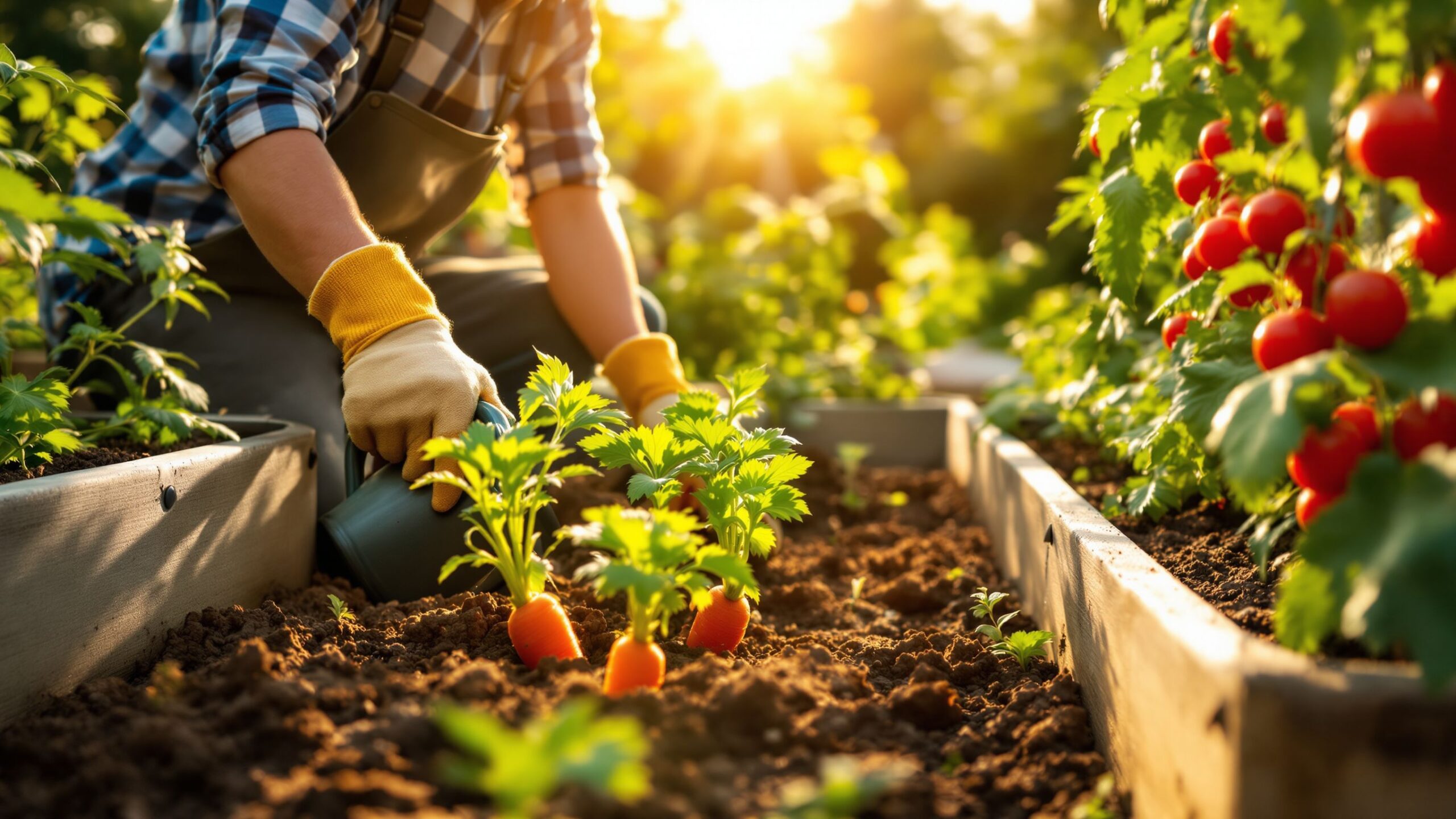
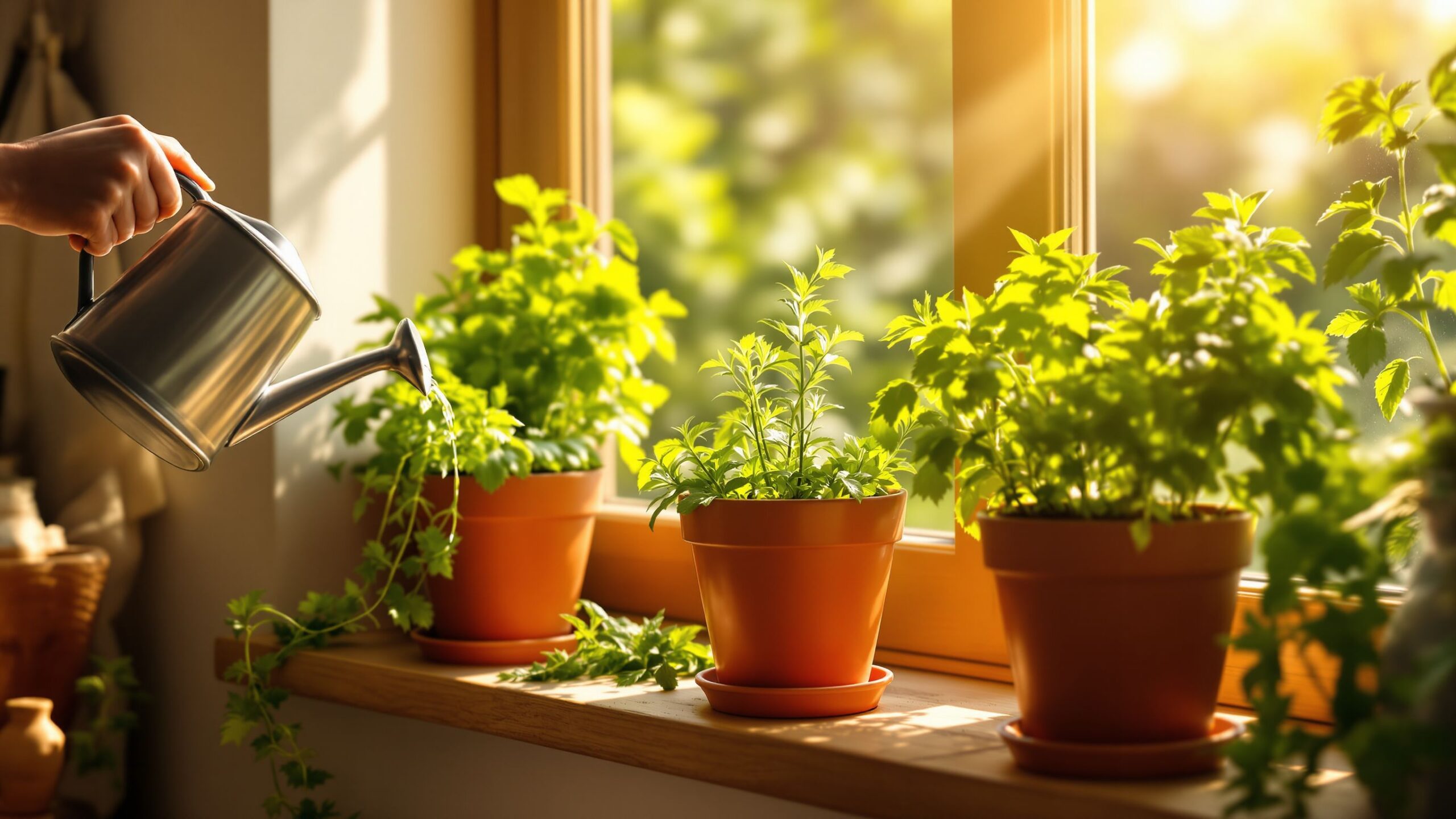
Beginner gardening is about learning to grow alongside your plants rather than trying to master everything at once. Many new gardeners feel pressure to get perfect results immediately, but gardening rewards patience, curiosity, and steady care far more than precision. When you begin with realistic expectations, gardening becomes an enjoyable process of discovery instead of a stressful checklist.
Gardening connects you to natural rhythms in a way few hobbies can. Watching seeds sprout, leaves unfurl, and flowers bloom creates a sense of wonder that never fully fades. Beginner gardening is the first step into a practice that can grow with you for years.
A: Herbs, lettuce, radishes, marigolds, and zinnias are easy “confidence plants.”
A: If soil stays soggy, leaves yellow, or roots smell funky—pause and let it dry a bit.
A: Loose, well-draining soil mixed with compost (or quality potting mix for containers).
A: Not always—compost + good soil often carries you early; fertilize only if growth is weak.
A: Check first: water when the top 1–2 inches feel dry (containers need more frequent checks).
A: Raised beds are often easier because drainage and soil quality are simpler to control.
A: They need more light; move them brighter or add a grow light and rotate trays.
A: After your last frost date for warm-season plants; cool-season crops can go earlier.
A: Mulch, pull early, and don’t leave bare soil exposed—cover it whenever possible.
A: Match the plant to your light, don’t drown it, and improve soil—those three fix most issues.
Understanding Your Growing Space
Every successful garden starts with understanding the space you have available. Whether it’s a backyard, balcony, windowsill, or patio, each environment offers unique possibilities. The key is observing how your space behaves throughout the day and across seasons.
Pay attention to how much sunlight reaches your plants and how long it stays. Some areas may receive intense morning light while others stay shaded most of the day. Recognizing these patterns helps you choose plants that will naturally thrive rather than struggle.
The Importance of Sunlight for Plant Health
Sunlight fuels plant growth, making it one of the most important factors in beginner gardening. Plants generally fall into categories such as full sun, partial sun, or shade-loving. Matching plants to the right light conditions dramatically increases success.
Beginner gardeners often underestimate indirect light, especially indoors. Bright rooms without direct sun can still support many plants. Learning how light intensity affects growth builds confidence and reduces frustration early on.
Soil Basics Every Beginner Should Know
Soil is more than just something that holds plants upright. Healthy soil provides nutrients, retains moisture, and supports beneficial microorganisms. Beginner gardeners who focus on soil quality often see stronger, more resilient plants.
Using high-quality potting mix for containers or enriching garden beds with compost improves structure and fertility. Good soil creates a stable foundation that makes watering and feeding easier to manage.
Watering Without Overthinking
Watering is one of the most common challenges for beginners. Too much water can drown roots, while too little can cause stress and slow growth. Learning to check soil moisture before watering helps prevent both problems.
Over time, you’ll notice visual cues from plants themselves. Slight leaf droop, changes in color, or slowed growth often signal watering adjustments are needed. Observing these signs builds intuitive gardening skills.
Choosing Beginner-Friendly Plants
Selecting the right plants sets the tone for your entire gardening experience. Beginner gardeners benefit from choosing varieties known for being resilient and adaptable. Fast-growing plants offer quicker rewards and boost motivation.
Plants suited to your climate and season require less intervention and recover more easily from mistakes. Reading plant labels and seed descriptions helps align expectations with reality.
Growing From Seeds vs. Starter Plants
Seeds offer an affordable and rewarding way to begin gardening, but they require patience and attention. Watching seeds sprout creates a strong connection to the growing process, especially for beginners.
Starter plants provide a head start and reduce early-stage uncertainty. Many beginners use a combination of both, gaining experience while ensuring early success.
Feeding Plants the Simple Way
Fertilizing does not need to be complicated. Many beginner gardeners overfeed plants, assuming more nutrients equal faster growth. In reality, balanced feeding supports steady, healthy development.
Compost and gentle fertilizers provide consistent nourishment without overwhelming roots. Understanding moderation helps plants build strength and resilience over time.
Dealing With Weeds and Pests Calmly
Weeds and pests are a normal part of gardening, not a sign of failure. Removing weeds early keeps them from competing with your plants for water and nutrients.
Pests can often be managed through observation and prevention rather than aggressive treatment. Healthy plants naturally resist many issues, making routine checks one of the best defenses.
Learning to Read Plant Signals
Plants communicate constantly through their appearance and growth patterns. Yellowing leaves, slow development, or curling edges are messages asking for attention.
Instead of reacting emotionally, beginner gardeners benefit from treating these signals as learning opportunities. Each adjustment improves future care decisions.
Gardening Through the Seasons
Gardening follows a seasonal rhythm that brings structure and anticipation. Spring focuses on planting and planning, summer emphasizes growth and maintenance, fall highlights harvest and reflection, and winter encourages rest.
Understanding seasonal changes helps beginners work with nature rather than against it. Each season contributes valuable lessons.
Indoor Gardening for Small Spaces
Indoor gardening opens doors for beginners without outdoor access. Houseplants and herbs introduce essential gardening concepts in a controlled environment.
Indoor plants respond quickly to changes in light and water, making them excellent teachers. Success indoors often inspires expansion into outdoor gardening.
Creativity and Personal Style in Gardening
Gardening allows personal expression through plant selection, arrangement, and container choice. There is no single correct style, only what works for you and your space.
Experimenting with colors, textures, and layouts transforms gardening into a creative outlet that evolves over time.
Building Confidence Through Small Wins
Every healthy leaf, bloom, or harvest reinforces confidence. Beginner gardeners thrive when they celebrate progress rather than focusing on setbacks.
Small successes build momentum, encouraging experimentation and deeper engagement with gardening practices.
The Mental and Emotional Benefits of Gardening
Gardening offers a calming escape from daily stress. Tending plants creates focus, routine, and a sense of purpose.
Many beginners are surprised by how restorative gardening feels. The combination of movement, observation, and care supports mental well-being.
Learning and Growing With Each Season
Gardening is a continuous learning process. Each season brings new challenges, insights, and opportunities to improve.
Beginner gardening is not about reaching an endpoint but about developing a lasting relationship with growth, patience, and curiosity.
Beginner Gardening as a Lifelong Skill
What starts as a simple hobby often becomes a meaningful part of life. Gardening teaches responsibility, adaptability, and appreciation for nature.
By starting small, staying observant, and allowing yourself to learn gradually, beginner gardening becomes the foundation for a rewarding and enduring practice.
Garden Product Reviews
Step into Mossy Streets’ Garden Product Reviews — your go-to guide for the best tools, gear, gifts, books, and garden gadgets rooted in nature. From blooming backyard beauties to lush indoor jungles, from heirloom seeds to high-tech composters, we dig into top-rated products for green thumbs, beginners, educators, and plant lovers alike. Whether you’re planting, pruning, decorating, or simply enjoying your green space, we’ve unearthed the best so you can grow, bloom, and thrive — all in one vibrant place!