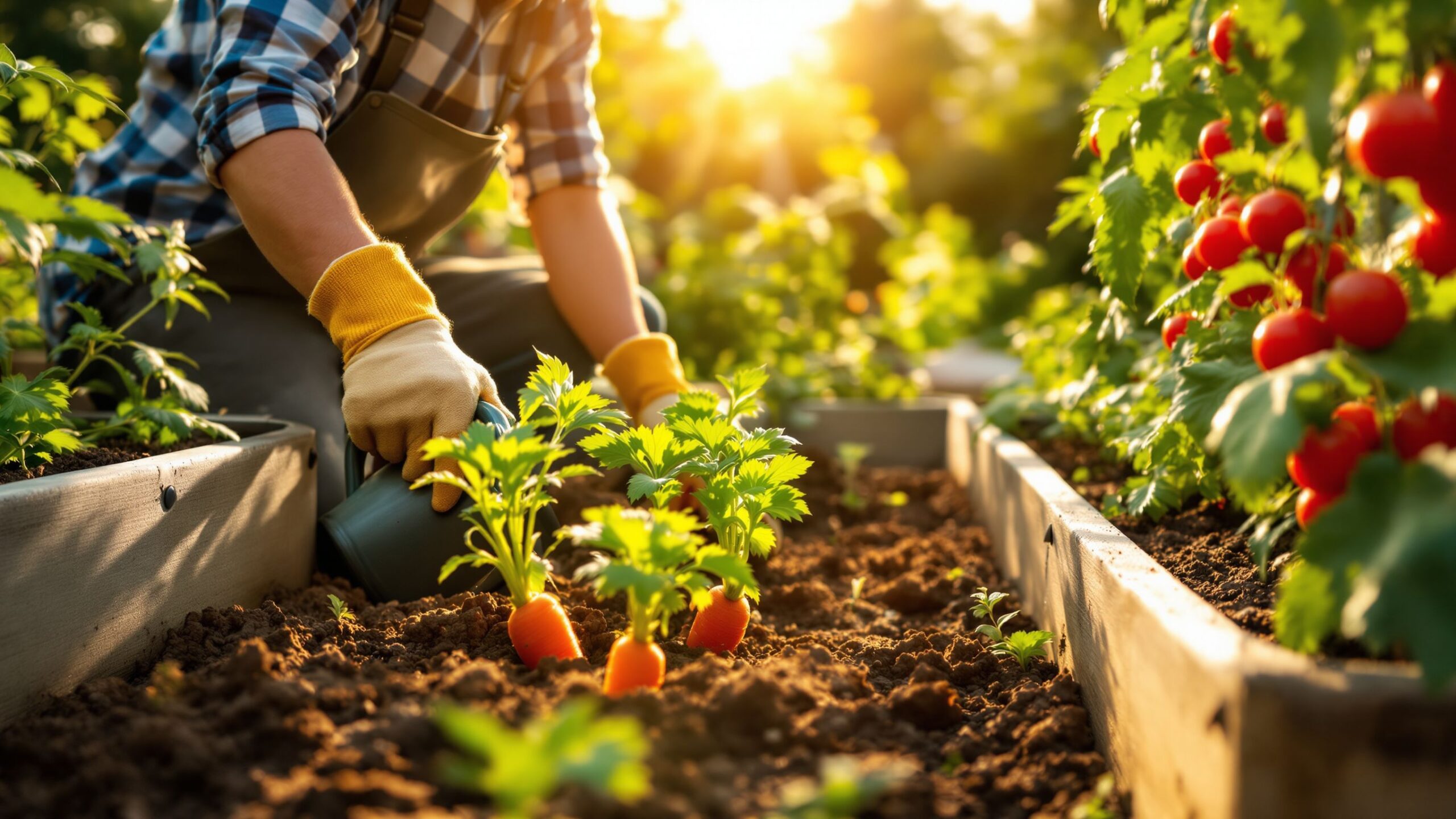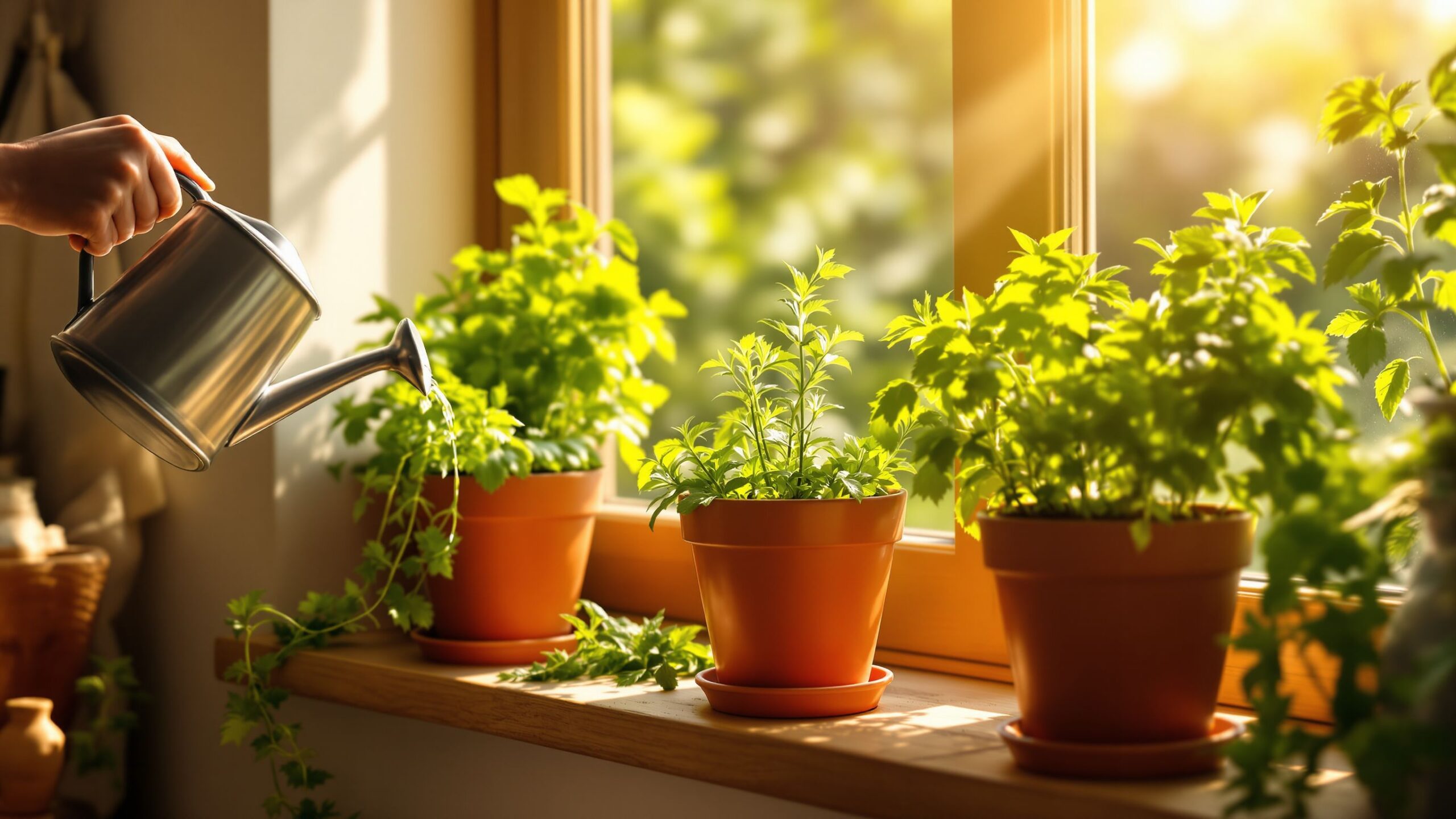
Growing herbs at home is one of the simplest and most satisfying ways to start gardening. Whether you have a spacious backyard or a small kitchen windowsill, herbs adapt beautifully to a wide range of environments. They bring fresh flavors into your meals, add fragrance to your living space, and create a daily connection to something alive and growing. For beginners and experienced gardeners alike, herbs offer a low-maintenance, high-reward experience that transforms ordinary spaces into vibrant, living environments.
A: Basil, mint, parsley, chives, thyme, oregano, cilantro, dill, sage, and rosemary are great options.
A: Yes, many herbs grow indoors with bright light, drainage, and careful watering.
A: Most herbs prefer 6 or more hours of bright light each day.
A: Water when the top inch of soil feels dry, and avoid letting pots sit in standing water.
A: Light feeding can help, but too much fertilizer may reduce flavor in some herbs.
A: Starter plants are easiest for beginners, while seeds work well for basil, cilantro, dill, and parsley.
A: Yes, but each pot should have drainage and enough room for the roots to spread.
A: Leggy growth usually means they need more light or more regular pruning.
A: Snip small amounts often, cutting above leaf nodes so the plant can branch out.
A: Yes, but group herbs with similar water and light needs together.
Why Herbs Are Perfect for Home Gardening
Herbs are uniquely suited for home gardening because they are resilient, fast-growing, and incredibly versatile. Unlike many vegetables, herbs do not require large amounts of space or complex care routines. Many varieties thrive in containers, making them ideal for apartments, patios, and indoor setups. Their compact growth habits and adaptability mean you can grow them almost anywhere with access to light and a little attention.
Another reason herbs are perfect for beginners is their forgiving nature. If you miss a watering or place them in less-than-ideal conditions, many herbs will still survive and recover. This resilience helps build confidence while reducing the stress often associated with starting a garden. The ability to harvest small amounts regularly without harming the plant also makes herbs uniquely rewarding.
Choosing the Best Herbs to Grow at Home
Selecting the right herbs is the first step toward a successful home garden. Some herbs are especially beginner-friendly due to their ease of care and rapid growth. Basil is one of the most popular choices, known for its vibrant green leaves and strong aroma. It thrives in warm conditions and grows quickly, making it perfect for beginners seeking fast results.
Mint is another excellent option, prized for its refreshing scent and ability to grow vigorously. It is highly adaptable and can thrive in both indoor and outdoor settings, although it benefits from being contained due to its spreading nature. Parsley offers a more subtle flavor but is equally easy to grow, tolerating a variety of conditions while producing steady growth.
Rosemary and thyme bring a slightly different experience, with woody stems and a preference for drier conditions. These herbs require a bit more attention to watering but reward gardeners with long-lasting, aromatic foliage. Starting with a mix of soft and woody herbs creates a balanced garden that offers both variety and learning opportunities.
Indoor vs Outdoor Herb Gardening
One of the most appealing aspects of growing herbs is the flexibility to cultivate them indoors or outdoors. Indoor herb gardening is perfect for those with limited space or harsh climates. A sunny windowsill can provide enough light for many herbs, especially those like basil, parsley, and chives. Indoor gardens also offer year-round growing potential, allowing you to enjoy fresh herbs even during colder months.
Outdoor herb gardening, on the other hand, allows plants to grow more vigorously due to increased sunlight and airflow. Herbs grown outside often develop stronger flavors and larger leaves. Whether planted in garden beds, raised containers, or pots on a patio, outdoor herbs benefit from natural conditions that support robust growth.
Choosing between indoor and outdoor gardening depends on your space, climate, and personal preferences. Many gardeners find success by combining both approaches, growing some herbs inside while maintaining others outdoors.
The Importance of Sunlight
Sunlight is one of the most critical factors in growing healthy herbs. Most herbs require at least six hours of direct sunlight each day to thrive. Without adequate light, plants may become weak, leggy, and less flavorful. Positioning your herbs near a south-facing window or in a sunny outdoor location can make a significant difference in their growth and overall health.
For those with limited natural light, supplemental grow lights can provide an effective solution. These lights mimic the sun’s spectrum, ensuring herbs receive the energy they need to grow. Paying attention to light conditions is one of the simplest ways to improve your success with home herb gardening.
Soil and Containers for Healthy Growth
The foundation of any successful herb garden lies in the soil and containers you choose. Herbs prefer well-draining soil that prevents water from pooling around the roots. Using a high-quality potting mix designed for container gardening is often the best option for beginners.
Containers should have drainage holes to allow excess water to escape. This prevents root rot, which is one of the most common issues in herb gardening. The size of the container should match the growth habits of the herb, with larger plants like rosemary requiring more space than smaller herbs like chives.
Creating the right environment for roots to grow is essential. Healthy roots lead to strong plants, and strong plants produce the flavorful leaves that make herb gardening so rewarding.
Watering: Finding the Right Balance
Watering is one of the most important—and often misunderstood—aspects of growing herbs. Too much water can be just as harmful as too little. Most herbs prefer soil that is slightly moist but not soggy. Allowing the top layer of soil to dry out between watering sessions helps maintain the right balance.
Soft herbs like basil and parsley tend to require more frequent watering, while woody herbs like rosemary and thyme prefer drier conditions. Learning to recognize the needs of each plant is part of the gardening journey. Observing leaf color, texture, and growth patterns provides valuable clues about whether your herbs are receiving the right amount of water.
Consistency is key. Establishing a simple routine ensures your herbs remain healthy and productive without requiring constant attention.
Pruning and Harvesting for Continuous Growth
One of the most enjoyable aspects of growing herbs is the ability to harvest them regularly. Pruning not only provides fresh ingredients for your kitchen but also encourages plants to grow fuller and healthier. Regular trimming prevents herbs from becoming leggy and promotes the development of new shoots.
Basil, for example, benefits from frequent pinching of the top leaves, which encourages branching and increases yield. Parsley can be harvested from the outer stems, allowing the inner growth to continue developing. Mint thrives when cut back regularly, producing fresh leaves in abundance.
Harvesting becomes a cycle of growth and renewal. The more you use your herbs, the more they produce, creating a continuous supply that feels both sustainable and satisfying.
Common Challenges and How to Overcome Them
Even the easiest herbs can present challenges, especially for beginners. One of the most common issues is overwatering, which can lead to yellowing leaves and root problems. Adjusting watering habits and ensuring proper drainage can quickly resolve this issue.
Pests may occasionally appear, particularly in outdoor gardens. Simple solutions such as rinsing leaves with water or using natural remedies can help keep plants healthy without introducing harsh chemicals.
Another challenge is insufficient light, which can result in weak growth. Moving plants to a brighter location or adding supplemental lighting can restore their vitality. Understanding these common problems and their solutions helps build confidence and ensures long-term success.
Creating a Functional and Beautiful Herb Space
An herb garden is not just practical—it can also be visually appealing. Arranging herbs in decorative pots, grouping them by size or color, and placing them in accessible locations can transform your garden into a centerpiece of your home.
Indoor herb gardens can enhance kitchen spaces, adding both beauty and convenience. Outdoor gardens can create inviting environments that encourage relaxation and creativity. The combination of aesthetics and functionality makes herb gardening a unique and enjoyable experience.
Expanding Your Herb Garden Over Time
As your confidence grows, so does your herb garden. Starting with a few easy varieties allows you to learn the basics without feeling overwhelmed. Over time, you can experiment with new herbs, explore different growing techniques, and even try propagating plants from cuttings.
Expanding your garden introduces new flavors and opportunities. It also deepens your understanding of plant care, helping you develop skills that can be applied to other types of gardening. Each new addition becomes a chance to learn and grow alongside your plants.
The Everyday Joy of Growing Herbs at Home
Growing herbs at home is about more than just gardening—it is about creating a connection to your food, your space, and the natural world. The act of caring for plants, watching them grow, and using them in your daily life brings a sense of fulfillment that goes beyond the harvest itself.
From the first sprout to the final cut, herbs offer a continuous reminder that growth is always possible with a little attention and care. They turn ordinary routines into meaningful moments, whether you are watering plants in the morning or adding fresh leaves to a meal in the evening.
In the end, learning how to grow herbs at home is not just about mastering a skill. It is about embracing a lifestyle that values simplicity, sustainability, and the quiet satisfaction of nurturing life. With the right approach and a willingness to learn, anyone can create a thriving herb garden that brings flavor, beauty, and joy into everyday living.
Garden Product Reviews
Step into Mossy Streets’ Garden Product Reviews — your go-to guide for the best tools, gear, gifts, books, and garden gadgets rooted in nature. From blooming backyard beauties to lush indoor jungles, from heirloom seeds to high-tech composters, we dig into top-rated products for green thumbs, beginners, educators, and plant lovers alike. Whether you’re planting, pruning, decorating, or simply enjoying your green space, we’ve unearthed the best so you can grow, bloom, and thrive — all in one vibrant place!