Starting a vegetable garden for the first time is one of the most rewarding decisions you can make. It is a blend of creativity, patience, and discovery, where every seed planted becomes a lesson and every harvest becomes a small victory. For beginners, success often depends on choosing the right vegetables—those that are forgiving, fast-growing, and resilient. The right choices can transform uncertainty into confidence and turn a simple patch of soil into a thriving, productive space that feels alive with possibility.
A: Lettuce, radishes, green beans, cherry tomatoes, zucchini, cucumbers, spinach, peas, carrots, and peppers are great choices.
A: Yes, many beginner vegetables grow well in pots, especially lettuce, herbs, peppers, tomatoes, and green onions.
A: Most need 6 or more hours of direct sunlight, though leafy greens can tolerate partial shade.
A: Water when the top inch of soil feels dry, and aim for deep watering instead of quick splashes.
A: Seeds are great for radishes, lettuce, beans, and carrots, while starter plants are easier for tomatoes and peppers.
A: Loose, well-draining soil mixed with compost is ideal for most beginner crops.
A: Many do better with compost or a balanced vegetable fertilizer, especially heavy feeders like tomatoes and zucchini.
A: Keep plants healthy, remove damaged leaves, use row covers when needed, and check plants often.
A: Harvest when vegetables are tender, full-sized, and fresh-looking; picking often encourages more production.
A: Start small with a few containers, one raised bed, or a compact garden patch so it stays fun and manageable.
Why Choosing the Right Vegetables Matters
Not all vegetables are created equal when it comes to ease of growth. Some demand precise conditions, constant attention, and experience, while others thrive with minimal effort and adapt to a variety of environments. Beginner gardeners benefit most from vegetables that germinate quickly, tolerate minor mistakes, and provide visible progress early on. These qualities build momentum and keep motivation high, which is essential in the early stages of gardening. When you see sprouts emerge within days or harvest your first crop within weeks, the experience becomes addictive in the best possible way.
Choosing beginner-friendly vegetables also reduces frustration. Early setbacks can discourage new gardeners, but resilient plants offer a safety net. They bounce back from inconsistent watering, variable sunlight, or imperfect soil, making them ideal companions for anyone just starting out.
Leafy Greens: Fast, Forgiving, and Full of Rewards
Leafy greens are among the best vegetables for beginners because they grow quickly and don’t require perfect conditions to thrive. Lettuce, spinach, and kale are excellent starting points, offering rapid results and continuous harvesting opportunities. These plants tend to germinate within days and can be harvested multiple times, allowing beginners to enjoy ongoing rewards without needing to replant constantly.
Lettuce, in particular, is incredibly versatile. It can be grown in garden beds, containers, or even small balcony spaces. It thrives in cooler temperatures and requires only consistent watering and partial sunlight. Spinach follows a similar pattern, offering nutrient-rich leaves that grow quickly and tolerate a range of conditions. Kale stands out for its resilience, often continuing to grow even as temperatures fluctuate. Its sturdy leaves and long growing season make it one of the most reliable crops for beginners.
The beauty of leafy greens lies in their simplicity. They don’t demand complex care routines, and their visible growth provides immediate feedback. This makes them perfect for building confidence and understanding the basics of plant care.
Root Vegetables: Hidden Growth, Visible Success
Root vegetables bring a sense of anticipation to gardening. While their main growth happens beneath the soil, the results are deeply satisfying once harvested. Carrots, radishes, and beets are particularly beginner-friendly options that offer both ease and excitement.
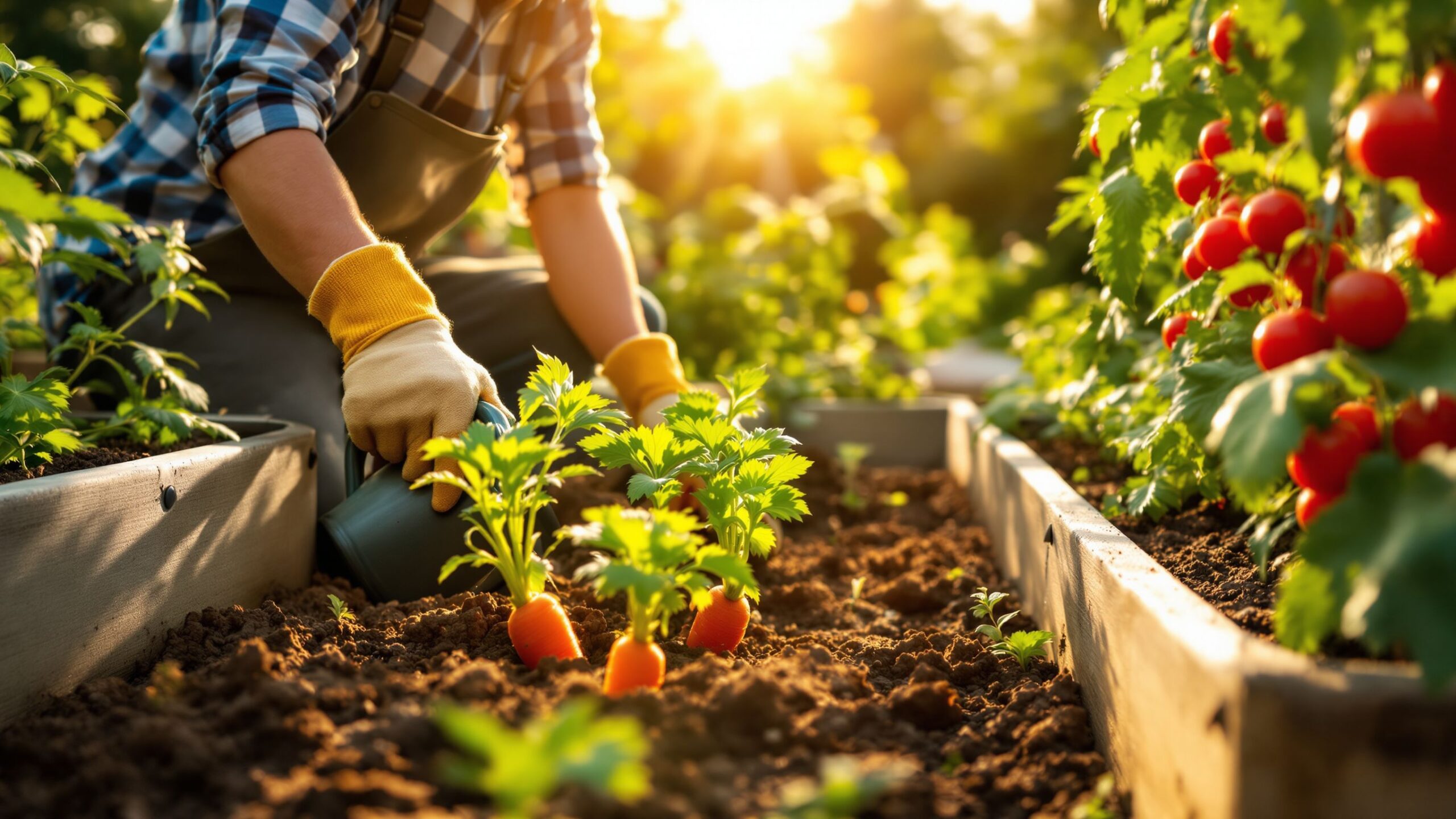
Radishes are often considered the ultimate beginner vegetable. They grow incredibly fast, sometimes ready for harvest in as little as three to four weeks. This quick turnaround makes them ideal for those who want immediate results and a sense of accomplishment early on. Carrots take a bit longer but are equally rewarding. Their delicate green tops provide visual cues above ground, while the real magic develops below the surface.
Beets offer a dual benefit, producing both edible roots and nutritious leafy tops. They are adaptable and can grow in various soil types, making them a forgiving choice for new gardeners. Root vegetables as a group teach patience while still delivering reliable outcomes, making them an essential part of any beginner garden.
Tomatoes: A Beginner’s Favorite with Big Payoff
Tomatoes are often the centerpiece of a beginner garden, and for good reason. They are productive, relatively easy to grow, and incredibly satisfying to harvest. While they require a bit more attention than leafy greens, their rewards far outweigh the effort.
Cherry tomatoes are especially beginner-friendly. They grow quickly, produce abundantly, and are less prone to common issues compared to larger varieties. Their sweet, bite-sized fruits ripen in clusters, creating a visually appealing and delicious harvest. With proper sunlight, consistent watering, and basic support like stakes or cages, tomato plants can thrive even in small spaces.
Growing tomatoes introduces beginners to slightly more advanced gardening concepts, such as pruning and supporting plants. However, these tasks are simple to learn and add depth to the gardening experience without becoming overwhelming.
Zucchini and Squash: High Yield, Low Effort
If there is one category of vegetables that delivers impressive results with minimal effort, it is squash. Zucchini, in particular, is known for its prolific growth. A single plant can produce an abundance of vegetables throughout the season, often more than enough for one household.
Zucchini plants are hardy and adaptable, thriving in warm weather and requiring only basic care. They grow quickly, with large leaves that spread outward and create a lush, vibrant garden presence. Watching a zucchini grow from a small flower to a full-sized vegetable in just a few days is an exciting experience that keeps beginners engaged.
Other types of squash, such as yellow squash, share similar characteristics and are equally easy to grow. These plants are ideal for gardeners who want high yields without complicated maintenance routines.
Green Beans: Simple, Productive, and Fun to Grow
Green beans are another excellent choice for beginners, offering simplicity and productivity in equal measure. They come in two main types: bush beans and pole beans. Bush beans grow compactly and require no support, while pole beans climb upward and need a trellis or stake. Both types are easy to grow and produce generous harvests.
Beans germinate quickly and grow steadily, providing visible progress that keeps gardeners motivated. They also improve soil health by adding nitrogen, making them beneficial for the overall garden ecosystem. This dual advantage makes green beans not only easy to grow but also valuable for long-term garden success.
Harvesting beans is a satisfying process, as the plants continue to produce over time. Regular picking encourages more growth, creating a cycle of continuous rewards that is perfect for beginners.
Peppers: Colorful and Manageable for New Gardeners
Peppers bring color, flavor, and variety to a beginner garden. Bell peppers and mild chili varieties are particularly well-suited for those just starting out. They require warm temperatures and plenty of sunlight but are otherwise low-maintenance.
Pepper plants grow at a steady pace, allowing beginners to observe each stage of development. From small blossoms to vibrant fruits, the process is both educational and visually appealing. While they may take slightly longer to mature compared to leafy greens, the payoff is worth the wait.
Their compact size makes peppers suitable for containers, raised beds, or traditional garden plots. This flexibility allows beginners to experiment with different gardening setups while still achieving success.
Herbs That Double as Beginner Vegetables
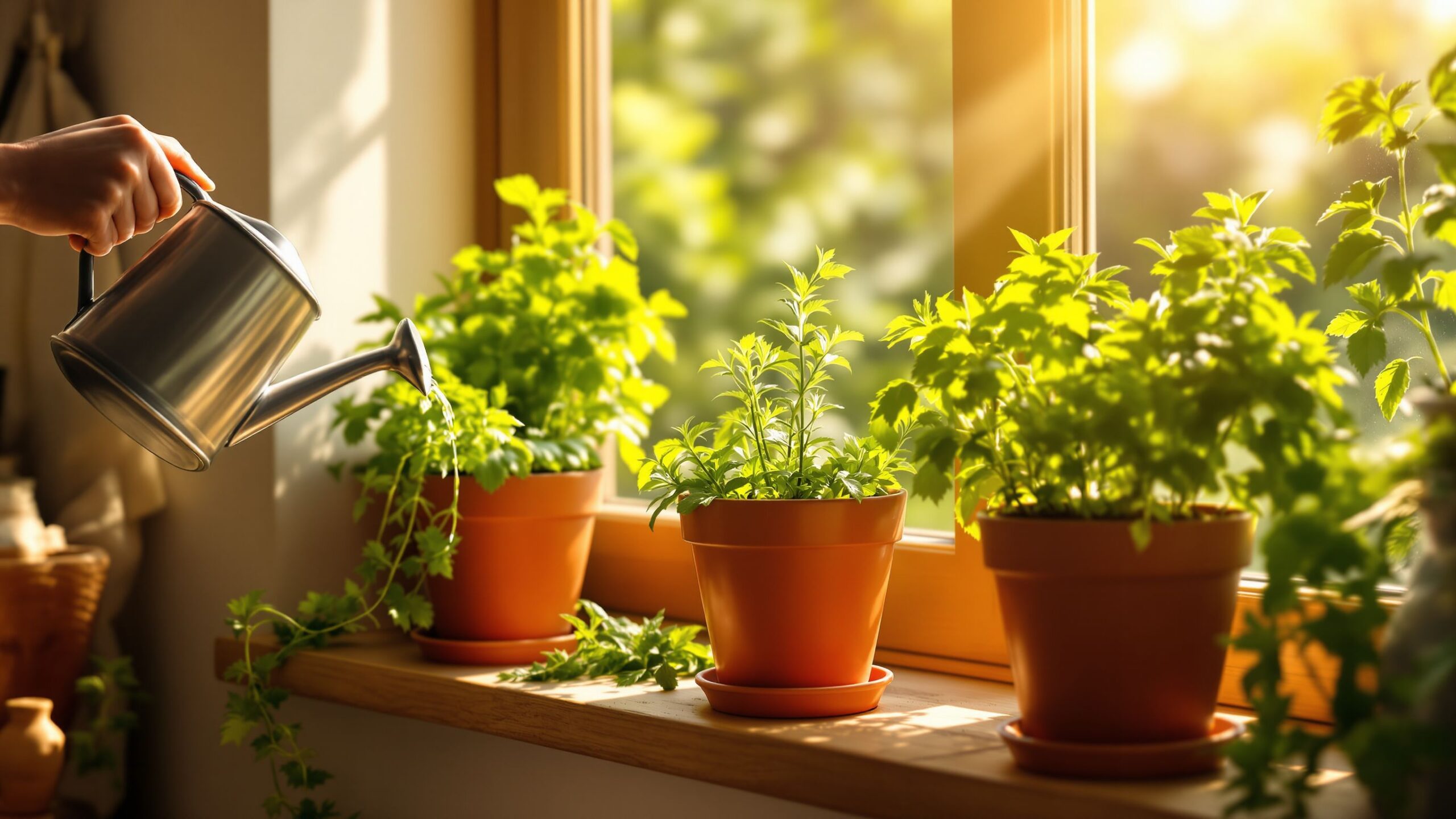
While technically not vegetables, herbs deserve a place in any beginner garden. Basil, parsley, and chives are incredibly easy to grow and complement many of the vegetables mentioned above. They enhance meals while also providing quick wins for new gardeners.
Basil thrives in warm conditions and grows rapidly, especially when regularly harvested. Parsley is hardy and adaptable, while chives require minimal care and return year after year. Including herbs alongside vegetables creates a more dynamic and rewarding gardening experience, blending practicality with creativity.
Creating the Ideal Beginner Garden Environment
Even the easiest vegetables need a supportive environment to thrive. For beginners, this means focusing on a few key elements: sunlight, soil, and water. Most vegetables require at least six hours of sunlight per day, making location an important factor in garden planning.
Soil quality plays a crucial role in plant health. Loose, well-draining soil enriched with organic matter provides the foundation for strong growth. Beginners don’t need to overcomplicate this process; starting with basic garden soil or compost is often enough.
Watering should be consistent but not excessive. Overwatering is a common mistake, so it is important to allow the soil to dry slightly between watering sessions. Observing plants and adjusting care based on their appearance is one of the best ways to learn and improve.
Common Mistakes Beginners Should Avoid
Starting a garden comes with a learning curve, and mistakes are part of the process. One of the most common errors is planting too much too soon. It is better to start small and focus on a few easy vegetables rather than becoming overwhelmed by a large, complex garden.
Another mistake is neglecting spacing. Plants need room to grow, and overcrowding can lead to poor airflow and reduced yields. Following basic spacing guidelines ensures healthier plants and better results.
Inconsistent care is also a challenge for beginners. Establishing a simple routine for watering and monitoring plants can make a significant difference. Gardening thrives on consistency, and even small efforts can lead to meaningful progress.
The Joy of Harvesting Your First Crops
There is nothing quite like harvesting your first vegetables. It is a moment that combines pride, excitement, and a deeper connection to the food you eat. For beginners, this experience is often the turning point that transforms gardening from a curiosity into a passion.
Whether it is a handful of fresh lettuce leaves, a cluster of cherry tomatoes, or a perfectly shaped carrot, each harvest tells a story of growth and perseverance. It is a reminder that even small efforts can lead to tangible, delicious results.
Building Confidence and Expanding Your Garden
Once you have successfully grown a few beginner-friendly vegetables, the possibilities begin to expand. Confidence replaces hesitation, and curiosity drives experimentation. You may start exploring new varieties, trying different planting techniques, or expanding your garden space.
The skills learned from growing easy vegetables create a strong foundation for future success. Understanding how plants respond to sunlight, water, and soil conditions allows you to tackle more challenging crops with greater confidence. Gardening becomes less about following rules and more about developing intuition.
A Fresh Start with Every Season
One of the most exciting aspects of gardening is its cyclical nature. Each season offers a new opportunity to learn, improve, and grow. Mistakes from the past become lessons for the future, and every planting cycle brings renewed energy and inspiration.
For beginner gardeners, starting with the right vegetables sets the tone for this journey. Easy-to-grow crops provide the confidence needed to keep going, even when challenges arise. They turn the gardening experience into something enjoyable, fulfilling, and deeply rewarding.
In the end, the best vegetables for beginners are not just the easiest to grow—they are the ones that inspire you to continue. They are the plants that make you step outside, check on your garden each day, and feel a sense of accomplishment with every leaf, flower, and harvest. Gardening begins with simple choices, but it grows into something far more meaningful, connecting you to nature, food, and the quiet satisfaction of nurturing life from the ground up.
Garden Product Reviews
Step into Mossy Streets’ Garden Product Reviews — your go-to guide for the best tools, gear, gifts, books, and garden gadgets rooted in nature. From blooming backyard beauties to lush indoor jungles, from heirloom seeds to high-tech composters, we dig into top-rated products for green thumbs, beginners, educators, and plant lovers alike. Whether you’re planting, pruning, decorating, or simply enjoying your green space, we’ve unearthed the best so you can grow, bloom, and thrive — all in one vibrant place!