Drought-tolerant gardening is a smart and sustainable approach to creating a beautiful outdoor space that thrives with minimal water. As climates shift and water resources become more limited, gardeners are increasingly turning to methods that prioritize efficiency and resilience. A drought-tolerant garden does not mean a dry or lifeless landscape; instead, it is a carefully designed environment filled with plants that are naturally adapted to survive and flourish under low-water conditions. By understanding the principles behind this approach, you can create a garden that is both visually stunning and environmentally responsible.
A: It’s a method of gardening that uses plants and practices that require minimal water.
A: No, they still need water—especially during establishment.
A: Water deeply but less frequently once plants are established.
A: Yes, it greatly reduces water loss and protects soil.
A: Yes, with proper soil care and efficient watering techniques.
A: Many are, but it depends on your region and climate.
A: Yes, soil affects how water is stored and used by plants.
A: Absolutely, they can be colorful, textured, and vibrant.
A: Drip irrigation is typically the most efficient.
A: Usually after one growing season, once roots are established.
Understanding What Drought-Tolerant Really Means
Drought-tolerant gardening is often misunderstood as simply planting species that can survive without water, but the concept goes much deeper. It involves creating conditions where plants use water efficiently and develop strong root systems that allow them to access moisture stored in the soil. These plants are not deprived of water; they are supported in a way that encourages natural resilience. Over time, a drought-tolerant garden becomes more self-sustaining, requiring less frequent watering while maintaining healthy growth and vibrant color.
Choosing the Right Plants for Dry Conditions
Plant selection is one of the most important aspects of drought-tolerant gardening. Native plants are often the best choice because they are adapted to local climate conditions and can thrive with minimal irrigation once established. Many drought-tolerant plants have unique features such as deep root systems, waxy or silvery leaves, and the ability to store water within their tissues. These adaptations allow them to conserve moisture and withstand periods of dryness. Incorporating a variety of these plants creates a diverse and visually interesting garden that remains healthy even during extended dry spells.
Improving Soil to Support Water Efficiency
Healthy soil is the foundation of any successful drought-tolerant garden. Soil rich in organic matter can hold moisture more effectively, allowing plants to access water over longer periods. Adding compost and other natural amendments improves soil structure, increasing its ability to retain water while still providing proper drainage. This balance is essential, as overly compacted soil can prevent water from reaching roots, while overly loose soil may allow water to drain away too quickly. By investing in soil health, you create a system that supports plants with less reliance on frequent watering.
Using Mulch to Lock in Moisture
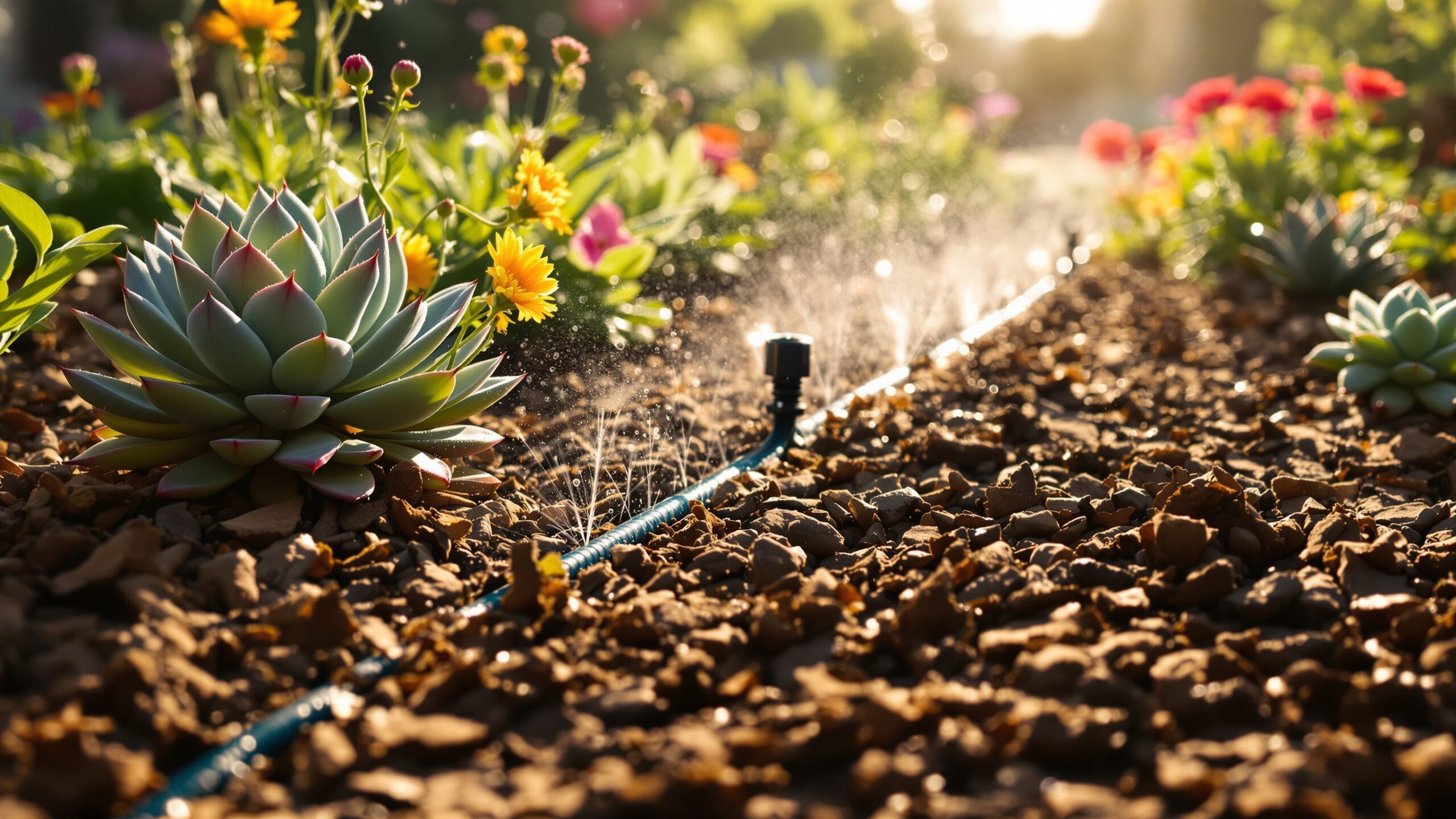
Mulching is one of the simplest and most effective techniques for conserving water in a drought-tolerant garden. A layer of mulch covers the soil, reducing evaporation and helping to maintain consistent moisture levels. It also protects roots from extreme temperatures, keeping them cooler during hot weather and reducing stress on plants. Organic mulches gradually break down, enriching the soil and improving its water-holding capacity. This dual benefit makes mulch an essential component of any water-wise gardening strategy.
Designing a Water-Wise Garden Layout
The layout of your garden can significantly influence how efficiently water is used. Grouping plants with similar water needs together allows you to tailor watering practices to specific areas, reducing waste and ensuring that each plant receives the appropriate amount of moisture. This approach, often referred to as hydrozoning, is particularly effective in drought-tolerant gardens. Incorporating natural features such as slopes, rocks, and gravel can also help direct water where it is needed and reduce runoff. A well-designed layout works with the natural flow of water rather than against it.
Watering Deeply and Infrequently
One of the key principles of drought-tolerant gardening is to water deeply but less often. This method encourages roots to grow deeper into the soil, where moisture is more stable and less affected by surface conditions. Deep roots make plants more resilient to drought, reducing their dependence on frequent watering. Shallow, frequent watering, on the other hand, keeps roots near the surface, making plants more vulnerable to drying out. By adjusting your watering habits, you can strengthen your plants and reduce overall water use.
Reducing Water Loss Through Smart Techniques
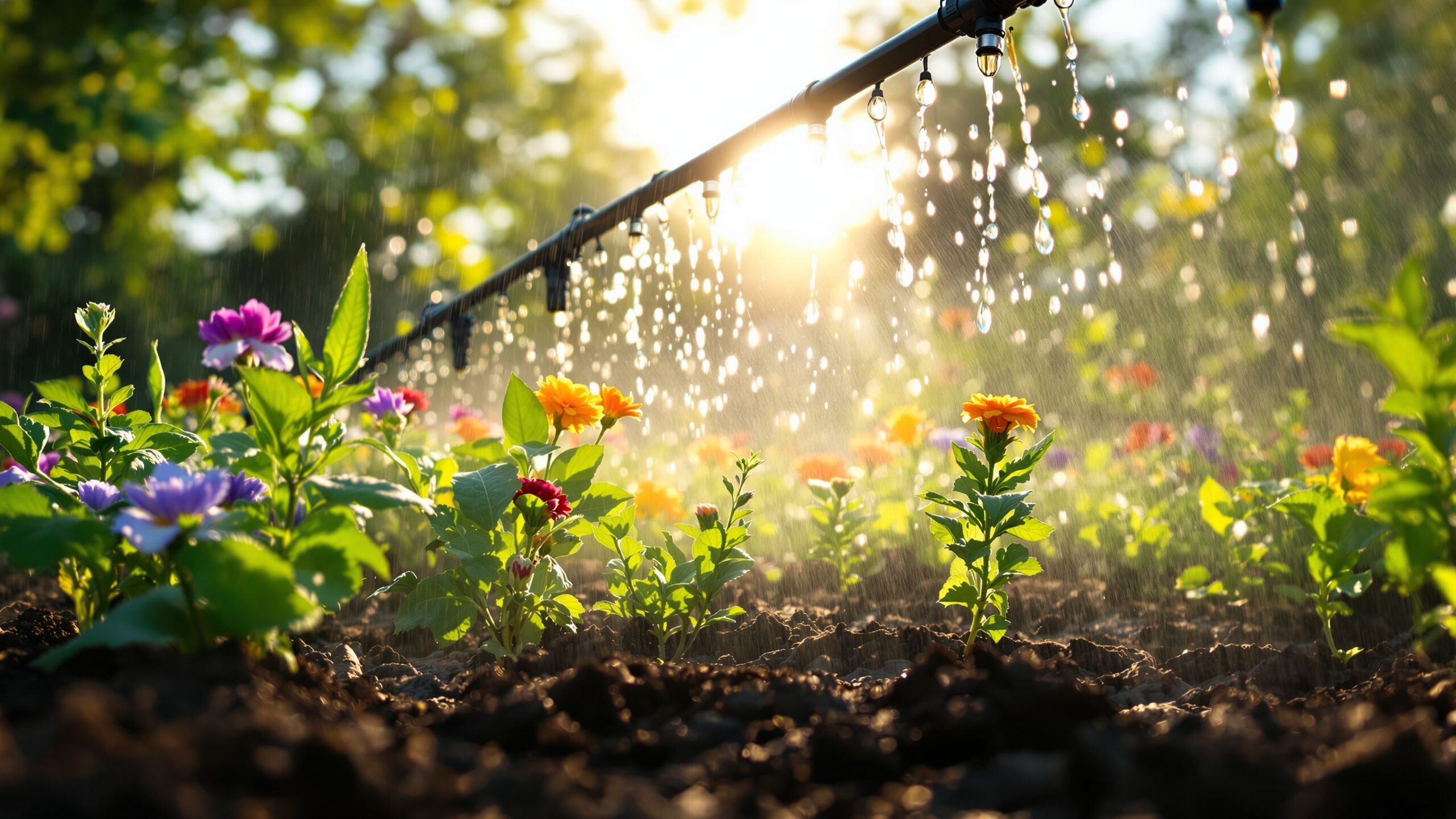
Minimizing water loss is essential for maintaining an efficient garden. Watering during the early morning hours reduces evaporation and allows moisture to penetrate the soil more effectively. Using drip irrigation or soaker hoses ensures that water is delivered directly to the root zone, where it is needed most. Avoiding overhead watering helps prevent unnecessary loss and reduces the risk of disease. These simple adjustments can make a significant difference in how much water your garden requires.
Incorporating Hardscaping for Efficiency
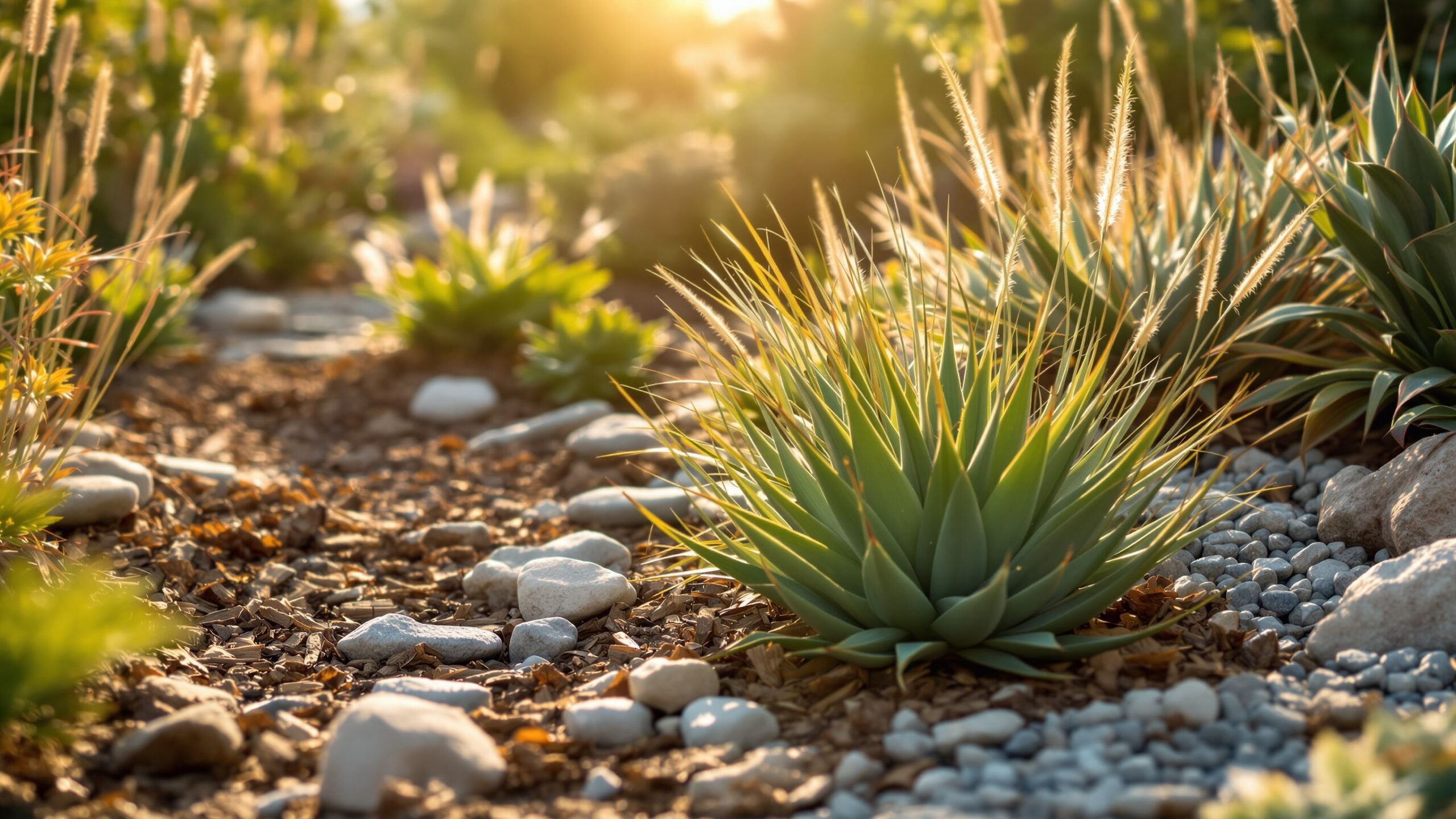
Hardscaping elements such as gravel paths, stone features, and decorative rocks can play an important role in drought-tolerant gardening. These features reduce the amount of planted area that requires watering while adding visual interest and structure to the garden. They also help control erosion and manage water flow, ensuring that moisture is directed toward plants rather than being lost to runoff. By integrating hardscaping into your design, you create a balanced landscape that is both functional and attractive.
Establishing Plants for Long-Term Success
Newly planted areas require more water during their establishment phase, but this is a temporary need. Once plants develop strong root systems, their water requirements decrease significantly. Providing consistent care during this initial period is essential for long-term success. Gradually reducing watering as plants mature encourages them to adapt to their environment and become more self-sufficient. This transition is a key step in creating a truly drought-tolerant garden.
Maintaining Your Garden with Minimal Water
Ongoing maintenance in a drought-tolerant garden focuses on supporting plant health while conserving resources. Regularly checking soil moisture, adjusting watering schedules, and replenishing mulch help maintain optimal conditions. Pruning and removing dead material improves airflow and reduces competition for water among plants. Over time, your garden will require less intervention as it becomes more established and balanced.
Embracing the Beauty of a Resilient Landscape
A drought-tolerant garden offers a unique aesthetic that celebrates natural textures, subtle colors, and organic forms. The combination of hardy plants, layered designs, and efficient use of space creates a landscape that feels both modern and timeless. Movement from grasses, the structure of shrubs, and the contrast of stone elements add depth and character. This style of gardening proves that reducing water use does not mean sacrificing beauty; instead, it opens the door to a new kind of elegance rooted in sustainability.
Final Thoughts on Drought-Tolerant Gardening
Drought-tolerant gardening is about more than conserving water; it is about creating a system that works in harmony with nature. By choosing the right plants, improving soil, using efficient watering methods, and designing thoughtfully, you can build a garden that thrives with less. This approach not only reduces environmental impact but also simplifies maintenance and enhances long-term success. With patience and care, your garden will become a resilient, vibrant space that continues to flourish even in challenging conditions.
Garden Product Reviews
Step into Mossy Streets’ Garden Product Reviews — your go-to guide for the best tools, gear, gifts, books, and garden gadgets rooted in nature. From blooming backyard beauties to lush indoor jungles, from heirloom seeds to high-tech composters, we dig into top-rated products for green thumbs, beginners, educators, and plant lovers alike. Whether you’re planting, pruning, decorating, or simply enjoying your green space, we’ve unearthed the best so you can grow, bloom, and thrive — all in one vibrant place!