One of the most common questions gardeners ask is how much water their garden truly needs, and the answer is both simple and complex at the same time. While plants rely heavily on water for survival, more water does not always mean healthier growth. In fact, overwatering is one of the most frequent mistakes gardeners make, often leading to weak roots, disease, and wasted resources. Understanding how much water your garden actually needs requires looking beyond a fixed number and considering factors such as soil, climate, plant types, and seasonal changes. When you learn to read these conditions, you can provide just the right amount of water to keep your garden thriving.
A: About 1 inch per week, but it varies based on plants, soil, and climate.
A: Usually no—deep, less frequent watering is more effective.
A: Early morning is ideal to reduce evaporation.
A: Yellowing leaves, soggy soil, and root rot are common signs.
A: Check soil moisture a few inches below the surface.
A: No, different species have different water requirements.
A: Yes, rainfall counts toward your weekly water total.
A: Yes, they dry out faster and need more frequent checks.
A: Yes, it reduces evaporation and keeps soil moisture stable.
A: Yes, with efficient watering practices and proper plant choices.
The General Rule of Thumb
A widely accepted guideline for most gardens is that plants need about one inch of water per week, either from rainfall or supplemental watering. This amount is generally enough to keep soil consistently moist without becoming waterlogged. However, this rule is only a starting point, not a strict requirement. Some plants need more, while others thrive with less, and environmental conditions can significantly alter how much water is necessary. Treating this guideline as flexible rather than fixed allows you to adapt your watering practices to the specific needs of your garden.
How Soil Type Affects Water Needs
Soil plays a major role in determining how much water your garden requires. Sandy soil drains quickly and holds very little moisture, meaning plants may need more frequent watering to stay hydrated. Clay soil, on the other hand, retains water for longer periods but can become compacted and slow to absorb moisture. Loamy soil, which contains a balanced mix of sand, silt, and clay, offers the best water retention and drainage, making it ideal for most gardens. Improving your soil with organic matter helps it hold water more effectively, reducing the need for constant irrigation and supporting healthier plant growth.
Climate and Weather Considerations
Weather conditions have a direct impact on how much water your garden needs. Hot, dry, and windy environments increase evaporation, causing soil to dry out more quickly and requiring more frequent watering. Cooler, humid climates reduce water loss, allowing soil to stay moist for longer periods. Rainfall also plays a significant role, as natural precipitation can meet or exceed your garden’s water requirements. Adjusting your watering schedule based on current weather conditions ensures that you are not overwatering during rainy periods or underwatering during heat waves.
Different Plants, Different Needs
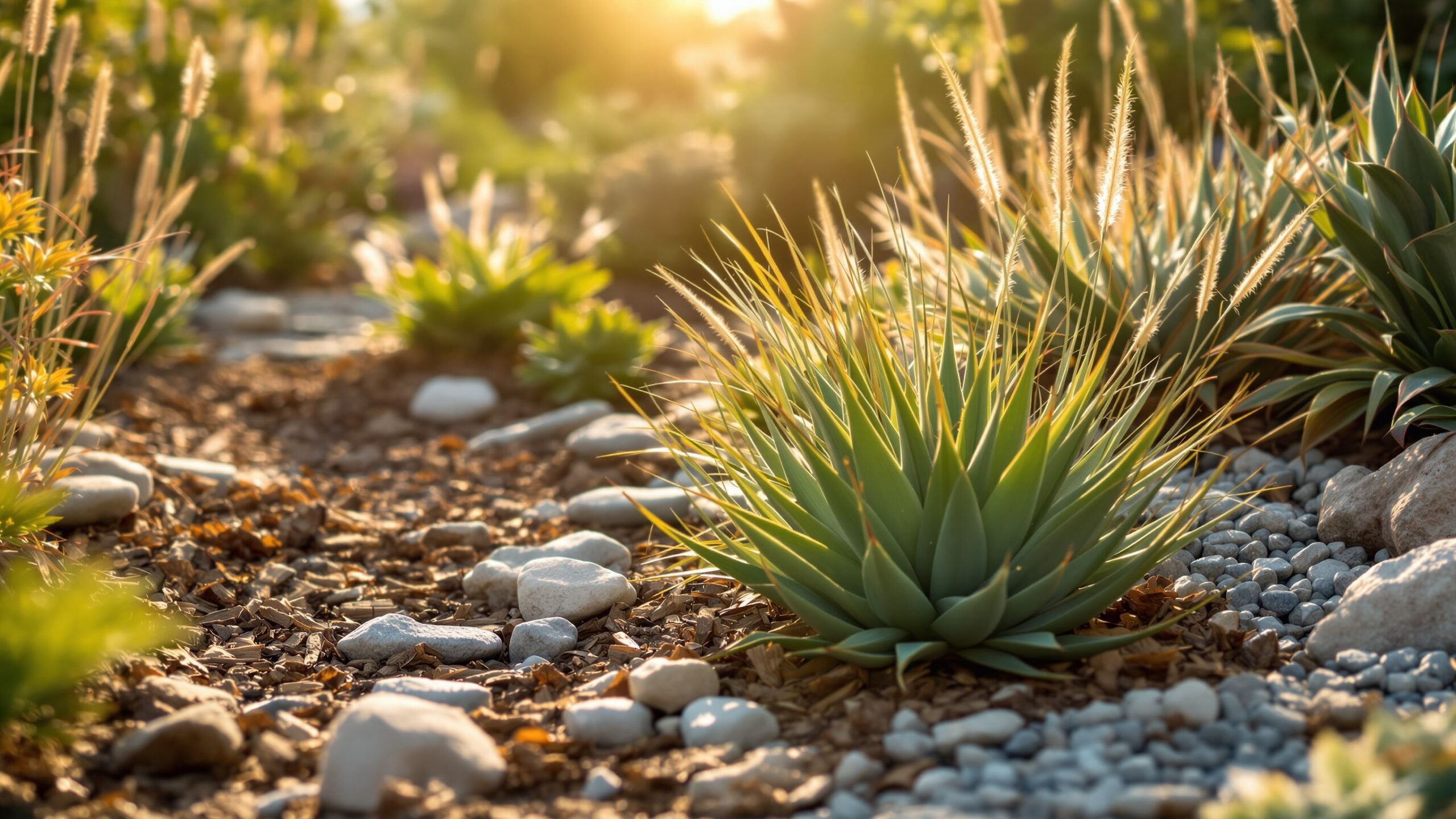
Not all plants have the same water requirements, and understanding these differences is essential for effective watering. Vegetables and flowering plants often need consistent moisture to produce healthy growth and yields, while drought-tolerant plants and native species can thrive with minimal watering once established. Trees and shrubs typically require deep, infrequent watering to support their extensive root systems. By grouping plants with similar water needs together, you can tailor your watering practices more effectively and avoid wasting water on areas that do not require it.
The Importance of Deep Watering
Deep watering is one of the most effective techniques for maintaining a healthy garden. Instead of applying small amounts of water frequently, deep watering allows moisture to penetrate the soil and reach the root zone. This encourages roots to grow deeper, making plants more resilient to drought and less dependent on constant watering. Shallow watering, by contrast, keeps roots near the surface, where they are more vulnerable to drying out. By watering deeply and less often, you promote stronger, more self-sufficient plants.
Signs Your Garden Needs Water
Learning to recognize when your garden needs water is more effective than following a strict schedule. Dry, crumbly soil, wilting leaves, and slower growth are common signs that plants require more moisture. Checking the soil a few inches below the surface provides a more accurate indication of moisture levels than relying on surface appearance alone. If the soil feels dry at that depth, it is time to water. Observing your plants regularly helps you respond to their needs and avoid both overwatering and underwatering.
Signs of Overwatering
Just as plants can suffer from too little water, they can also be harmed by too much. Overwatering can lead to yellowing leaves, root rot, and a lack of oxygen in the soil. Waterlogged conditions create an environment where harmful fungi and bacteria can thrive, weakening plants and reducing their ability to absorb nutrients. If the soil remains consistently wet or plants show signs of stress despite regular watering, it may be necessary to reduce the amount of water being applied. Finding the right balance is key to maintaining plant health.
Timing Matters More Than Quantity
When you water your garden can be just as important as how much you water. Early morning is the ideal time, as cooler temperatures allow water to soak into the soil before evaporation occurs. Watering in the evening can also be effective, though it may increase the risk of disease if foliage remains wet overnight. Avoid watering during the heat of the day, when much of the water can be lost to evaporation. Proper timing ensures that the water you use is absorbed efficiently and benefits your plants.
Using Efficient Watering Methods
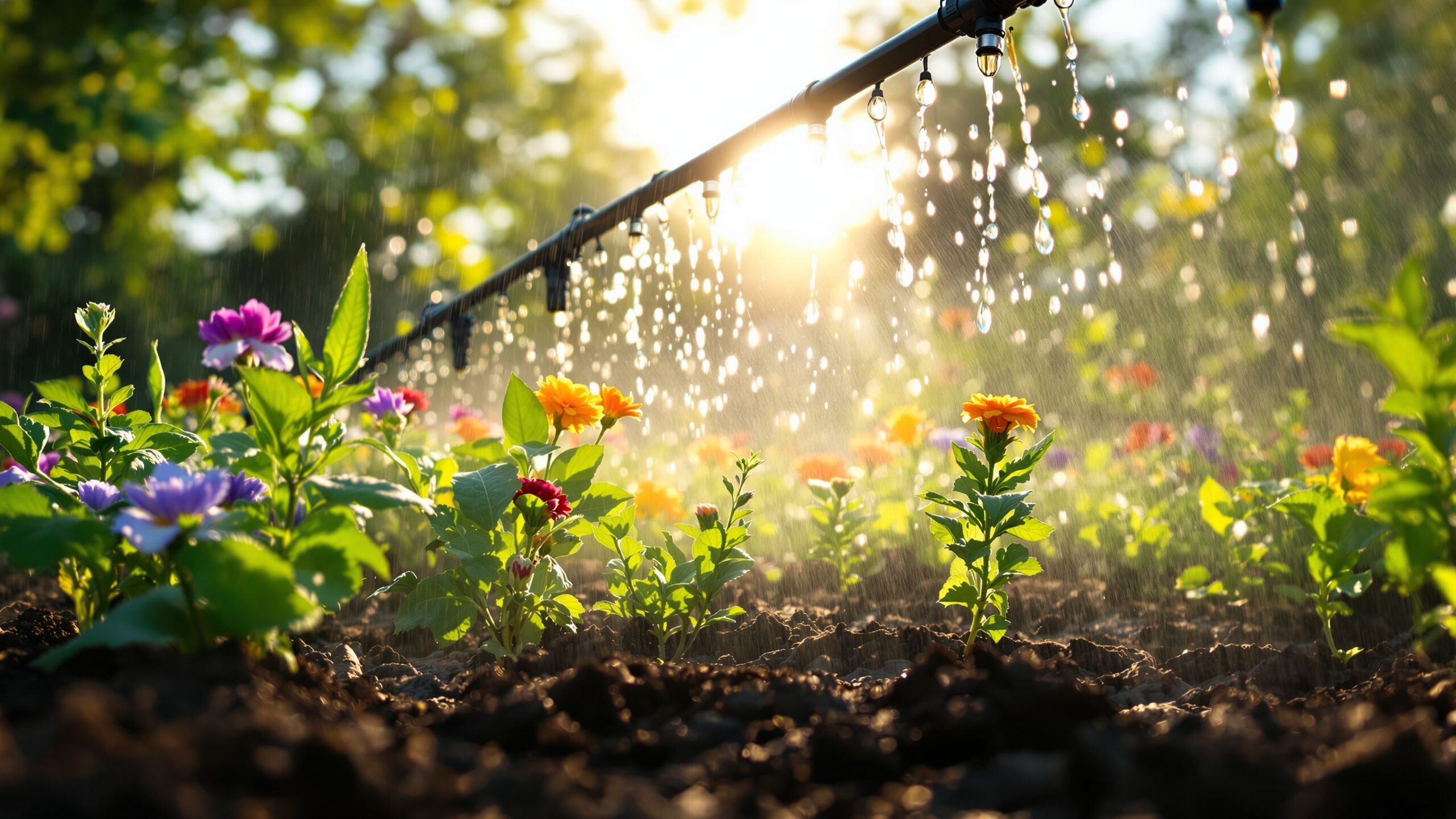
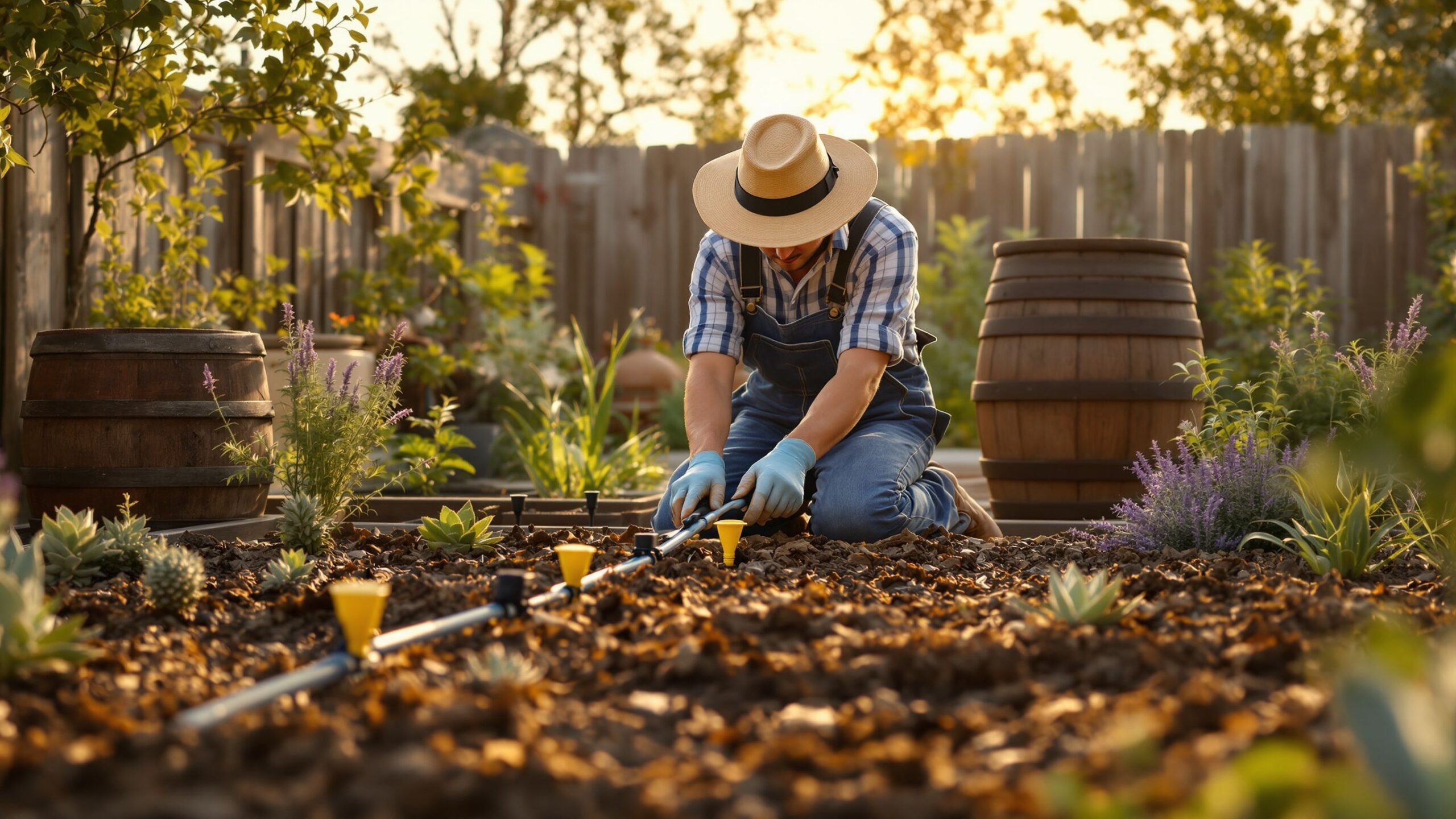
The method you use to water your garden can greatly influence how much water is actually needed. Drip irrigation systems and soaker hoses deliver water directly to the root zone, minimizing waste and ensuring that moisture reaches where it is most needed. Traditional sprinklers, while convenient, often result in uneven distribution and higher evaporation rates. Choosing efficient watering methods allows you to use less water while achieving better results.
Seasonal Adjustments for Better Results
Water needs change throughout the year, making it important to adjust your practices accordingly. During the growing season, plants require more water to support active growth, while cooler months may require less frequent watering. Newly planted areas need extra attention until roots are established, after which watering can be reduced. Paying attention to seasonal changes helps you provide the right amount of water at the right time, supporting long-term plant health.
Creating a Balanced Watering Strategy
The most effective approach to watering your garden is one that combines observation, knowledge, and flexibility. By considering soil type, plant needs, weather conditions, and efficient techniques, you can develop a strategy that delivers the right amount of water without waste. This balanced approach not only conserves resources but also promotes stronger, healthier plants that are better equipped to handle environmental stress.
Final Thoughts on Garden Water Needs
Understanding how much water your garden really needs is about learning to work with nature rather than relying on rigid rules. While general guidelines provide a helpful starting point, the true key lies in observing your garden and responding to its unique conditions. With thoughtful watering practices and a focus on efficiency, you can create a garden that thrives with just the right amount of water, ensuring both beauty and sustainability for years to come.
Garden Product Reviews
Step into Mossy Streets’ Garden Product Reviews — your go-to guide for the best tools, gear, gifts, books, and garden gadgets rooted in nature. From blooming backyard beauties to lush indoor jungles, from heirloom seeds to high-tech composters, we dig into top-rated products for green thumbs, beginners, educators, and plant lovers alike. Whether you’re planting, pruning, decorating, or simply enjoying your green space, we’ve unearthed the best so you can grow, bloom, and thrive — all in one vibrant place!