Water-wise gardening is no longer just an environmental trend; it has become a necessary approach for maintaining healthy landscapes in a world where water resources are increasingly limited. The challenge many gardeners face is finding ways to reduce water usage without compromising the health, beauty, or productivity of their plants. The good news is that the most effective water-wise practices do not weaken your garden—they strengthen it. By focusing on efficiency, soil health, and smart design, you can create a landscape that thrives with less water while remaining lush, vibrant, and full of life.
A: Use deep watering, mulch, and efficient irrigation like drip systems.
A: Less frequently but more deeply to encourage strong roots.
A: Yes, it significantly reduces evaporation and keeps soil cool.
A: Yes, once established they need less water and care.
A: Yes, with proper soil, mulch, and efficient watering techniques.
A: Yes, it reduces waste by targeting plant roots directly.
A: Absolutely, it improves soil structure and moisture holding capacity.
A: Early morning is ideal to reduce evaporation.
A: Yes, they are often easier to manage and optimize.
A: No, when done correctly it leads to healthier, stronger plants.
Understanding the Principles of Water Efficiency
At the core of water-wise gardening is the idea that water should be used intentionally and efficiently. Traditional watering methods often waste a significant amount of water through evaporation, runoff, and overwatering. Plants do not need constant moisture; they need consistent access to it in the root zone. When water is applied deeply and less frequently, roots are encouraged to grow downward in search of moisture, creating stronger and more drought-resistant plants. This shift in watering philosophy is one of the most important steps toward reducing water use without sacrificing plant health.
Building Healthy Soil That Holds Water
One of the most powerful ways to conserve water is by improving the soil in your garden. Soil that is rich in organic matter can retain moisture far more effectively than dry, compacted soil. Compost, leaf mold, and other organic amendments act like natural reservoirs, holding water and releasing it gradually to plant roots. This reduces the need for frequent watering and helps plants remain hydrated during dry periods. Healthy soil also supports beneficial microorganisms that contribute to plant resilience, making your garden stronger overall.
Mulching for Maximum Moisture Retention
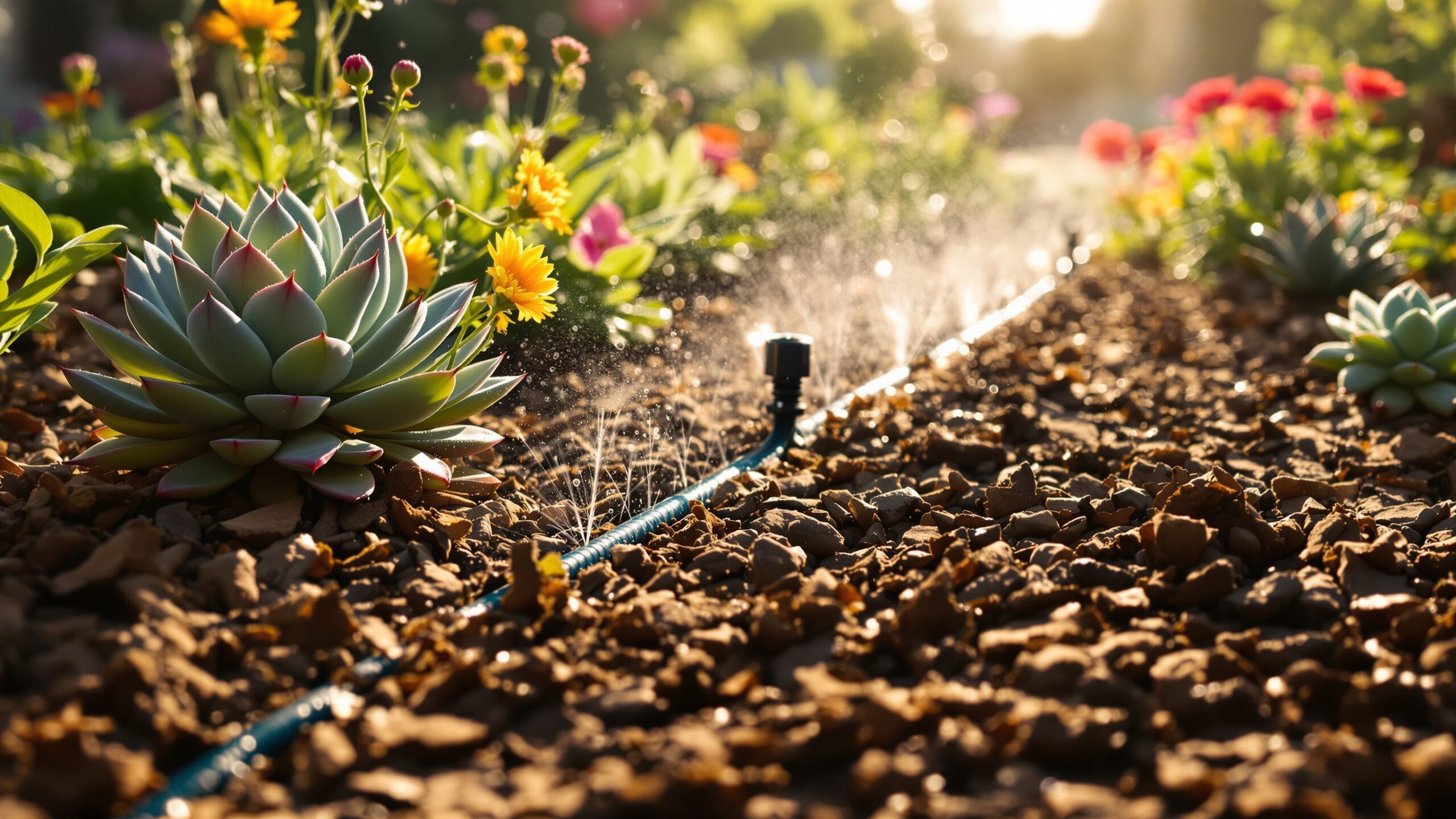
Mulch is a simple yet transformative tool in water-wise gardening. By covering the soil with organic materials such as wood chips, bark, or straw, you create a protective barrier that reduces evaporation and keeps moisture locked in. Mulch also regulates soil temperature, preventing extreme heat from drying out the ground too quickly. Over time, organic mulch breaks down and enriches the soil, further enhancing its ability to retain water. This practice not only conserves water but also improves the overall structure and fertility of your garden.
Choosing Plants That Thrive with Less Water
Plant selection is one of the most effective ways to reduce water consumption. Drought-tolerant and native plants are naturally adapted to survive with minimal irrigation, making them ideal for water-wise gardens. These plants often have deep root systems, waxy leaves, or other features that help them conserve moisture. By choosing species that are suited to your local climate, you reduce the need for supplemental watering and create a garden that is more resilient to changing conditions. Mixing these plants with others that have moderate water needs allows you to maintain diversity while still conserving resources.
Using Efficient Irrigation Systems
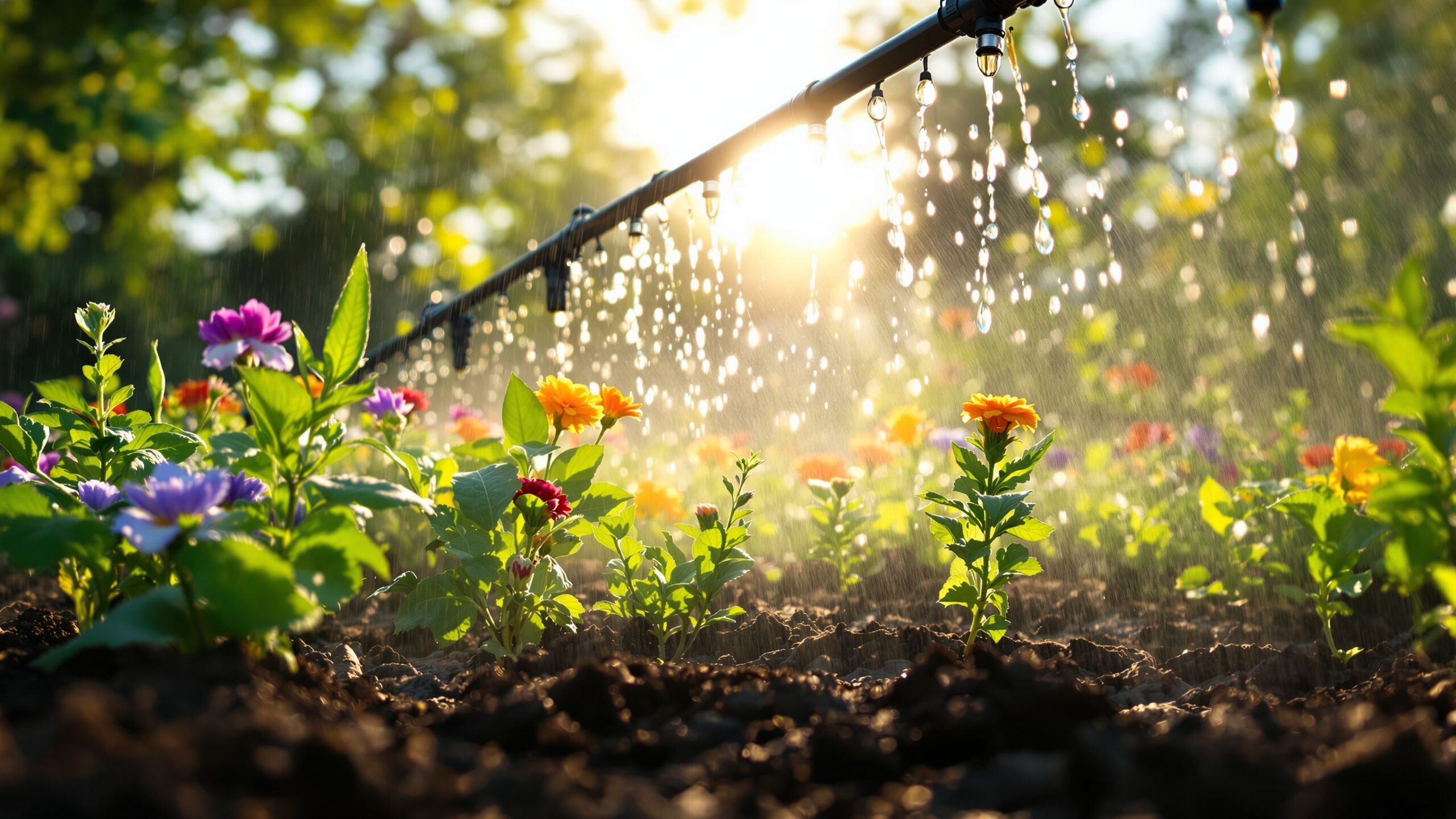
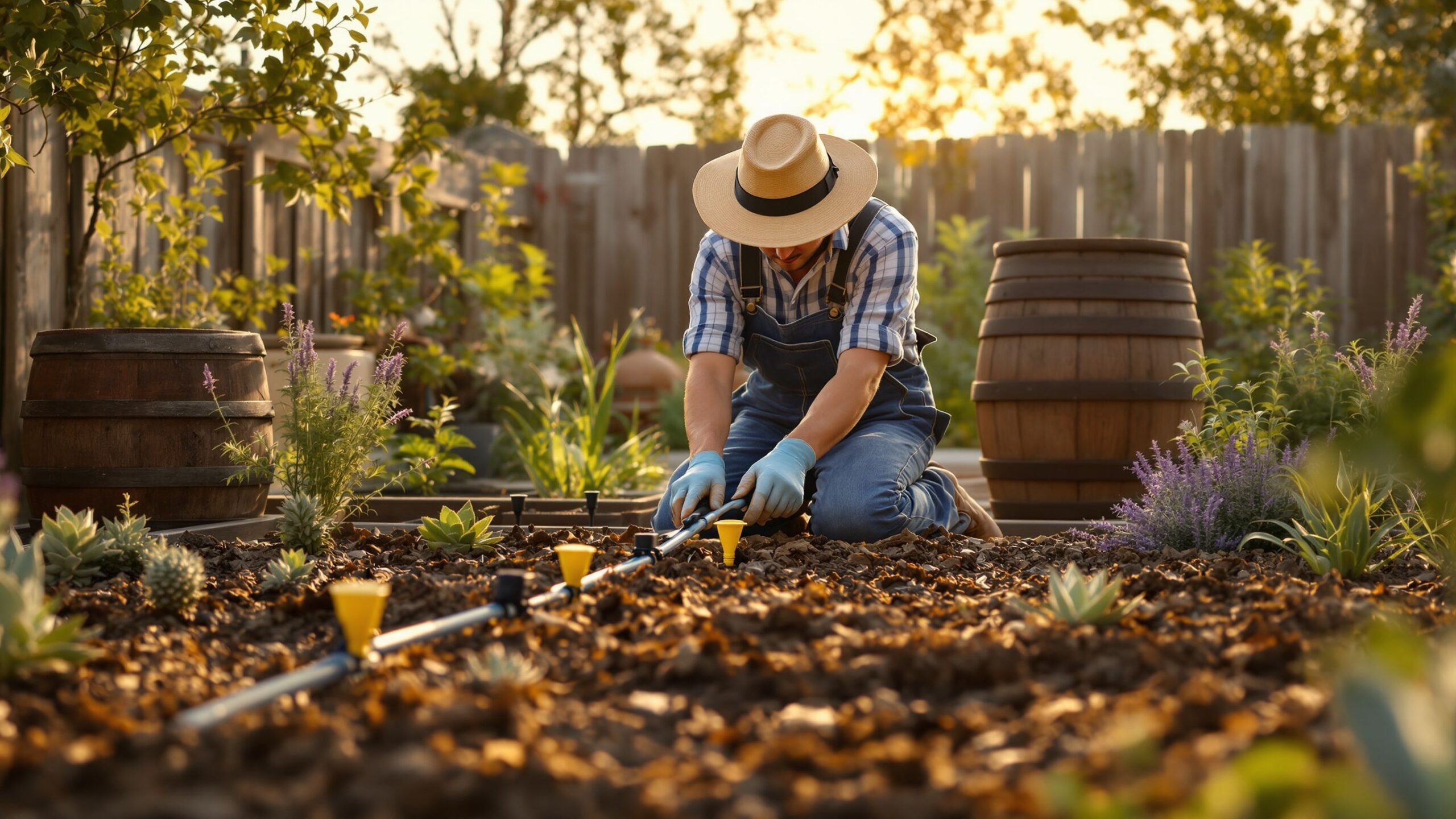
Modern irrigation systems can significantly reduce water waste when used correctly. Drip irrigation and soaker hoses deliver water directly to the root zone, minimizing evaporation and ensuring that plants receive the moisture they need. Unlike traditional sprinklers, these systems target specific areas, preventing unnecessary watering of paths or empty spaces. Adding timers or smart controllers allows you to automate watering schedules based on weather conditions, further improving efficiency. This precision ensures that every drop of water is used effectively.
Watering at the Right Time of Day
Timing plays a critical role in water conservation. Watering early in the morning allows moisture to soak into the soil before the heat of the day causes evaporation. Evening watering can also be effective, though it may increase the risk of fungal issues if leaves remain wet overnight. Avoid watering during midday, when the sun is strongest and water is most likely to be lost. By adjusting your watering schedule, you can maximize efficiency and ensure that plants receive the full benefit of every watering session.
Grouping Plants by Water Needs
Organizing your garden based on plant water requirements is a highly effective strategy for reducing waste. By grouping plants with similar needs together, you can tailor your watering practices to each section of the garden. This method, often referred to as hydrozoning, prevents overwatering in some areas and underwatering in others. Plants that require frequent moisture can be placed in one zone, while drought-tolerant species can thrive in another with minimal irrigation. This thoughtful arrangement allows you to manage water use more precisely.
Reducing Runoff and Improving Absorption
Water that runs off the surface of your garden is water that is not being used effectively. Improving soil structure, adding organic matter, and creating gentle slopes or basins can help water soak into the ground rather than flowing away. Techniques such as contour planting or using raised beds can also enhance water absorption. By slowing down the movement of water, you give it more time to penetrate the soil and reach plant roots, increasing efficiency and reducing waste.
Capturing and Reusing Water
Collecting rainwater is one of the most sustainable practices in water-wise gardening. Rain barrels and collection systems allow you to store water during wet periods and use it during dry spells. This reduces reliance on external water sources and provides plants with a natural, chemical-free supply. In some cases, safely reusing household water can also contribute to conservation efforts. By making the most of available resources, you create a garden that is both efficient and environmentally responsible.
Reducing High-Water Features Like Lawns
Traditional lawns require significant amounts of water to maintain their appearance, making them one of the least efficient elements in many gardens. Reducing lawn areas or replacing them with drought-tolerant ground covers, native plant beds, or decorative landscapes can dramatically decrease water usage. These alternatives often require less maintenance and provide greater ecological benefits, supporting pollinators and wildlife while enhancing visual appeal. Transitioning away from water-intensive features is a key step in creating a sustainable garden.
Monitoring and Adapting Your Garden Over Time
Water-wise gardening is an ongoing process that evolves as your garden grows and conditions change. Regular observation helps you understand how plants respond to your watering practices and where adjustments may be needed. Signs of overwatering, such as yellowing leaves or soggy soil, indicate that water use can be reduced, while wilting or dry soil may signal the need for deeper watering. By staying attentive and flexible, you can refine your approach and maintain a balance that supports both conservation and plant health.
Creating a Garden That Thrives with Less
The ultimate goal of water-wise gardening is to create a landscape that remains healthy and vibrant while using fewer resources. By combining efficient irrigation, healthy soil, thoughtful plant selection, and smart design, you build a system that supports itself. This resilience not only conserves water but also prepares your garden to withstand drought and environmental stress. Over time, your garden becomes a model of sustainability, demonstrating that less water does not mean less beauty.
Final Thoughts on Water-Wise Gardening
The best water-wise gardening practices are those that work with nature rather than against it. By focusing on efficiency, sustainability, and long-term health, you can reduce water use without sacrificing the quality of your garden. Each improvement, from mulching to smart irrigation, contributes to a more balanced and resilient ecosystem. With the right strategies in place, your garden can flourish while conserving one of our most valuable resources, proving that thoughtful gardening can make a meaningful difference.
Garden Product Reviews
Step into Mossy Streets’ Garden Product Reviews — your go-to guide for the best tools, gear, gifts, books, and garden gadgets rooted in nature. From blooming backyard beauties to lush indoor jungles, from heirloom seeds to high-tech composters, we dig into top-rated products for green thumbs, beginners, educators, and plant lovers alike. Whether you’re planting, pruning, decorating, or simply enjoying your green space, we’ve unearthed the best so you can grow, bloom, and thrive — all in one vibrant place!