Water is the lifeblood of every garden. From lush vegetable beds to vibrant flower borders, every plant relies on moisture to grow, bloom, and thrive. Yet water is also one of the most precious resources on the planet, and gardeners everywhere are beginning to recognize the importance of using it wisely. As climate patterns shift and drought conditions become more common in many regions, water conservation in gardening has moved from a helpful practice to an essential skill. The good news is that conserving water does not mean sacrificing a beautiful, productive garden. In fact, gardens designed with water efficiency in mind often become healthier, more resilient, and easier to maintain. By understanding how plants use water and applying simple conservation techniques, even beginner gardeners can dramatically reduce water use while keeping their plants flourishing. This guide explores the principles and practical methods behind water-smart gardening. Whether you are starting your first backyard garden or looking to make your existing one more sustainable, learning how to conserve water will help your garden thrive while protecting one of nature’s most valuable resources.
A: It depends on plant type, weather, and soil, but it is best to check the soil first instead of watering automatically.
A: Yes, morning watering usually reduces evaporation and gives plants time to dry off during the day.
A: Start with mulch, water deeply, and avoid watering when the soil is still moist.
A: Usually yes, because drip systems target the roots and waste less water.
A: Absolutely, especially if you improve the soil, mulch well, and use efficient watering methods.
A: Yes, containers often dry out faster and need closer monitoring.
A: Organic mulches like bark, straw, shredded leaves, and wood chips are excellent choices for many gardens.
A: Not always; deep watering less often is usually better than frequent shallow watering.
A: Yes, too much water can suffocate roots and encourage rot or disease.
A: No, every garden benefits from smarter watering, healthier soil, and less waste.
Why Water Conservation Matters in Gardening
Gardening traditionally relies heavily on water, especially in regions where rainfall is unpredictable. Many beginners assume that more water automatically means healthier plants, but this is rarely the case. Overwatering is one of the most common gardening mistakes, leading to weak roots, plant disease, and wasted resources.
Water conservation is important for several reasons. First, freshwater supplies are limited. In many areas, residential irrigation accounts for a significant portion of household water usage. Reducing this demand helps protect local water systems and reduces strain during drought periods.
Second, water-efficient gardens are healthier. Plants that are watered properly develop deeper root systems, allowing them to withstand heat and dry spells more effectively. Rather than becoming dependent on frequent watering, these plants grow stronger and more resilient.
Finally, conserving water saves money. Lower water bills and reduced irrigation needs make gardening more affordable over time. With thoughtful design and smart watering techniques, gardeners can achieve beautiful landscapes while using far less water.
Understanding How Plants Use Water
To conserve water effectively, it helps to understand how plants actually use it. Water plays several critical roles in plant health. It transports nutrients from the soil to the leaves, supports photosynthesis, regulates temperature, and maintains plant structure.
Most water used by plants is absorbed through the roots and then released into the air through a process called transpiration. This natural cycle helps cool the plant and maintain healthy growth. However, much of the water applied to gardens never reaches the roots. Instead, it evaporates from the soil surface or is lost through runoff.
The goal of water-efficient gardening is to maximize the amount of water that reaches plant roots while minimizing waste. This can be achieved through soil improvement, proper watering methods, plant selection, and thoughtful garden design.
Improving Soil for Better Water Retention
Healthy soil is the foundation of a water-efficient garden. Soil that holds moisture effectively reduces the need for frequent watering and helps plants stay hydrated between irrigation cycles.
Organic matter plays a major role in soil water retention. Materials such as compost, aged manure, leaf mold, and organic mulches improve soil structure and increase its ability to store water. When organic matter is mixed into garden beds, it creates small pockets that trap moisture and release it slowly over time.
Sandy soils tend to drain quickly and lose water rapidly, while clay soils can hold water but may drain poorly. Adding organic material improves both types of soil. It allows sandy soil to retain moisture longer and helps clay soil drain more evenly while still holding essential water.
Regular soil improvement is one of the most effective long-term strategies for water conservation in gardening. Over time, enriched soil becomes more resilient, fertile, and capable of supporting healthy plant growth with less irrigation.
Choosing Water-Efficient Plants
One of the easiest ways to reduce water use in the garden is by selecting plants that naturally require less moisture. Many beginner gardeners unknowingly choose plants that demand frequent watering, making their gardens harder to maintain.
Native plants are among the best options for water-efficient gardening. Because they evolved in local climates, they are naturally adapted to regional rainfall patterns and soil conditions. Once established, many native plants require very little supplemental watering.
Drought-tolerant plants are another excellent choice. These species have developed strategies to survive with minimal water, such as deep root systems, waxy leaves, or water-storing tissues. Mediterranean herbs like rosemary, lavender, and thyme are famous for thriving in dry conditions, while many ornamental grasses and succulents also require minimal irrigation.
Grouping plants with similar water needs together is another helpful strategy. Known as hydrozoning, this approach ensures that plants receive the appropriate amount of water without wasting resources on species that need less moisture.
The Power of Mulching
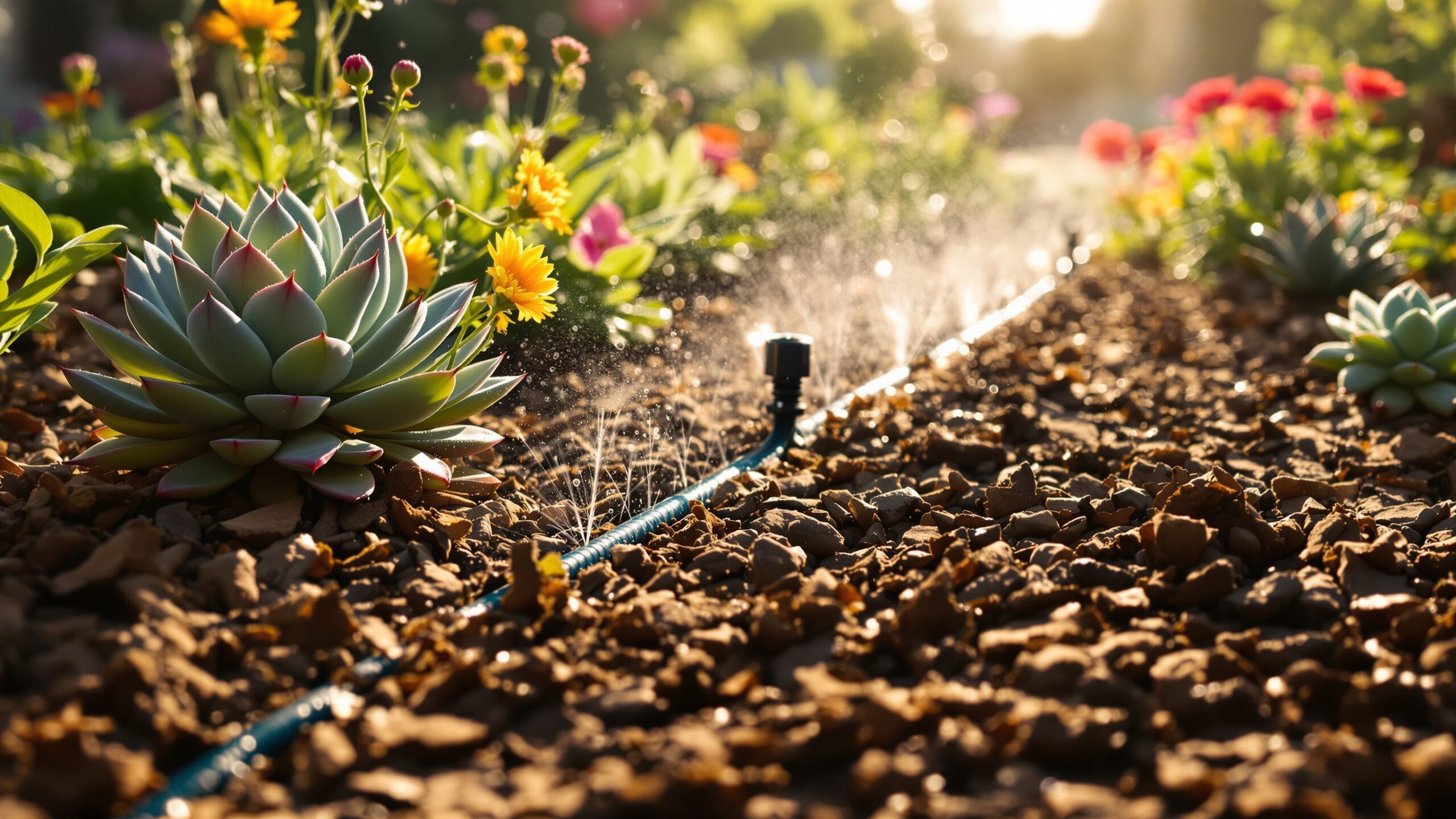
Mulching is one of the simplest and most effective techniques for conserving water in the garden. A layer of mulch placed over the soil surface acts as a protective barrier that slows evaporation and keeps moisture trapped in the ground.
Organic mulches such as wood chips, straw, shredded leaves, and bark gradually break down over time, adding nutrients to the soil while improving water retention. In addition to conserving water, mulch also suppresses weeds, regulates soil temperature, and protects soil structure.
In hot climates, mulching can reduce water evaporation by a significant margin. Soil that is exposed directly to sunlight loses moisture quickly, but mulch creates shade and insulation, helping the soil stay cool and damp.
For best results, gardeners should apply a mulch layer that is several inches thick around plants and across garden beds. Care should be taken to keep mulch slightly away from plant stems to prevent rot or pest issues.
Smart Watering Techniques
How and when a garden is watered can dramatically affect water efficiency. Traditional watering methods often waste large amounts of water through evaporation and runoff.
One of the most effective strategies is watering deeply but less frequently. Deep watering encourages plants to develop stronger root systems that grow deeper into the soil where moisture is more stable. Shallow, frequent watering leads to weak roots that stay near the surface and dry out quickly.
Timing is also important. Watering early in the morning allows plants to absorb moisture before the heat of the day causes evaporation. Evening watering can also be effective, although prolonged moisture overnight may increase the risk of fungal diseases in some plants.
Applying water directly to the soil rather than spraying leaves also improves efficiency. When water is delivered straight to the root zone, plants receive the moisture they need without unnecessary waste.
Drip Irrigation and Efficient Watering Systems
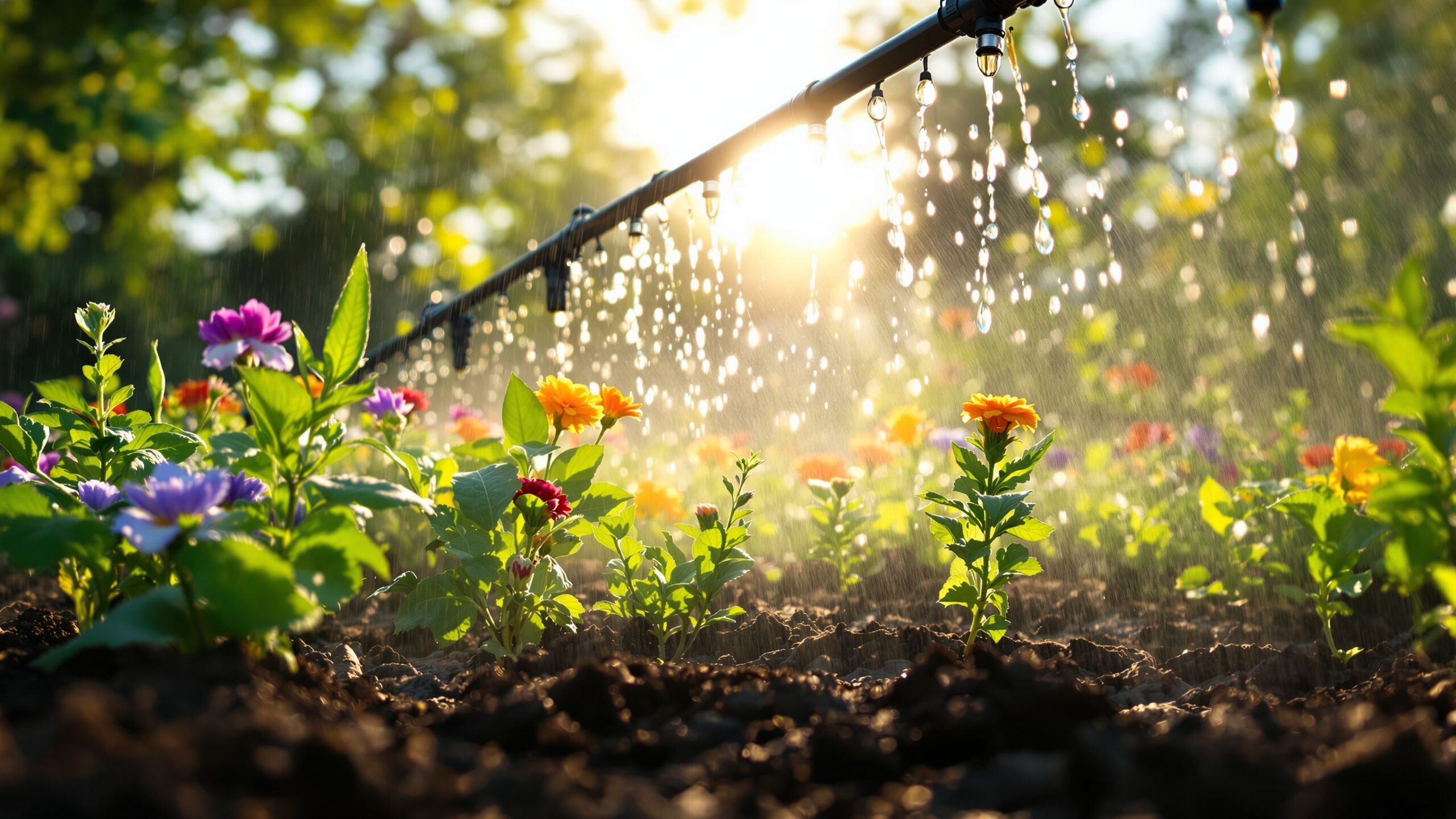
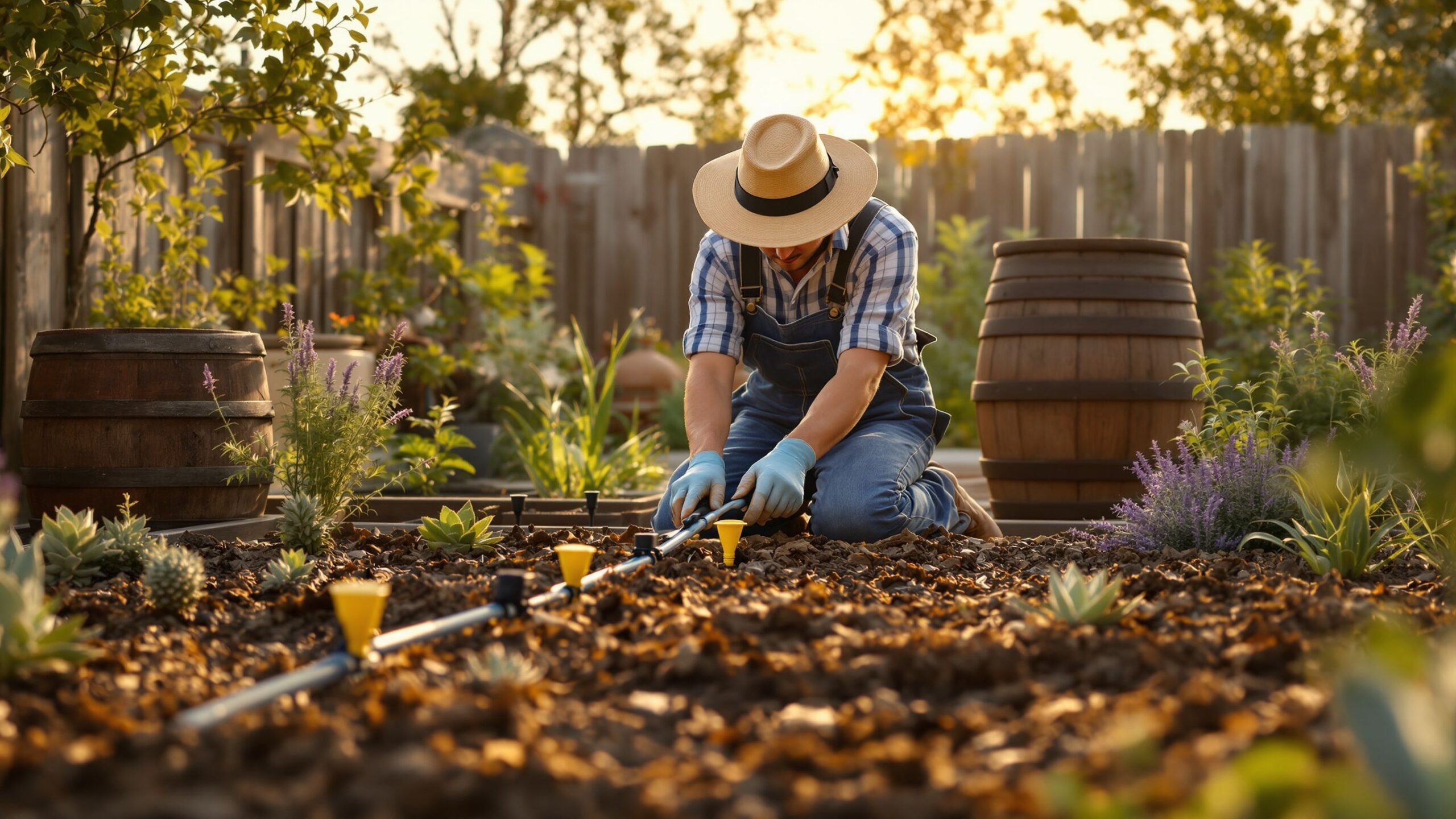
Modern irrigation systems have transformed the way gardeners conserve water. Among the most effective solutions is drip irrigation, which delivers water slowly and directly to plant roots through a network of tubes and emitters.
Unlike traditional sprinklers, drip irrigation minimizes evaporation and runoff by applying water precisely where it is needed. This targeted approach can reduce water usage dramatically while improving plant health.
Soaker hoses provide a similar benefit. These porous hoses allow water to seep gradually into the soil along the length of the hose, ensuring even moisture distribution across garden beds.
Many gardeners also incorporate timers and moisture sensors into their irrigation systems. These tools automate watering schedules and prevent overwatering by delivering water only when plants actually need it.
Capturing and Reusing Rainwater
Rainwater harvesting is another powerful method of conserving water in the garden. By capturing rain from rooftops and storing it in containers such as rain barrels or cisterns, gardeners can create a free and sustainable water source.
Rainwater is often ideal for plants because it is naturally soft and free of many chemicals found in treated tap water. Using collected rainwater reduces dependence on municipal water supplies and provides a valuable reserve during dry periods.
Even small rain collection systems can make a meaningful difference. A single rainstorm can fill barrels quickly, providing enough water to sustain garden beds for days or even weeks.
Gardeners who wish to expand their rainwater harvesting systems can install larger storage tanks or integrate rain gardens into their landscapes. Rain gardens are specially designed planting areas that capture and absorb runoff, allowing water to slowly infiltrate the soil rather than flowing away.
Designing a Water-Wise Garden
Garden design plays a significant role in water conservation. A thoughtfully planned landscape can reduce water needs dramatically while maintaining visual beauty and productivity.
One important design strategy is reducing large areas of thirsty lawn. Traditional lawns require frequent watering and maintenance. Replacing sections of lawn with drought-tolerant plants, vegetable beds, or native wildflower gardens can significantly lower water consumption.
Garden layout also affects water efficiency. Planting windbreaks, trees, or hedges can reduce drying winds that increase evaporation. Strategic shading from trees or structures can protect delicate plants from extreme heat.
Terracing and contour planting can help gardens retain water on sloped landscapes. These methods slow runoff and allow water to soak deeper into the soil rather than washing away.
Preventing Water Waste in the Garden
Water conservation is not only about adding new techniques but also about eliminating waste. Many gardens lose water through simple issues that are easy to correct.
Leaks in irrigation systems can waste significant amounts of water if left unnoticed. Regular inspection of hoses, emitters, and connectors helps ensure that water flows only where it is intended.
Runoff is another common problem. When water is applied faster than soil can absorb it, it flows away from the root zone. Slowing irrigation rates or using drip systems can prevent this issue.
Overwatering is perhaps the most frequent mistake. Many gardeners water according to routine rather than observing plant needs. Checking soil moisture before watering ensures that plants receive water only when necessary.
Seasonal Strategies for Water Conservation
Water needs change throughout the year, and adjusting gardening practices seasonally can improve efficiency.
In spring, soil moisture is often higher due to rainfall and cooler temperatures. During this period, gardeners may need to water less frequently while focusing on soil preparation and planting.
Summer typically brings the greatest water demand. Applying mulch, watering deeply, and monitoring plant health become especially important during hot months. Early morning watering can make a significant difference in reducing evaporation.
In autumn, cooler temperatures reduce plant water requirements. Gardeners can gradually reduce irrigation while continuing to improve soil with compost and organic matter.
Winter gardening varies depending on climate. In some regions, rainfall provides sufficient moisture, while in others occasional watering may still be necessary for evergreen plants.
Building Long-Term Garden Resilience
Water conservation is not simply about short-term savings. Over time, water-smart gardening creates landscapes that are naturally resilient and easier to maintain.
Healthy soil, drought-adapted plants, and efficient irrigation systems work together to create a balanced ecosystem. These gardens require less maintenance, fewer inputs, and fewer resources overall.
As gardeners gain experience with water conservation, they often discover that their landscapes become more diverse and vibrant. Native plants attract pollinators, organic soil practices support beneficial microorganisms, and thoughtful design encourages ecological balance.
This approach transforms gardening into a partnership with nature rather than a struggle against environmental limitations.
The Future of Sustainable Gardening
As global awareness of environmental sustainability grows, water conservation in gardening will continue to play a vital role in responsible landscaping. Home gardens, community gardens, and urban green spaces all contribute to the health of local ecosystems.
By adopting water-efficient practices, gardeners help protect freshwater resources while creating beautiful outdoor environments. These small changes collectively make a significant impact when adopted by communities worldwide.
For beginners, the journey toward water-smart gardening begins with simple steps. Improving soil, choosing the right plants, applying mulch, and watering wisely are powerful strategies that can transform any garden.
Final Thoughts
Water conservation in gardening is both a practical skill and an environmental responsibility. By learning how plants interact with water and applying thoughtful gardening techniques, beginners can create thriving landscapes that use water efficiently.
A water-wise garden is not only sustainable but also rewarding. Plants grow stronger, maintenance becomes easier, and the garden becomes more resilient to changing weather patterns.
With patience, observation, and a commitment to smart gardening practices, anyone can cultivate a garden that is both beautiful and environmentally responsible. The path to water conservation begins with understanding the needs of plants and the value of the resources that sustain them.
Garden Product Reviews
Step into Mossy Streets’ Garden Product Reviews — your go-to guide for the best tools, gear, gifts, books, and garden gadgets rooted in nature. From blooming backyard beauties to lush indoor jungles, from heirloom seeds to high-tech composters, we dig into top-rated products for green thumbs, beginners, educators, and plant lovers alike. Whether you’re planting, pruning, decorating, or simply enjoying your green space, we’ve unearthed the best so you can grow, bloom, and thrive — all in one vibrant place!