Gardening has always been about nurturing life. For centuries, people have cultivated plants to feed their families, beautify their homes, and connect with nature. In recent years, however, a new movement has begun transforming the way gardeners think about the land they care for. This movement is known as regenerative gardening. Unlike traditional gardening methods that focus mainly on growing plants, regenerative gardening aims to restore and strengthen the natural systems that support plant life. It is a holistic approach that prioritizes soil health, biodiversity, and ecological balance. Instead of simply maintaining a garden, regenerative gardening seeks to improve the land so it becomes more fertile, resilient, and productive over time. For beginners, the concept might sound complex, but the principles are surprisingly simple. Regenerative gardening is about working with nature rather than against it. By understanding how ecosystems function and adopting practices that mimic natural processes, gardeners can create thriving landscapes that support both plants and the environment. This guide introduces the fundamentals of regenerative gardening and explains how beginners can begin transforming their gardens into living ecosystems that grow healthier each year.
A: It is gardening in a way that improves soil health, supports biodiversity, and restores the garden ecosystem over time.
A: They are related, but regenerative gardening goes further by focusing strongly on rebuilding soil and ecosystem health.
A: No, even containers, raised beds, and small backyard gardens can use regenerative principles.
A: Many regenerative gardeners reduce tilling as much as possible to protect soil structure and biology.
A: Mulch protects the soil, conserves moisture, feeds soil life, and helps reduce weeds.
A: They are plants grown mainly to protect and improve the soil rather than for harvest.
A: Yes, healthier ecosystems and more plant diversity can attract beneficial insects and reduce pest pressure naturally.
A: It is one of the best tools because it feeds soil life and adds valuable organic matter.
A: Some changes happen quickly, but the biggest benefits usually build over multiple seasons.
A: Yes, beginners can start with simple steps like composting, mulching, planting diversity, and disturbing the soil less.
Understanding the Philosophy Behind Regenerative Gardening
At its core, regenerative gardening is about renewal. The goal is not merely to sustain the current state of the garden but to actively improve it. Soil becomes richer, plant life becomes more diverse, and natural ecosystems begin to flourish.
Traditional gardening often relies on inputs such as synthetic fertilizers, pesticides, and frequent soil disturbance. While these methods can produce short-term results, they sometimes weaken soil structure and reduce biological diversity over time. Regenerative gardening takes a different path by prioritizing natural processes that rebuild soil health and encourage ecological harmony.
In nature, ecosystems operate through cycles of growth, decay, and renewal. Leaves fall, organic matter decomposes, and nutrients return to the soil where they support new plant life. Regenerative gardening mimics these cycles by focusing on organic matter, microbial life, and natural nutrient recycling.
By nurturing the living soil beneath the garden, regenerative gardeners create an environment where plants can thrive naturally with fewer external inputs.
The Importance of Living Soil
Healthy soil is the foundation of regenerative gardening. Beneath the surface of every thriving garden lies an entire ecosystem composed of microorganisms, fungi, insects, and organic matter. This underground community plays a crucial role in plant health.
Living soil contains billions of beneficial microbes that break down organic material and convert nutrients into forms plants can absorb. These microbes also improve soil structure, allowing water and air to move more freely through the ground.
Regenerative gardening focuses heavily on protecting and nurturing this underground ecosystem. Rather than disturbing soil with constant digging or chemical treatments, gardeners encourage microbial life to flourish naturally.
Compost, leaf litter, and other organic materials become essential tools for building healthy soil. Over time, these materials increase soil fertility, improve moisture retention, and create the ideal environment for plants to grow.
Reducing Soil Disturbance
One of the key principles of regenerative gardening is minimizing soil disturbance. Frequent tilling and digging can disrupt the delicate networks of fungi and microorganisms that live in the soil.
When soil is heavily disturbed, these beneficial organisms are exposed to sunlight and air, which can damage or destroy them. Soil structure also breaks down, leading to compaction and erosion.
Many regenerative gardeners adopt low-till or no-till methods. Instead of turning over the soil each season, they add layers of compost and organic material directly on top of the garden beds. Over time, earthworms and microorganisms incorporate this material naturally.
This approach preserves soil structure while maintaining a thriving underground ecosystem that supports plant growth.
Composting: The Heart of Regenerative Gardens
Composting is one of the most powerful tools in regenerative gardening. By recycling kitchen scraps, yard waste, and organic materials, gardeners create nutrient-rich compost that replenishes the soil naturally.
Compost improves soil fertility, enhances water retention, and feeds the microorganisms that keep soil alive. It also reduces waste by transforming organic materials that would otherwise end up in landfills.
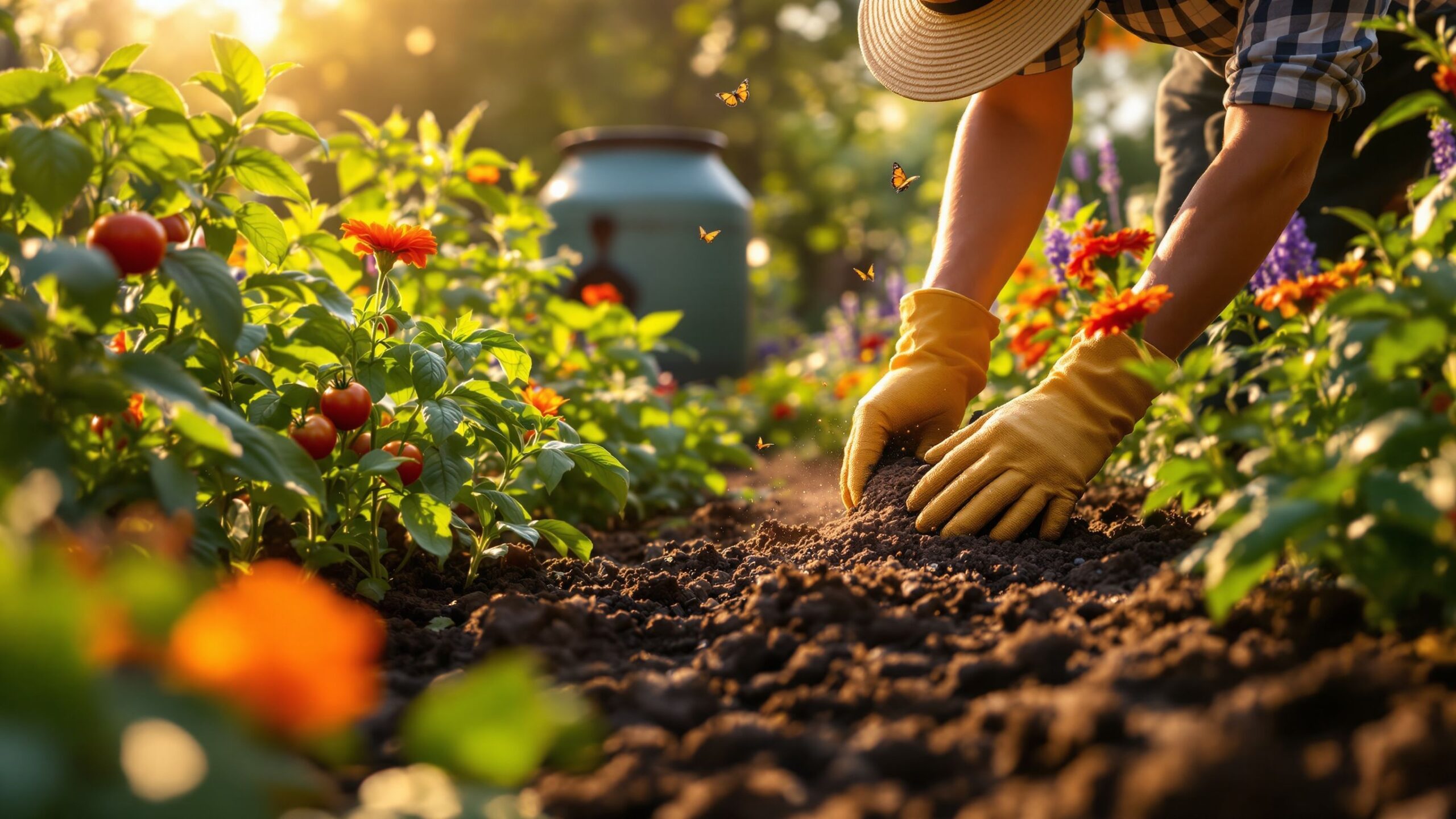
In regenerative gardens, compost is often applied regularly as a soil amendment or used as a top dressing around plants. Over time, compost helps build deep, rich soil that supports vigorous plant growth.
Composting also plays an important role in closing nutrient loops. Instead of importing fertilizers, gardeners return organic matter back to the soil, mimicking natural nutrient cycles found in healthy ecosystems.
Encouraging Biodiversity in the Garden
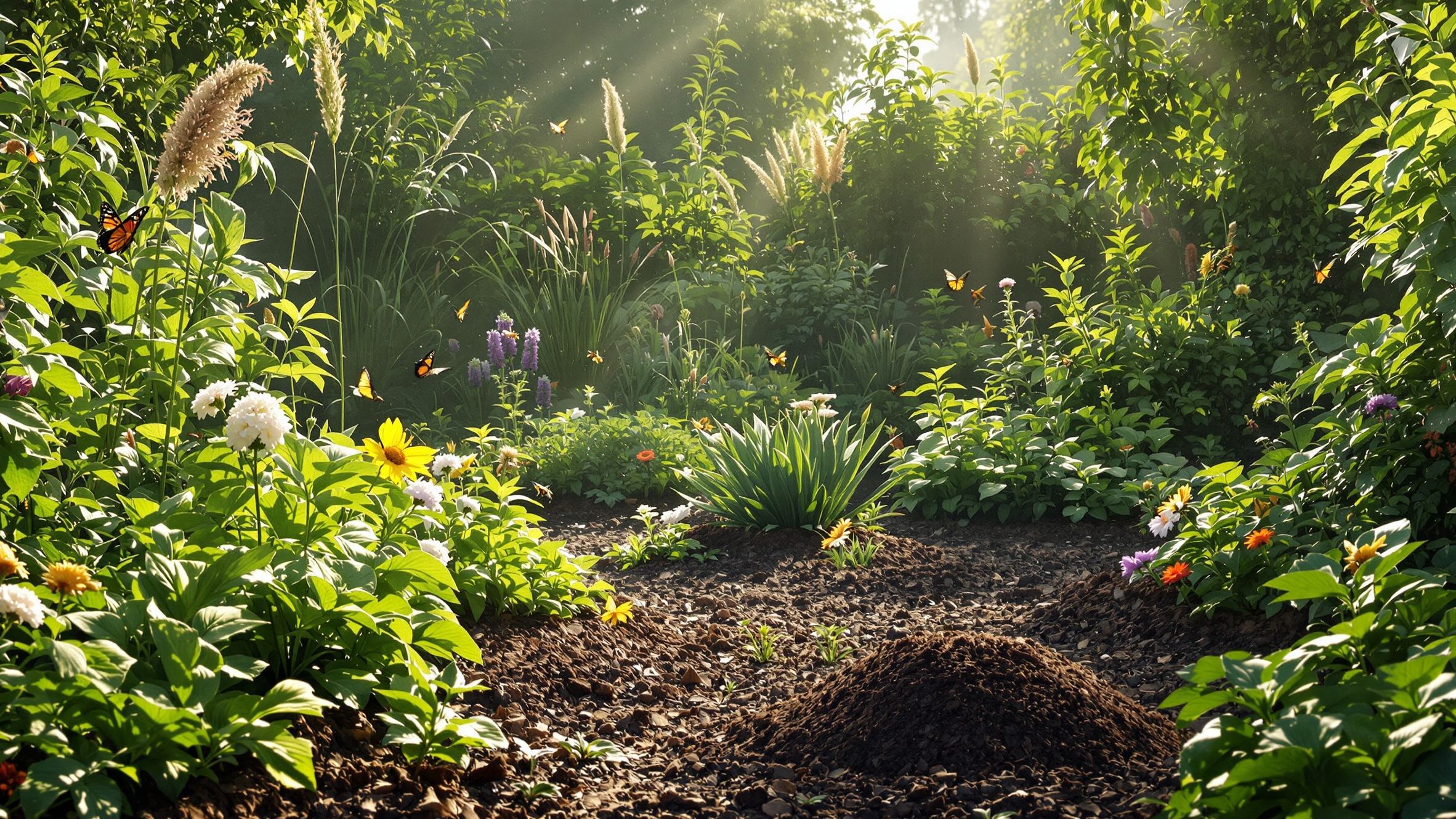
A regenerative garden is not just a collection of plants. It is a thriving ecosystem filled with life. Biodiversity plays a central role in maintaining balance within this system.
When gardens contain a wide variety of plant species, they attract beneficial insects, birds, and other wildlife. Pollinators such as bees and butterflies help fertilize flowers and increase crop yields. Predatory insects help control pests naturally, reducing the need for chemical treatments.
Plant diversity also improves soil health. Different plant species produce different root structures and organic compounds that feed soil microorganisms. This diversity strengthens the entire ecosystem.
Gardeners can encourage biodiversity by planting a mix of vegetables, herbs, flowers, and native plants. Companion planting and polyculture gardening techniques also help create more complex and resilient ecosystems.
Cover Crops and Soil Protection
Bare soil is vulnerable to erosion, moisture loss, and nutrient depletion. In natural ecosystems, soil is rarely exposed. Plants, fallen leaves, and organic debris typically cover the ground.
Regenerative gardeners aim to mimic this natural protection by keeping soil covered as much as possible. Cover crops play an important role in achieving this goal.
Cover crops are plants grown primarily to benefit the soil rather than to harvest. Common cover crops include clover, rye, vetch, and buckwheat. These plants protect soil from erosion, improve soil structure, and add organic matter when they decompose.
Some cover crops also fix nitrogen from the air and store it in the soil, enriching fertility for future plants.
By planting cover crops during off-seasons or between crop cycles, gardeners ensure that soil remains protected and productive year-round.
Mulching for Soil Health
Mulching is another essential practice in regenerative gardening. A layer of organic mulch placed on top of the soil helps regulate temperature, retain moisture, and suppress weeds.
Mulch materials can include straw, wood chips, shredded leaves, grass clippings, or compost. As these materials break down, they gradually add organic matter to the soil and feed beneficial microorganisms.
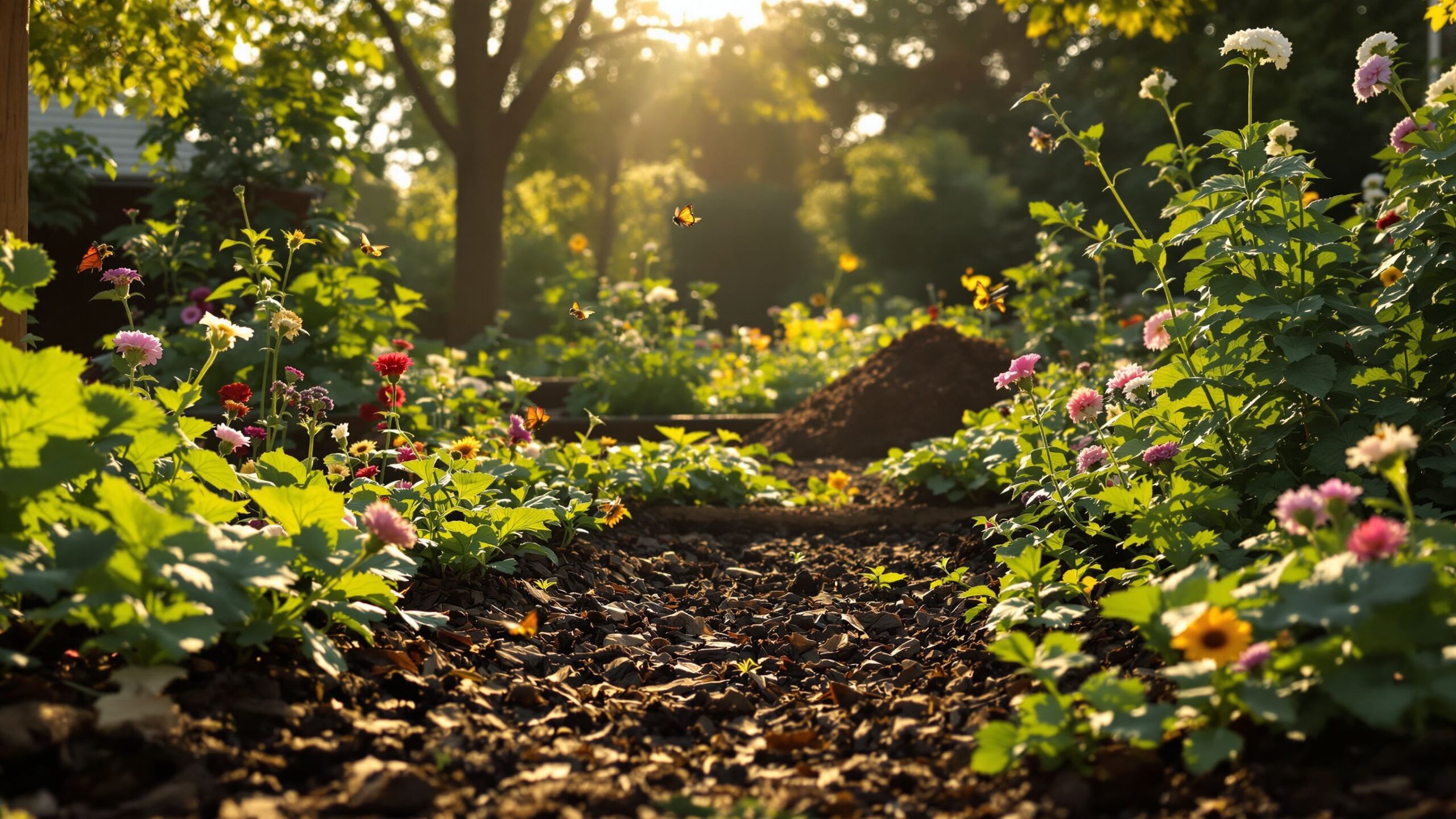
Mulching also mimics natural forest environments where fallen leaves create a protective blanket over the soil. This layer insulates the ground, prevents erosion, and supports a thriving ecosystem beneath the surface.
Over time, consistent mulching dramatically improves soil fertility and reduces the need for frequent watering.
Integrating Perennials and Long-Term Plantings
Many traditional gardens focus primarily on annual plants that must be replanted every season. While annual crops are valuable for food production, regenerative gardens often include more perennial plants.
Perennials live for multiple years and develop deep root systems that stabilize soil and improve nutrient cycling. These plants help maintain soil structure and provide long-term habitat for wildlife.
Examples of perennial garden plants include fruit trees, berry bushes, asparagus, herbs, and many flowering plants. Incorporating perennials into garden design adds stability and resilience to the ecosystem.
Perennials also reduce the need for constant soil disturbance since they remain in place year after year.
Water Management in Regenerative Gardens
Water management is another important aspect of regenerative gardening. Healthy soil rich in organic matter naturally holds more moisture, reducing the need for frequent irrigation.
Regenerative gardens often use techniques such as rainwater harvesting, drip irrigation, and contour planting to make the most of available water.
Mulch layers further help conserve moisture by slowing evaporation and protecting soil from direct sunlight. In addition, plant diversity and deeper root systems allow gardens to withstand dry periods more effectively.
By improving soil health and designing gardens with water efficiency in mind, regenerative gardeners create landscapes that remain productive even during challenging weather conditions.
Natural Pest Balance
In healthy ecosystems, pests rarely become overwhelming problems. Natural predators and ecological balance keep populations in check.
Regenerative gardening encourages this balance by supporting beneficial insects and wildlife. Planting pollinator-friendly flowers, maintaining diverse plant species, and avoiding chemical pesticides all help create a healthy food web.
Birds, ladybugs, lacewings, and parasitic wasps are just a few examples of beneficial creatures that help control harmful insects.
Instead of fighting nature with chemicals, regenerative gardeners build ecosystems where natural pest control occurs automatically.
Regenerative Gardening in Small Spaces
One of the most appealing aspects of regenerative gardening is that it can be practiced almost anywhere. Even small urban gardens, balcony containers, and community garden plots can benefit from regenerative techniques.
Adding compost, planting diverse crops, and reducing soil disturbance are simple steps that can be applied to gardens of any size.
Container gardens can also incorporate regenerative practices by using organic soil mixes, compost, and natural fertilizers while encouraging pollinators with flowering plants.
Every small regenerative garden contributes to larger environmental benefits by improving soil health and supporting biodiversity.
The Long-Term Benefits of Regenerative Gardening
Regenerative gardening offers many long-term advantages. Soil becomes richer and more productive each season, reducing the need for fertilizers and chemical inputs. Plants grow stronger and more resilient, while ecosystems become more balanced and self-sustaining.
Gardeners often find that their gardens require less maintenance over time as natural processes take over tasks that once required constant intervention.
Beyond the garden itself, regenerative practices help address broader environmental challenges. Healthy soil captures carbon from the atmosphere, improves water retention, and supports wildlife habitats.
These benefits make regenerative gardening an important part of sustainable land stewardship.
Getting Started with Regenerative Gardening
For beginners, transitioning to regenerative gardening does not require dramatic changes overnight. The process can begin with simple steps such as adding compost, reducing soil disturbance, and planting diverse crops.
Observing natural processes in the garden and learning from the rhythms of the ecosystem are key parts of the journey. Over time, gardeners develop a deeper understanding of how their landscapes function and how best to support them.
Patience is essential. Regenerative gardening focuses on long-term improvements rather than quick results. As soil health improves and biodiversity increases, the garden becomes more vibrant and productive.
Final Thoughts
Regenerative gardening represents a shift in the way people interact with the land. Instead of simply growing plants, gardeners become stewards of living ecosystems that support soil, wildlife, and future generations.
By focusing on soil health, biodiversity, and natural cycles, regenerative gardening creates landscapes that grow stronger and more productive each year.
For beginners, embracing these principles can transform gardening into a deeply rewarding experience. With every layer of compost, every diverse planting, and every thriving microorganism in the soil, the garden becomes part of a larger effort to restore and protect the natural world.
Garden Product Reviews
Step into Mossy Streets’ Garden Product Reviews — your go-to guide for the best tools, gear, gifts, books, and garden gadgets rooted in nature. From blooming backyard beauties to lush indoor jungles, from heirloom seeds to high-tech composters, we dig into top-rated products for green thumbs, beginners, educators, and plant lovers alike. Whether you’re planting, pruning, decorating, or simply enjoying your green space, we’ve unearthed the best so you can grow, bloom, and thrive — all in one vibrant place!