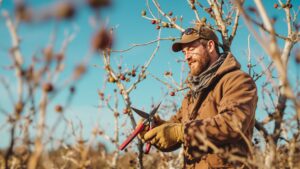
Pruning & Training is where gardening transforms from simple care into true artistry. This is the craft of guiding plants, shaping growth, and unlocking the healthiest, most beautiful versions of your garden favorites. Whether you’re trimming roses for bigger blooms, training vines along an arbor, or shaping fruit trees for fuller harvests, this is the realm where precision meets creativity. On this page, you’ll discover how strategic cuts can spark new growth, how gentle guidance can turn unruly stems into elegant structure, and how timing can make all the difference between a flourishing plant and a frustrated gardener. For beginners and seasoned growers alike, pruning and training offer a chance to interact with your plants on a deeper level—learning their habits, responding to their needs, and directing their future. Explore articles packed with techniques, diagrams, seasonal tips, and plant-specific guidance that demystify the process and build your confidence. With the right approach, you won’t just maintain your garden—you’ll sculpt it. Get ready to trim, shape, guide, and grow your way to a more vibrant, thriving landscape.
A: Late winter or early spring for most plants, unless they bloom on old wood.
A: Once yearly for most shrubs and trees; lightly throughout the season for herbs and flowers.
A: Over-pruning or improper cuts can stress or weaken plants, so go slow.
A: Cutting just above a bud facing the direction you want new growth.
A: Use trellises, ties, and gentle guiding to direct upward or lateral growth.
A: Yes—clean tools reduce the spread of disease between plants.
A: Young, weak, or stressed plants; species that bloom on old wood require care.
A: Yes—shaping cuts control form, while thinning cuts open airflow and reduce density.
A: It may have been pruned too severely or during the wrong season.
A: No—some only require occasional shaping or removal of dead growth.