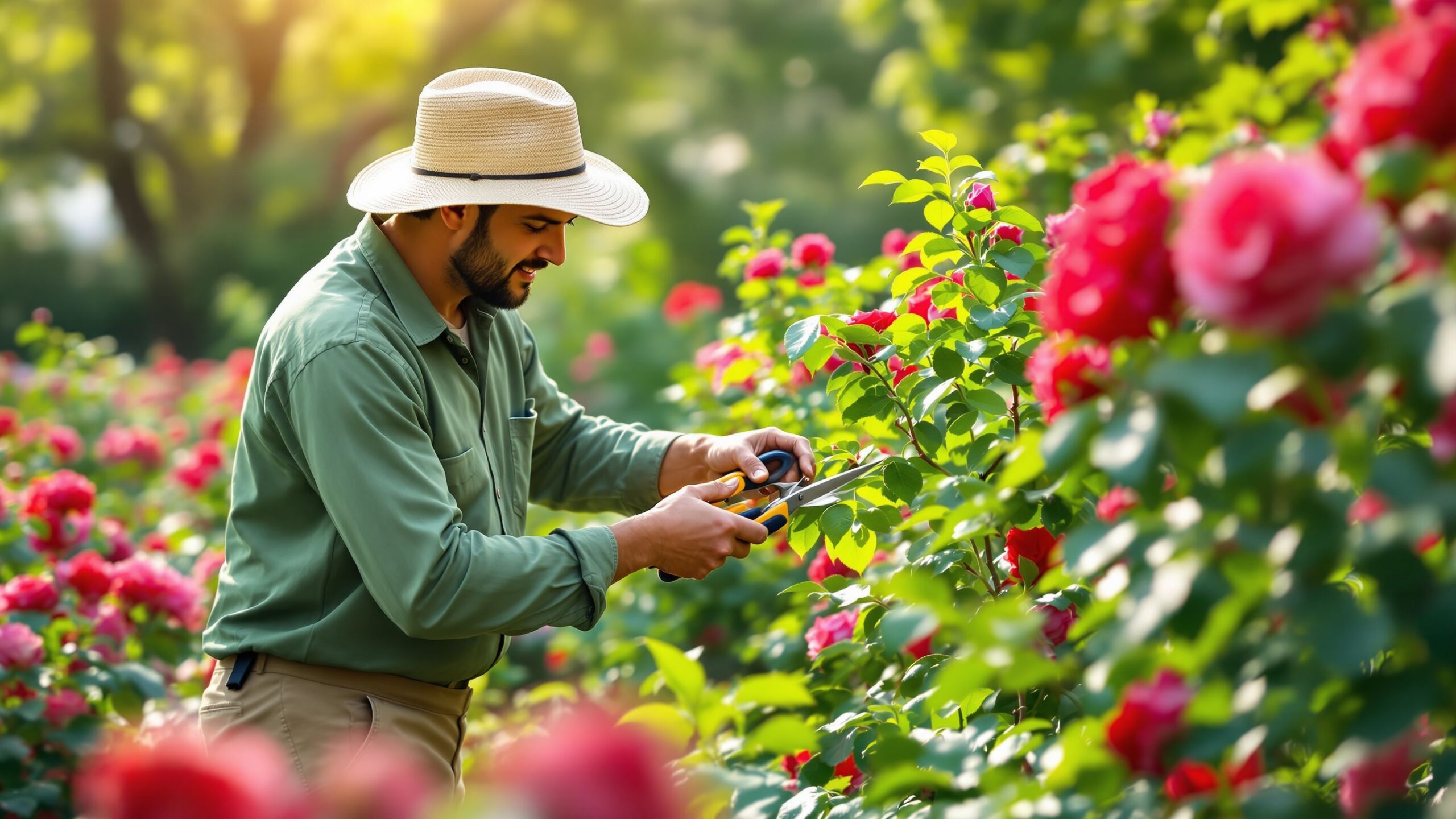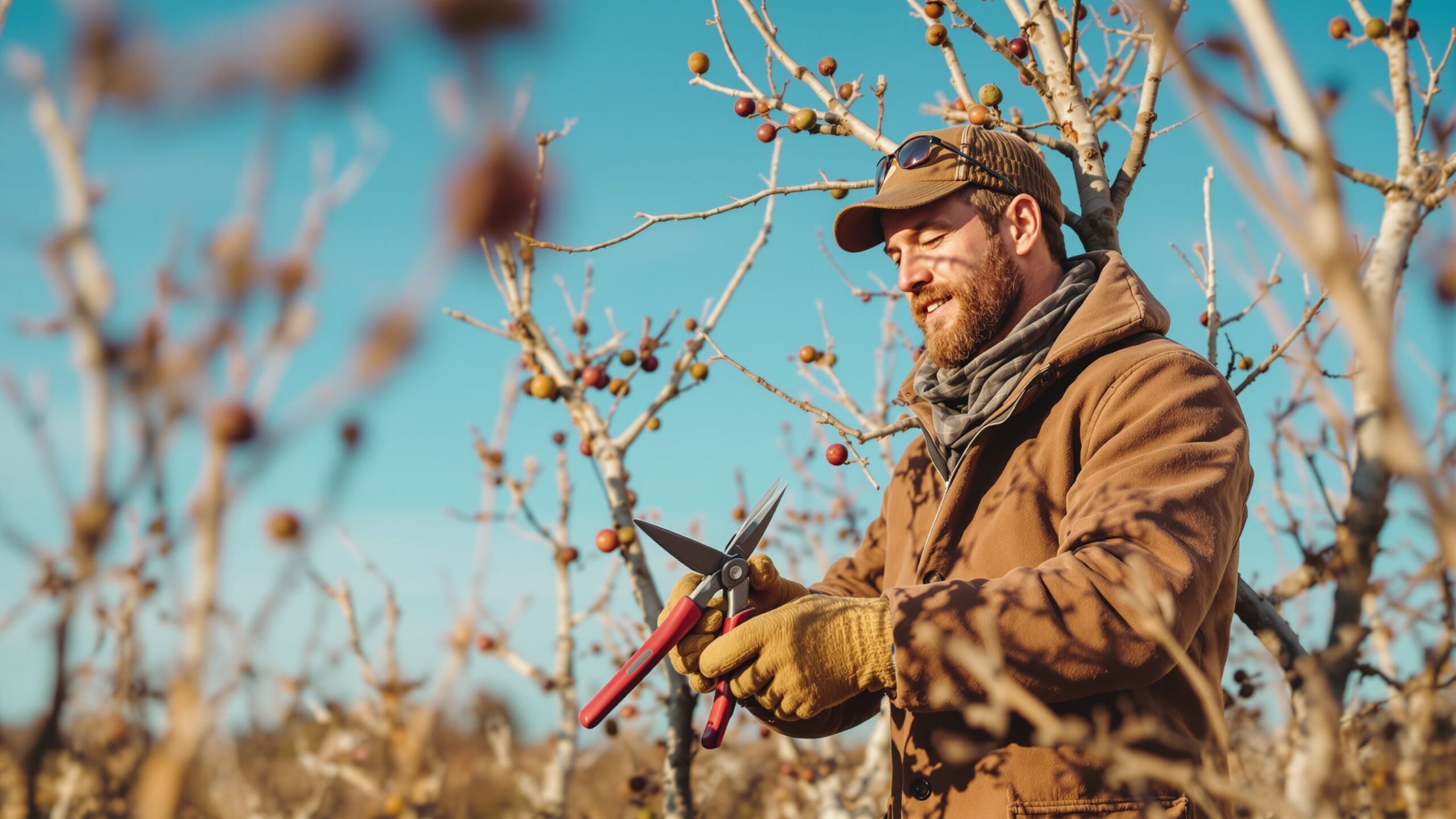
Pruning fruit trees is one of the most important practices for ensuring healthy growth and abundant harvests, but timing is what truly determines success. Knowing when to prune can mean the difference between a tree that produces vibrant, high-quality fruit and one that struggles with weak growth or reduced yields. For beginners and experienced gardeners alike, understanding the seasonal rhythm of fruit trees transforms pruning from a guessing game into a precise, rewarding process.
A: Late winter during dormancy is best for most fruit trees.
A: Yes, light pruning in summer helps control growth and improve structure.
A: You may remove developing fruit buds and reduce your harvest.
A: No, timing can vary slightly by species and climate.
A: It’s generally not recommended because it can encourage new growth before winter.
A: Typically no more than 20–30% of the tree at once.
A: It improves structure, airflow, sunlight exposure, and fruit quality.
A: Pruners, loppers, and a pruning saw are the most common tools.
A: Yes, by reducing the number of fruits, the tree can put more energy into each one.
A: It may become overcrowded, produce less fruit, and be more prone to disease.
Why Timing Matters in Fruit Tree Pruning
Fruit trees respond differently depending on when they are pruned. Each season influences how the tree heals, grows, and produces fruit. Pruning at the right time encourages strong structure, improves airflow, and directs energy toward fruit production. Pruning at the wrong time, however, can stress the tree, reduce yields, or make it vulnerable to disease.
The key lies in understanding how trees behave throughout the year. During dormancy, energy is stored in the roots and trunk, waiting to be released in spring. During the growing season, that energy is directed toward leaves, branches, and fruit. Pruning interacts with this cycle, either stimulating growth or controlling it depending on when cuts are made.
Winter Pruning: The Ideal Season for Most Fruit Trees
Late winter is widely considered the best time to prune most fruit trees. This period, just before the tree begins to break dormancy, offers several advantages that make pruning more effective and less stressful for the plant.
During winter, trees have shed their leaves, making it easier to see the structure of branches. This visibility allows for more precise cuts and better shaping of the tree. Without foliage in the way, you can clearly identify dead wood, crossing branches, and areas that need thinning.
Pruning in late winter also stimulates vigorous growth in spring. As the tree awakens, it directs energy into the remaining branches, producing strong new shoots that will eventually bear fruit. This makes winter pruning especially beneficial for young trees that are still developing their structure.
Another advantage is reduced risk of disease. Many pests and pathogens are inactive during colder months, so cuts made during this time are less likely to become infected. This helps ensure the tree heals cleanly and efficiently.
Early Spring Pruning: A Strategic Alternative
If late winter pruning is missed, early spring can still be a suitable time, provided it is done before significant growth begins. At this stage, buds may be swelling, and the tree is preparing for the growing season.
Pruning during early spring still encourages strong growth, though slightly less vigorously than winter pruning. It is a good option for gardeners who want to refine the shape of their trees or remove any remaining damaged branches. However, timing is important—waiting too long into spring can reduce the tree’s energy reserves and impact fruit production.
Summer Pruning: Controlling Growth and Improving Fruit Quality
While winter pruning focuses on stimulating growth, summer pruning serves a different purpose. It is used to control excessive growth, maintain tree size, and improve fruit quality.
During the summer, trees are actively growing, and removing certain branches reduces the plant’s overall energy. This can help direct resources toward developing fruit rather than producing more foliage. Summer pruning is particularly useful for managing overly vigorous trees or maintaining a desired shape.
It also improves sunlight penetration and airflow, which are essential for fruit development. Better exposure to sunlight can enhance color, flavor, and ripeness, resulting in higher-quality harvests.
However, summer pruning should be done carefully and selectively. Removing too much growth during this time can stress the tree and reduce its ability to produce energy.
Fall Pruning: Why It’s Usually Avoided
Fall is generally not recommended for pruning fruit trees. During this time, trees are preparing for dormancy, and pruning can interfere with this process. Cuts made in fall may not heal properly before winter, leaving the tree vulnerable to cold damage and disease.
Additionally, pruning in fall can stimulate new growth at a time when the tree should be conserving energy. This new growth is often weak and unlikely to survive colder temperatures, which can further weaken the tree.
For these reasons, it is best to avoid major pruning during the fall and wait until late winter or early spring instead.
Different Fruit Trees, Different Timing Needs
While general guidelines apply to most fruit trees, some varieties have specific timing preferences. Apple and pear trees respond very well to winter pruning, benefiting from the strong growth it encourages. These trees are typically pruned during dormancy to establish structure and promote fruiting.
Stone fruit trees, such as peaches, plums, and cherries, can be more sensitive to disease. In some cases, they are better pruned in late winter or even early spring when the risk of infection is lower. For certain climates, light summer pruning may also be beneficial for these trees.
Citrus trees, which grow in warmer climates, follow a slightly different pattern. They are often pruned after the risk of frost has passed, ensuring that new growth is not damaged by cold temperatures.
Understanding the specific needs of your fruit tree variety helps you fine-tune your pruning schedule for the best results.
Signs Your Fruit Tree Needs Pruning
Knowing when to prune is not just about the calendar—it is also about observing your tree. Certain signs indicate that pruning is necessary, regardless of the season.
Dead or damaged branches should always be removed as soon as they are noticed. These branches do not contribute to the tree’s health and can become entry points for disease.
Crowded or crossing branches are another sign that pruning is needed. When branches rub against each other, they create wounds that weaken the tree. Thinning out these areas improves airflow and reduces the risk of problems.
Excessive vertical growth, often called water sprouts, can also indicate the need for pruning. These shoots grow quickly but rarely produce fruit, making them a drain on the tree’s energy.
How Proper Timing Leads to Better Harvests
The ultimate goal of pruning fruit trees is to improve the quality and quantity of fruit. Proper timing ensures that the tree’s energy is directed toward producing strong, healthy branches and abundant fruiting sites.
Winter pruning encourages vigorous growth, which is ideal for building structure and supporting future harvests. Summer pruning refines that growth, improving fruit quality and maintaining balance. Together, these seasonal practices create a cycle of renewal that keeps fruit trees productive year after year.
When pruning is timed correctly, the results become visible in the form of larger fruits, better flavor, and more consistent yields. It is a process that rewards patience and attention, turning simple care into a meaningful impact on the garden.
Building Confidence Through Seasonal Care
Pruning fruit trees may seem intimidating at first, but understanding the best time of year to do it makes the process far more approachable. Each season offers a different opportunity to support your trees, whether it is shaping them in winter or fine-tuning growth in summer.
With practice, timing becomes intuitive. You begin to recognize the subtle changes in your trees, from dormant branches in winter to active growth in spring and summer. This awareness allows you to respond confidently and make decisions that benefit the health and productivity of your trees.
A Year-Round Perspective on Fruit Tree Health
Caring for fruit trees is not limited to a single moment in the year. It is an ongoing process that evolves with the seasons. Pruning is just one part of this cycle, but it plays a central role in shaping the future of your trees.
By focusing on the right timing, you create a strong foundation for growth, resilience, and abundant harvests. Each cut becomes a step toward a healthier tree, and each season becomes an opportunity to refine your approach.
In the end, the best time of year to prune fruit trees is not just about choosing a date on the calendar. It is about understanding the rhythm of nature and working in harmony with it. When you align your pruning practices with the natural cycle of your trees, you unlock their full potential and create a garden that thrives year after year.
Garden Product Reviews
Step into Mossy Streets’ Garden Product Reviews — your go-to guide for the best tools, gear, gifts, books, and garden gadgets rooted in nature. From blooming backyard beauties to lush indoor jungles, from heirloom seeds to high-tech composters, we dig into top-rated products for green thumbs, beginners, educators, and plant lovers alike. Whether you’re planting, pruning, decorating, or simply enjoying your green space, we’ve unearthed the best so you can grow, bloom, and thrive — all in one vibrant place!