Starting seeds indoors is one of the most rewarding ways to begin a garden. It allows you to take control of the growing process from the very beginning, giving your plants a strong, healthy start long before outdoor conditions are ideal. For beginners, it may seem like a delicate or complicated process, but when broken down into simple steps, seed starting becomes approachable, engaging, and incredibly satisfying. With the right setup and a bit of consistency, you can transform tiny seeds into thriving seedlings ready to flourish outdoors.
A: Usually 6–8 weeks before your last frost date, depending on the plant.
A: They are highly recommended unless you have a very sunny window.
A: It could be damping-off disease or weak stems from low light.
A: Keep soil moist but not soaked—check daily.
A: It’s better to use seed-starting mix to prevent disease and improve drainage.
A: Gradually introducing seedlings to outdoor conditions before transplanting.
A: Provide strong light and keep lights close to the plants.
A: Light feeding can begin after the first true leaves appear.
A: After frost danger passes and seedlings are strong enough.
A: Tomatoes, peppers, lettuce, herbs, and marigolds are great starters.
Why Start Seeds Indoors
Starting seeds indoors offers a significant advantage by extending your growing season. Instead of waiting for the last frost to pass, you can begin growing weeks or even months earlier. This head start results in stronger plants and often leads to earlier and more abundant harvests.
It also gives you greater control over growing conditions. Indoors, you can manage temperature, light, and moisture with precision, reducing the risks associated with unpredictable weather. This controlled environment is especially beneficial for delicate or slow-growing plants that need extra care in their early stages.
Beyond practicality, starting seeds indoors creates a deeper connection to your garden. Watching seeds germinate and develop into young plants is a powerful experience that builds confidence and excitement for the growing season ahead.
Step 1: Choose the Right Seeds
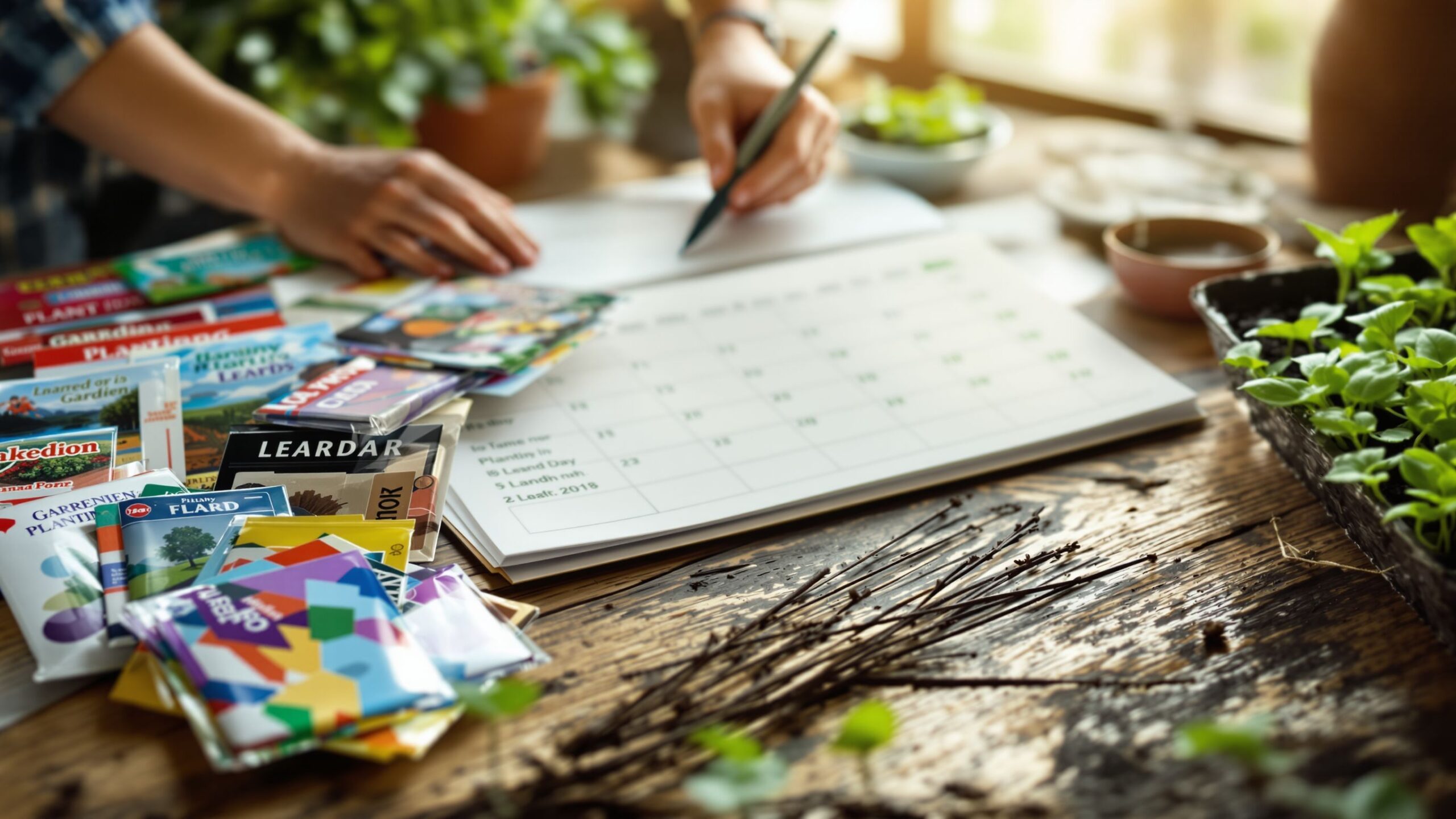
The first step in starting seeds indoors is selecting varieties that benefit from early growth. Vegetables like tomatoes, peppers, and leafy greens are excellent choices, as they thrive when given a head start. Herbs and many flowers also respond well to indoor seed starting.
It is important to check the seed packet for timing recommendations. Most seeds will indicate how many weeks before the last frost they should be started. Following these guidelines ensures that your seedlings are ready to move outdoors at the optimal time.
Choosing high-quality seeds increases your chances of success. Fresh seeds with good germination rates will produce stronger, more reliable plants, making the entire process smoother and more rewarding.
Step 2: Gather Your Supplies
Creating a simple seed-starting setup requires only a few essential supplies. Containers, seed-starting mix, water, and light are the core elements needed to support healthy growth.
Containers can range from specialized seed trays to recycled items like small pots or cups, as long as they have proper drainage. A lightweight seed-starting mix is preferred over regular garden soil because it allows for better aeration and moisture control.
Having everything prepared before you begin makes the process more efficient and enjoyable. It also ensures that your seeds have the best possible environment from the moment they are planted.
Step 3: Plant the Seeds Correctly
Planting seeds at the proper depth is crucial for successful germination. As a general rule, seeds should be planted at a depth equal to about two to three times their size. Very small seeds can be placed on the surface and lightly pressed into the soil.
After planting, gently water the soil to settle it around the seeds. It is important to keep the soil moist but not saturated, as excessive water can lead to rot or poor germination. Covering the containers with a humidity dome or plastic wrap can help retain moisture during the early stages.
This step marks the beginning of the growing journey. With proper planting, seeds will begin to absorb moisture and prepare for germination.
Step 4: Provide Adequate Light
Light is one of the most important factors in growing strong seedlings. Without enough light, seedlings can become weak and stretched, a condition known as legginess.
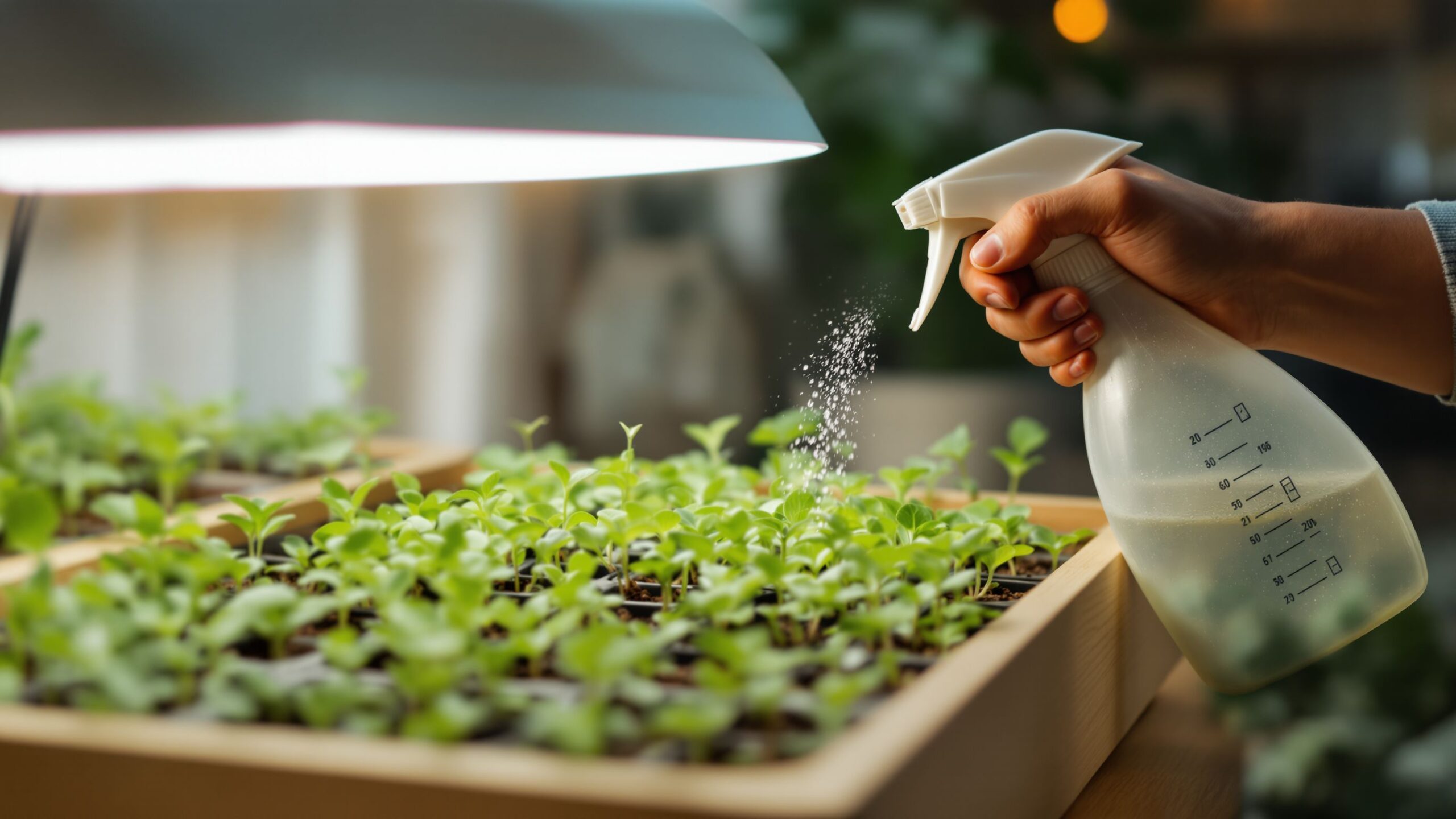
Placing your containers near a bright, south-facing window can provide sufficient natural light. However, many gardeners use grow lights to ensure consistent and adequate illumination. Positioning lights close to the seedlings and keeping them on for several hours each day promotes healthy, compact growth.
Consistent lighting helps seedlings develop sturdy stems and vibrant leaves, setting the stage for successful transplanting later on.
Step 5: Maintain Proper Temperature and Moisture
Seeds require warmth and moisture to germinate. Most seeds prefer a consistent temperature that mimics spring conditions. Keeping your seed trays in a warm area encourages faster and more uniform germination.
Moisture should be carefully managed throughout the process. The soil should remain evenly moist, but not waterlogged. Using a spray bottle or gentle watering method helps avoid disturbing the seeds or damaging young seedlings.
Monitoring these conditions daily ensures that your seeds have everything they need to grow. Small adjustments can make a big difference in the health and success of your seedlings.
Step 6: Thin and Care for Seedlings
Once seedlings emerge, they may need to be thinned to prevent overcrowding. When multiple seeds sprout in the same space, removing the weaker ones allows the strongest seedlings to grow without competition.
As seedlings develop, they will require ongoing care. This includes consistent watering, adequate light, and occasional feeding with a diluted fertilizer if needed. Observing your plants closely helps you respond to their needs and maintain steady growth.
Caring for seedlings is an active process that builds gardening skills and confidence. Each day brings visible progress, reinforcing the connection between effort and results.
Step 7: Harden Off Before Transplanting
Before moving seedlings outdoors, they must be gradually acclimated to outdoor conditions. This process, known as hardening off, involves exposing plants to sunlight, wind, and temperature changes over several days.
Starting with short periods outside and gradually increasing exposure helps prevent shock and allows seedlings to adjust. Skipping this step can result in damaged or stressed plants, even if they were healthy indoors.
Hardening off is the final preparation before transplanting, ensuring that your seedlings are ready to thrive in their new environment.
Step 8: Transplant with Confidence
Once your seedlings are strong and outdoor conditions are suitable, it is time to transplant them into the garden. Choosing the right location, preparing the soil, and planting at the correct depth all contribute to a successful transition.
Watering thoroughly after transplanting helps settle the soil and supports root development. With proper care, your seedlings will quickly adapt and continue growing, building on the strong foundation established indoors.
This step marks the transition from indoor care to outdoor growth, completing the seed-starting journey.
Common Mistakes to Avoid
While starting seeds indoors is relatively simple, a few common mistakes can affect results. Overwatering is one of the most frequent issues, leading to poor germination or root problems. Maintaining the right balance of moisture is essential.
Insufficient light can also hinder growth, causing seedlings to become weak and elongated. Ensuring adequate lighting from the beginning prevents this problem and promotes healthier plants.
Starting seeds too early is another challenge. If seedlings outgrow their containers before outdoor conditions are ready, they can become stressed or difficult to manage. Following recommended timing guidelines helps avoid this issue.
The Reward of Growing from Seed
There is a unique sense of accomplishment that comes from growing plants from seed. It is a process that transforms something small and seemingly insignificant into something vibrant and alive. Each stage of growth brings new insights and reinforces the value of patience and care.
Starting seeds indoors is more than just a gardening technique—it is an experience that connects you to the rhythm of growth and renewal. It allows you to take an active role in shaping your garden from the very beginning, creating a deeper appreciation for the plants you nurture.
A Strong Start for a Thriving Garden
Learning how to start seeds indoors step-by-step provides a foundation for successful gardening. It equips you with the skills and confidence needed to grow a wide variety of plants, from vegetables and herbs to flowers and beyond.
With each season, the process becomes more intuitive and rewarding. What begins as a simple experiment can evolve into a lifelong passion, fueled by the joy of watching seeds grow into thriving plants. By mastering this essential skill, you set the stage for a garden that is not only productive but deeply fulfilling.
Garden Product Reviews
Step into Mossy Streets’ Garden Product Reviews — your go-to guide for the best tools, gear, gifts, books, and garden gadgets rooted in nature. From blooming backyard beauties to lush indoor jungles, from heirloom seeds to high-tech composters, we dig into top-rated products for green thumbs, beginners, educators, and plant lovers alike. Whether you’re planting, pruning, decorating, or simply enjoying your green space, we’ve unearthed the best so you can grow, bloom, and thrive — all in one vibrant place!