Knowing when to start seeds is one of the most important skills in gardening. Timing determines how strong your plants grow, how early you harvest, and how successful your entire season becomes. For beginners, the idea of a seed-starting calendar can feel overwhelming, but once you understand how the seasons guide plant growth, it becomes a simple and powerful tool. By aligning your planting schedule with nature’s rhythm, you create the ideal conditions for seeds to thrive from the very beginning.
A: Use your last frost date, first frost date, seed packet directions, and local climate as guides.
A: Slow-growing crops like peppers, tomatoes, eggplant, onions, and some herbs are common early starts.
A: Peas, spinach, lettuce, radishes, carrots, kale, and some herbs can handle cooler spring weather.
A: After frost danger passes and the soil has warmed enough for crops like beans, squash, cucumbers, and corn.
A: Yes, starting too early can create weak, leggy, root-bound seedlings before the garden is ready.
A: It means planting the same crop in intervals so harvests continue over time.
A: Many fall crops are started in midsummer, depending on days to maturity and first frost date.
A: Use both, but weather and soil temperature should guide final planting decisions.
A: Some do, but flowers vary widely by type, frost tolerance, and germination needs.
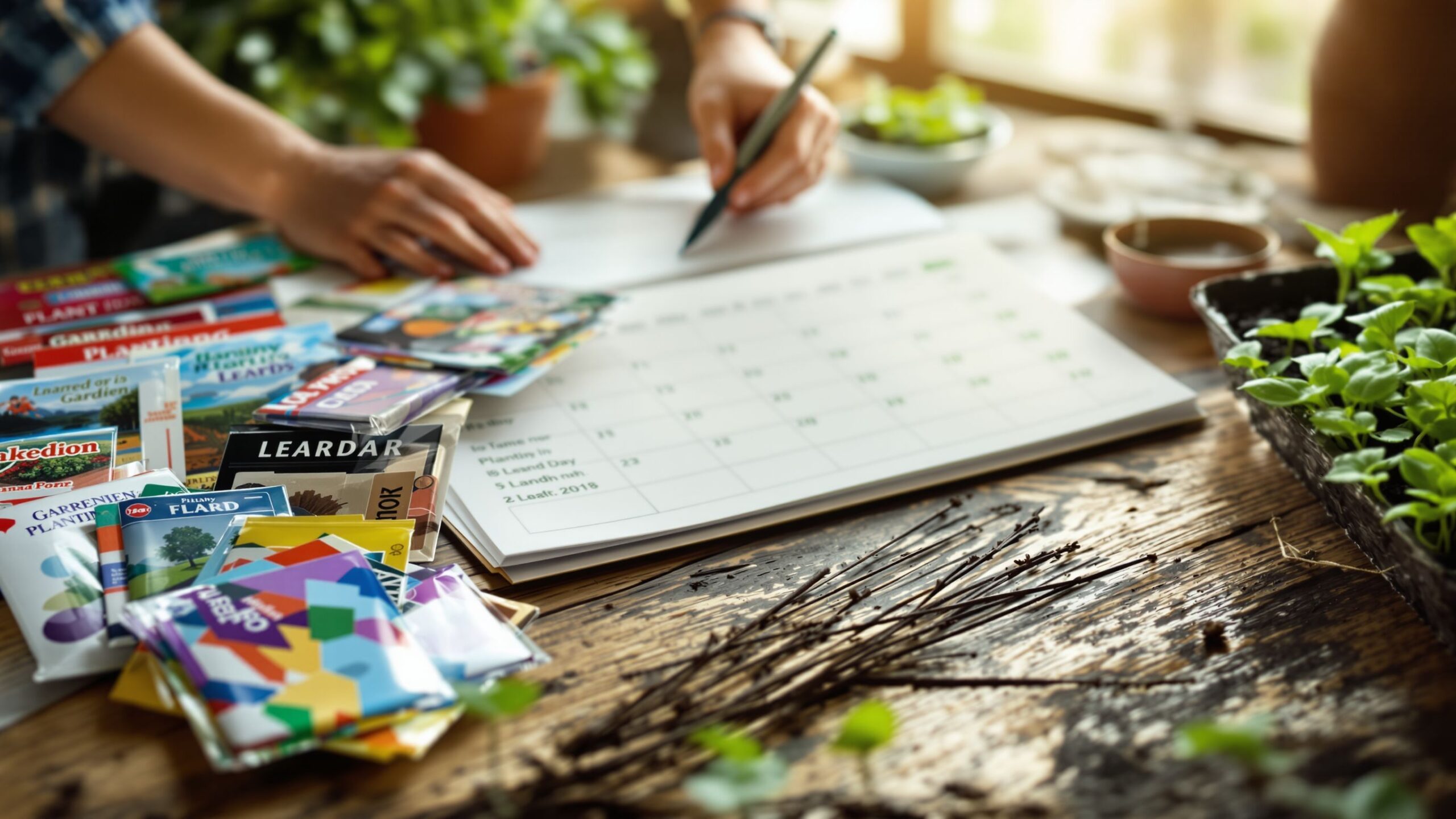
A: Keep a simple seed calendar with crop names, sowing dates, transplant dates, and harvest notes.
Understanding Your Growing Season
Every seed-starting plan begins with understanding your local growing season. The most important reference point is your last frost date in spring and your first frost date in fall. These dates define the safe window for planting outdoors and help determine when seeds should be started indoors.
The period between these frost dates is your main growing season. Warm-season crops need the soil and air to be consistently warm, while cool-season crops can tolerate lower temperatures and even light frost. By working backward from your last frost date, you can calculate the ideal time to start seeds indoors and ensure your plants are ready when conditions are right.
This approach removes guesswork and replaces it with a clear, structured timeline that supports healthy plant development.
Late Winter: The Indoor Starting Season Begins
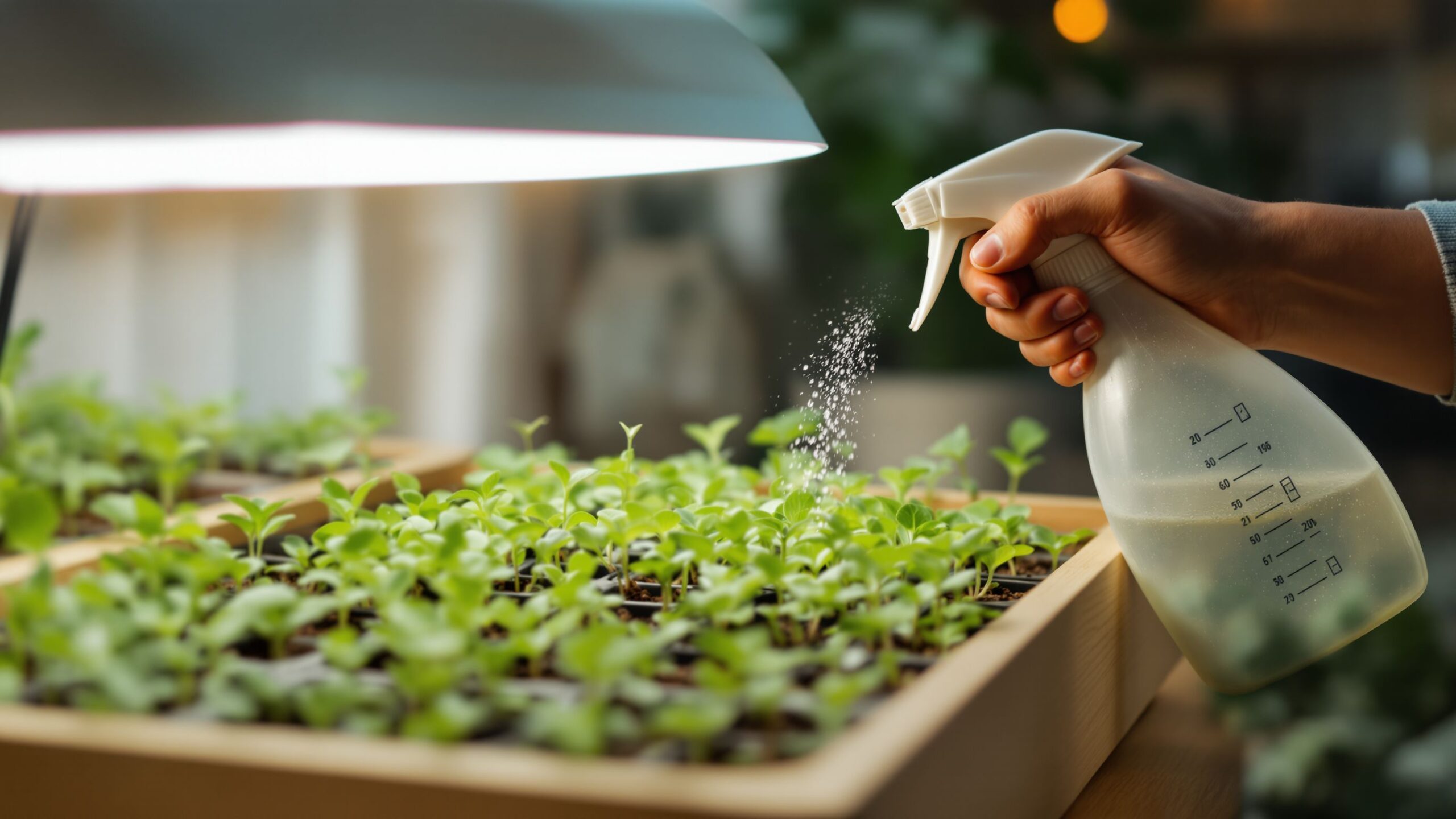
Late winter marks the beginning of seed-starting for many gardeners. During this time, outdoor conditions are still too cold for planting, but indoor environments provide a perfect opportunity to begin growing.
Slow-growing plants such as peppers and certain herbs benefit from an early start. These seeds often require several weeks to develop into strong seedlings, so starting them indoors well before spring ensures they are ready for transplanting once temperatures rise.
This period is about preparation and patience. Seeds germinate under controlled conditions, and the first signs of growth bring excitement after the quiet winter months. It is the beginning of the gardening season, even if it happens indoors.
Early Spring: Expanding Your Seed Starts
As winter transitions into early spring, the seed-starting process expands. This is the time to start a wider variety of plants indoors, including tomatoes and many vegetables that require a moderate amount of time to grow before transplanting.
Cool-season crops such as lettuce, spinach, and broccoli can also be started during this period. Some of these may be planted directly outdoors if the soil is workable, while others benefit from a short indoor start before being moved outside.
Early spring is a period of rapid activity. The increasing daylight and slightly warmer temperatures support faster growth, and seedlings begin to develop more quickly. This stage builds momentum and prepares your garden for the upcoming planting season.
Mid to Late Spring: Transitioning Outdoors
Mid to late spring is when the focus shifts from indoor seed starting to outdoor planting. As the last frost date approaches and passes, conditions become suitable for transplanting seedlings into the garden.
Warm-season crops like tomatoes, peppers, and squash are moved outdoors during this time. Seeds for fast-growing plants such as beans and cucumbers can also be sown directly into the soil.
This transition requires careful timing. Moving plants outside too early can expose them to cold damage, while waiting too long can limit their growing potential. Gradually acclimating seedlings through a process known as hardening off ensures they adjust successfully to outdoor conditions.
This stage represents a turning point, where indoor efforts begin to take root in the garden itself.
Summer: Direct Sowing and Succession Planting
Summer is often associated with harvesting, but it is also an important time for planting. Many fast-growing crops can be sown directly into the garden throughout the season, allowing for continuous production.
Succession planting is a key strategy during this period. By planting seeds at regular intervals, you can ensure a steady supply of fresh vegetables rather than a single large harvest. Crops like lettuce, radishes, and beans are particularly well-suited for this approach.
Summer planting focuses on maintaining productivity and making the most of available space. It keeps the garden active and ensures that new growth continues even as earlier crops are harvested.
Late Summer: Planning for Fall Harvests
As summer begins to wind down, it is time to think ahead to fall gardening. Late summer is ideal for starting seeds that will mature in cooler weather.
Cool-season crops such as kale, carrots, and broccoli can be planted during this time to take advantage of the milder temperatures of fall. These plants often perform better in cooler conditions, producing sweeter flavors and more tender growth.
Starting seeds in late summer extends the growing season and keeps the garden productive well into autumn. It also introduces a new rhythm, shifting focus from summer abundance to fall resilience.
Fall: Final Plantings and Preparation
Fall is the final stage of the seed-starting calendar for most regions. While the focus is often on harvesting, there are still opportunities to plant certain crops. Some cool-season vegetables can be sown early in the fall, especially in areas with mild climates.
In addition to planting, fall is a time for preparation. Gardeners begin planning for the next season, taking note of what worked well and what could be improved. Seeds may be started indoors for overwintering plants or herbs, depending on the climate and available space.
This season brings a sense of completion while also laying the groundwork for future growth.
Adjusting for Climate and Region
While a general seasonal calendar provides a helpful framework, it is important to adjust your schedule based on your specific climate. Regions with shorter growing seasons may require earlier indoor starts, while warmer climates allow for longer planting windows and even year-round gardening.
Understanding your local conditions ensures that your timing aligns with the environment. Observing weather patterns, soil temperature, and plant behavior helps refine your approach and improves overall success.
Gardening is as much about adaptation as it is about planning. The more you observe and adjust, the more effective your seed-starting schedule becomes.
Common Timing Mistakes to Avoid
One of the most common mistakes is starting seeds too early. While it may be tempting to get a head start, seedlings can outgrow their containers and become stressed if they are not transplanted at the right time.
Starting seeds too late can also limit growth, reducing the overall productivity of your garden. Finding the right balance is essential for healthy development.
Ignoring frost dates is another frequent issue. Planting too early outdoors can expose young plants to damaging temperatures, undoing weeks of progress. Following a structured calendar helps avoid these pitfalls and keeps your garden on track.
Building Confidence Through Seasonal Planning
Using a seed-starting calendar builds confidence by providing a clear roadmap for your gardening efforts. Instead of guessing when to plant, you can follow a structured plan that aligns with natural cycles.
Each season becomes an opportunity to learn and improve. Over time, you develop a deeper understanding of how plants respond to timing, temperature, and care. This knowledge transforms gardening into a more intuitive and rewarding experience.
A Year-Round Gardening Mindset
When you understand when to start seeds, gardening becomes a year-round activity rather than a seasonal hobby. Even in the quiet months of winter, you are planning, preparing, and beginning the next cycle of growth.
This continuous connection to your garden creates a sense of rhythm and purpose. It turns each season into a meaningful part of a larger journey, where every seed planted contributes to the ongoing story of your garden.
In the end, mastering the timing of seed starting is about more than following a calendar. It is about working in harmony with nature, respecting the cycles of growth, and creating the conditions for plants to thrive. With the right timing and a thoughtful approach, your garden can reach its full potential, season after season.
Garden Product Reviews
Step into Mossy Streets’ Garden Product Reviews — your go-to guide for the best tools, gear, gifts, books, and garden gadgets rooted in nature. From blooming backyard beauties to lush indoor jungles, from heirloom seeds to high-tech composters, we dig into top-rated products for green thumbs, beginners, educators, and plant lovers alike. Whether you’re planting, pruning, decorating, or simply enjoying your green space, we’ve unearthed the best so you can grow, bloom, and thrive — all in one vibrant place!