Harvesting tomatoes is one of the most satisfying moments in gardening. After weeks of nurturing plants, watching blossoms form, and waiting as green fruits slowly ripen, the moment of harvest feels like a reward in itself. But timing is everything. Picking tomatoes too early can rob them of their full flavor, while waiting too long can lead to overripeness or damage. Understanding how and when to harvest tomatoes ensures that every bite is rich, sweet, and bursting with the taste that makes homegrown tomatoes so special.
A: When they reach full color, feel slightly soft, and come off the vine easily.
A: Yes, they can ripen indoors, but vine-ripened tomatoes taste best.
A: No, refrigeration can reduce flavor and alter texture.
A: Often due to uneven watering or rapid growth during wet conditions.
A: Check plants every few days during peak season.
A: Yes, they are great for sauces, soups, and cooking.
A: Harvest slightly early and allow them to ripen indoors.
A: No, some varieties ripen to yellow, orange, purple, or even green.
A: Keep them at room temperature, out of direct sunlight.
A: Yes, it encourages continued production and healthier growth.
Why Timing Matters for Flavor
Tomatoes develop their flavor as they ripen on the vine. Sugars, acids, and aromatic compounds reach their peak when the fruit is fully mature. This balance is what creates the complex, rich taste that store-bought tomatoes often lack.
Harvesting at the right time preserves this balance. If tomatoes are picked too early, they may continue to ripen, but they will never achieve the same depth of flavor as vine-ripened fruit. On the other hand, leaving them on the plant too long can result in soft, overripe tomatoes that are prone to splitting or attracting pests.
Finding that perfect moment—when the fruit is fully colored, slightly soft, and fragrant—is the key to peak flavor.
Recognizing When Tomatoes Are Ready
One of the easiest ways to determine if a tomato is ready to harvest is by its color. Most varieties turn a deep, vibrant red when fully ripe, though some may be yellow, orange, or even purple depending on the type. The color should be uniform, without large patches of green.
Texture is another important indicator. A ripe tomato will feel slightly soft when gently squeezed but should not be mushy. It should have a smooth, glossy skin and a healthy, plump appearance.
A subtle but reliable sign is aroma. Ripe tomatoes often emit a fresh, earthy scent near the stem. This fragrance is a natural signal that the fruit has reached its peak.
The Best Time of Day to Harvest
The time of day can influence both the flavor and quality of your tomatoes. Early morning is generally the best time to harvest, when temperatures are cooler and the fruit is firm. At this time, tomatoes are well-hydrated and less stressed, which helps preserve their texture and taste.
Harvesting during the heat of the day can cause tomatoes to soften more quickly and lose some of their freshness. Evening harvesting is also possible, but morning offers the most consistent results for maintaining quality.
How to Harvest Without Damaging the Plant
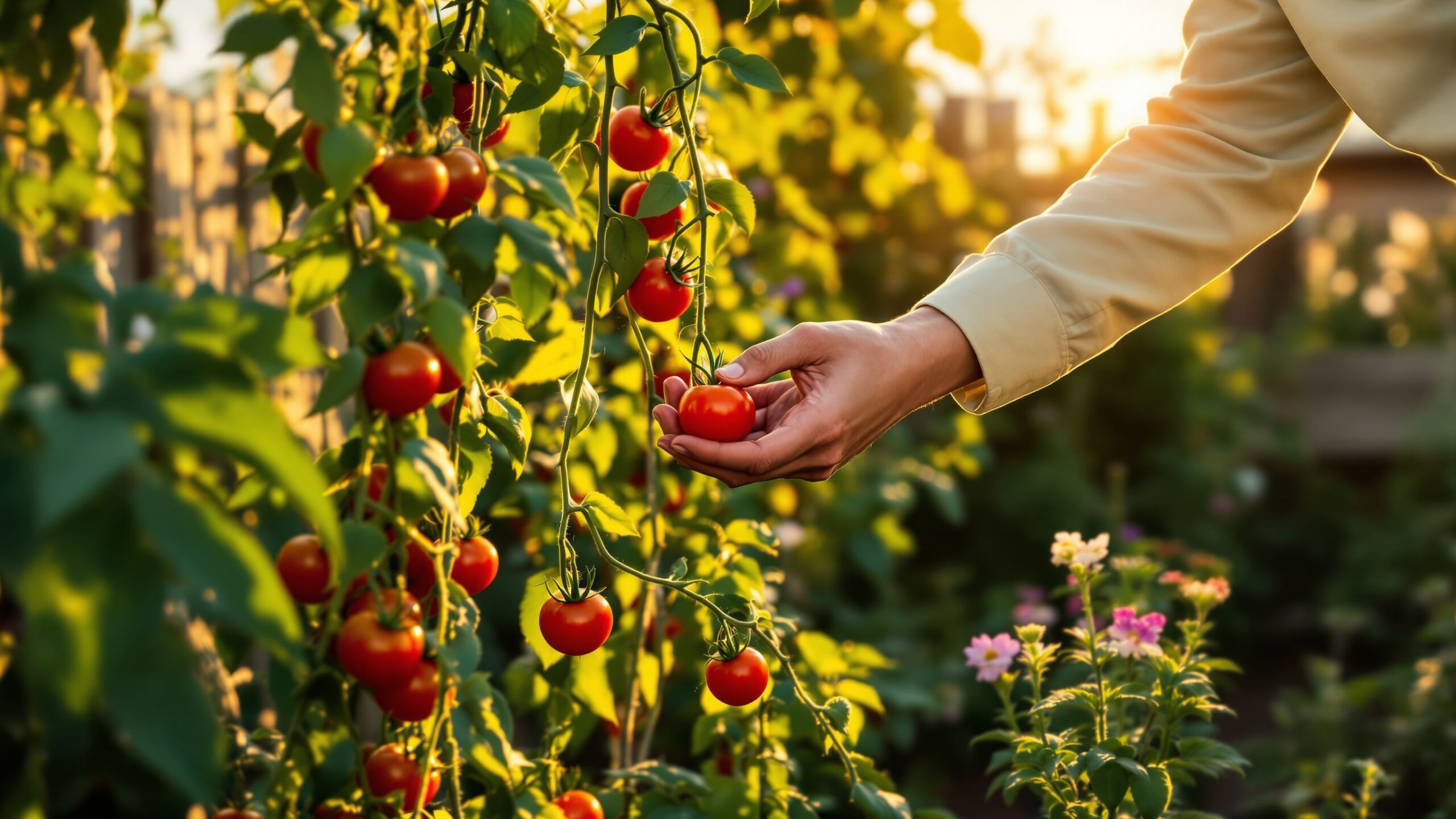
Proper technique is essential when harvesting tomatoes. Instead of pulling or twisting the fruit forcefully, use a gentle approach. Hold the tomato in one hand and carefully snap or cut the stem just above the fruit.
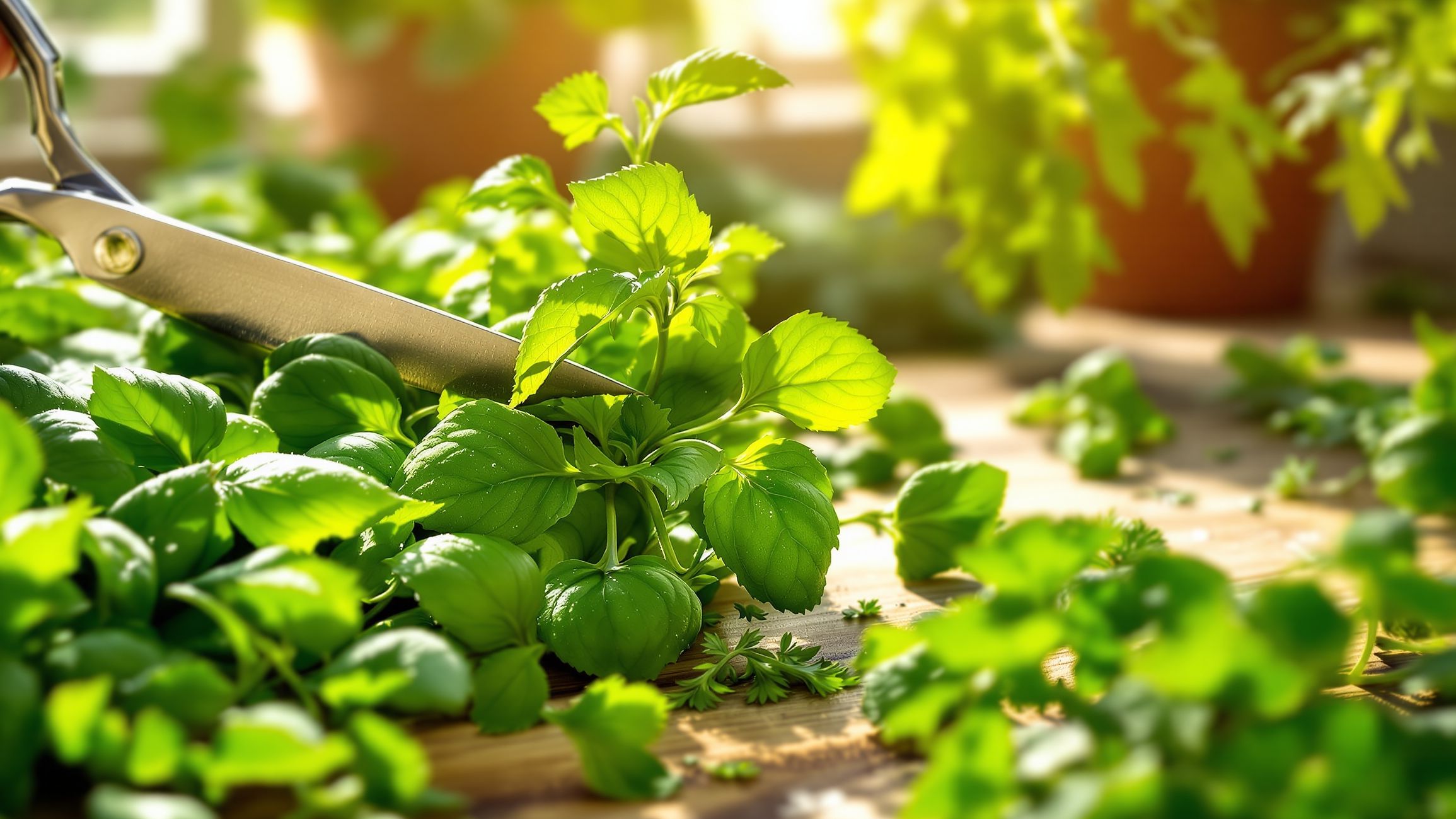
Using clean, sharp pruning shears can make this process easier and reduce the risk of damaging the plant. This is especially helpful for larger or thicker stems that do not detach easily.
Being gentle not only protects the plant but also ensures that the fruit remains intact and free from bruising. Healthy plants will continue to produce more tomatoes, making careful harvesting an important part of ongoing success.
Harvesting at Different Ripeness Stages
While fully ripe tomatoes offer the best flavor, there are situations where harvesting slightly early can be beneficial. Tomatoes can be picked at the “breaker stage,” when they begin to show a hint of color, and allowed to finish ripening indoors.
This approach is useful when weather conditions threaten the crop, such as heavy rain or extreme heat. It can also help protect tomatoes from pests or splitting. While the flavor may not be quite as rich as vine-ripened fruit, it can still be very good when handled properly.
For peak flavor, however, allowing tomatoes to ripen fully on the vine remains the best option whenever possible.
Handling Tomatoes After Harvest
Once harvested, tomatoes should be handled with care to preserve their quality. Avoid stacking them too heavily, as this can cause bruising. Keeping them at room temperature allows their flavor to continue developing.
Refrigeration is generally not recommended for fresh tomatoes, as cold temperatures can dull their flavor and alter their texture. Instead, store them in a cool, shaded area and use them within a few days for the best taste.
Proper handling ensures that the effort put into growing and harvesting your tomatoes is fully reflected in their flavor.
Encouraging Continuous Production
Regular harvesting encourages tomato plants to keep producing. When ripe fruit is left on the vine, the plant may slow down its production cycle. By picking tomatoes as they reach maturity, you signal the plant to continue flowering and setting new fruit.
This ongoing cycle can significantly increase your overall yield. It also keeps the plant healthy and focused on growth rather than maintaining overripe fruit.
Consistent harvesting becomes part of the rhythm of gardening, creating a steady supply of fresh tomatoes throughout the season.
Common Harvesting Mistakes to Avoid
One common mistake is harvesting too early out of impatience. While it can be tempting to pick tomatoes as soon as they begin to change color, waiting a little longer allows the flavor to fully develop.
Another mistake is leaving tomatoes on the vine for too long. Overripe fruit can split, become overly soft, or attract pests, reducing both quality and yield.
Handling tomatoes roughly during harvest is also a frequent issue. Gentle techniques and proper tools prevent damage and ensure the fruit remains in excellent condition.
The Flavor Difference of Homegrown Tomatoes
The difference between homegrown tomatoes and store-bought varieties is remarkable. When harvested at the right time, homegrown tomatoes offer a depth of flavor that is difficult to replicate. They are sweeter, more aromatic, and more vibrant in both taste and texture.
This difference is not just about freshness—it is about timing. By harvesting tomatoes at their peak, you capture the full expression of what the plant has to offer. It is a moment where effort, patience, and care come together in a single, perfect bite.
Building Confidence Through Experience
Learning how to harvest tomatoes for peak flavor is a skill that improves with experience. Each season provides new insights into how your plants grow and how environmental conditions affect ripening.
Over time, you develop an instinct for recognizing the perfect moment to harvest. What once required careful observation becomes second nature, allowing you to enjoy the process with confidence and ease.
A Garden Reward Worth Waiting For
Harvesting tomatoes is more than just a task—it is a celebration of the growing season. It represents the culmination of weeks of care, attention, and anticipation. When done at the right time and with the right technique, it delivers a reward that is both delicious and deeply satisfying.
In the end, knowing how to harvest tomatoes for peak flavor transforms your garden into a source of true culinary joy. Each tomato becomes a reminder that patience and timing are at the heart of great gardening, and that the best flavors are always worth the wait.
Garden Product Reviews
Step into Mossy Streets’ Garden Product Reviews — your go-to guide for the best tools, gear, gifts, books, and garden gadgets rooted in nature. From blooming backyard beauties to lush indoor jungles, from heirloom seeds to high-tech composters, we dig into top-rated products for green thumbs, beginners, educators, and plant lovers alike. Whether you’re planting, pruning, decorating, or simply enjoying your green space, we’ve unearthed the best so you can grow, bloom, and thrive — all in one vibrant place!