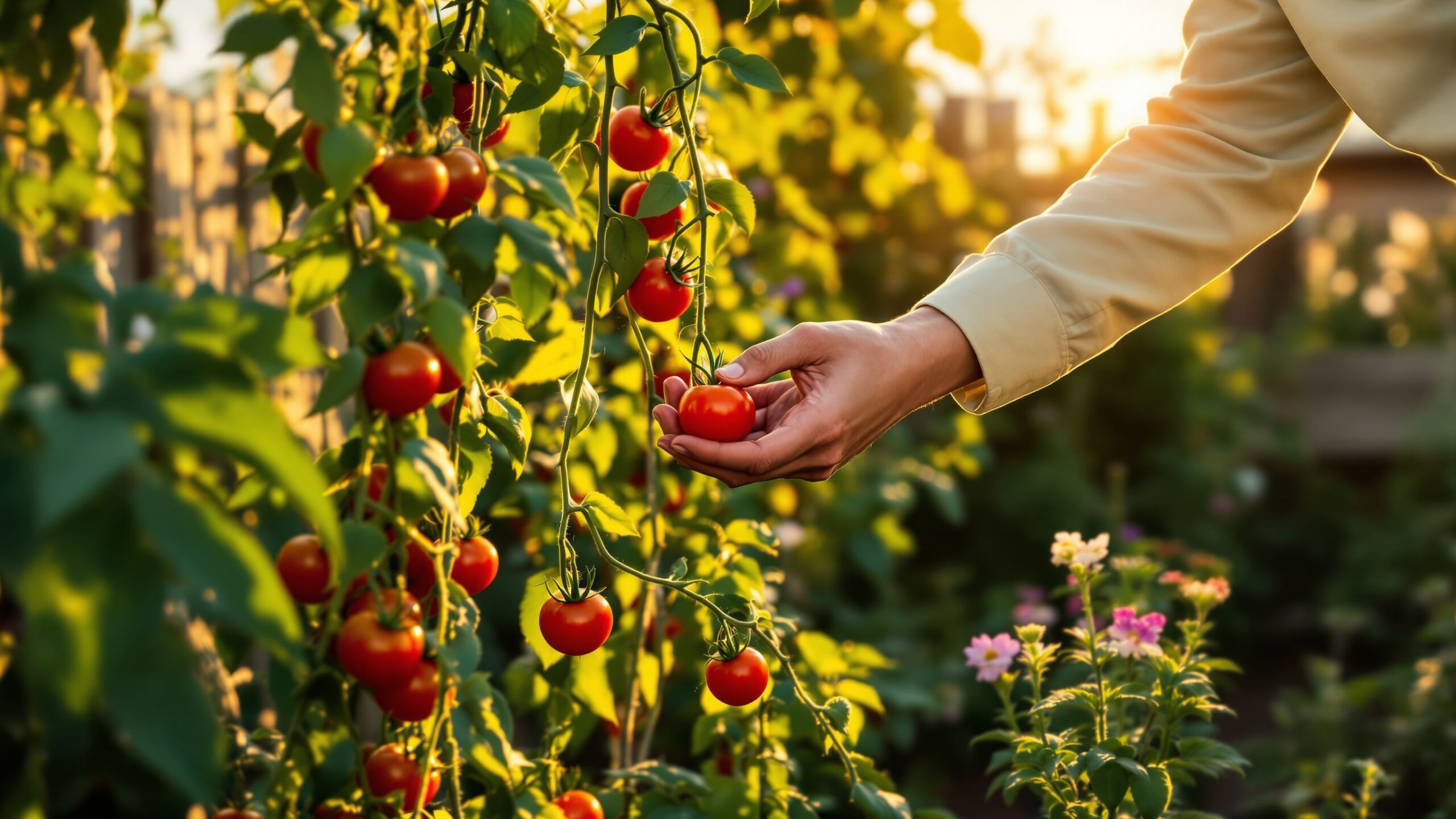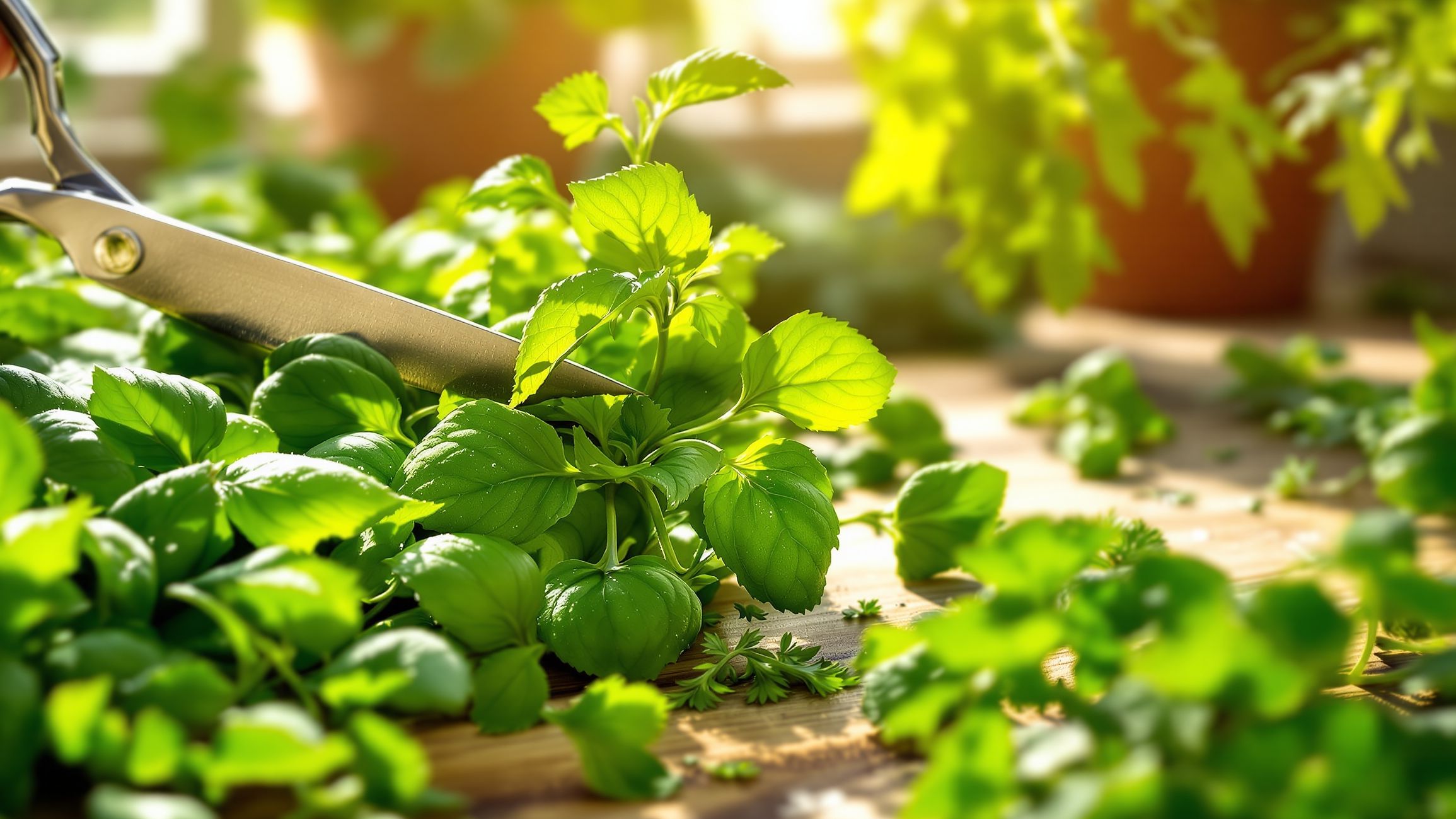
Harvesting herbs is one of the most rewarding parts of growing them at home. It is the moment when your effort turns into something tangible—fresh flavors, fragrant leaves, and ingredients that elevate everyday meals. But harvesting herbs is not just about picking leaves whenever you need them. Timing and technique play a crucial role in preserving flavor, encouraging growth, and keeping your plants healthy over time. When done correctly, harvesting becomes a continuous cycle that strengthens your herbs and ensures a steady supply throughout the season.
A: In the morning after dew dries but before the sun gets too hot.
A: As often as needed, as long as you don’t remove more than one-third of the plant.
A: Before flowering for the strongest flavor in most herbs.
A: Yes, most herbs regrow quickly with proper care.
A: Keep them in water like a bouquet or refrigerate in a damp towel.
A: Drying, freezing, or storing in oil are common methods.
A: They may be overgrown, flowering, or improperly stored.
A: Yes, indoor herbs can be harvested the same way as outdoor ones.
A: Simple scissors or pruners are usually enough.
A: Plants may become leggy, flower early, and lose flavor quality.
Why Proper Harvesting Matters
Herbs are unique because harvesting is not a one-time event. Unlike many vegetables, herbs respond to regular cutting by producing more growth. Proper harvesting stimulates new shoots, encourages bushier plants, and prevents herbs from becoming leggy or overgrown.
Timing also affects flavor. Herbs contain essential oils that give them their distinctive taste and aroma, and these oils are most concentrated at specific times. Harvesting at the right moment ensures that your herbs are as flavorful and fragrant as possible.
By understanding how and when to harvest, you turn a simple task into a powerful tool for maintaining plant health and maximizing yield.
When to Harvest Herbs for Peak Flavor
The best time to harvest herbs is just before they begin to flower. At this stage, the plant’s energy is focused on producing leaves, which contain the highest concentration of flavor. Once flowering begins, the plant redirects energy toward reproduction, often resulting in a decline in taste.
Time of day also plays an important role. Early morning, after the dew has dried but before the heat of the day sets in, is ideal for harvesting. During this time, essential oils are at their peak, giving herbs their strongest aroma and flavor.
Regular harvesting throughout the growing season keeps plants productive. Even small, frequent cuts can make a significant difference in how well your herbs grow and how much they produce.
Understanding Different Types of Herbs
Not all herbs grow the same way, and understanding their growth habits helps you harvest them more effectively. Soft herbs like basil, cilantro, and parsley grow quickly and benefit from frequent cutting. These herbs respond well to regular harvesting, which encourages them to branch out and produce more leaves.
Woody herbs such as rosemary, thyme, and sage have a slower growth pattern and more rigid stems. While they can still be harvested regularly, they require a slightly gentler approach. Cutting too deeply into woody stems can limit regrowth, so it is best to focus on newer, softer growth.
Recognizing these differences ensures that each type of herb is harvested in a way that supports its natural growth cycle.
How to Harvest Herbs Correctly
The technique you use to harvest herbs has a direct impact on their health and productivity. The goal is to remove enough growth to use while leaving the plant strong and capable of producing more.
For most herbs, cutting just above a set of leaves or a growth node encourages new shoots to form. This simple technique promotes branching and results in fuller, more productive plants. Using clean, sharp scissors or pruning shears ensures a clean cut that heals quickly and reduces the risk of damage.
It is important not to remove too much at once. A general guideline is to harvest no more than one-third of the plant at a time. This allows the herb to recover and continue growing without stress.
Harvesting Popular Herbs
Basil is one of the most responsive herbs to harvesting. Pinching off the top leaves regularly encourages the plant to grow outward rather than upward, creating a bushy, productive shape. Removing flower buds as they appear helps maintain flavor and prolongs the growing season.
Parsley can be harvested by cutting the outer stems at the base, allowing the inner growth to continue developing. This method ensures a continuous supply of fresh leaves.
Mint thrives on regular cutting and can be harvested aggressively without harm. Its rapid growth makes it one of the easiest herbs to maintain.
Rosemary and thyme should be harvested more carefully, focusing on the soft, green tips rather than the woody base. This approach preserves the plant’s structure while still providing plenty of usable leaves.
Encouraging Continuous Growth Through Harvesting
One of the greatest benefits of harvesting herbs is the way it encourages ongoing growth. Regular cutting signals the plant to produce new shoots, creating a cycle of renewal that keeps your garden productive.
This process also helps maintain the shape and health of your herbs. By preventing overgrowth and removing older leaves, you create space for fresh, vibrant growth to emerge.
Over time, consistent harvesting transforms your herbs into strong, well-shaped plants that produce more than you might expect from their size.
What to Do After Harvesting
Once herbs are harvested, proper handling ensures that their flavor and freshness are preserved. Fresh herbs can be used immediately or stored for later use. Keeping them in a cool, shaded area helps maintain their quality.
For longer storage, herbs can be dried or frozen. Drying works well for woody herbs like rosemary and thyme, while freezing is often better for soft herbs like basil and parsley. These methods allow you to enjoy your harvest long after the growing season has ended.
Taking a little extra care after harvesting ensures that none of your effort goes to waste.
Common Harvesting Mistakes to Avoid
One common mistake is waiting too long to harvest. Allowing herbs to flower can reduce their flavor and limit future growth. Regular harvesting prevents this and keeps plants at their best.
Another mistake is cutting too much at once. Removing large portions of the plant can stress it and slow down regrowth. Harvesting in smaller amounts more frequently is a more effective approach.
Using dull or dirty tools can also cause problems, leading to damaged stems or the spread of disease. Keeping tools clean and sharp is a simple but important step in maintaining healthy plants.
The Flavor Difference of Freshly Harvested Herbs
There is a noticeable difference between freshly harvested herbs and those that have been stored or transported over long distances. Fresh herbs are more aromatic, more vibrant, and more flavorful. They bring a depth and brightness to dishes that cannot be replicated with dried or packaged alternatives.
This difference is one of the main reasons home herb gardening is so rewarding. It allows you to experience flavors at their peak, straight from your garden to your kitchen.
Building Confidence Through Practice
Harvesting herbs becomes easier and more intuitive with experience. As you observe your plants and learn how they respond to cutting, you develop a sense of timing and technique that improves over time.
Each harvest provides feedback, helping you refine your approach and build confidence. What begins as a simple task evolves into a skill that enhances both your gardening and your cooking.
A Continuous Cycle of Growth and Flavor
Learning when and how to harvest herbs transforms your garden into a living, productive system. It creates a rhythm where growth and harvesting work together, each supporting the other.
With the right timing and technique, your herbs will continue to thrive, providing fresh flavors throughout the season. It is a process that turns everyday care into something meaningful, connecting you to your plants and the food you create.
In the end, harvesting herbs is not just about gathering leaves—it is about nurturing a cycle of growth that brings beauty, flavor, and satisfaction into your daily life.
Garden Product Reviews
Step into Mossy Streets’ Garden Product Reviews — your go-to guide for the best tools, gear, gifts, books, and garden gadgets rooted in nature. From blooming backyard beauties to lush indoor jungles, from heirloom seeds to high-tech composters, we dig into top-rated products for green thumbs, beginners, educators, and plant lovers alike. Whether you’re planting, pruning, decorating, or simply enjoying your green space, we’ve unearthed the best so you can grow, bloom, and thrive — all in one vibrant place!