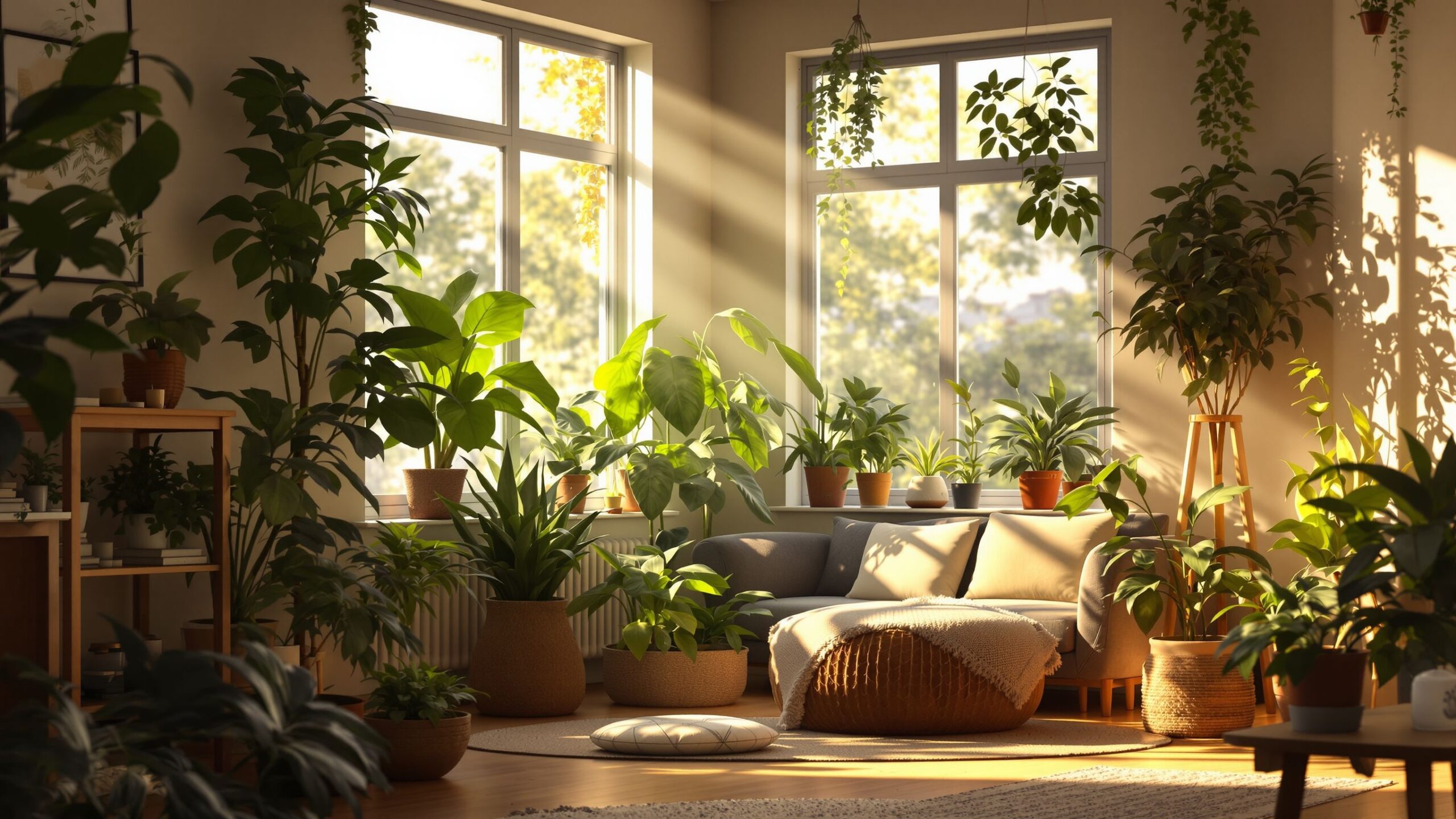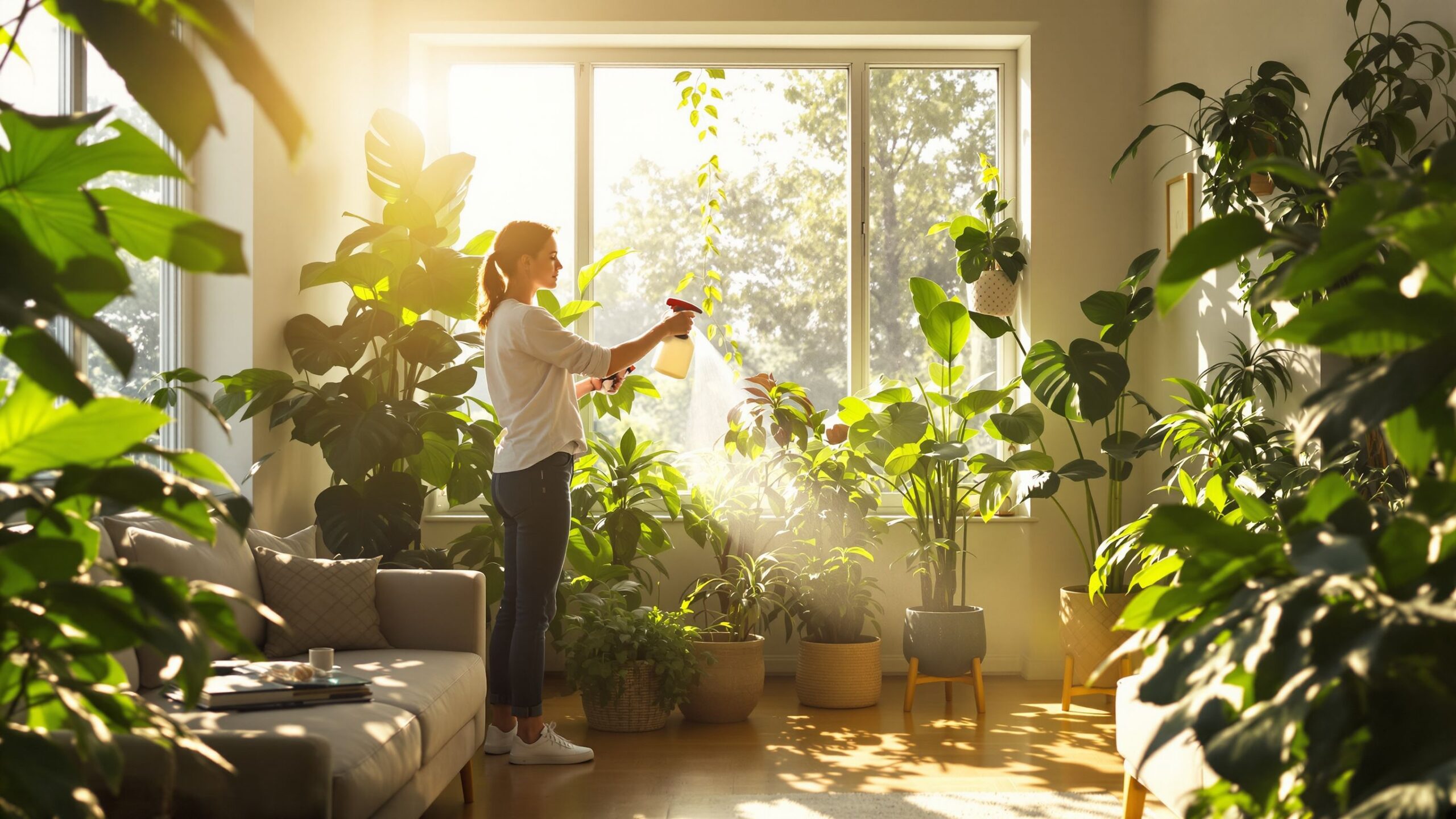
Indoor plants bring life, color, and a sense of calm into any space. They transform ordinary rooms into vibrant environments, soften harsh edges, and create a connection to nature that feels both grounding and refreshing. Yet for many people, keeping houseplants alive can feel like a mystery. Leaves turn yellow, growth slows, or plants seem to struggle without clear reasons. The truth is that indoor plant care is not complicated—it simply requires understanding a few essential principles and applying them consistently. Once you learn how to read your plants and respond to their needs, caring for them becomes intuitive and deeply rewarding.
A: When the top inch of soil is dry—frequency depends on plant type and environment.
A: Usually from overwatering or poor drainage.
A: Yes, most need bright, indirect light to thrive.
A: Some tropical plants benefit from extra humidity.
A: When roots outgrow the pot or growth slows.
A: Light feeding during the growing season helps support growth.
A: It could be dry air, underwatering, or inconsistent care.
A: Yes, with the help of grow lights.
A: Keep plants clean, inspect regularly, and isolate affected plants.
A: Snake plants, pothos, ZZ plants, and spider plants are great beginner choices.
Understanding Your Plant’s Natural Environment
Every indoor plant has a story that begins in a natural habitat. Some originate from tropical rainforests, thriving in warm, humid conditions with filtered light. Others come from arid regions, adapted to dry air and intense sunlight. Understanding where your plant comes from helps you recreate the conditions it needs to thrive indoors.
Tropical plants like pothos and monstera prefer indirect light and consistent moisture, while succulents and cacti require bright light and less frequent watering. By aligning your care routine with a plant’s natural preferences, you create an environment where it can grow with minimal stress. This perspective turns plant care into a process of observation rather than guesswork.
Light: The Foundation of Healthy Growth
Light is the most important factor in indoor plant care. Without enough light, plants cannot photosynthesize effectively, leading to weak growth and pale leaves. Too much direct sunlight, on the other hand, can cause scorching and damage.
Most houseplants thrive in bright, indirect light, which mimics the conditions beneath a forest canopy. Placing plants near windows where they receive filtered sunlight is often ideal. South-facing windows provide the most light, while east- and west-facing windows offer moderate exposure. North-facing windows typically provide lower light levels, suitable for shade-tolerant plants.
Observing how your plants respond to light is key. If a plant becomes leggy or leans toward the light source, it may need more illumination. Adjusting placement gradually helps find the perfect balance.
Watering: Finding the Perfect Rhythm
Watering is one of the most common challenges in indoor plant care. Too much water can lead to root rot, while too little can cause wilting and dryness. The key is to find a rhythm that matches the plant’s needs and the conditions of your home.
Rather than following a strict schedule, it is better to check the soil before watering. Many plants prefer the top inch of soil to dry out between watering sessions. When you do water, ensure it is thorough, allowing excess water to drain from the bottom of the pot. This prevents buildup and keeps roots healthy.
Different plants have different requirements. Tropical plants often prefer more consistent moisture, while succulents and cacti thrive in drier conditions. Learning these preferences helps you tailor your care routine effectively.
Soil and Drainage: The Hidden Foundation
Healthy plants begin with healthy roots, and that starts with the right soil. Indoor plants need well-draining soil that allows air and water to move freely. Dense or compacted soil can suffocate roots and lead to poor growth.
Using a quality potting mix designed for indoor plants provides a strong foundation. Some plants benefit from specialized mixes, such as cactus soil for succulents or orchid bark for epiphytic plants.
Drainage is equally important. Pots should always have drainage holes to prevent water from accumulating at the bottom. Without proper drainage, even the best watering practices can lead to problems.
Temperature and Humidity: Creating Comfort Indoors
Indoor plants are sensitive to temperature and humidity, both of which can vary significantly inside a home. Most houseplants prefer stable temperatures that mimic their natural environment, avoiding extremes of heat or cold.
Humidity is often overlooked but plays a crucial role, especially for tropical plants. Dry indoor air, particularly during winter, can cause leaf edges to brown or curl. Increasing humidity through methods like grouping plants together or using a humidifier can improve their health.
Keeping plants away from drafts, heating vents, and sudden temperature changes helps maintain a stable environment where they can thrive.
Feeding Your Plants: Nutrients for Growth
While soil provides a base level of nutrients, indoor plants benefit from occasional feeding. Fertilizers supply essential elements that support growth, leaf development, and overall health.
During the growing season, typically spring and summer, plants are more active and can make use of additional nutrients. A balanced, diluted fertilizer applied periodically can encourage stronger, more vibrant growth.
It is important not to overfeed, as excess fertilizer can damage roots and lead to salt buildup in the soil. Moderation and consistency are key to effective feeding.
Pruning and Maintenance
Regular maintenance keeps indoor plants looking their best and supports healthy growth. Pruning involves removing dead or damaged leaves, trimming overgrown stems, and shaping the plant as needed.
This process not only improves appearance but also redirects energy toward new growth. Cleaning leaves to remove dust allows plants to absorb light more efficiently, enhancing their overall health.
Maintenance is an ongoing practice that strengthens your connection to your plants. It encourages observation and helps you catch potential issues early.
Repotting: Giving Plants Room to Grow
As plants grow, they may outgrow their containers. Repotting provides fresh soil, additional space for roots, and an opportunity to refresh the plant’s environment.
Signs that a plant needs repotting include roots growing out of drainage holes, slowed growth, or soil that dries out too quickly. Choosing a slightly larger pot and carefully transferring the plant ensures minimal stress.
Repotting is not needed frequently, but when done at the right time, it revitalizes plants and supports continued growth.
Common Problems and How to Solve Them
Even with the best care, indoor plants can face challenges. Yellowing leaves often indicate overwatering, while dry, crispy edges may signal underwatering or low humidity.
Pests such as spider mites or aphids can occasionally appear, especially in indoor environments. Addressing these issues early with gentle cleaning or natural treatments helps prevent them from spreading.
Understanding these common problems and their causes allows you to respond quickly and effectively, keeping your plants healthy and resilient.
Choosing the Right Plants for Your Space
Success in indoor gardening often begins with choosing plants that match your environment. Low-light spaces benefit from hardy plants like snake plants or pothos, while bright areas can support a wider variety of species.
Selecting plants that align with your lifestyle is equally important. Some plants require frequent care, while others are more forgiving and adaptable. Matching your level of commitment with the needs of the plant creates a more enjoyable and sustainable experience.
Building a Routine That Works
Consistency is the foundation of successful indoor plant care. Developing a simple routine for checking soil, adjusting light, and monitoring growth helps keep plants in optimal condition.
This routine does not need to be time-consuming. Even a few minutes each week can make a significant difference. Over time, these small actions become habits that support long-term success.
The Emotional and Aesthetic Benefits of Indoor Plants
Caring for indoor plants offers more than just visual appeal. It creates a sense of calm, reduces stress, and adds a natural element to your living space. Plants can transform the atmosphere of a room, making it feel more inviting and alive.
The act of nurturing plants also provides a sense of accomplishment. Watching them grow and thrive under your care reinforces the connection between effort and reward.
Growing Confidence Through Experience
Indoor plant care is a journey of learning and discovery. Each plant teaches you something new, from recognizing subtle changes in leaves to understanding how different conditions affect growth.
Over time, confidence replaces uncertainty. What once felt complicated becomes second nature, and caring for plants becomes a source of enjoyment rather than stress.
Creating a Thriving Indoor Garden
The ultimate goal of indoor plant care is to create a space where plants not only survive but thrive. By understanding their needs and responding thoughtfully, you can build an indoor garden that is both beautiful and sustainable.
Every plant you care for becomes part of a larger environment, contributing to the overall health and energy of your home. With patience, observation, and a willingness to learn, you can turn any space into a lush, vibrant sanctuary filled with thriving greenery.
Garden Product Reviews
Step into Mossy Streets’ Garden Product Reviews — your go-to guide for the best tools, gear, gifts, books, and garden gadgets rooted in nature. From blooming backyard beauties to lush indoor jungles, from heirloom seeds to high-tech composters, we dig into top-rated products for green thumbs, beginners, educators, and plant lovers alike. Whether you’re planting, pruning, decorating, or simply enjoying your green space, we’ve unearthed the best so you can grow, bloom, and thrive — all in one vibrant place!