Lighting is the single most important factor in determining whether your houseplants thrive or struggle. While watering and soil often get the most attention, it is light that fuels growth, supports photosynthesis, and ultimately defines how healthy and vibrant your plants will be. The challenge is that not every room in your home offers the same lighting conditions. Windows face different directions, shadows shift throughout the day, and some spaces receive very little natural light at all. Understanding how to match your plants to each room’s unique lighting environment is the key to creating a thriving indoor garden.
A: Light that is strong but filtered, not directly hitting the plant.
A: South-facing offers the most light, but east or west can also work well.
A: Some can, like snake plants and pothos, but growth may be slower.
A: Only if natural light is insufficient for your plants.
A: Most need 10–14 hours of light daily, natural or artificial.
A: They are reaching toward the light source.
A: Yes, it can cause leaf burn and stress.
A: Yes, adjusting placement helps match changing light conditions.
A: Succulents, cacti, and many flowering plants.
A: Snake plants, ZZ plants, pothos, and some ferns.
Understanding Light Types in Your Home
Before assigning plants to specific rooms, it is important to understand the different types of light you may encounter. Bright direct light comes from unobstructed sunlight, usually through south- or west-facing windows, and is the strongest type available indoors. Bright indirect light is slightly filtered, often found near windows where sunlight is diffused by curtains or distance. Medium light occurs in areas that receive some natural light but not consistently throughout the day, while low light refers to spaces with minimal sunlight, often far from windows or in shaded corners.
Recognizing these categories allows you to evaluate each room and determine what kind of plants will perform best there. Instead of trying to force a plant to adapt, you align it with the conditions it naturally prefers.
Living Room: Balancing Brightness and Space
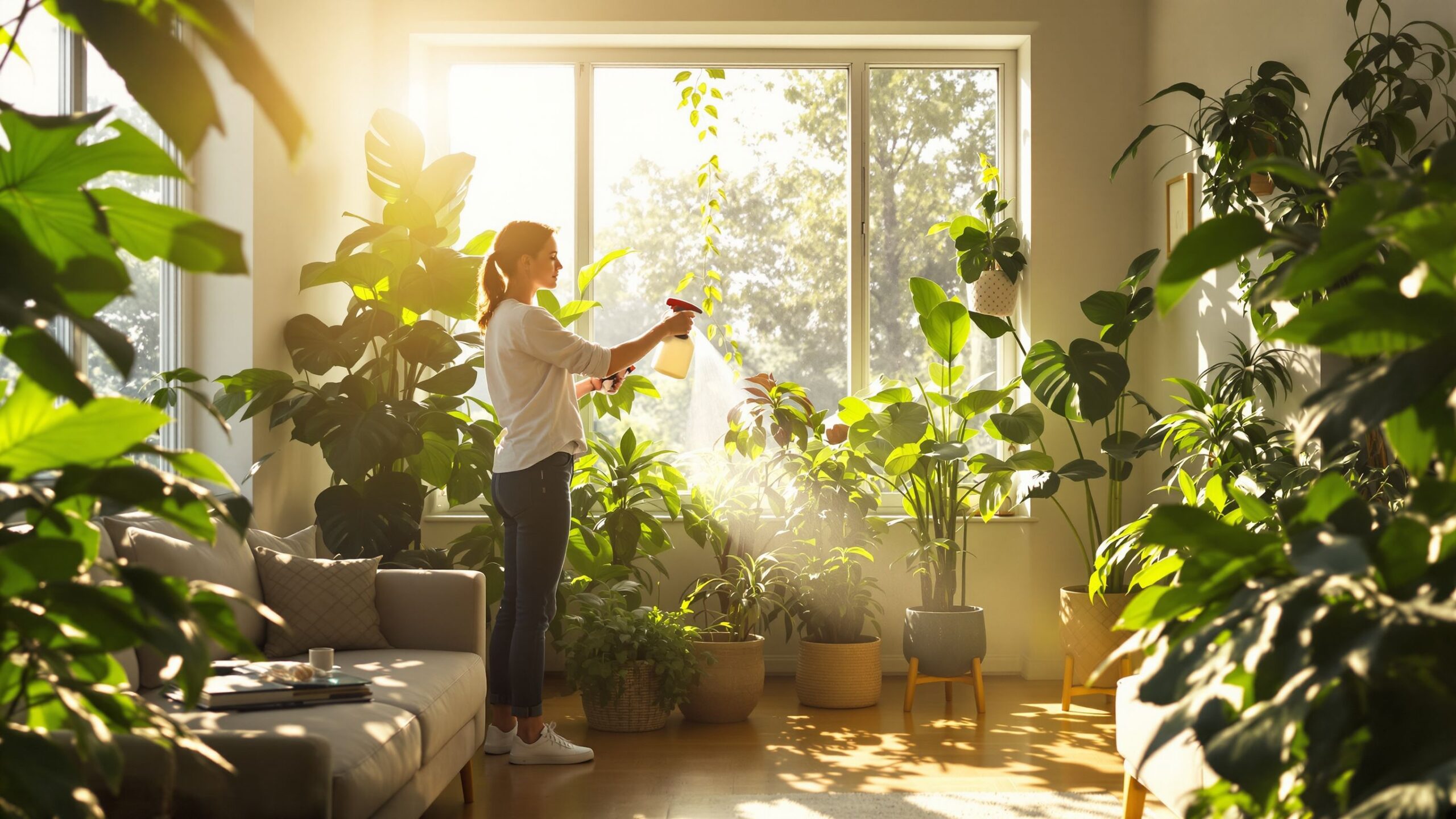
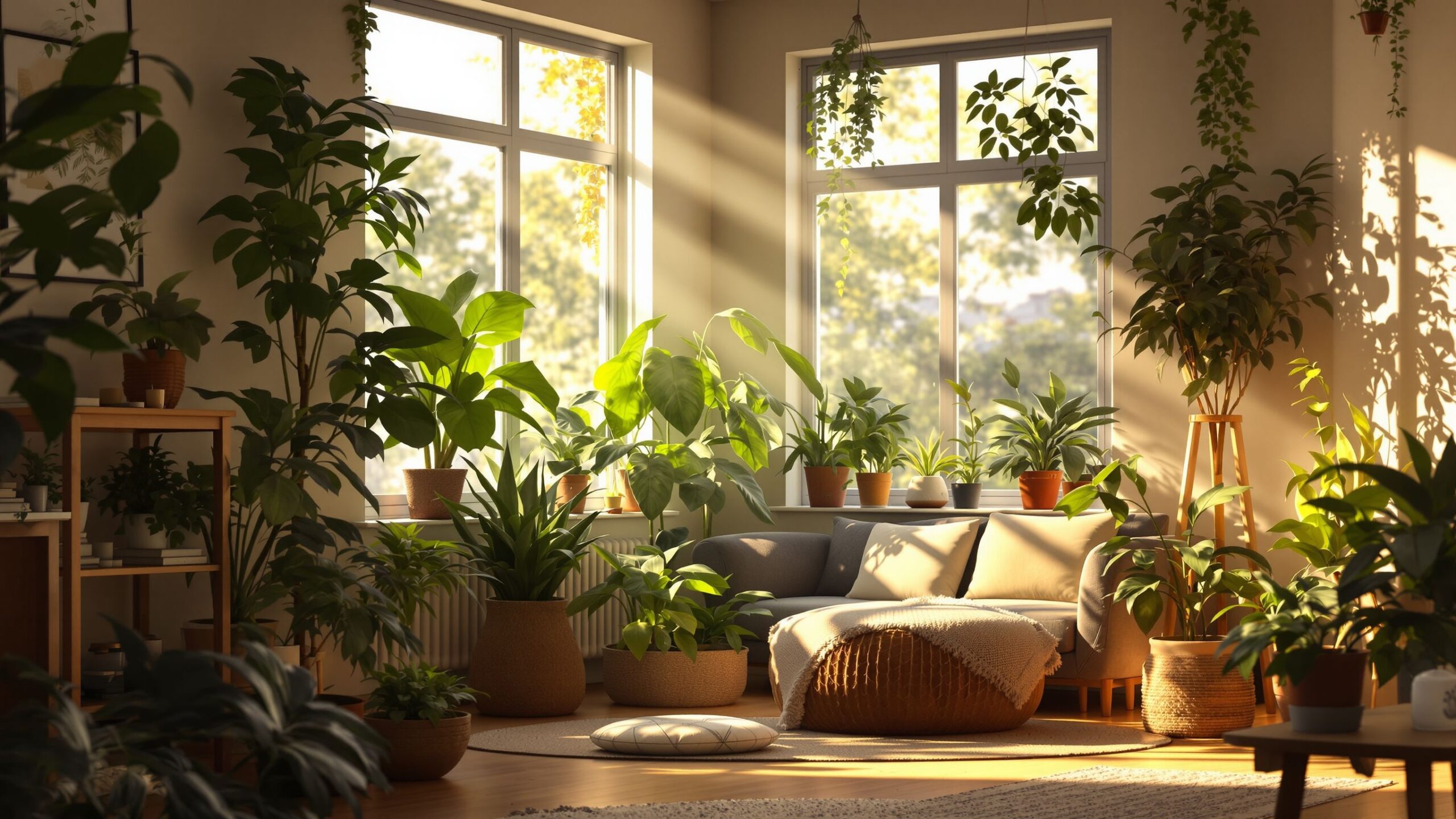
The living room is often the brightest and most versatile space in a home. Large windows, open layouts, and consistent daylight make it ideal for a wide range of houseplants. Plants that thrive in bright, indirect light—such as monstera, fiddle leaf fig, and rubber plants—do particularly well in this environment.
Positioning plants near windows but not directly in harsh sunlight helps maintain the right balance. Sheer curtains can soften intense light, preventing leaf burn while still providing enough energy for growth. Larger plants can be placed on the floor near windows, while smaller ones can sit on shelves or tables where they receive consistent illumination.
The living room offers flexibility, making it a perfect place to experiment with different plant types and arrangements.
Kitchen: Bright Light with Functional Placement
Kitchens often provide excellent lighting, especially if they have windows above sinks or along countertops. This makes them ideal for herbs and smaller plants that benefit from consistent light and easy access.
Bright, indirect light works well for most kitchen plants, while direct light can be beneficial for sun-loving herbs like basil and rosemary. Placing plants on windowsills or hanging them near light sources ensures they receive adequate illumination without interfering with daily activities.
The kitchen environment also tends to have higher humidity levels, which can benefit certain plants. This combination of light and moisture creates a supportive space for growth, especially for herbs that are regularly harvested.
Bedroom: Creating Calm with Moderate Light
Bedrooms typically offer moderate to low light, depending on window size and orientation. While they may not be the brightest spaces, they can still support a variety of houseplants when chosen carefully.
Plants that tolerate lower light levels, such as snake plants and pothos, are well-suited for bedrooms. These plants adapt easily and require minimal maintenance, making them ideal for creating a শান্ত and relaxing atmosphere.
Positioning plants near windows where they can receive indirect light helps maintain their health. Even in lower-light conditions, consistency is key. Rotating plants occasionally ensures even exposure and balanced growth.
Bathroom: Low Light with High Humidity
Bathrooms present a unique environment for houseplants. While they often have limited natural light, they compensate with higher humidity levels. This combination can be ideal for certain tropical plants that thrive in moist conditions.
Ferns, peace lilies, and similar plants can do well in bathrooms, especially if there is a window that provides some indirect light. For bathrooms with very little natural light, adding a small grow light can make a significant difference.
The humidity in bathrooms helps prevent plants from drying out, reducing the need for frequent watering. This creates a low-maintenance environment that supports steady growth.
Home Office: Focused Light for Productive Growth
A home office benefits from thoughtful plant placement that enhances both aesthetics and productivity. Lighting conditions can vary, but many offices have access to moderate or bright indirect light.
Desk-friendly plants such as small succulents, pothos, or ZZ plants can thrive in these conditions. Placing plants near windows or under supplemental lighting ensures they receive enough energy to grow.
Plants in a workspace not only improve air quality but also create a more inviting and inspiring environment. Matching the right plant to the available light helps maintain both productivity and plant health.
Hallways and Low-Light Areas
Hallways, corners, and other low-light areas can be challenging for houseplants, but they are not impossible to work with. Choosing plants that tolerate low light is essential in these spaces.
Snake plants, ZZ plants, and certain varieties of philodendron can adapt to limited light conditions. While growth may be slower, these plants can still maintain their appearance and health with proper care.
If natural light is extremely limited, adding artificial lighting can support plant growth. Even a small amount of supplemental light can transform a dim space into a viable environment for greenery.
Using Artificial Lighting Effectively
Not every home provides ideal natural lighting, but artificial lighting offers a practical solution. Grow lights are designed to mimic the spectrum of sunlight, providing the energy plants need to photosynthesize.
Positioning grow lights close to plants and using them consistently can compensate for low natural light. This is especially useful in rooms without windows or during seasons with shorter daylight hours.
Artificial lighting allows you to expand your indoor garden beyond the limitations of your home’s layout. It provides flexibility and ensures that plants receive the light they need regardless of location.
Signs Your Plant Needs More or Less Light
Plants communicate their needs through their appearance. Recognizing these signals helps you adjust lighting conditions before problems become severe.
If a plant becomes leggy, with long stems and sparse leaves, it is likely not receiving enough light. Moving it closer to a light source can improve its growth. On the other hand, scorched or faded leaves may indicate too much direct sunlight, requiring repositioning to a slightly shaded area.
Paying attention to these signs allows you to fine-tune your setup and create an environment where your plants can thrive.
Adapting to Seasonal Changes
Lighting conditions change throughout the year, and your plant care routine should adapt accordingly. During winter, shorter days and lower light levels may require moving plants closer to windows or adding supplemental lighting.
In summer, increased sunlight can intensify conditions, making it necessary to protect plants from excessive heat or direct exposure. Adjusting placement as the seasons change ensures that your plants receive consistent, appropriate lighting year-round.
Creating a Harmonious Indoor Garden
Matching plants to the lighting conditions of each room creates a balanced and harmonious indoor garden. Instead of struggling to keep plants alive in unsuitable environments, you work with the natural characteristics of your home.
This approach simplifies plant care and enhances the overall aesthetic of your space. Each room becomes a unique environment where plants are not just surviving but thriving.
Growing with Confidence
Understanding the best lighting for houseplants transforms indoor gardening into a more predictable and enjoyable experience. It removes uncertainty and replaces it with knowledge, allowing you to make informed decisions about plant placement and care.
As you become more familiar with your home’s lighting patterns, you develop the confidence to expand your collection and experiment with new varieties. What begins as a simple effort to keep plants alive evolves into a creative and fulfilling practice.
A Brighter Future for Your Plants
Lighting is the foundation of healthy houseplants, and mastering it opens the door to a thriving indoor garden. By observing your space, choosing the right plants, and making thoughtful adjustments, you create an environment where greenery can flourish.
In the end, the best lighting for houseplants is not just about brightness—it is about balance. It is about understanding how light interacts with your home and using that knowledge to support growth, beauty, and life in every room.
Garden Product Reviews
Step into Mossy Streets’ Garden Product Reviews — your go-to guide for the best tools, gear, gifts, books, and garden gadgets rooted in nature. From blooming backyard beauties to lush indoor jungles, from heirloom seeds to high-tech composters, we dig into top-rated products for green thumbs, beginners, educators, and plant lovers alike. Whether you’re planting, pruning, decorating, or simply enjoying your green space, we’ve unearthed the best so you can grow, bloom, and thrive — all in one vibrant place!