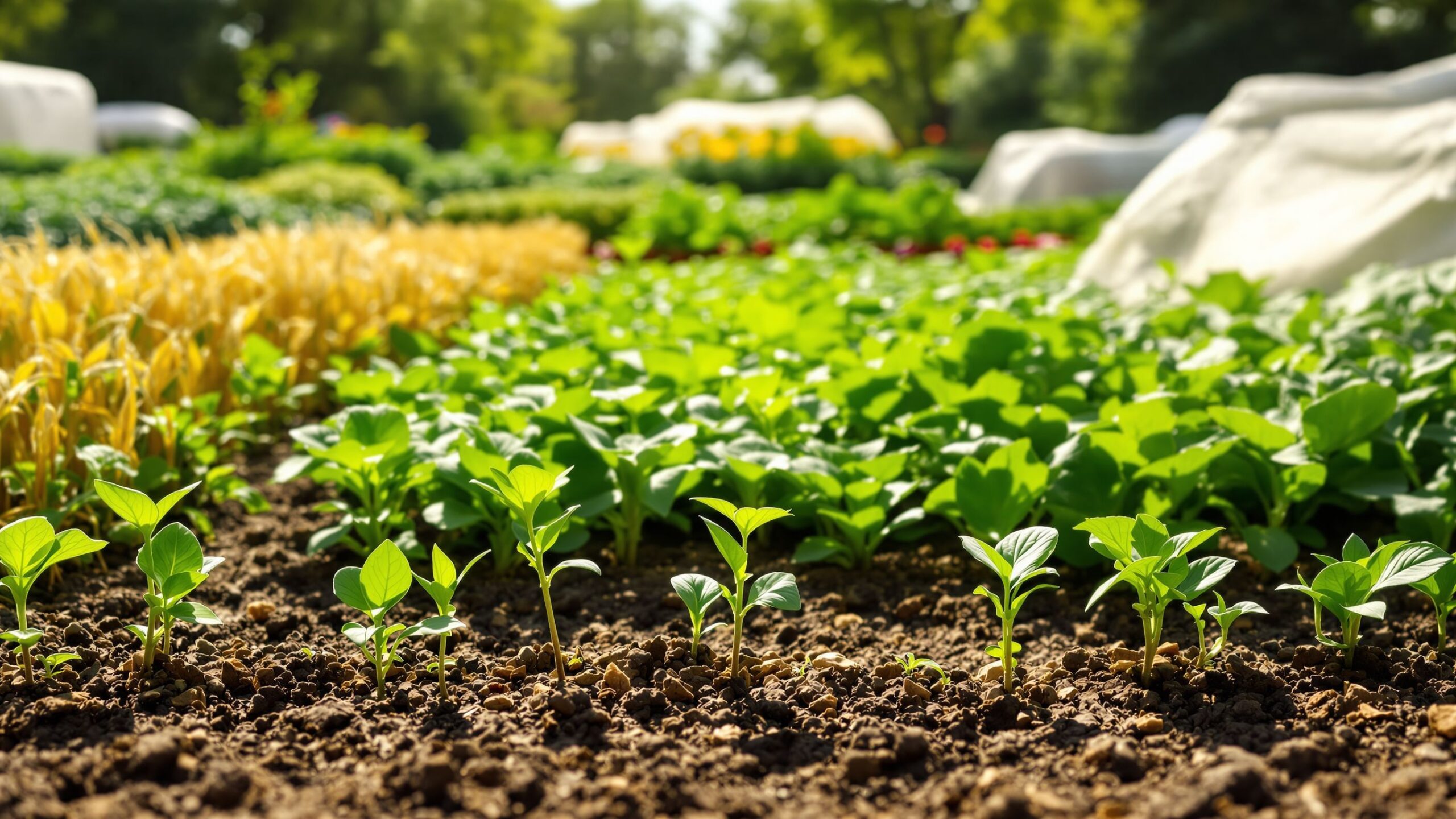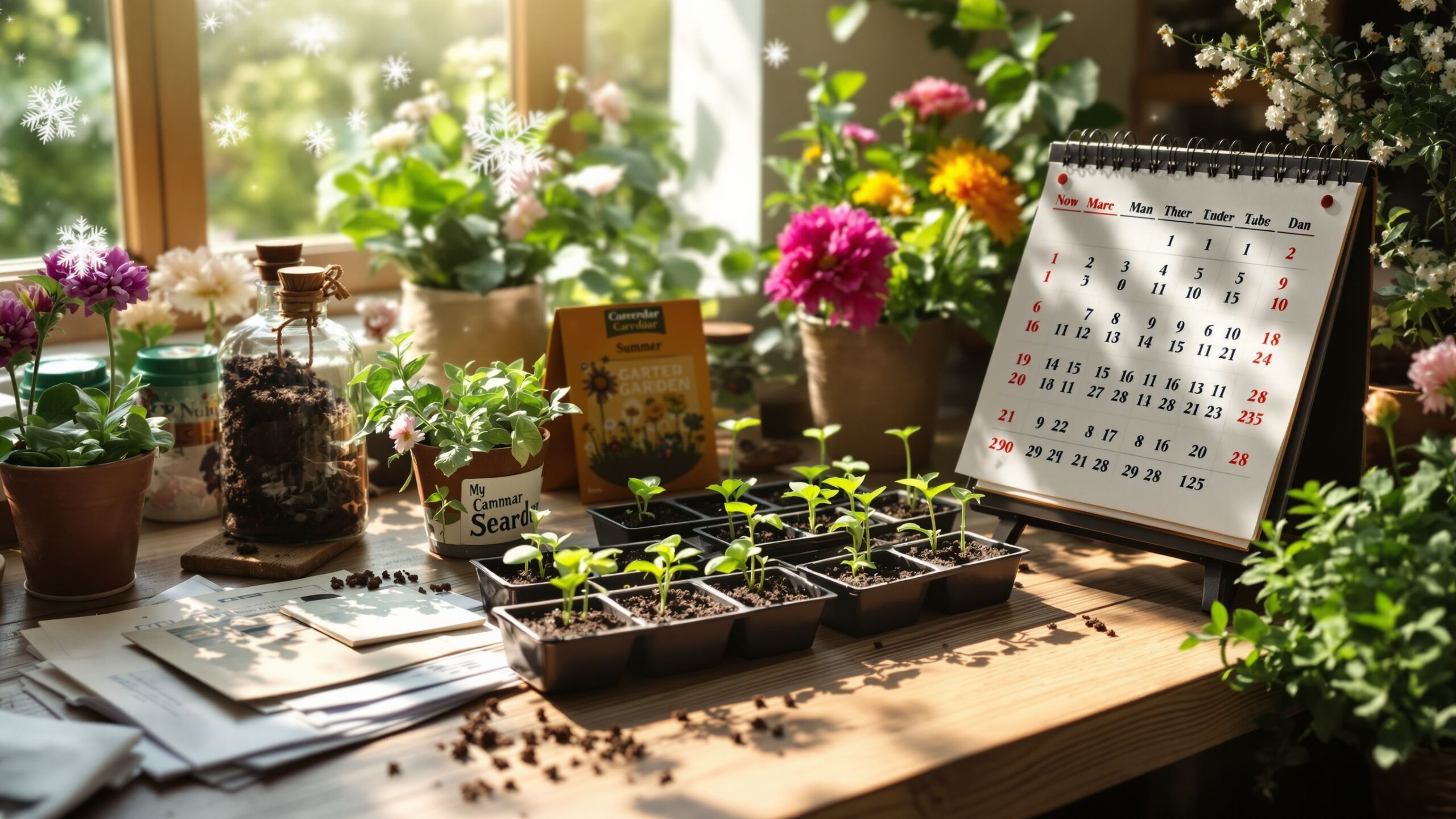
Gardening is not confined to a single season—it is a continuous cycle that evolves throughout the year. Knowing what to plant each month transforms your garden from a short-term project into a year-round system of growth, harvest, and renewal. Each month offers its own opportunities, shaped by temperature, daylight, and the natural rhythms of plants. When you align your planting schedule with these changes, you create a garden that stays productive, balanced, and full of life from one season to the next.
A: Yes, with the right crops and timing, gardening can be year-round in many areas.
A: Frost dates, soil temperature, and climate zone are key factors.
A: Garlic, cover crops, and some hardy greens depending on your climate.
A: Typically 6–8 weeks before your last frost date.
A: Planting crops in intervals to extend harvests.
A: Use row covers, mulch, or bring containers indoors.
A: It affects plant health, growth, and harvest success.
A: Yes, many cool-season crops thrive in fall conditions.
A: Seed calendars, garden journals, and planting guides.
A: Choose faster-growing crops or plan for the next season.
Understanding Seasonal Flow in Gardening
Before diving into a month-by-month guide, it is important to understand how seasons influence planting. Cool-season crops thrive in lower temperatures and can handle light frost, while warm-season crops require consistent warmth and longer days. The transition between these seasons creates windows of opportunity for planting different types of crops.
Your local climate plays a major role in determining exact timing, but the general monthly rhythm provides a reliable framework. By following this structure and adjusting for your region, you can plan your garden with confidence and clarity.
January: Planning and Indoor Beginnings
January is a month of preparation. While outdoor gardening is limited in many regions, it is the perfect time to plan your garden layout and select seeds for the upcoming season.
Indoors, you can begin starting slow-growing plants such as certain herbs and early vegetables. This early start gives them the time they need to develop before being moved outside later in the year. It is a quiet but important beginning to the gardening cycle.
February: Early Seed Starting Indoors
February continues the focus on indoor seed starting. As daylight begins to increase, conditions improve for growing seedlings. This is a good time to start plants that require a longer growing period, such as peppers and some flowers.
Attention to light and temperature becomes more important during this stage. Ensuring that seedlings receive adequate light helps prevent weak growth and prepares them for the transition to outdoor conditions.
March: Expanding Indoor Growth and Early Outdoor Planting
March marks the transition from winter to early spring. Indoor seed starting expands to include a wider variety of plants, including tomatoes and leafy greens.
In regions where the soil begins to thaw, certain cool-season crops can be planted outdoors. This is the beginning of visible garden activity, as the first signs of growth appear both indoors and outside.
April: Active Planting Season Begins
April is a busy month for gardeners. Cool-season crops such as lettuce, spinach, and carrots can be planted directly outdoors in many areas. Indoor seedlings continue to grow and prepare for transplanting.
This month is about momentum. The garden begins to fill with life, and the groundwork laid in earlier months starts to show results. Careful attention to weather conditions ensures that young plants are protected from unexpected cold snaps.
May: Transition to Warm-Season Crops
May is a turning point in the gardening calendar. As the risk of frost passes, warm-season crops like tomatoes, peppers, and squash can be planted outdoors.
Seedlings that were started indoors are transplanted into the garden, marking a major step in the growing process. This is a time of excitement and rapid growth, as plants begin to establish themselves in their permanent environment.
June: Growth and Maintenance
June is a month of growth. Plants are actively developing, and the focus shifts to maintenance tasks such as watering, weeding, and supporting growth.
Additional planting can still take place, especially for fast-growing crops. This ensures a continuous supply of fresh produce throughout the season. The garden becomes fuller and more vibrant as plants reach their peak growth phase.
July: Harvest and Continued Planting
July brings the first major harvests of the season. Early crops are ready to be picked, providing fresh, homegrown produce. At the same time, planting continues for certain vegetables that thrive in summer conditions.
This month is about balance—harvesting what is ready while continuing to plant for future growth. It keeps the garden productive and ensures that space is used efficiently.
August: Preparing for Fall Crops
As summer begins to wind down, August becomes a time to prepare for fall gardening. Cool-season crops can be started from seed, either indoors or directly in the garden, depending on the climate.
This forward-thinking approach extends the growing season and keeps the garden active beyond the peak of summer. It introduces a new cycle of growth that will carry into the cooler months.
September: Transition to Cooler Weather
September marks the transition into fall. Many cool-season crops thrive during this time, benefiting from milder temperatures and reduced heat stress.
Planting continues for vegetables that can mature before the first frost. At the same time, gardeners begin to prepare for the end of the main growing season, taking steps to protect plants and extend their productivity.
October: Final Plantings and Harvests
October is a month of both planting and harvesting. Some hardy crops can still be planted early in the month, while others are reaching the end of their growth cycle.
This is also a time to focus on harvesting remaining crops and preparing the garden for winter. Clearing spent plants and adding organic matter to the soil helps set the stage for the next season.
November: Wrapping Up the Season
November brings a slowdown in outdoor gardening activities. In many regions, the focus shifts to final harvests and protecting the garden from colder temperatures.
Indoor gardening can continue, with herbs and certain plants grown in controlled environments. This maintains a connection to gardening even as outdoor conditions become less favorable.
December: Reflection and Preparation
December is a time for reflection and planning. Reviewing what worked well and what could be improved helps guide future gardening efforts.
While active planting may be limited, this month is essential for setting goals and preparing for the next cycle. It completes the year and leads naturally into the planning phase that begins again in January.
Adapting the Calendar to Your Climate
While this monthly guide provides a general framework, it is important to adjust it based on your local climate. Warmer regions may allow for year-round planting, while colder areas may have shorter growing seasons.
Observing your environment and making adjustments ensures that your planting schedule aligns with real conditions. This flexibility is key to successful gardening.
Building a Continuous Gardening Cycle
A year-round planting guide is more than a schedule—it is a way of thinking about your garden as an ongoing process. Each month connects to the next, creating a cycle of preparation, growth, harvest, and renewal.
By following this rhythm, you maintain a productive garden throughout the year. It becomes a dynamic system that evolves with the seasons, offering new opportunities and challenges at every stage.
Growing with the Seasons
Understanding what to plant each month transforms gardening into a more intentional and rewarding experience. It removes uncertainty and replaces it with a clear plan that supports success.
Each season brings its own beauty and purpose, and by working with these changes, you create a garden that is both productive and deeply connected to the natural world. With time and practice, this year-round approach becomes second nature, guiding you toward a thriving garden that grows stronger with every passing season.
Garden Product Reviews
Step into Mossy Streets’ Garden Product Reviews — your go-to guide for the best tools, gear, gifts, books, and garden gadgets rooted in nature. From blooming backyard beauties to lush indoor jungles, from heirloom seeds to high-tech composters, we dig into top-rated products for green thumbs, beginners, educators, and plant lovers alike. Whether you’re planting, pruning, decorating, or simply enjoying your green space, we’ve unearthed the best so you can grow, bloom, and thrive — all in one vibrant place!