

Seed Starting & Propagation is where gardening becomes pure magic—a place where tiny specks become vibrant life and simple cuttings transform into thriving plants. This is the heart of creation in the gardening world, and it’s easier and more exciting than many beginners imagine. Whether you’re starting your first tray of vegetable seeds, dividing perennials to expand your garden, or rooting cuttings to share with friends, this page is your launchpad into the most rewarding part of plant growth. Here, you’ll learn how to give seeds the perfect start, how to create the right environment for sprouting, and how to multiply your plants using methods gardeners have trusted for centuries. From choosing the right soil mix to mastering humidity, warmth, and timing, each guide helps you build confidence one sprout at a time. Seed starting isn’t just a skill—it’s a journey of anticipation and discovery. Every tiny leaf is a victory, every root a promise. Dive in, explore, and watch your garden grow from the very first spark of life.
A: Check seed packets and start them 4–10 weeks before your last expected frost date.
A: A general rule is about two to three times the seed’s thickness, unless labeled “surface sow.”
A: They likely aren’t getting enough light or the light source is too far away.
A: It’s a fungal disease that topples seedlings; use sterile mix, avoid overwatering, and ensure airflow.
A: It’s safer to use fresh mix for seeds; reused media can harbor diseases.
A: When they have several true leaves and roots hold the soil together gently.
A: Many herbs (like mint, basil, rosemary), coleus, geraniums, and some houseplants root easily.
A: Not always, but it improves success with woody or slower-rooting plants.
A: Keep the medium evenly moist; never let it fully dry out, but avoid waterlogging.
A: Absolutely—once you try it, you’ll gain confidence and enjoy making your own plants.
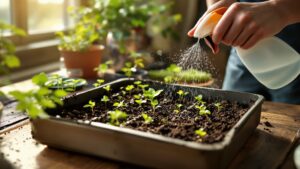
Best Seed Starting Methods for Beginners
Starting seeds doesn’t have to be intimidating. With the right methods, beginner gardeners can grow healthy seedlings, avoid common mistakes, and enjoy the excitement of watching plants grow from the very start.
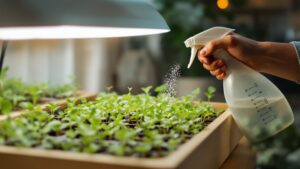
How to Start Seeds Indoors: Step-by-Step
Starting seeds indoors is the easiest way to jumpstart your garden. This guide walks you through every step to grow healthy seedlings ready for transplanting.
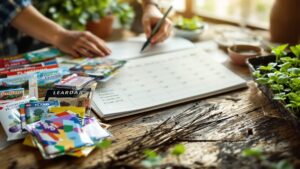
When to Start Seeds: Seasonal Calendar
Timing is everything in gardening. This seasonal seed-starting calendar helps you plan when to start seeds indoors and outdoors for the best results.