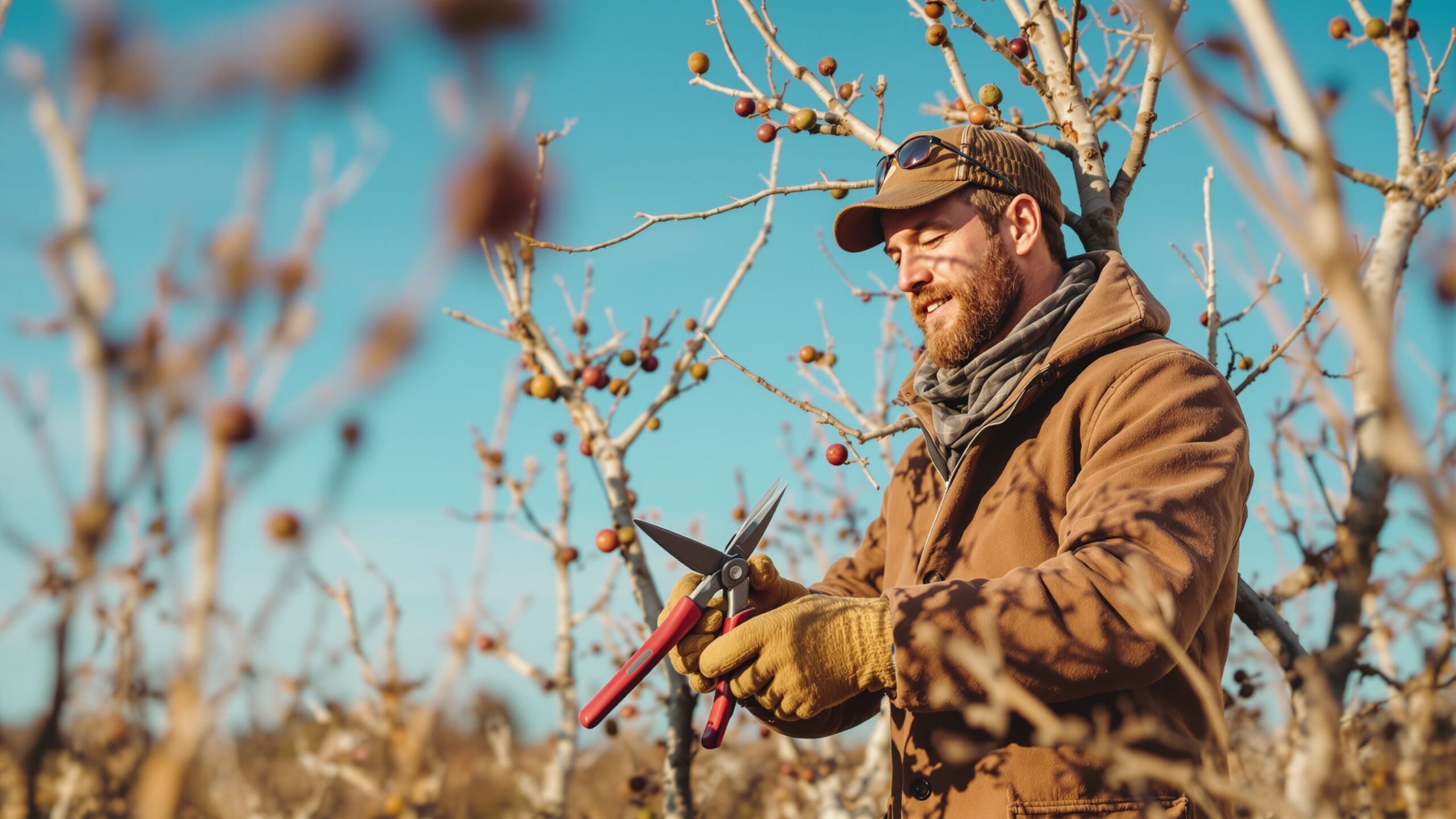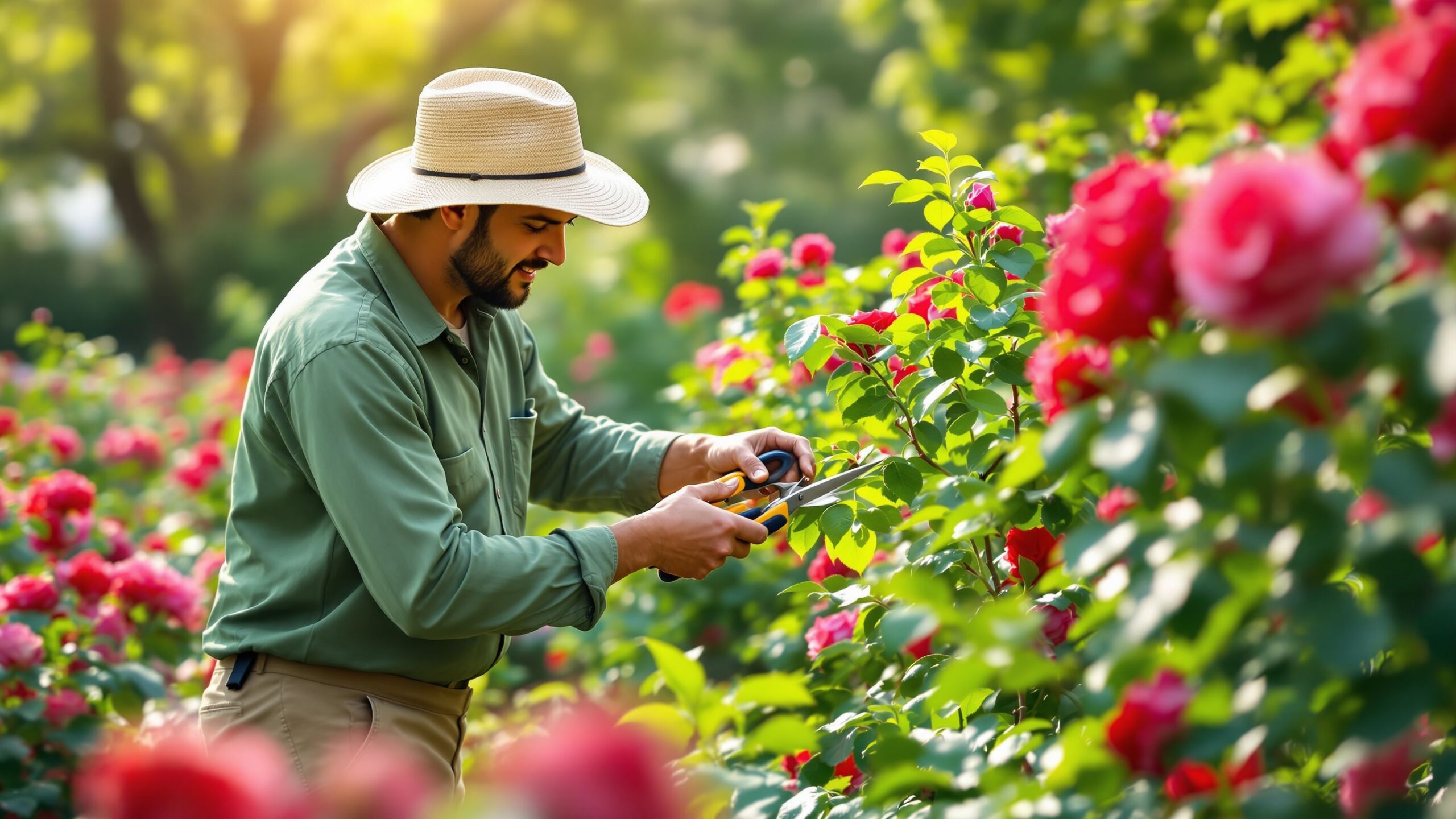
Pruning roses is one of the most powerful techniques a gardener can learn, yet it is often the most misunderstood. Many beginners approach their rose bushes with hesitation, unsure of where to cut or afraid of causing damage. In reality, pruning is not about harming the plant—it is about guiding its energy, shaping its growth, and unlocking its full blooming potential. When done correctly, pruning transforms roses into healthier, more vibrant plants that produce larger, more frequent flowers throughout the season.
A: Most roses are pruned in early spring when new growth begins, but timing varies by type.
A: It depends on the rose type, but removing about one-third of growth is common.
A: Yes, though some require lighter pruning than others.
A: It is the removal of spent blooms to encourage new flowers.
A: Light pruning is okay, but heavy pruning is best done in spring.
A: Improper pruning, lack of sunlight, or nutrient issues could be the cause.
A: Sharp pruners, gloves, and possibly loppers for thicker stems.
A: Generally no, roses heal naturally without sealants.
A: Aim for an open center with evenly spaced canes.
A: They may become overgrown, produce fewer blooms, and develop more disease issues.
Why Pruning Is Essential for Healthy Roses
Roses are vigorous growers, but without proper pruning, they can become tangled, overcrowded, and less productive. Over time, unpruned roses may produce smaller blooms, fewer flowers, and weaker stems. Pruning removes dead or damaged wood, improves airflow, and allows sunlight to reach the inner parts of the plant. This creates an environment where new growth can thrive and where blooms can develop to their fullest potential.
Another important benefit of pruning is disease prevention. Dense, crowded branches trap moisture and limit airflow, creating ideal conditions for fungal issues. By opening up the plant, pruning reduces these risks and keeps roses healthier over time. It also encourages the plant to direct its energy toward producing strong stems and abundant flowers rather than sustaining unnecessary or unhealthy growth.
Understanding Rose Growth Before You Cut
To prune effectively, it helps to understand how roses grow. Most roses bloom on new growth, which means the flowers you see during the season develop on stems that have grown recently. This is why pruning stimulates blooming—it encourages the plant to produce fresh shoots that will eventually carry flowers.
Each cut you make influences the direction and strength of new growth. Buds located just below a cut will begin to grow, and the direction they face determines how the plant will expand. Cutting above outward-facing buds encourages the plant to grow outward rather than inward, helping maintain an open, balanced shape.
This understanding turns pruning from guesswork into a deliberate, controlled process. Every cut becomes a decision that shapes the future of the plant.
The Best Time to Prune Roses
Timing is one of the most critical factors in successful rose pruning. In most climates, the best time to prune roses is in early spring, just as new growth begins to appear. This is when the plant is waking up from dormancy and ready to respond to pruning with vigorous growth.
Pruning too early, while the plant is still dormant, can expose it to cold damage. Pruning too late can reduce the number of blooms, as the plant has already begun directing energy toward existing growth. Observing your roses and waiting for signs of new buds is the most reliable way to determine the right moment.
Light pruning can also be done throughout the growing season to remove spent blooms, a process known as deadheading. This encourages the plant to produce additional flowers and extends the blooming period.
Tools You Need for Clean and Effective Cuts
Using the right tools makes a significant difference in the pruning process. Sharp pruning shears are essential for making clean cuts that heal quickly. Dull tools can crush stems, increasing the risk of disease and slowing recovery.
Clean tools are equally important. Sanitizing your shears before and after use helps prevent the spread of disease between plants. For thicker branches, loppers or pruning saws may be necessary, but for most routine pruning, a good pair of hand pruners will suffice.
Investing in quality tools not only makes pruning easier but also improves the overall health of your roses.
Step-by-Step Guide to Pruning Roses
Pruning roses becomes much less intimidating when broken down into simple steps. The first step is removing any dead, damaged, or diseased wood. These branches are usually discolored, brittle, or lifeless and should be cut back to healthy tissue.
Next, focus on removing crossing or inward-growing branches. These can rub against each other and create wounds, while inward growth reduces airflow and light penetration. Eliminating these branches helps maintain an open structure that supports healthy development.
After clearing out unwanted growth, shape the plant by cutting back remaining stems. Most gardeners aim to reduce the plant by about one-third to one-half of its height, depending on the type of rose and its overall condition. Cuts should be made at a slight angle, just above an outward-facing bud, to encourage proper growth direction.
This step-by-step approach simplifies the process and ensures that each cut contributes to the plant’s overall health and productivity.
Deadheading: The Secret to Continuous Blooms
Deadheading is a simple but highly effective technique for maximizing blooms. By removing spent flowers, you prevent the plant from putting energy into seed production and instead redirect that energy toward new blooms.
The process involves cutting back the stem just above a set of healthy leaves, typically where a five-leaflet leaf is present. This encourages the plant to produce a new flowering shoot from that point. Regular deadheading throughout the growing season can significantly increase the number of blooms your roses produce.
It also keeps the plant looking tidy and vibrant, enhancing the overall appearance of your garden.
Pruning Different Types of Roses
While the basic principles of pruning apply to most roses, different types may require slight variations in approach. Hybrid tea roses benefit from more aggressive pruning, which encourages larger blooms and stronger stems. Floribunda roses, known for their clusters of flowers, respond well to moderate pruning that maintains their shape while promoting continuous blooming.
Climbing roses require a different strategy, focusing on training and supporting long canes rather than cutting them back heavily. Instead of removing large portions of growth, pruning involves guiding the canes along supports and removing only dead or unproductive wood.
Understanding the type of rose you are working with allows you to tailor your pruning approach for the best results.
Common Pruning Mistakes to Avoid
One of the most common mistakes beginners make is being too timid. Hesitation can lead to insufficient pruning, which limits the plant’s ability to produce new growth. Roses are more resilient than they appear, and they can handle significant pruning when done correctly.
Another mistake is making cuts in the wrong place. Cutting too far above a bud can leave dead stubs, while cutting too close can damage the bud itself. Finding the right balance ensures healthy regrowth.
Neglecting tool maintenance is another issue that can affect results. Using dull or dirty tools can harm the plant and increase the risk of disease. Taking the time to keep tools sharp and clean is a simple step that makes a big difference.
Encouraging Stronger Growth After Pruning
After pruning, roses enter a phase of active growth. Supporting this growth with proper care ensures the best possible results. Providing adequate water, balanced fertilizer, and sufficient sunlight helps the plant recover quickly and produce strong new shoots.
Mulching around the base of the plant can help retain moisture and regulate soil temperature, creating a stable environment for growth. Monitoring the plant for signs of stress or disease allows you to address issues early and maintain healthy development.
This post-pruning care is just as important as the pruning itself. It completes the process and sets the stage for a season of abundant blooms.
The Reward: Bigger, Brighter, and More Abundant Roses
The true reward of pruning becomes visible as the growing season unfolds. New shoots emerge, buds form, and flowers begin to open in vibrant displays of color and fragrance. Properly pruned roses often produce larger blooms, stronger stems, and more consistent flowering throughout the season.
This transformation is not just visual—it is deeply satisfying. It reflects the care, attention, and understanding you have invested in your plants. Each bloom becomes a reminder of the impact thoughtful pruning can have on the life of a garden.
Growing Confidence Through Practice
Like any gardening skill, pruning improves with experience. The more you practice, the more intuitive it becomes. You begin to recognize patterns in growth, anticipate how the plant will respond, and make decisions with greater confidence.
Mistakes are part of the learning process, and roses are forgiving teachers. Even imperfect pruning can lead to positive outcomes, reinforcing the idea that progress matters more than perfection. Over time, what once felt intimidating becomes second nature.
A Garden Transformed by Careful Pruning
Pruning roses is not just a maintenance task—it is an act of shaping and nurturing life. It allows you to guide your plants toward their fullest potential, creating a garden that is both beautiful and thriving.
When approached with knowledge and confidence, pruning becomes a rewarding ritual that connects you to your garden in a meaningful way. It is a reminder that growth often requires a little trimming, a little patience, and a willingness to shape something into its best form. With each season, your roses will respond, rewarding your efforts with blooms that are richer, fuller, and more abundant than ever before.
Garden Product Reviews
Step into Mossy Streets’ Garden Product Reviews — your go-to guide for the best tools, gear, gifts, books, and garden gadgets rooted in nature. From blooming backyard beauties to lush indoor jungles, from heirloom seeds to high-tech composters, we dig into top-rated products for green thumbs, beginners, educators, and plant lovers alike. Whether you’re planting, pruning, decorating, or simply enjoying your green space, we’ve unearthed the best so you can grow, bloom, and thrive — all in one vibrant place!