Saving water in your garden does not mean watching your plants struggle or sacrificing the lush, vibrant look you love. In fact, with the right approach, conserving water can actually lead to stronger, healthier plants and a more resilient outdoor space. Modern gardening is shifting toward efficiency and sustainability, where every drop of water is used wisely and every plant is supported by smart design. By understanding how water moves through your garden and how plants use it, you can create a system that reduces waste while maintaining beauty and growth.
A: Water deeply, mulch well, improve soil, and use drip irrigation when possible.
A: Early morning is best because less water evaporates.
A: Yes, drip irrigation sends water directly to roots with less waste.
A: A layer around 2 to 3 inches is helpful, but keep it away from plant stems.
A: Usually no—deep, less frequent watering is often better for roots.
A: Native plants, drought-tolerant perennials, herbs, grasses, and succulents often need less water.
A: Yes, use larger pots, mulch the top, and group containers together.
A: Yes, compost improves soil structure and moisture retention.
A: Yes, rain barrels are a great way to collect water for garden use.
A: Absolutely, with smart plant choices it can be colorful, full, and thriving.
Understanding How Plants Use Water
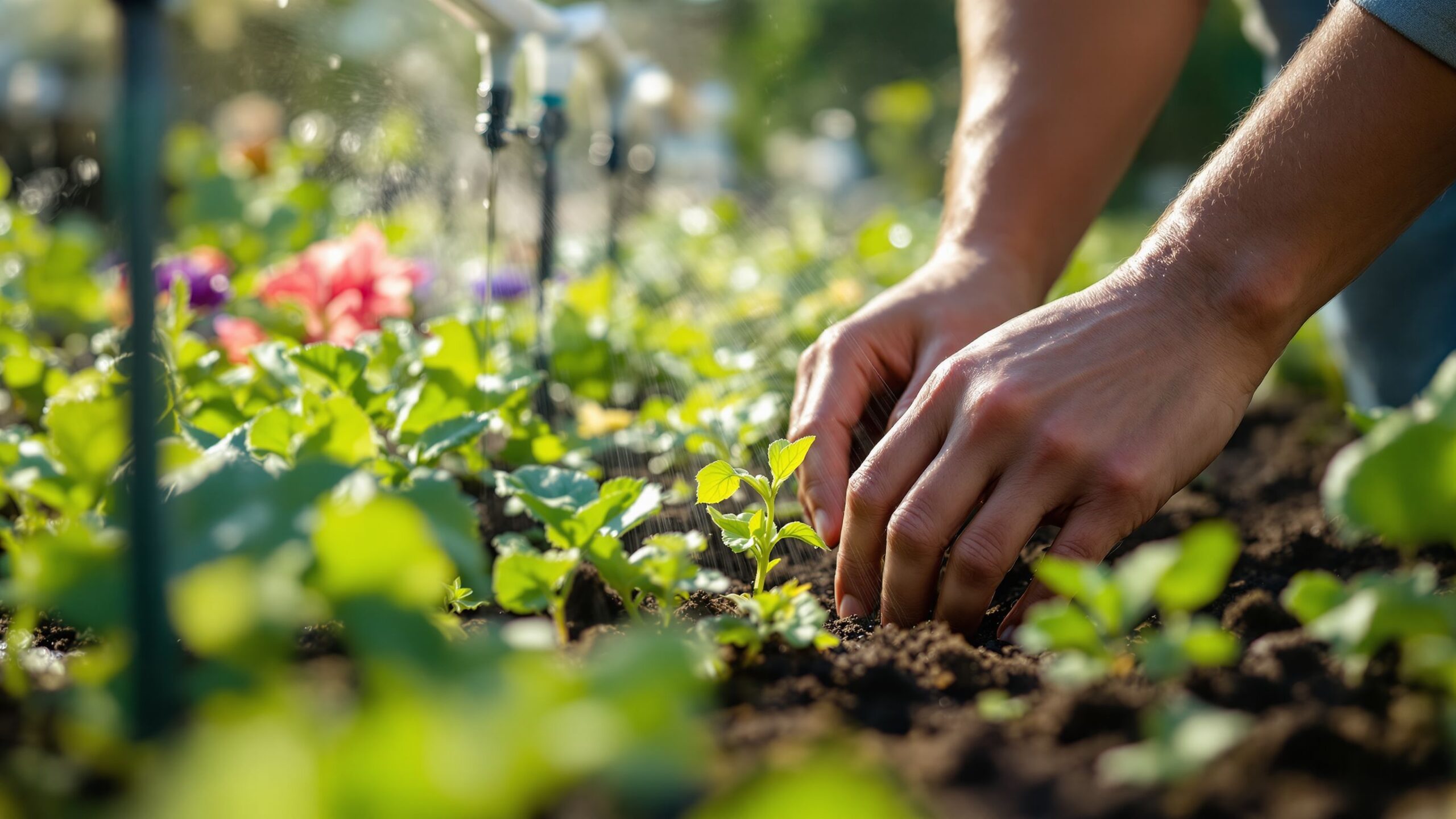
Plants rely on water for nearly every essential function, from transporting nutrients to maintaining structure and supporting photosynthesis. However, not all the water you provide is actually used by plants. A significant portion can be lost through evaporation, runoff, or inefficient watering methods. By understanding how roots absorb water and how soil retains it, you can make more informed decisions about when and how to water. Deep, infrequent watering encourages roots to grow deeper into the soil, making plants more drought-tolerant and less dependent on constant irrigation.
Improving Soil to Retain Moisture
Healthy soil is one of the most powerful tools for conserving water in your garden. Soil rich in organic matter acts like a sponge, holding moisture and releasing it slowly to plant roots. Adding compost, aged manure, or other organic materials improves soil structure, allowing it to retain water more effectively while also providing essential nutrients. Well-conditioned soil reduces the need for frequent watering and helps plants stay hydrated even during dry periods. Investing in your soil creates a strong foundation for water efficiency and plant health.
Using Mulch to Reduce Evaporation
Mulching is a simple yet highly effective way to conserve water. A layer of organic mulch, such as wood chips, straw, or shredded leaves, covers the soil and reduces evaporation by shielding it from direct sunlight. Mulch also helps regulate soil temperature, keeping roots cooler in the heat and reducing stress on plants. Over time, organic mulch breaks down and enriches the soil, further improving its ability to retain moisture. This natural barrier not only saves water but also enhances the overall health of your garden.
Choosing Drought-Tolerant and Native Plants
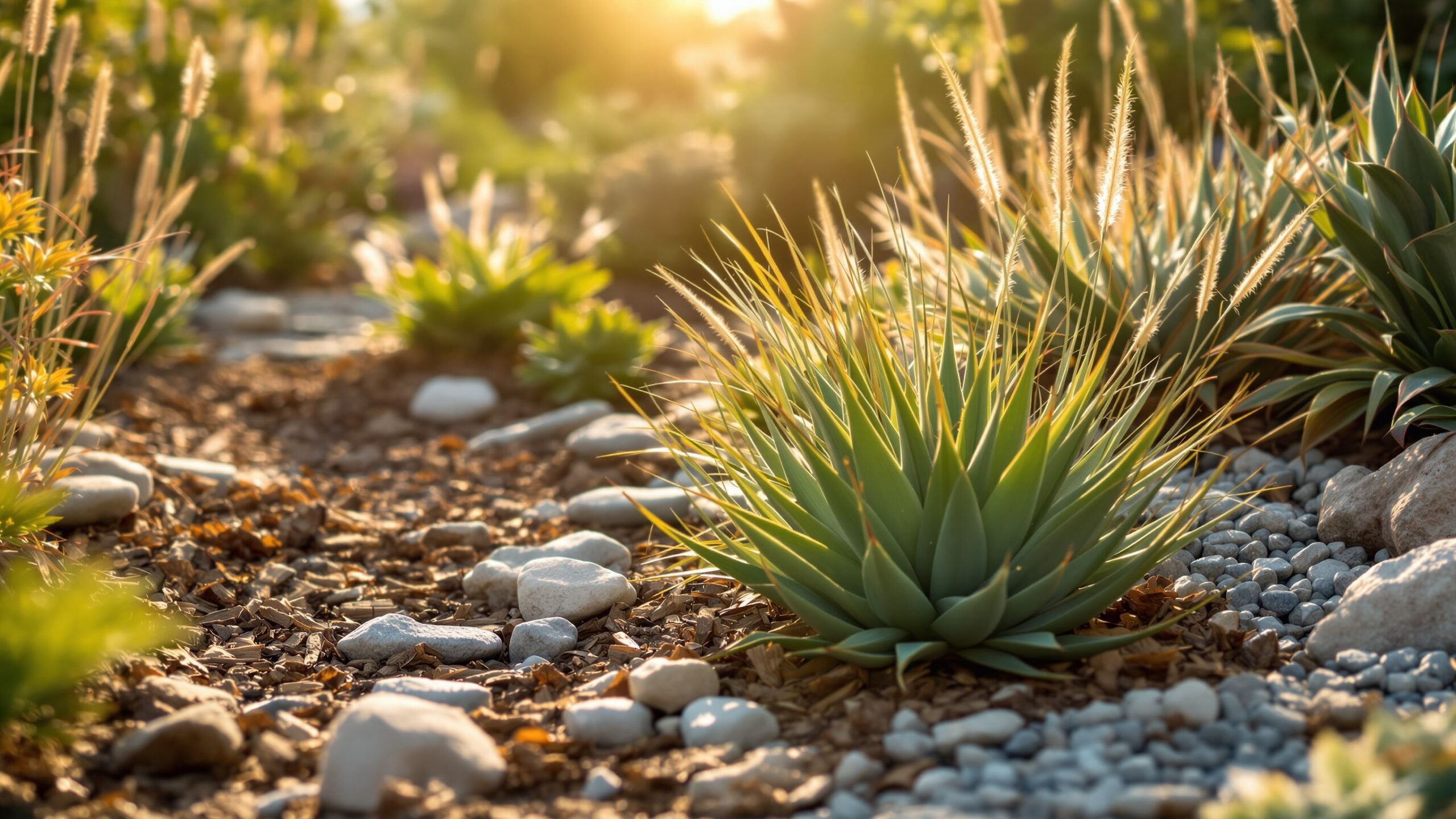
Plant selection plays a major role in water conservation. Drought-tolerant and native plants are adapted to local conditions and require less supplemental watering once established. These plants have evolved to survive with minimal water, often featuring deep root systems or specialized leaves that reduce water loss. By incorporating these species into your garden, you create a landscape that thrives with less effort and fewer resources. Mixing drought-tolerant plants with more water-dependent varieties allows you to balance beauty with efficiency.
Watering Smarter, Not More
The way you water your garden can have a significant impact on water usage. Early morning is the best time to water, as cooler temperatures reduce evaporation and allow moisture to penetrate the soil more effectively. Avoid watering during the heat of the day, when much of the water can be lost before it reaches the roots. Targeting the base of plants rather than spraying leaves ensures that water goes where it is needed most. Deep watering sessions spaced out over time are more beneficial than frequent shallow watering, as they encourage stronger root systems.
Installing Efficient Irrigation Systems
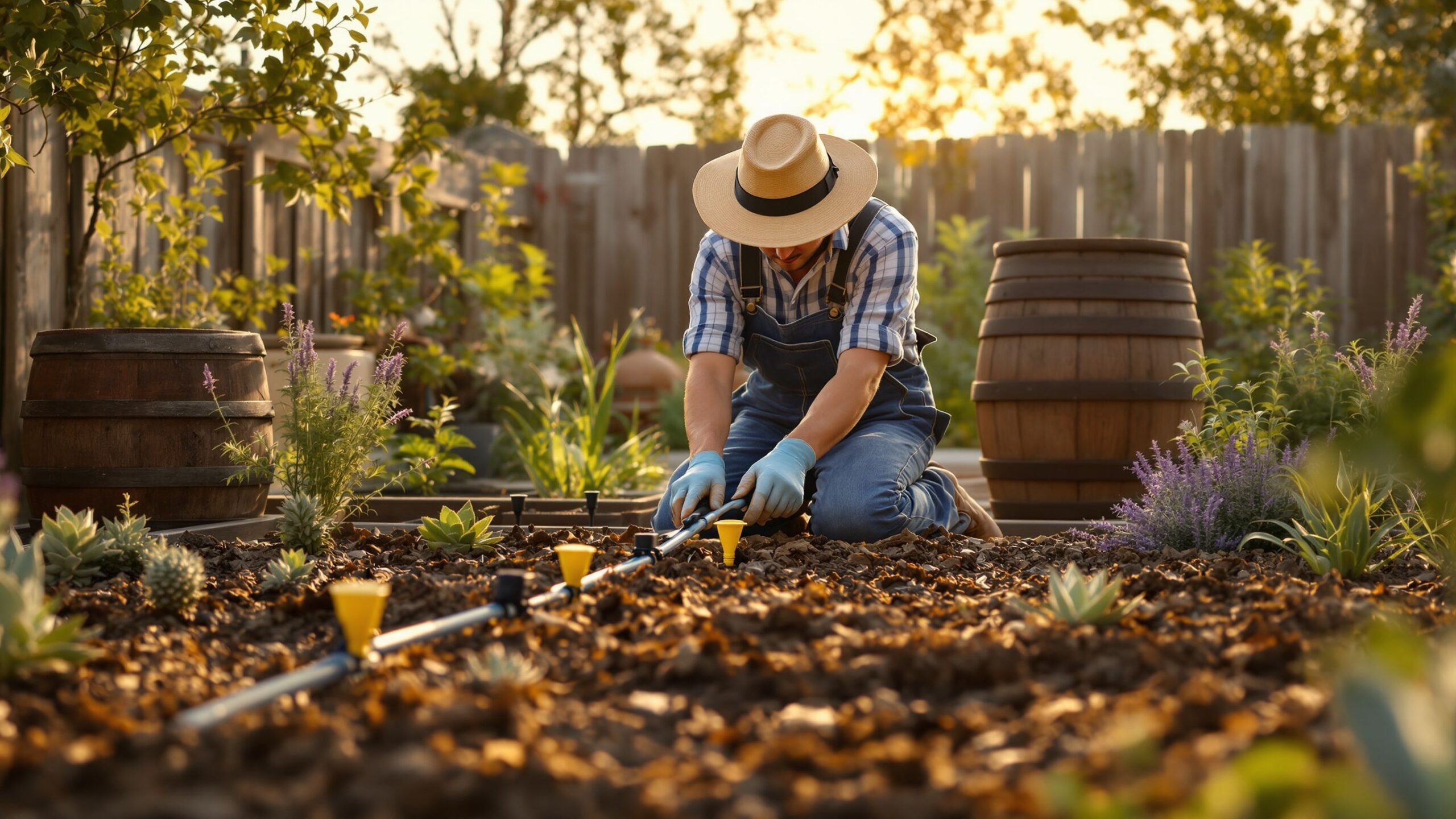
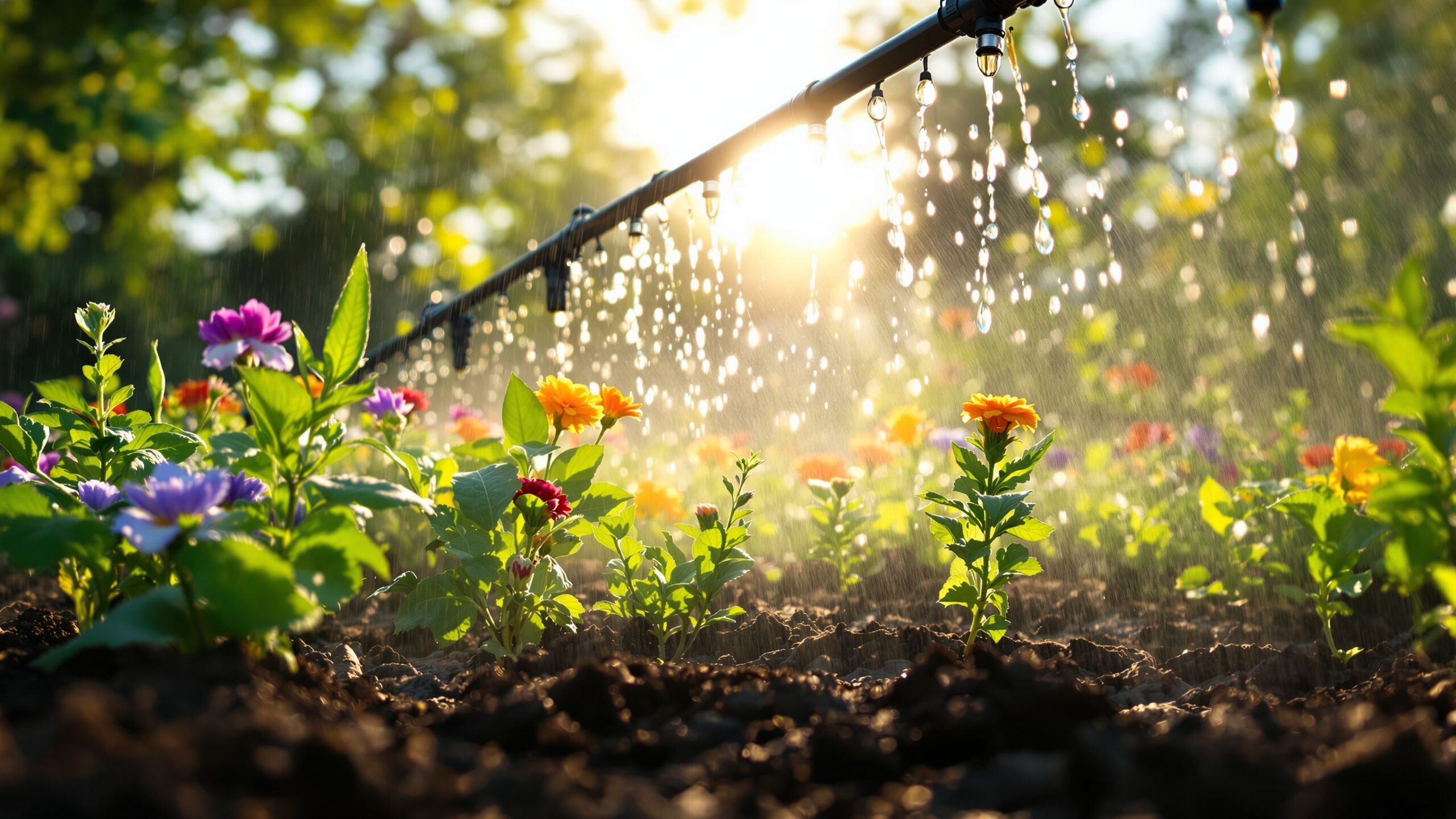
Modern irrigation systems offer powerful tools for conserving water while maintaining plant health. Drip irrigation and soaker hoses deliver water directly to the soil, minimizing waste and ensuring that moisture reaches the root zone. These systems can be customized to suit different areas of your garden, providing precise control over water distribution. Timers and smart controllers can further enhance efficiency by adjusting watering schedules based on weather conditions. By investing in efficient irrigation, you reduce water use while improving consistency and reliability.
Grouping Plants by Water Needs
Organizing your garden based on plant water requirements is an effective strategy for reducing waste. By grouping plants with similar needs together, you can water each area appropriately without overwatering or underwatering others. This method, often referred to as hydrozoning, allows you to tailor irrigation to specific sections of your garden. Plants that require more water can be placed together, while drought-tolerant species can be grouped in areas that receive less frequent watering. This thoughtful arrangement ensures that every plant gets exactly what it needs.
Capturing and Reusing Water
Collecting and reusing water is another powerful way to conserve resources in your garden. Rain barrels and other collection systems allow you to capture runoff from roofs and store it for later use. This natural water source is often free of chemicals and ideal for plants. Reusing water from household activities, where safe and appropriate, can also reduce overall consumption. By making use of available water rather than relying solely on external sources, you create a more sustainable and self-sufficient garden.
Reducing Lawn Areas for Better Efficiency
Traditional lawns are among the most water-intensive features in many gardens. Reducing the size of your lawn or replacing it with drought-tolerant ground covers can significantly decrease water usage. Alternative landscaping options, such as native plant beds, gravel paths, or natural meadows, require far less maintenance and irrigation. These changes not only conserve water but also create a more diverse and visually interesting landscape that supports wildlife and ecological balance.
Monitoring and Adjusting Your Approach
Water conservation is not a one-time effort but an ongoing process that requires observation and adjustment. Paying attention to how your plants respond to different watering practices helps you refine your approach over time. Signs of overwatering, such as yellowing leaves or soggy soil, indicate that adjustments are needed, while dry or wilting plants may require more attention. By staying attentive and responsive, you can maintain a balance that supports both conservation and plant health.
Creating a Resilient and Sustainable Garden
A water-efficient garden is one that can adapt to changing conditions and continue to thrive with minimal input. By combining healthy soil, efficient watering methods, thoughtful plant selection, and sustainable practices, you create a system that supports itself. This resilience not only reduces water usage but also makes your garden more resistant to drought and environmental stress. Over time, your garden becomes a model of sustainability, demonstrating that beauty and responsibility can go hand in hand.
Final Thoughts on Saving Water in Your Garden
Saving water in your garden without sacrificing plants is entirely achievable with the right strategies and mindset. By focusing on efficiency, sustainability, and natural processes, you can create a space that is both beautiful and responsible. Every step you take, from improving soil to choosing the right plants, contributes to a healthier environment and a more sustainable future. With thoughtful planning and consistent care, your garden can thrive while using less water, proving that conservation and growth can coexist seamlessly.
Garden Product Reviews
Step into Mossy Streets’ Garden Product Reviews — your go-to guide for the best tools, gear, gifts, books, and garden gadgets rooted in nature. From blooming backyard beauties to lush indoor jungles, from heirloom seeds to high-tech composters, we dig into top-rated products for green thumbs, beginners, educators, and plant lovers alike. Whether you’re planting, pruning, decorating, or simply enjoying your green space, we’ve unearthed the best so you can grow, bloom, and thrive — all in one vibrant place!