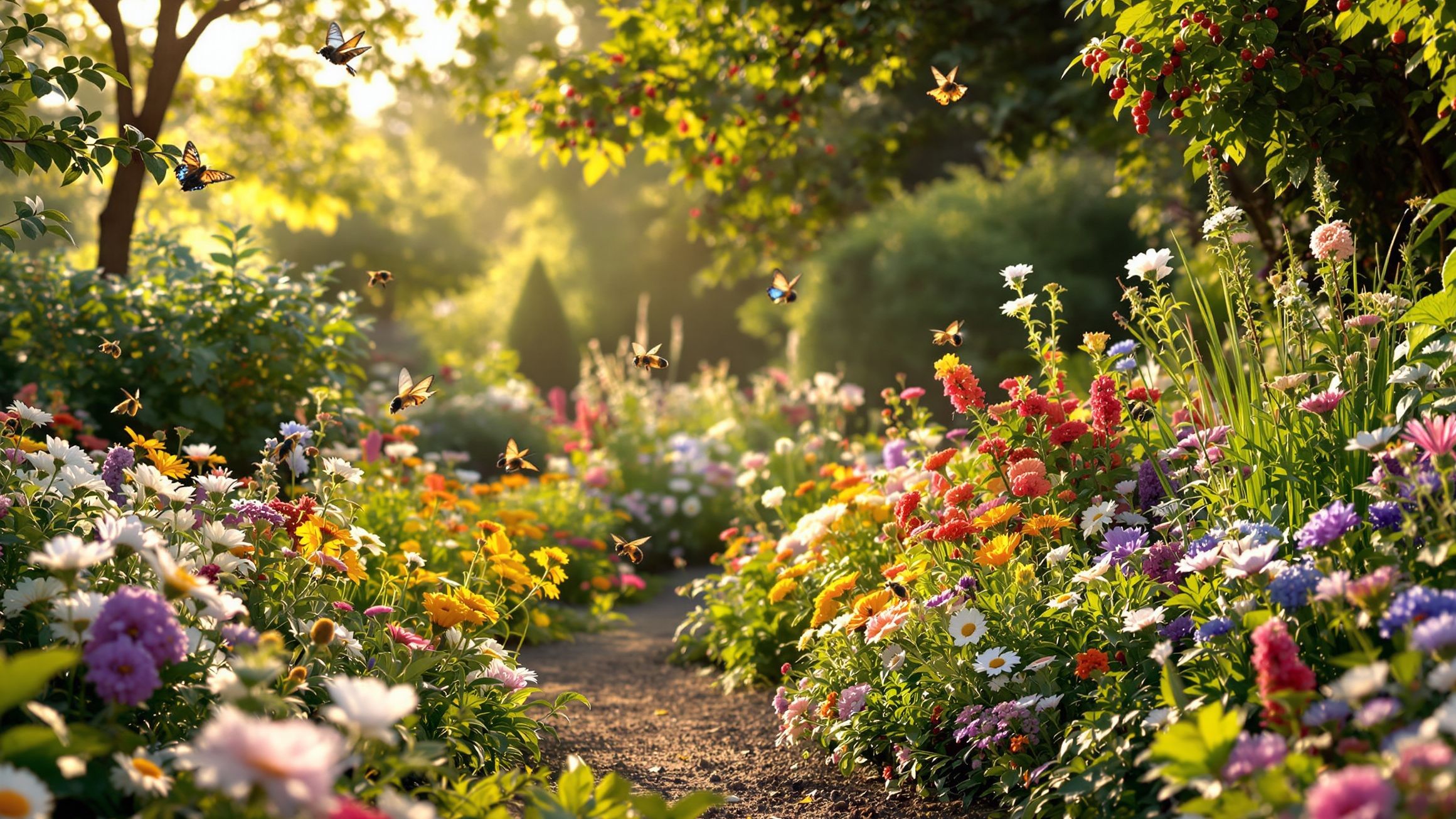
Attracting birds to your garden is one of the most rewarding ways to bring life, sound, and movement into your outdoor space. A garden filled with birds feels alive from sunrise to sunset, with songs echoing through the air and flashes of color moving between branches. Creating a bird-friendly environment does not require complicated setups or artificial solutions; it simply involves understanding what birds need to survive and thrive. By focusing on natural elements such as food, water, shelter, and safety, you can transform your garden into a welcoming habitat that birds return to again and again.
A: Provide food through plants, fresh water, shelter, and safe nesting areas without chemicals.
A: Native berry shrubs, seed plants like sunflowers, and insect-supporting flowers.
A: No, natural food sources like seeds, berries, and insects are often better long-term.
A: Extremely—clean, fresh water is one of the biggest attractants for birds.
A: Yes, if you provide shelter, nesting spots, and a safe environment.
A: Leave some for insects and nesting materials that birds depend on.
A: Absolutely—even a few plants and a water source can make a difference.
A: Plant nectar-rich flowers and provide a safe, quiet space.
A: Yes, they reduce food sources and can directly harm birds.
A: Some may arrive quickly, while others take time as the habitat develops.
Understanding What Birds Need to Thrive
Birds are drawn to environments that meet their basic survival needs in a reliable and safe way. These needs include access to nutritious food, clean water, protective shelter, and secure nesting spaces. When any of these elements are missing, birds are less likely to visit or stay. A successful bird-friendly garden provides all of these resources in harmony, creating a balanced environment where birds feel comfortable feeding, resting, and raising their young. Understanding these needs is the foundation for designing a space that naturally attracts a variety of species.
Planting Native Species That Birds Love
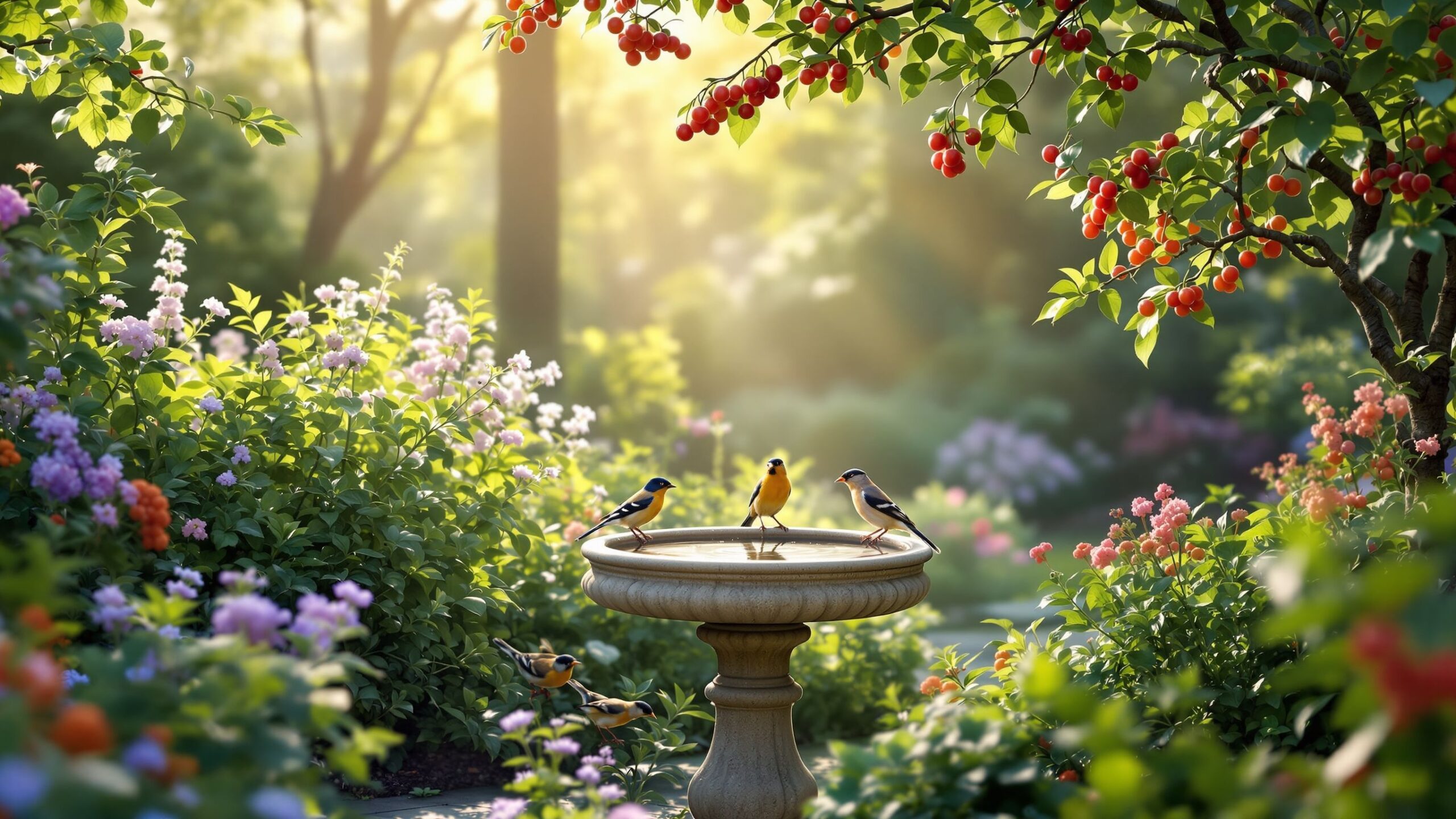
One of the most effective ways to attract birds naturally is by planting native species that provide food and habitat. Native plants produce berries, seeds, and nectar that birds recognize and rely on, making them far more valuable than many ornamental varieties. Berry-producing shrubs and seed-rich flowers are particularly attractive, offering essential nutrients throughout the year. Trees and shrubs also provide perching and nesting opportunities, giving birds a sense of security within your garden. By choosing plants that are native to your region, you create a familiar and dependable environment that encourages birds to visit regularly.
Creating Natural Food Sources
While bird feeders can be helpful, natural food sources are the most sustainable and beneficial way to attract birds. Flowering plants attract insects, which serve as an important protein source, especially during breeding season. Seed-bearing plants provide nourishment for many bird species, while fruiting trees and shrubs offer seasonal treats. Allowing plants to go to seed and leaving some organic debris in your garden supports the insects and microorganisms that form the base of the food chain. This natural approach creates a self-sustaining ecosystem that continuously supports bird populations without relying solely on supplemental feeding.
Adding Water Features That Invite Birds
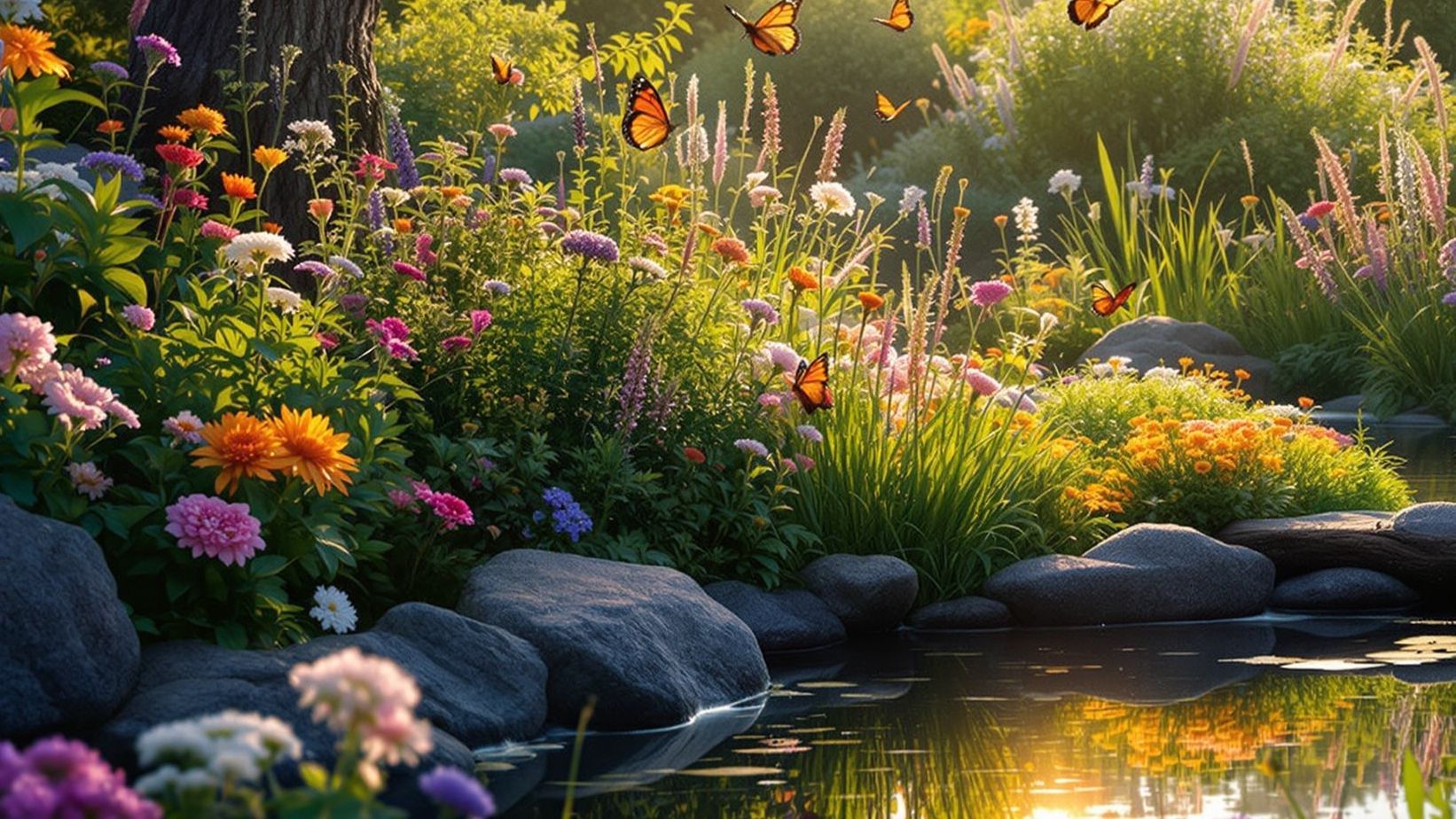
Water is a powerful attractant for birds, often drawing species that might not otherwise visit your garden. Birds need water not only for drinking but also for bathing, which helps maintain their feathers and overall health. A simple birdbath can make a significant difference, especially when it is kept clean and placed in a visible yet safe location. Shallow water with gentle slopes allows birds of all sizes to access it comfortably. Moving water, such as a small fountain or dripper, can increase the appeal by catching the attention of passing birds and signaling freshness. Even a modest water feature can become a focal point of activity in your garden.
Providing Safe Shelter and Nesting Spaces
Shelter is essential for birds to feel secure in your garden. Dense shrubs, hedges, and trees provide protection from predators and harsh weather, while also offering nesting sites. A variety of plant heights and densities creates multiple layers of shelter, accommodating different species with different preferences. Leaving some areas of your garden slightly wild allows birds to find natural nesting materials and secluded spots. Birdhouses can also be added, but they should be designed and placed carefully to match the needs of specific species. When birds feel safe, they are more likely to stay and raise their young in your garden.
Designing a Garden Layout Birds Will Trust
The layout of your garden plays a significant role in attracting birds. Open spaces combined with dense planting areas create a balance that allows birds to forage while staying close to cover. Placing food and water sources near protective vegetation helps birds feel secure while they eat and drink. Avoiding overly exposed areas reduces the risk of predation and encourages more frequent visits. Natural, flowing designs that mimic wild habitats are more appealing to birds than rigid, highly structured landscapes. By thinking from a bird’s perspective, you can create a space that feels safe and inviting.
Reducing Threats and Creating a Safe Environment
A truly bird-friendly garden minimizes potential dangers. Reducing or eliminating the use of pesticides is critical, as these chemicals can harm birds directly or contaminate their food sources. Keeping pets, especially cats, under control helps protect visiting birds from predation. Windows can pose a hazard as well, so using subtle visual markers or positioning feeders carefully can reduce collisions. By addressing these risks, you create a safer environment where birds can thrive without unnecessary threats.
Encouraging a Variety of Bird Species
Different bird species have different preferences, so diversity is key when designing your garden. Some birds prefer seeds, while others are drawn to insects or fruit. Some nest in trees, while others prefer shrubs or ground cover. By providing a range of plant types, food sources, and shelter options, you increase the likelihood of attracting a wide variety of birds. This diversity not only enhances the visual and auditory experience of your garden but also contributes to a more balanced and resilient ecosystem.
Maintaining Your Bird-Friendly Garden
Once your garden begins to attract birds, ongoing care is essential to keep it thriving. Regular maintenance of water features ensures that they remain clean and safe, while seasonal pruning and planting help sustain plant health. Observing bird activity can guide your decisions, allowing you to adjust your garden to better meet their needs. Over time, your garden will evolve into a dynamic habitat where birds play an integral role in its growth and vitality.
Enjoying the Presence of Birds Year-Round
A well-designed bird-friendly garden offers enjoyment throughout the year. In spring and summer, you may witness nesting behaviors and the arrival of migratory species. Autumn brings changes in feeding patterns as birds prepare for colder months, while winter highlights the importance of reliable food and shelter. Each season offers unique opportunities to observe and appreciate the birds that visit your garden, creating a continuous connection to the natural world.
The Lasting Impact of a Bird-Friendly Garden
Attracting birds to your garden naturally is more than a hobby; it is a meaningful way to support local ecosystems and biodiversity. Each bird that visits contributes to the health of your garden by controlling pests, pollinating plants, and spreading seeds. In return, you gain a vibrant, living space filled with beauty and life. By creating a garden that meets the needs of birds, you become part of a larger effort to protect and nurture the natural world, proving that even small actions can have a lasting and positive impact.
Garden Product Reviews
Step into Mossy Streets’ Garden Product Reviews — your go-to guide for the best tools, gear, gifts, books, and garden gadgets rooted in nature. From blooming backyard beauties to lush indoor jungles, from heirloom seeds to high-tech composters, we dig into top-rated products for green thumbs, beginners, educators, and plant lovers alike. Whether you’re planting, pruning, decorating, or simply enjoying your green space, we’ve unearthed the best so you can grow, bloom, and thrive — all in one vibrant place!