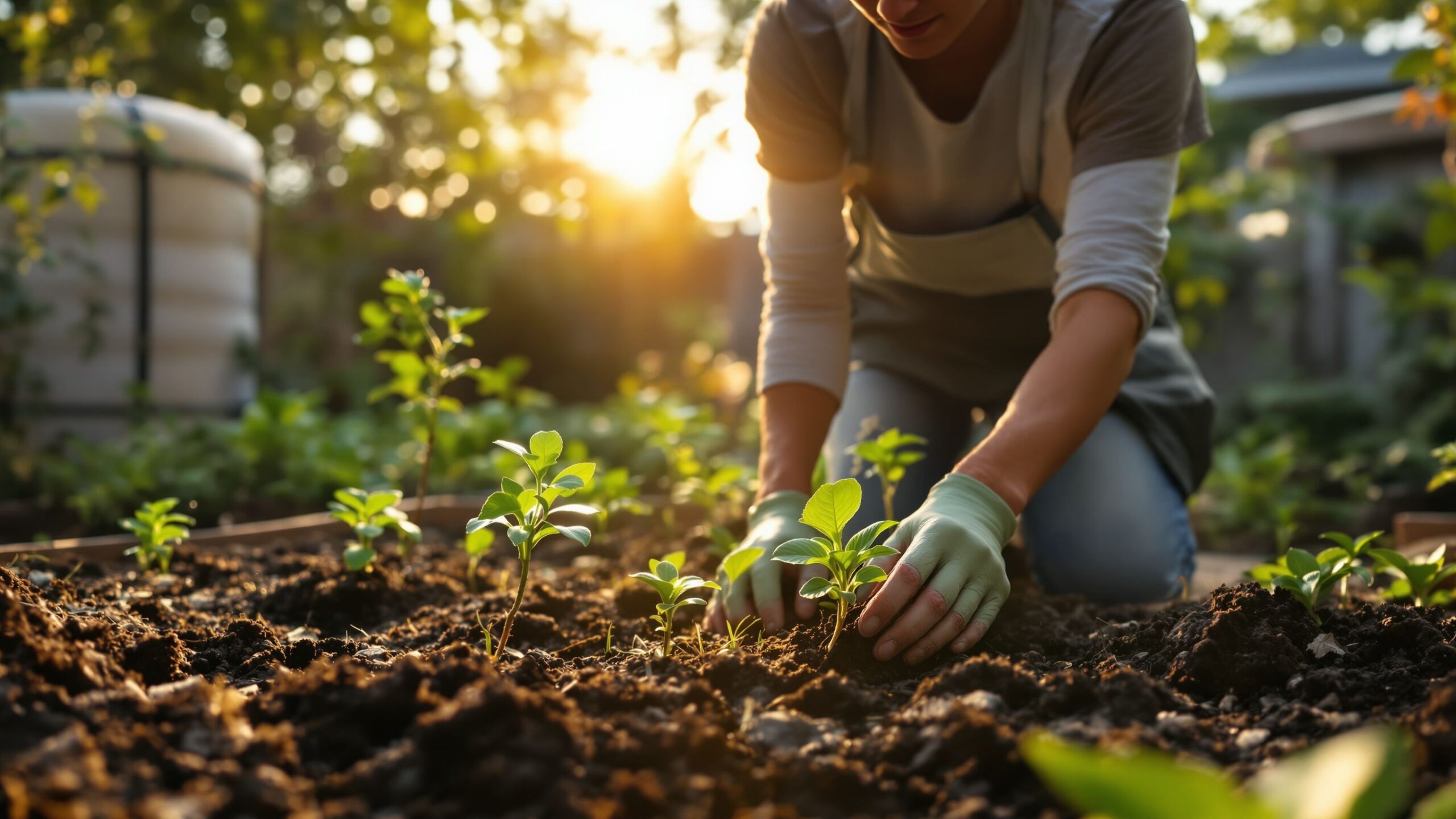
Starting a permaculture garden from scratch is an exciting and deeply rewarding journey that transforms not just your outdoor space, but your relationship with nature itself. Unlike traditional gardening, which often focuses on short-term results and external inputs, permaculture is about building a living system that becomes more productive and resilient over time. It’s a method rooted in observation, thoughtful design, and working with natural processes rather than trying to control them. Whether you’re working with a large backyard or a small patch of soil, permaculture allows you to create a thriving ecosystem that produces food, supports wildlife, and regenerates the land.
A: The first step is observing your space to understand sunlight, water flow, wind, and existing plants.
A: No, permaculture ideas work in small yards, raised beds, and even container gardens.
A: Not always—many gardeners use sheet mulching to cover grass and build soil over it.
A: Usually no, because permaculture often prefers low-disturbance methods that protect soil life.
A: Start with easy, climate-appropriate plants plus mulch-makers, pollinator plants, and useful edibles.
A: Add compost, organic matter, mulch, and time rather than relying on quick fixes alone.
A: Yes, permaculture can include annual vegetables alongside perennials and support plants.
A: You can start immediately, but the system becomes stronger and more self-sustaining over several seasons.
A: It can be very affordable when you reuse materials, compost at home, and build in stages.
A: Yes, especially when you begin with simple goals and let the garden evolve step by step.
Understanding Your Space Before You Begin
The first step in creating a permaculture garden is to slow down and observe your environment. This stage is often overlooked, but it is one of the most important parts of the entire process. Spend time watching how sunlight moves across your space throughout the day, noting which areas receive full sun, partial shade, or deep shade. Pay attention to how water behaves during rainfall, identifying where it collects, flows, or drains away quickly. Wind patterns, temperature changes, and existing vegetation all provide clues about how your land naturally functions. By understanding these elements, you can design a garden that works in harmony with its surroundings instead of constantly fighting against them.
Designing With Purpose and Flow
Once you understand your space, the next step is to create a thoughtful design that connects all elements of your garden. Permaculture design focuses on efficiency and relationships between components. Instead of placing plants randomly, you consider how each element interacts with others. For example, placing herbs near your kitchen door makes them easy to access, while positioning water-loving plants in naturally damp areas reduces the need for irrigation. Paths, planting beds, and structures should follow natural movement patterns, creating a flow that feels intuitive and functional. A well-designed permaculture garden minimizes wasted energy and maximizes productivity.
Building Healthy Soil From the Ground Up
Healthy soil is the foundation of any successful permaculture garden. Rather than relying on synthetic fertilizers, permaculture focuses on nurturing soil life and improving its structure naturally. One of the most effective ways to build soil is through composting, which transforms kitchen scraps and organic waste into nutrient-rich material. Adding mulch, such as straw or leaves, helps retain moisture, suppress weeds, and feed beneficial organisms. Over time, these practices create a living soil ecosystem filled with microbes, fungi, and earthworms that support plant growth. When your soil is healthy, your garden becomes more resilient and productive.
Choosing the Right Plants for Your Environment
Selecting plants that are well-suited to your climate and conditions is essential for long-term success. Native and adapted species tend to require less maintenance and are more resistant to pests and diseases. In permaculture, diversity is key, so instead of planting a single crop, you create a mix of plants that support each other. This might include fruit trees, vegetables, herbs, flowers, and ground covers working together in a layered system. Each plant plays a role, whether it is providing food, attracting pollinators, improving soil, or offering shade. By choosing the right plants, you create a balanced ecosystem that thrives with minimal intervention.
Incorporating Companion Planting and Guilds
Permaculture gardens often use companion planting and plant guilds to enhance productivity and resilience. Companion planting involves placing plants together that benefit one another, such as pairing pest-repelling herbs with vegetables. Guilds take this concept further by creating groups of plants that work together as a mini-ecosystem, often centered around a tree. For example, a fruit tree guild might include nitrogen-fixing plants, pollinator-attracting flowers, and ground covers that protect the soil. These relationships mimic natural ecosystems, reducing the need for external inputs and creating a more self-sustaining garden.
Managing Water Wisely
Water is one of the most valuable resources in any garden, and permaculture emphasizes using it efficiently. Instead of relying solely on irrigation, you design your garden to capture and retain water naturally. This can include directing rainwater into planting areas, using mulch to reduce evaporation, and creating swales or shallow channels that slow and spread water across the landscape. Even small-scale solutions, such as rain barrels or strategic plant placement, can make a significant difference. By managing water wisely, you ensure that your garden remains healthy even during dry periods.
Creating Layers for Maximum Productivity
One of the defining features of permaculture is the use of layered planting systems, inspired by natural forests. Instead of growing plants in a single layer, you design your garden with multiple levels, including canopy trees, smaller trees, shrubs, herbs, ground covers, and root crops. Each layer occupies its own space and performs a unique function, allowing you to grow more in the same area. This approach not only increases productivity but also creates a more stable and resilient ecosystem. By mimicking natural structures, your garden becomes both efficient and visually rich.
Encouraging Beneficial Wildlife
A healthy permaculture garden welcomes a wide range of beneficial organisms, from pollinators to predators that control pests. Bees, butterflies, birds, and even certain insects play important roles in maintaining balance within the ecosystem. You can encourage these visitors by planting flowers, providing water sources, and creating habitats such as hedges or small shelters. Instead of trying to eliminate all insects, permaculture focuses on balance, where natural predators keep pest populations in check. This approach reduces the need for chemical interventions and supports biodiversity.
Reducing Waste and Recycling Resources
Permaculture gardens are designed to minimize waste by turning outputs into inputs. Organic materials such as kitchen scraps, garden trimmings, and fallen leaves are composted and returned to the soil. Water runoff is captured and reused, and even pruned branches can be repurposed as mulch or structural elements. This cycle of reuse creates a closed-loop system where little to nothing is wasted. By viewing waste as a resource, you build a garden that is both efficient and environmentally friendly.
Starting Small and Growing Over Time
One of the most important principles when starting a permaculture garden is to begin with manageable steps. It can be tempting to transform an entire space at once, but starting small allows you to learn and adapt as you go. Focus on a single area, such as a small garden bed or a few containers, and gradually expand as your confidence grows. This approach reduces overwhelm and ensures that each part of your garden is well-designed and cared for. Over time, these small efforts accumulate into a thriving and productive system.
Maintaining and Evolving Your Garden
A permaculture garden is never truly finished; it evolves over time as plants grow, seasons change, and new opportunities arise. Regular observation helps you understand how your system is developing and where adjustments may be needed. Some plants may thrive while others struggle, providing valuable feedback that guides future decisions. Maintenance in a permaculture garden is often less about control and more about gentle guidance, allowing natural processes to take the lead. This dynamic approach keeps the garden healthy and adaptable.
Common Mistakes to Avoid
When starting a permaculture garden, it’s easy to make mistakes, especially when transitioning from conventional gardening methods. One common mistake is trying to do too much too quickly, which can lead to burnout and poor results. Another is ignoring the importance of observation and design, resulting in systems that are inefficient or difficult to maintain. Overreliance on external inputs, such as fertilizers or irrigation, can also undermine the self-sustaining nature of permaculture. By being mindful of these challenges, you can create a more successful and enjoyable gardening experience.
The Long-Term Benefits of Permaculture Gardening
The benefits of a permaculture garden extend far beyond immediate yields. Over time, the soil becomes richer, biodiversity increases, and the system becomes more resilient to environmental changes. Gardens designed with permaculture principles often require less maintenance and fewer resources, making them both cost-effective and sustainable. Beyond the practical advantages, there is also a deeper sense of connection and satisfaction that comes from working with nature and witnessing the growth of a living ecosystem.
Final Thoughts on Starting Your Permaculture Garden
Starting a permaculture garden from scratch is a journey of discovery, creativity, and patience. It invites you to observe, learn, and collaborate with the natural world in a way that is both practical and inspiring. By focusing on soil health, thoughtful design, and ecological balance, you can create a garden that not only produces food but also supports life in all its forms. Every step you take brings you closer to a more sustainable and harmonious way of living, proving that even small beginnings can lead to extraordinary transformations.
Garden Product Reviews
Step into Mossy Streets’ Garden Product Reviews — your go-to guide for the best tools, gear, gifts, books, and garden gadgets rooted in nature. From blooming backyard beauties to lush indoor jungles, from heirloom seeds to high-tech composters, we dig into top-rated products for green thumbs, beginners, educators, and plant lovers alike. Whether you’re planting, pruning, decorating, or simply enjoying your green space, we’ve unearthed the best so you can grow, bloom, and thrive — all in one vibrant place!