Diseases caused by fungi, viruses, and bacteria affect plants, animals, and humans across every environment, from homes and gardens to farms and natural ecosystems. While symptoms may appear similar on the surface, the underlying causes, progression, and treatments differ significantly depending on whether a disease is fungal, viral, or bacterial. Accurate identification is essential for effective response, prevention of spread, and long-term health management. Misidentifying a disease can lead to ineffective treatments, worsening symptoms, and unnecessary losses. This guide provides a clear, practical framework for recognizing fungal, viral, and bacterial diseases by understanding their defining traits, symptoms, and patterns of spread.
A: Fungal often shows dry, ringed, or bordered spots; bacterial often starts water-soaked and can look greasy with halos.
A: No—management is removal of infected plants, controlling insect vectors, and preventing spread.
A: Remove the worst leaves, avoid overhead watering, increase airflow, and disinfect tools between plants.
A: Rain spreads spores and bacteria via splash and keeps leaves wet longer, which accelerates infection.
A: Usually, but dust or residue can mimic it—wipe with a damp cloth; mildew smears and reappears.
A: Patchy light/dark green patterns that look like a quilt—often a classic viral symptom.
A: Only if you hot-compost thoroughly; otherwise bag and discard to avoid reinfection.
A: Possible root rot or vascular disease—roots can’t move water even when moisture is present.
A: If it’s a valuable plant, symptoms are confusing, or the issue repeats year after year in the same spot.
A: Keep leaves dry: water at the base early in the day and give plants breathing room.
Why Accurate Disease Identification Matters
Identifying the correct type of disease is the foundation of successful management. Fungal diseases often respond to antifungal treatments and environmental adjustments, bacterial diseases may require targeted antibacterial measures, and viral diseases typically cannot be cured and must be managed through prevention and containment. Treating a viral disease with antifungals or assuming a bacterial infection will resolve on its own often results in escalation rather than recovery. Early and accurate identification reduces spread, protects surrounding organisms, and prevents long-term damage in homes, gardens, and living systems.
Understanding the Three Main Disease Types
Fungal, viral, and bacterial diseases differ in structure, reproduction, and behavior. Fungi are living organisms that spread through spores and thrive in moist environments. Bacteria are single-celled microorganisms that multiply rapidly under favorable conditions. Viruses are not living organisms in the traditional sense and require a host to replicate. These biological differences influence how diseases appear, how quickly they spread, and how they must be managed once detected.
Identifying Fungal Diseases
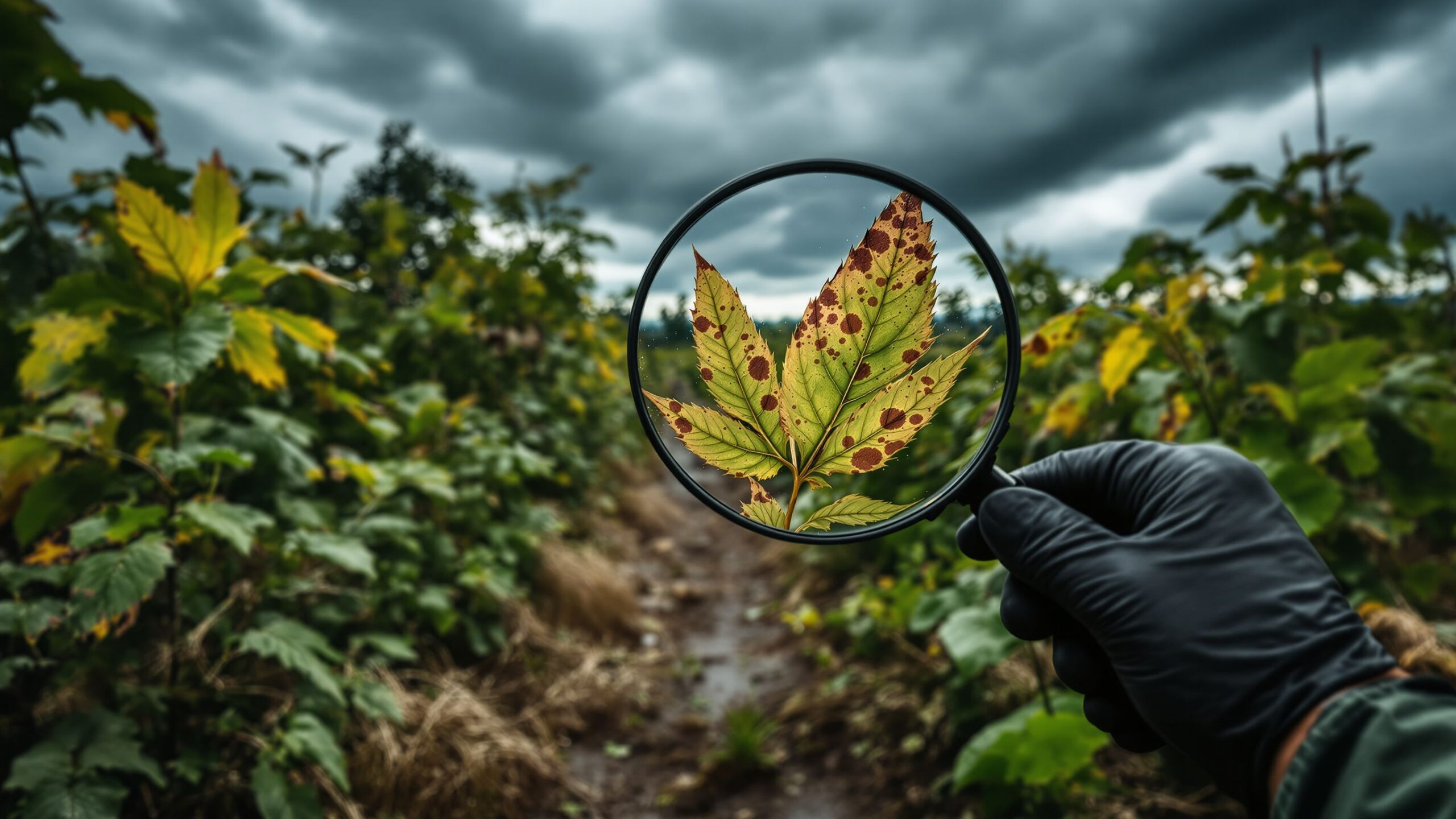
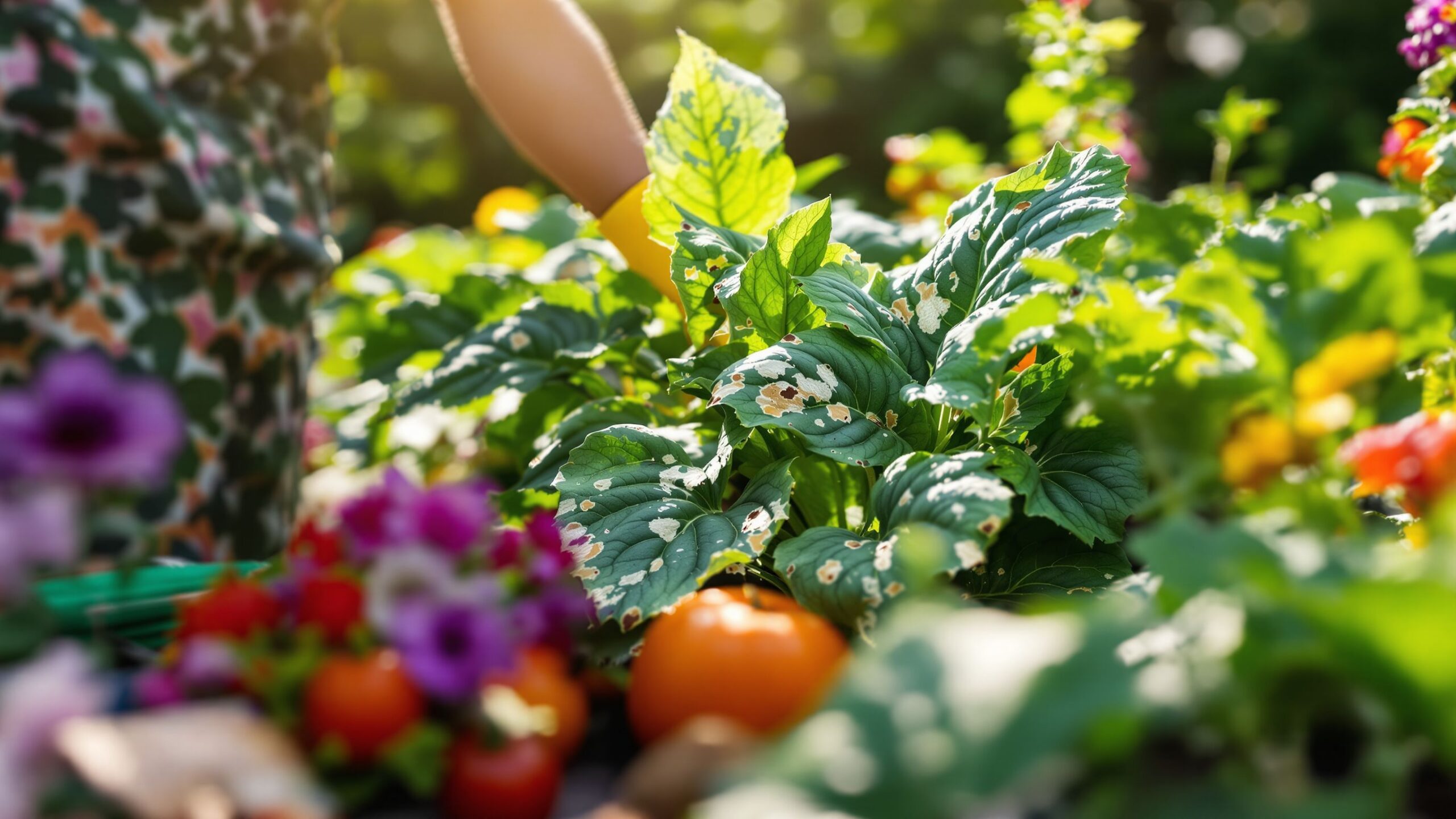
Fungal diseases are among the most common and recognizable, particularly in plants and indoor environments. They often thrive in damp, humid, or poorly ventilated conditions. Visible growth is one of the strongest indicators of fungal involvement. Symptoms commonly include powdery coatings, fuzzy growths, mold-like patches, discoloration, and rot. In plants, fungal diseases may appear as leaf spots, wilting, mildew, or stem decay. Indoors, fungi may present as mold growth on walls, ceilings, or organic materials. Fungal infections tend to spread gradually but persistently, especially when moisture levels remain high.
Common Signs of Fungal Infections
Fungal diseases often produce textured or visible surface changes. Powdery mildew appears as a white or gray coating on leaves. Rust fungi create orange, brown, or red pustules. Root rot causes darkened, mushy roots and plant collapse. In humans and animals, fungal infections may cause itching, scaling, redness, or thickened skin. A musty odor is also a common indicator of fungal activity, especially indoors. Fungal diseases frequently worsen in humid conditions and improve when moisture is reduced.
How Fungal Diseases Spread
Fungi reproduce through spores that travel through air, water, soil, or contact with contaminated surfaces. Poor airflow, overcrowding, and excess moisture create ideal conditions for spore germination. In gardens, overhead watering and dense planting accelerate fungal spread. Indoors, leaks, condensation, and poor ventilation allow fungi to establish and expand. Identifying environmental conditions alongside symptoms is critical when diagnosing fungal diseases.
Identifying Bacterial Diseases
Bacterial diseases often progress more rapidly than fungal diseases and may produce wet, soft, or oozing symptoms. Bacteria multiply quickly and can spread through water, tools, contact, or contaminated surfaces. In plants, bacterial infections frequently cause water-soaked lesions, wilting, yellowing, and foul-smelling rot. In humans and animals, bacterial diseases often produce inflammation, fever, swelling, and discharge. Unlike fungal infections, bacterial diseases usually do not produce fuzzy or powdery growth.
Common Signs of Bacterial Infections
Bacterial diseases are often associated with soft tissue breakdown and fluid release. In plants, this may appear as slimy stems, leaf blight, or dark streaking along veins. Infections may spread rapidly after rain or irrigation. In people and animals, bacterial infections can cause redness, warmth, pus formation, and systemic symptoms such as fatigue or fever. A sudden onset of symptoms combined with rapid deterioration often points to bacterial involvement.
How Bacterial Diseases Spread
Bacteria spread through direct contact, contaminated water, shared tools, wounds, or vectors such as insects. They thrive in warm, moist environments but can survive on surfaces for extended periods. Poor sanitation, overcrowding, and physical damage increase susceptibility. Identifying points of entry, such as cuts, insect damage, or mechanical injury, helps confirm bacterial disease sources and prevent reinfection.
Identifying Viral Diseases
Viral diseases are often the most difficult to identify because they do not respond to traditional treatments and may mimic other conditions. Viruses require a living host to replicate and often interfere with normal cellular function. In plants, viral diseases commonly cause mosaic patterns, leaf distortion, stunted growth, and unusual coloration. In humans and animals, viral diseases may produce fever, fatigue, respiratory symptoms, rashes, or neurological effects. Unlike fungal and bacterial infections, viruses do not produce visible growth or decay.
Common Signs of Viral Infections
Viral diseases often present with systemic or widespread symptoms rather than localized damage. In plants, leaves may show mottled patterns, curling, or yellow streaks that do not improve with treatment. Growth may slow or become distorted. In humans, viral infections frequently cause generalized symptoms such as body aches, fever, cough, or digestive upset. Viral symptoms often fluctuate and may worsen under stress or weakened immune conditions.
How Viral Diseases Spread
Viruses spread through direct contact, bodily fluids, airborne particles, insect vectors, contaminated tools, or infected hosts. In gardens, insects such as aphids and whiteflies are common virus carriers. In human environments, viruses spread through close contact, respiratory droplets, or contaminated surfaces. Because viruses cannot be killed once inside a host, identification focuses on prevention, isolation, and long-term management rather than cure.
Comparing Disease Progression Patterns
Disease progression offers valuable clues for identification. Fungal diseases often begin slowly and worsen steadily under favorable conditions. Bacterial diseases tend to progress rapidly and cause visible tissue breakdown. Viral diseases may appear suddenly, spread systemically, and resist treatment. Observing how symptoms develop over time is just as important as identifying the symptoms themselves.
Environmental Clues That Aid Identification
Environmental conditions play a major role in disease development. High humidity and poor airflow favor fungal growth. Warm temperatures and moisture encourage bacterial spread. Overcrowding, stress, and weakened immunity increase viral susceptibility. Identifying environmental triggers alongside symptoms helps narrow down the disease type and guides effective response strategies.
The Role of Hosts and Susceptibility
Healthy organisms are more resistant to disease, regardless of type. Stress, poor nutrition, overcrowding, and environmental imbalance weaken defenses and increase vulnerability. In plants, nutrient deficiencies and improper watering invite disease. In humans and animals, weakened immune systems allow infections to spread more easily. Disease identification should always consider host condition as part of the diagnostic process.
Preventing Misdiagnosis
Misdiagnosis is common when symptoms overlap or when treatments are applied without proper assessment. White residue may be mistaken for fungus when it is mineral buildup. Wilting may be blamed on disease when roots are damaged. Viral symptoms are often confused with nutrient deficiencies. Accurate identification requires patience, observation, and elimination of alternative causes before treatment begins.
Monitoring and Early Detection
Early detection significantly improves outcomes for fungal and bacterial diseases and limits viral spread. Regular inspection, monitoring for subtle changes, and responding quickly to abnormalities reduce long-term damage. Keeping records of symptoms, timing, and environmental conditions helps identify recurring patterns and improves future diagnosis accuracy.
Integrated Identification Strategies
Effective identification combines visual assessment, symptom progression, environmental evaluation, and response to intervention. If symptoms improve with moisture control, fungal involvement is likely. If rapid decay continues despite treatment, bacterial disease may be present. If symptoms persist unchanged despite multiple approaches, viral disease should be suspected. Integrated observation reduces guesswork and improves reliability.
When Professional Diagnosis Is Necessary
Some diseases require laboratory testing or expert evaluation for accurate identification. Severe outbreaks, valuable crops, structural contamination, or health-related symptoms warrant professional assessment. Diagnostic testing can confirm the presence of specific pathogens and guide appropriate management strategies, especially when visual identification is inconclusive.
Long-Term Disease Management
Identifying disease type is only the beginning. Long-term management focuses on prevention, resilience, and environmental balance. Improving airflow, sanitation, nutrition, and stress reduction strengthens resistance across all disease categories. Healthy systems recover faster and experience fewer recurring problems over time.
Identifying Fungal, Viral & Bacterial Diseases
Understanding the differences between fungal, viral, and bacterial diseases empowers effective decision-making and responsible intervention. Accurate identification prevents wasted effort, limits spread, and protects long-term health across homes, gardens, and living systems. By observing symptoms carefully, considering environmental conditions, and recognizing progression patterns, it becomes possible to respond confidently and appropriately. Knowledge remains the most powerful tool in disease management, turning uncertainty into clarity and prevention into lasting protection.
Garden Product Reviews
Step into Mossy Streets’ Garden Product Reviews — your go-to guide for the best tools, gear, gifts, books, and garden gadgets rooted in nature. From blooming backyard beauties to lush indoor jungles, from heirloom seeds to high-tech composters, we dig into top-rated products for green thumbs, beginners, educators, and plant lovers alike. Whether you’re planting, pruning, decorating, or simply enjoying your green space, we’ve unearthed the best so you can grow, bloom, and thrive — all in one vibrant place!