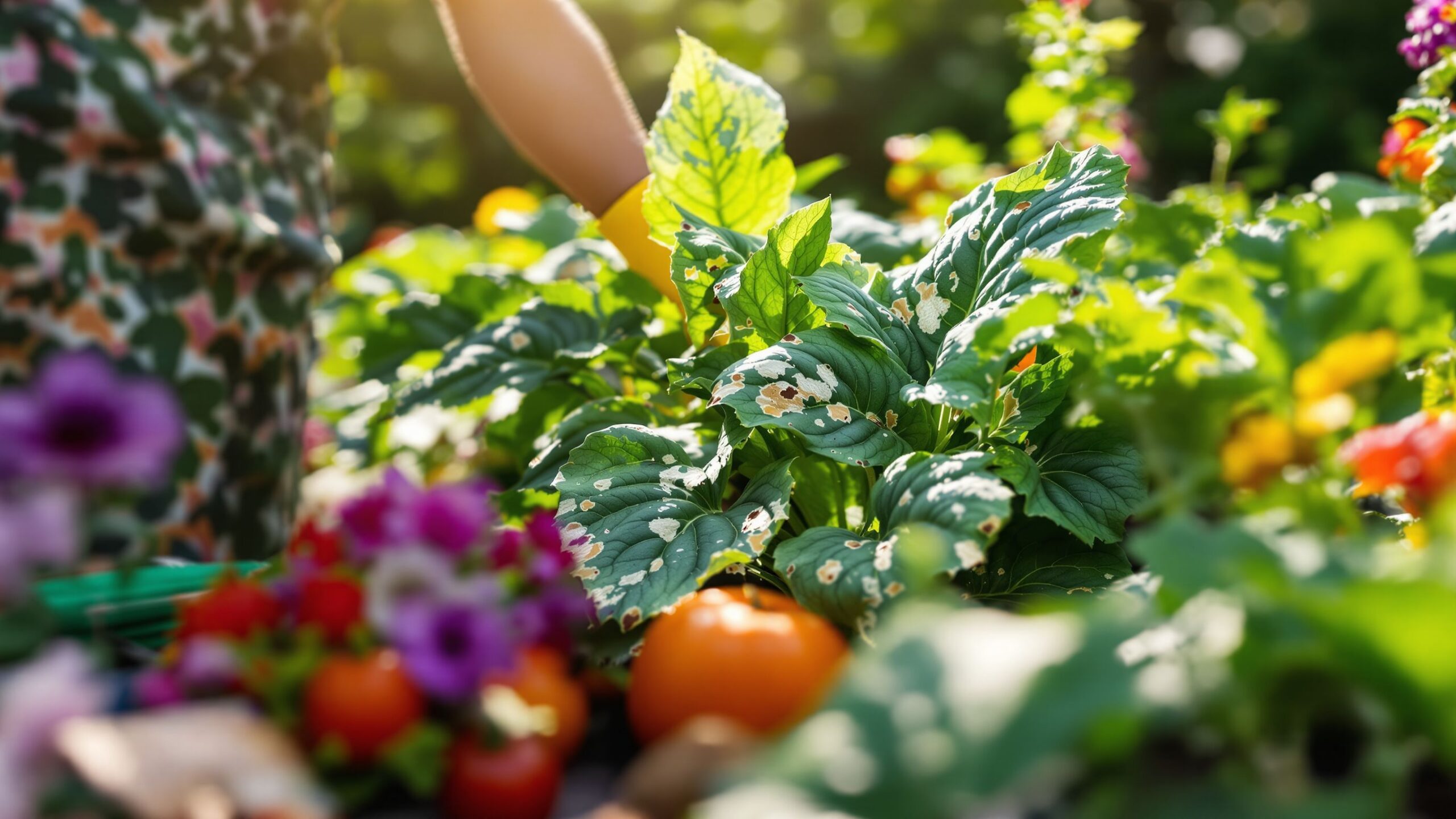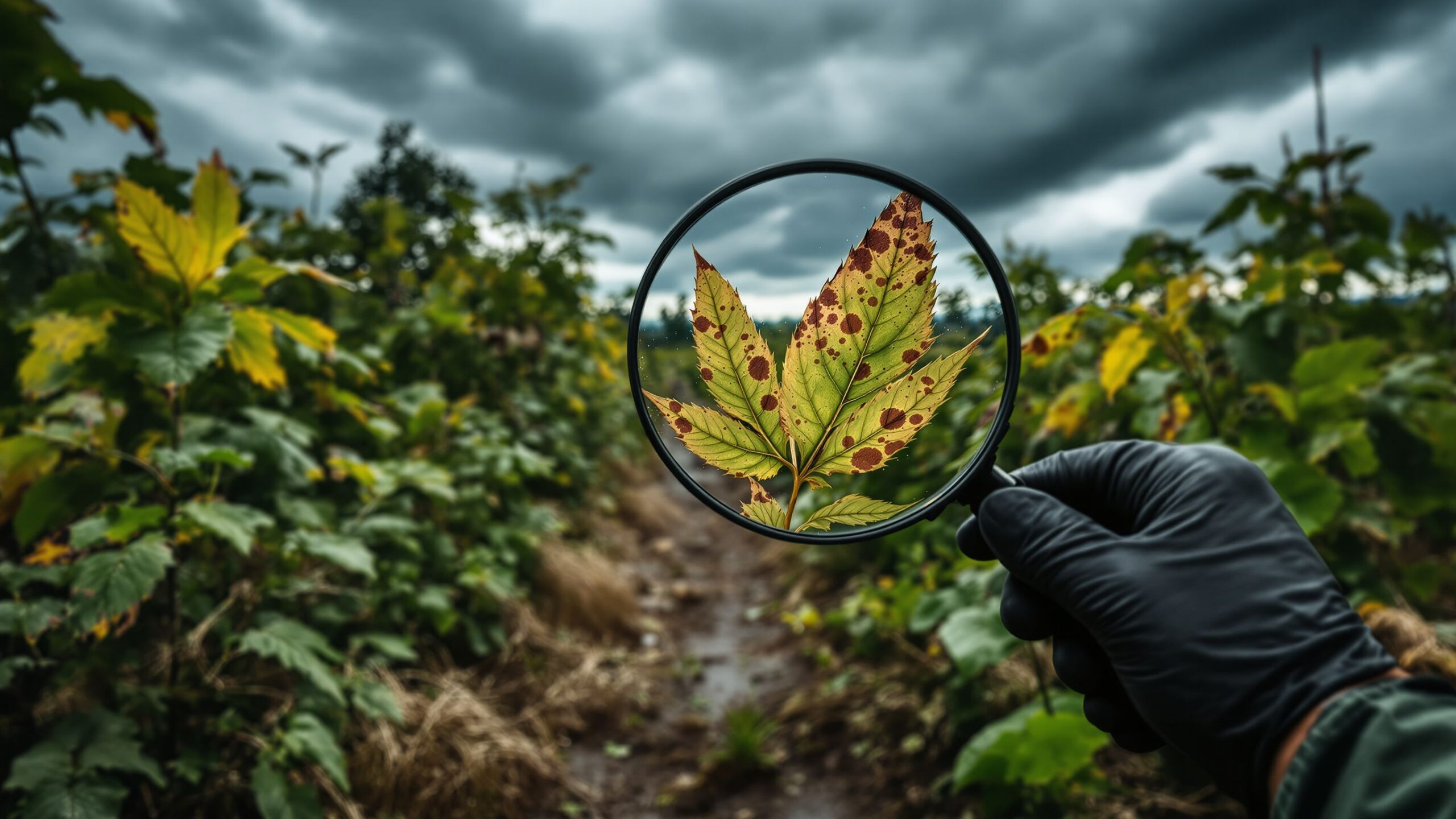
Every gardener eventually faces the challenge of plant disease. Whether growing vegetables, flowers, fruit trees, herbs, shrubs, or ornamental plants, diseases are an unavoidable part of gardening. While many plant problems are minor and easily managed, some diseases are capable of destroying entire gardens, wiping out valuable crops, killing mature trees, and spreading rapidly through landscapes if left unchecked. Understanding the most dangerous plant diseases is one of the most important skills any gardener can develop because early recognition often determines whether plants survive or succumb to infection.
Plant diseases have shaped agriculture and gardening throughout human history. Entire harvests have been lost to fungal outbreaks, bacterial infections have devastated orchards, and viruses have crippled food production across continents. Even today, some of the world’s most destructive plant diseases continue to threaten home gardens and commercial farms alike. Many of these diseases spread silently during their early stages, making detection difficult until significant damage has already occurred.
Fortunately, knowledge remains one of the most effective tools in disease prevention. By learning how dangerous diseases develop, recognizing their warning signs, and understanding the environmental conditions that encourage outbreaks, gardeners can dramatically reduce the risk of serious losses. Healthy growing practices, proper sanitation, and routine plant inspections often provide the first line of defense against many of the most destructive pathogens.
The goal is not to create fear but to build awareness. Most diseases become truly dangerous only when they go unnoticed or unmanaged. Gardeners who understand what to watch for are far more likely to maintain healthy, productive landscapes throughout the growing season.
A: Late blight is often considered one of the most destructive because it spreads extremely fast.
A: Some can, while others only affect specific plant families.
A: Yes, fungal diseases are among the most common garden problems.
A: Some can recover if treated early, but others may need removal.
A: Avoid composting heavily diseased material unless using a properly managed hot compost system.
A: Improve airflow, clean tools, remove infected plants, and avoid overhead watering.
A: Many viral diseases have no effective cure once plants become infected.
A: Yes, aphids, beetles, leafhoppers, and other insects can transmit pathogens.
A: Spores and pathogens often survive in soil, debris, weeds, and infected plants.
A: Prevention through healthy growing practices and regular inspections is the most effective approach.
Why Some Plant Diseases Are More Dangerous Than Others
Not all plant diseases pose the same level of threat. Some infections cause cosmetic damage that has little impact on overall plant health, while others attack critical tissues responsible for transporting water, nutrients, and energy throughout the plant.
The most dangerous diseases often share several characteristics. They spread rapidly, survive for long periods in soil or plant debris, infect multiple plant species, and cause significant damage before obvious symptoms appear. Some diseases can persist in garden soil for years, waiting for favorable conditions to return. Others spread through insects, contaminated tools, wind, rain, or infected plant material.
Another factor that makes certain diseases especially dangerous is the lack of effective treatment options. Many viral diseases cannot be cured once a plant becomes infected. Some bacterial diseases are equally difficult to control after symptoms develop. Prevention and early detection therefore become essential components of successful disease management.
Understanding the biology and behavior of these pathogens helps gardeners respond more effectively when problems arise.
Late Blight
Late blight is one of the most infamous plant diseases in history. Caused by a water mold known as Phytophthora infestans, this disease was responsible for the devastating Irish Potato Famine during the nineteenth century and continues to threaten potatoes and tomatoes worldwide.
Late blight spreads rapidly during cool, wet conditions. Early symptoms often include water-soaked spots on leaves that quickly expand into large brown lesions. White fuzzy growth may appear along leaf undersides during humid weather. Stems and fruit can also become infected, leading to widespread plant collapse.
One of the reasons late blight is so dangerous is its ability to spread incredibly quickly. Entire plantings can be destroyed within days under favorable conditions. Wind, rain, and infected plant material all contribute to transmission.
Regular monitoring and immediate removal of infected plants are critical for limiting outbreaks.
Fusarium Wilt
Fusarium wilt is a devastating soil-borne fungal disease that affects hundreds of plant species, including tomatoes, peppers, cucumbers, melons, flowers, and many ornamental plants.
The fungus enters through plant roots and colonizes vascular tissues responsible for transporting water. As the infection progresses, water movement becomes restricted, causing leaves to yellow, wilt, and eventually die.
One of the most challenging aspects of Fusarium wilt is its ability to survive in soil for many years. Even after infected plants are removed, fungal spores can remain dormant until susceptible crops are planted again.
Because there is no cure for infected plants, prevention, crop rotation, resistant varieties, and sanitation are the primary management strategies.
Verticillium Wilt
Verticillium wilt closely resembles Fusarium wilt but affects an even wider range of plants, including vegetables, flowers, shrubs, and trees.
This fungal disease invades vascular tissues and blocks water movement, resulting in yellowing leaves, branch dieback, stunted growth, and progressive decline. Symptoms often appear on one side of the plant first before spreading further.
Trees infected with Verticillium wilt may decline gradually over several years, making diagnosis difficult. Because the fungus survives in soil, long-term management can be challenging.
Healthy growing conditions and resistant plant selections are often the best defenses against this persistent disease.
Fire Blight
Fire blight is one of the most destructive bacterial diseases affecting fruit trees and ornamental plants in the rose family. Apples, pears, crabapples, hawthorns, and related species are especially vulnerable.
The disease gets its name from the scorched appearance of infected branches, flowers, and shoots. Blackened tissues often look as though they have been burned by fire.
Fire blight spreads through insects, rain, wind, and contaminated pruning tools. Warm, humid weather during flowering periods creates ideal conditions for infection.
Without prompt action, fire blight can kill young trees and severely weaken mature specimens. Pruning infected branches and maintaining strict sanitation practices are essential for management.
Bacterial Wilt
Bacterial wilt is a fast-moving disease that affects tomatoes, peppers, potatoes, eggplants, cucumbers, and many other garden crops.
Unlike fungal wilts that develop gradually, bacterial wilt can cause plants to collapse suddenly despite adequate soil moisture. The bacteria invade vascular tissues and block water movement throughout the plant.
One of the most frustrating aspects of bacterial wilt is the speed at which symptoms develop. Plants may appear healthy one day and severely wilted the next.
The bacteria can survive in soil and spread through contaminated water, tools, insects, and infected plant material.
Root Rot Diseases
Root rot refers to several destructive diseases caused by fungi and water molds that attack root systems beneath the soil surface.
Poor drainage, overwatering, compacted soil, and excessive moisture create ideal conditions for root rot development. Because infections begin underground, symptoms often go unnoticed until significant damage has already occurred.
Affected plants may display yellowing leaves, stunted growth, wilting, leaf drop, and overall decline. When roots are examined, they often appear dark, mushy, or decayed instead of healthy and white.
Severe root rot can kill plants rapidly and may spread through contaminated soil and water.
Proper drainage remains the most effective preventive measure.
Powdery Mildew
Although powdery mildew is often viewed as a cosmetic problem, severe infections can significantly weaken plants and reduce productivity.
This fungal disease creates a white or gray powdery coating on leaves, stems, and flowers. It affects vegetables, fruits, shrubs, trees, and ornamental plants.
As infections progress, leaves may curl, yellow, distort, and die prematurely. Photosynthesis becomes less efficient, reducing plant vigor and productivity.
Powdery mildew spreads quickly under humid conditions with poor airflow, making overcrowded gardens especially vulnerable.
Early treatment and improved air circulation are key management strategies.
Downy Mildew
Downy mildew is frequently confused with powdery mildew, but it is often far more destructive.
This disease produces yellow or pale patches on upper leaf surfaces while fuzzy gray, purple, or white growth develops underneath. Many vegetable crops, ornamentals, and herbs are susceptible.
Downy mildew thrives during cool, moist conditions and can spread rapidly through entire plantings. Severe infections may result in complete leaf loss, reduced yields, and plant death.
Because symptoms can resemble nutrient deficiencies during early stages, careful inspection is important for accurate diagnosis.
Rust Diseases
Rust diseases affect a wide variety of plants and are recognized by their distinctive orange, yellow, brown, or reddish spore-producing structures.
These fungal pathogens weaken plants by damaging foliage and reducing photosynthetic capacity. Severe infections may cause premature leaf drop, reduced flowering, poor fruit production, and increased vulnerability to other stresses.
Rust diseases spread easily through wind-blown spores and can move long distances under favorable conditions.
While mature plants often survive, repeated infections can significantly reduce plant health over time.
Anthracnose
Anthracnose is a group of fungal diseases that attack leaves, stems, fruit, and flowers across numerous plant species.
Symptoms often include dark sunken lesions, irregular leaf spots, twig dieback, and fruit rot. Wet weather frequently accelerates disease development and spread.
Trees, shrubs, vegetables, and ornamentals may all be affected. Repeated anthracnose infections can weaken plants significantly and reduce aesthetic appeal.
Proper pruning, sanitation, and moisture management help reduce disease pressure.
Mosaic Viruses
Mosaic viruses are among the most troublesome plant diseases because infected plants generally cannot be cured.
These viruses create distinctive patterns of light and dark green mottling across leaves. Additional symptoms may include curling, distortion, stunting, reduced flowering, and poor fruit production.
Common examples include Tobacco Mosaic Virus, Cucumber Mosaic Virus, and Tomato Mosaic Virus.
Insects such as aphids frequently spread mosaic viruses between plants. Contaminated tools and infected plant material can also contribute to transmission.
Prompt removal of infected plants is often necessary to prevent further spread.
Crown Gall
Crown gall is a bacterial disease that causes abnormal tumor-like growths on roots, stems, and trunks.
These galls interfere with nutrient and water movement, weakening plants and reducing growth. Young plants are particularly vulnerable and may experience severe stunting or death.
The bacteria enter through wounds created by pruning, cultivation, insect damage, or environmental injury.
Once established in soil, crown gall can persist for many years, making prevention especially important.
Careful handling of plants and sanitation of tools help reduce infection risk.
Citrus Greening
Although primarily associated with citrus-growing regions, citrus greening demonstrates how devastating plant diseases can become when left unchecked.
This bacterial disease causes yellow shoots, misshapen fruit, reduced yields, and eventual tree decline. It is spread by insect vectors that transfer bacteria between trees.
Once infected, citrus trees gradually deteriorate and eventually die. There is currently no cure, making prevention and early detection essential.
The disease has caused enormous economic losses in citrus-producing areas around the world.
Environmental Conditions That Encourage Disease
Most dangerous plant diseases depend heavily on environmental conditions. Excessive moisture, poor airflow, overcrowding, overwatering, and prolonged leaf wetness all create opportunities for pathogens to establish and spread.
Warm temperatures combined with humidity often accelerate fungal growth, while cool wet weather favors diseases such as late blight and downy mildew.
Stress also plays a major role. Plants weakened by drought, nutrient deficiencies, root damage, or improper growing conditions are often far more susceptible to infection.
Understanding environmental risk factors helps gardeners take preventive action before outbreaks occur.
How to Protect Your Garden From Dangerous Diseases
Disease prevention begins with creating healthy growing conditions. Proper spacing improves airflow and reduces humidity around foliage. Watering at the soil level instead of overhead keeps leaves dry and less vulnerable to infection.
Regular sanitation is equally important. Removing diseased leaves, cleaning tools, disposing of infected plant material, and rotating crops all help interrupt disease cycles.
Healthy soil supports stronger plants that are naturally more resistant to disease. Compost, organic matter, and balanced fertility encourage vigorous growth and improved resilience.
Routine inspections allow gardeners to detect symptoms early when management is most effective.
Final Thoughts
The most dangerous plant diseases every gardener should know are not necessarily the most common ones, but they are often the most destructive when left undetected. Diseases such as late blight, Fusarium wilt, Verticillium wilt, fire blight, bacterial wilt, root rot, mosaic viruses, and crown gall have the potential to cause severe damage in gardens of every size.
Fortunately, awareness and observation remain powerful tools. Most serious outbreaks begin with subtle warning signs that attentive gardeners can identify before widespread damage occurs. Yellowing leaves, unusual spots, wilting, distorted growth, stem lesions, root problems, and sudden decline all deserve careful investigation.
By combining regular plant inspections with healthy gardening practices, proper sanitation, good airflow, and strong soil management, gardeners can dramatically reduce the risk of devastating disease outbreaks. Knowledge, prevention, and early action remain the best defenses against the most dangerous plant diseases found in gardens today.
Garden Product Reviews
Step into Mossy Streets’ Garden Product Reviews — your go-to guide for the best tools, gear, gifts, books, and garden gadgets rooted in nature. From blooming backyard beauties to lush indoor jungles, from heirloom seeds to high-tech composters, we dig into top-rated products for green thumbs, beginners, educators, and plant lovers alike. Whether you’re planting, pruning, decorating, or simply enjoying your green space, we’ve unearthed the best so you can grow, bloom, and thrive — all in one vibrant place!