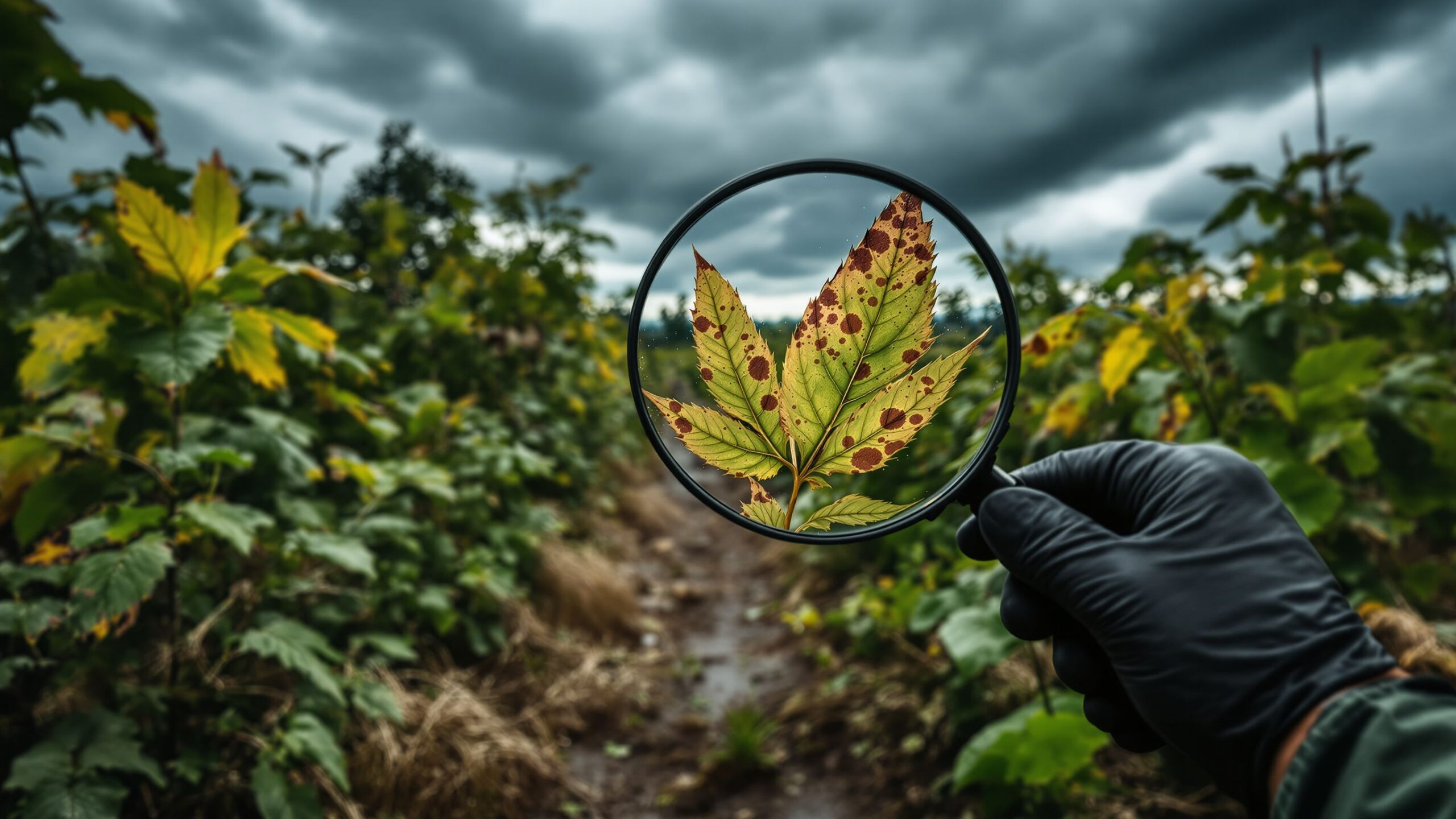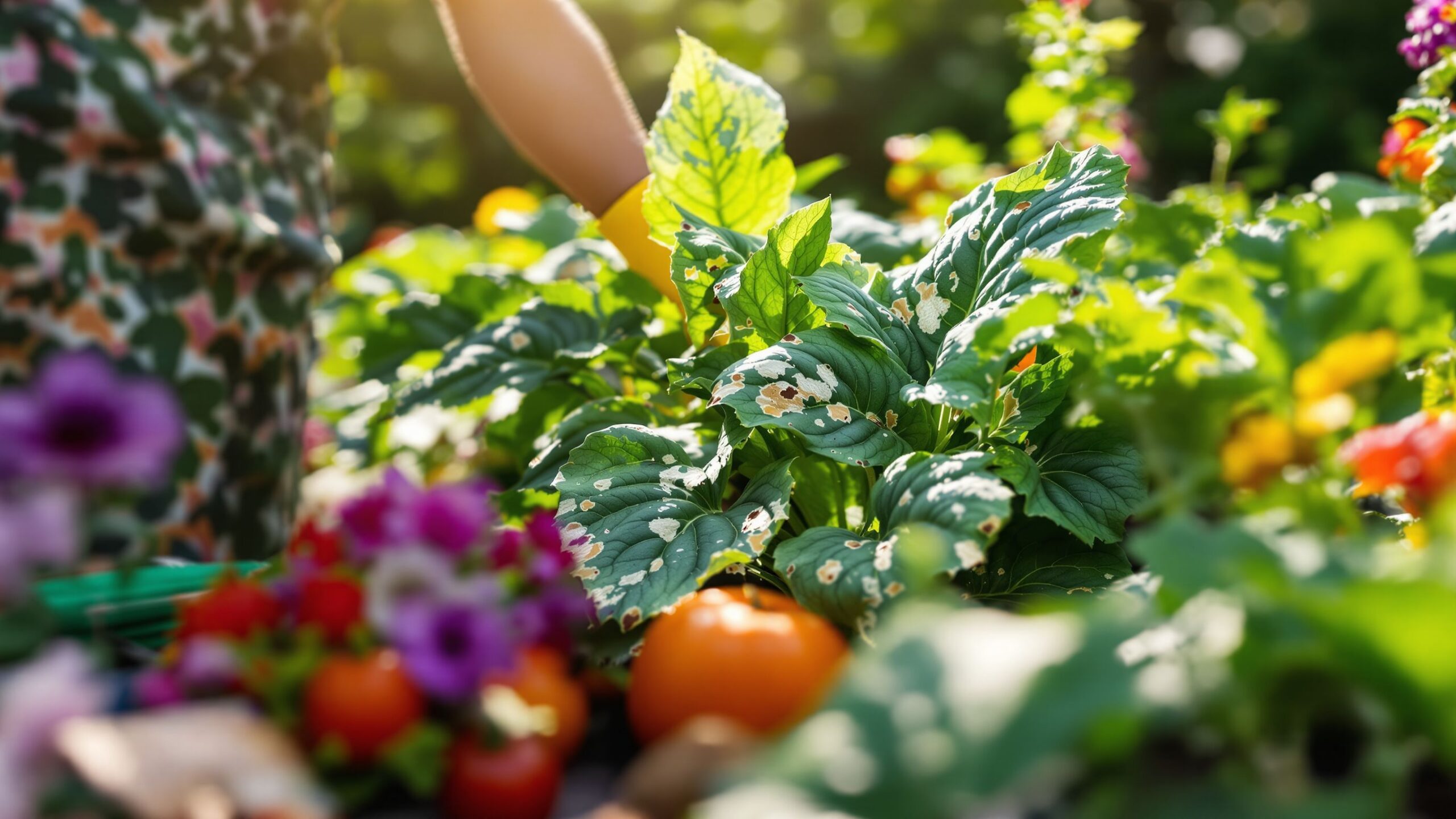
Garden diseases are among the most frustrating challenges that gardeners face. One day a vegetable patch, flower bed, or ornamental shrub appears healthy and thriving, and the next day leaves begin turning yellow, strange spots appear across foliage, stems start wilting, or entire plants seem to decline without warning. The truth is that most garden diseases rarely appear overnight. In many cases, plants display subtle warning signs long before serious damage occurs. Learning how to recognize those early symptoms can mean the difference between saving a plant and losing an entire section of the garden.
Disease prevention is one of the most important skills any gardener can develop because treating advanced infections is often far more difficult than stopping them during their early stages. Fungal diseases, bacterial infections, and viral problems can spread rapidly through gardens when conditions are favorable. Moisture, poor airflow, overcrowding, contaminated tools, and stressed plants all contribute to disease outbreaks that can quickly move from one plant to another.
The good news is that most garden diseases leave clues before they become severe. Leaves may change color, spots may develop, growth may slow, or stems may begin showing unusual symptoms. By learning to inspect plants regularly and recognize common warning signs, gardeners can catch problems early and take action before significant damage occurs.
Successful disease management begins with observation. Spending a few minutes each day walking through the garden and examining plants closely allows gardeners to notice small changes that might otherwise go unnoticed. Those few minutes can save weeks or even months of frustration later in the growing season.
A: Spots, yellowing, wilting, powdery patches, and unusual leaf curling are common early signs.
A: Yes, removing infected leaves early can help slow the spread.
A: Some can recover if the problem is caught early and conditions improve.
A: Moisture helps many fungal and bacterial diseases move and grow.
A: Not always, but it can weaken plants and reduce harvests if ignored.
A: It is safer to throw away heavily diseased material unless you use hot composting.
A: Prune infected parts, clean tools, improve airflow, and avoid wet leaves.
A: Some diseases are spread by insects, but others come from fungi, bacteria, viruses, or soil conditions.
A: Remove it if it is spreading disease to nearby healthy plants.
A: Healthy soil, proper spacing, clean tools, morning watering, and regular inspections work best together.
Why Early Detection Matters
Garden diseases are often much easier to manage during their earliest stages. When symptoms first appear, infections are usually confined to a limited area of the plant. Removing affected leaves, improving growing conditions, or applying appropriate treatments may stop the disease before it spreads further.
Once a disease becomes widespread, treatment becomes more difficult. Fungal spores may already be present throughout the garden, bacteria may have entered multiple plants, or viral infections may have spread through insect activity. Advanced infections often result in significant plant stress, reduced harvests, poor flowering, and sometimes complete plant loss.
Early detection also helps protect neighboring plants. Many diseases spread through water splashes, wind, insects, contaminated tools, or direct plant contact. Identifying a problem quickly can prevent an isolated issue from becoming a garden-wide outbreak.
The most successful gardeners develop a habit of inspecting their plants frequently. Looking closely at leaves, stems, flowers, and fruit allows subtle symptoms to be recognized before they become major concerns.
Understanding the Different Types of Garden Diseases
Most garden diseases fall into three major categories: fungal diseases, bacterial diseases, and viral diseases. Understanding these categories helps gardeners recognize patterns and identify likely causes.
Fungal diseases are by far the most common garden problems. Fungi thrive in moist environments and often spread through spores carried by wind, rain, tools, or contaminated soil. Powdery mildew, blight, rust, anthracnose, and leaf spot diseases are common examples.
Bacterial diseases are caused by microscopic bacteria that enter plants through wounds, natural openings, or insect damage. Bacterial infections often produce water-soaked lesions, wilting, cankers, or unusual discoloration.
Viral diseases are spread primarily by insects such as aphids, whiteflies, and leafhoppers. Viruses interfere with normal plant growth and often cause distorted leaves, unusual patterns, stunted growth, and reduced productivity. Unlike fungal diseases, viral infections usually cannot be cured once a plant becomes infected.
Recognizing which category a disease belongs to helps guide management and prevention decisions.
Yellowing Leaves: One of the First Warning Signs
Yellow leaves are among the most common indicators that something may be wrong in the garden. While yellowing can result from nutrient deficiencies or environmental stress, it can also signal the early stages of disease.
When yellowing appears in irregular patterns, spreads rapidly, or affects only certain sections of the plant, disease may be involved. Some fungal infections interfere with nutrient transport, causing leaves to lose their healthy green color. Certain bacterial diseases also produce yellow halos around infected areas.
Gardeners should pay attention to where yellowing occurs. Lower leaves often show symptoms first because many soil-borne diseases begin near the base of the plant before moving upward.
Regular monitoring helps determine whether yellowing is spreading and whether additional symptoms begin to appear.
Leaf Spots and Discoloration
Leaf spots are often among the earliest and most obvious indicators of disease. These spots may appear brown, black, yellow, tan, gray, purple, or even white depending on the disease involved.
Small spots may initially seem harmless, but many fungal and bacterial diseases begin with tiny lesions that gradually enlarge and merge together. Some spots develop dark borders, while others create target-like rings or irregular shapes.
Gardeners should examine both the upper and lower surfaces of affected leaves because important clues often appear underneath. Spot patterns, color variations, and surrounding tissue damage can help narrow down potential causes.
Removing heavily infected leaves early can sometimes slow disease progression and reduce spore production.
Powdery Mildew: The White Coating Warning
Powdery mildew is one of the easiest garden diseases to recognize because it creates a distinctive white or gray powdery coating on leaves, stems, and sometimes flowers.
This fungal disease affects a wide range of plants including cucumbers, squash, pumpkins, roses, phlox, bee balm, and many ornamental species. Powdery mildew often develops during periods of high humidity combined with poor airflow.
Early symptoms may appear as small white patches that gradually expand across the plant surface. Infected leaves may eventually curl, yellow, and die prematurely.
Because powdery mildew spreads rapidly, early treatment and improved air circulation are essential for successful management.
Wilting That Doesn’t Improve With Water
Wilting is often associated with drought, but plants that remain wilted despite adequate moisture may be suffering from disease.
Several serious diseases interfere with the movement of water through plant tissues. Fusarium wilt, Verticillium wilt, and certain bacterial infections block water transport systems, causing plants to appear thirsty even when soil moisture is sufficient.
Affected plants may wilt during the day and partially recover at night before eventually declining further. One-sided wilting, where only part of the plant is affected, can be an especially important warning sign.
Persistent wilting should always prompt closer inspection of stems, roots, and surrounding foliage.
Stem Lesions and Cankers
Stems provide important clues when diagnosing plant diseases. Dark lesions, cracks, sunken areas, or unusual discoloration may indicate fungal or bacterial infections.
Cankers are localized dead areas that develop on stems, branches, or trunks. These damaged regions can restrict nutrient movement and weaken the plant significantly over time.
Gardeners should inspect stems whenever leaf symptoms appear because infections often spread through multiple plant tissues simultaneously.
Early removal of infected stems can sometimes prevent disease from advancing further.
Root Problems Hidden Below Ground
Not all disease symptoms appear above the soil surface. Many destructive infections begin in the root zone where they may remain unnoticed until visible symptoms develop.
Root rot is one of the most common underground diseases. Caused by various fungi and water molds, root rot thrives in poorly drained soils and excessively wet conditions.
Plants affected by root diseases often display yellowing leaves, stunted growth, wilting, and overall decline. When roots are examined, they may appear dark, mushy, brittle, or foul-smelling rather than healthy and white.
Healthy soil drainage is one of the most effective ways to prevent root diseases.
Blight: Fast-Moving Plant Destruction
Blight is a general term used to describe diseases that cause rapid tissue death. Tomatoes and potatoes are especially vulnerable to various blight diseases, although many other plants can also be affected.
Early blight often begins as small brown spots with concentric rings. Late blight can produce water-soaked lesions that spread rapidly through foliage and fruit.
Blight diseases can devastate crops quickly under favorable conditions. Warm temperatures, moisture, and dense plantings often accelerate their spread.
Frequent inspection during humid weather is critical because blight progresses rapidly once established.
Rust Diseases and Orange Spots
Rust diseases are named for the rusty orange, yellow, or reddish spores they produce. These fungal infections affect flowers, vegetables, shrubs, trees, and ornamental plants.
Rust typically appears as small raised pustules on leaves and stems. The underside of leaves often reveals powdery spore masses that can spread easily through wind and water.
Although rust rarely kills mature plants immediately, severe infections weaken growth, reduce flowering, and increase susceptibility to other problems.
Early removal of infected foliage helps reduce spore production and disease spread.
Viral Disease Symptoms
Plant viruses often produce unique symptoms that differ from fungal or bacterial infections. Mosaic patterns, unusual color mottling, distorted leaves, curling growth, and stunted development are common indicators.
Viruses are frequently spread by insect pests such as aphids, whiteflies, thrips, and leafhoppers. Contaminated tools and infected plant material may also contribute to transmission.
Unfortunately, most viral infections cannot be cured once established. Prevention, insect management, and prompt removal of infected plants are usually the best strategies.
Recognizing viral symptoms early helps prevent further spread throughout the garden.
Environmental Conditions That Encourage Disease
Many garden diseases depend heavily on environmental conditions. Understanding those conditions helps gardeners recognize periods of increased risk.
High humidity, prolonged leaf wetness, overcrowding, poor airflow, and excessive watering all create ideal environments for fungal growth. Warm temperatures combined with moisture often accelerate disease development dramatically.
Heavy rainfall can spread spores between plants, while overhead irrigation may keep foliage wet long enough for infections to establish.
Monitoring weather patterns allows gardeners to increase inspections during periods when disease pressure is highest.
How to Perform a Weekly Plant Health Inspection
Regular plant inspections are one of the most effective disease prevention strategies available. A weekly garden walkthrough allows gardeners to identify problems before they become severe.
Begin by examining new growth because many diseases and pests target tender tissues first. Look for discoloration, spots, curling leaves, distorted growth, or unusual textures.
Inspect both sides of leaves, check stems for lesions, and observe overall plant vigor. Compare plants to healthy specimens whenever possible.
Photographing suspicious symptoms can also help track changes over time and assist with diagnosis if professional advice becomes necessary.
Preventing Disease Before It Starts
Disease prevention is often simpler and more effective than treatment. Proper plant spacing improves airflow and reduces humidity around foliage. Watering at the base of plants rather than overhead keeps leaves dry and less susceptible to fungal infections.
Cleaning tools regularly helps prevent disease transmission between plants. Removing infected plant debris eliminates important sources of spores and bacteria.
Crop rotation reduces the buildup of soil-borne diseases, while healthy soil promotes stronger and more resilient plants.
Choosing disease-resistant varieties can also significantly reduce future problems.
Natural Disease Management Options
Many gardeners prefer natural approaches when managing disease outbreaks. Pruning infected foliage, improving airflow, reducing moisture, and removing diseased plant material are often the first steps.
Organic fungicides containing copper, sulfur, potassium bicarbonate, or biological ingredients may help manage certain fungal diseases when applied early.
Compost teas and soil-building practices may improve overall plant health and resilience, although they are not direct cures for established infections.
Successful natural management focuses on creating conditions that favor healthy plants while discouraging disease organisms.
Final Thoughts
Learning how to spot common garden diseases before they spread is one of the most valuable skills any gardener can develop. Most serious outbreaks begin with subtle symptoms that are easy to overlook, but careful observation allows gardeners to catch problems early and respond before major damage occurs.
Yellowing leaves, unusual spots, powdery coatings, wilting, stem lesions, root problems, and distorted growth all provide important clues about plant health. Understanding these warning signs helps gardeners identify diseases more accurately and take appropriate action quickly.
Healthy soil, proper watering, good airflow, regular inspections, and preventive gardening practices remain the most effective tools for long-term disease management. By developing strong observation habits and responding early to warning signs, gardeners can protect their plants, improve harvests, and maintain thriving gardens throughout the growing season.
Garden Product Reviews
Step into Mossy Streets’ Garden Product Reviews — your go-to guide for the best tools, gear, gifts, books, and garden gadgets rooted in nature. From blooming backyard beauties to lush indoor jungles, from heirloom seeds to high-tech composters, we dig into top-rated products for green thumbs, beginners, educators, and plant lovers alike. Whether you’re planting, pruning, decorating, or simply enjoying your green space, we’ve unearthed the best so you can grow, bloom, and thrive — all in one vibrant place!