Lawns have long been considered the hallmark of a traditional home landscape, but in recent years, homeowners have started rethinking the green carpet. High maintenance, heavy water use, frequent mowing, and reliance on fertilizers and herbicides have made turfgrass an increasingly unsustainable choice, especially in areas facing drought or rising environmental concerns. As a result, many are choosing to replace their lawns with beautiful ground covers that provide lush greenery, seasonal color, and a natural look—without the constant upkeep. Ground covers can do more than simply fill in where grass once grew. They can transform a yard into a vibrant, eco-friendly space that thrives with less water, resists weeds, and supports pollinators. Whether you want a meadow-like lawn replacement, a tapestry of textures, or a low, uniform carpet of foliage, the right ground covers can make it happen.
A: Most take 1–2 growing seasons, depending on variety and spacing.
A: Yes, but choose walkable types like creeping thyme or clover.
A: No, though occasional trimming may keep them neat.
A: Many flowering varieties do, which is great for pollination.
A: Most require regular watering until established, then minimal care.
A: Yes, they’re excellent for erosion control.
A: Dense ground covers naturally suppress most weeds.
A: Not often—many varieties thrive in average soil.
A: Evergreen types keep their foliage; others regrow in spring.
A: Many are, but check each species before planting.
Why Replace Your Lawn?
The average lawn requires regular mowing, irrigation, and fertilization to maintain its appearance. This means not only investing time and money but also contributing to environmental strain through water consumption and chemical runoff. Replacing turfgrass with ground covers can reduce these demands dramatically. Many ground cover plants require less water, thrive in poor soils, and need little more than occasional trimming to look their best. In addition to being low maintenance, ground covers can help create more biodiversity in your yard. Flowering varieties attract pollinators, while dense foliage offers habitat for beneficial insects. A well-planned ground cover landscape is not just beautiful—it’s a thriving mini-ecosystem.
Planning Your Lawn Replacement
The first step in replacing your lawn is careful planning. Consider the growing conditions in your yard—sun exposure, soil type, and drainage will all determine which ground covers will thrive. Identify whether your space gets full sun, partial shade, or deep shade, and note how moisture levels vary throughout the year. Think about your goals: Do you want a uniform look, like a green carpet, or a more natural, varied planting? Are you aiming for year-round greenery, seasonal blooms, or both? Do you want plants that can handle light foot traffic? Your answers will guide plant selection and design.
Choosing the Right Ground Covers
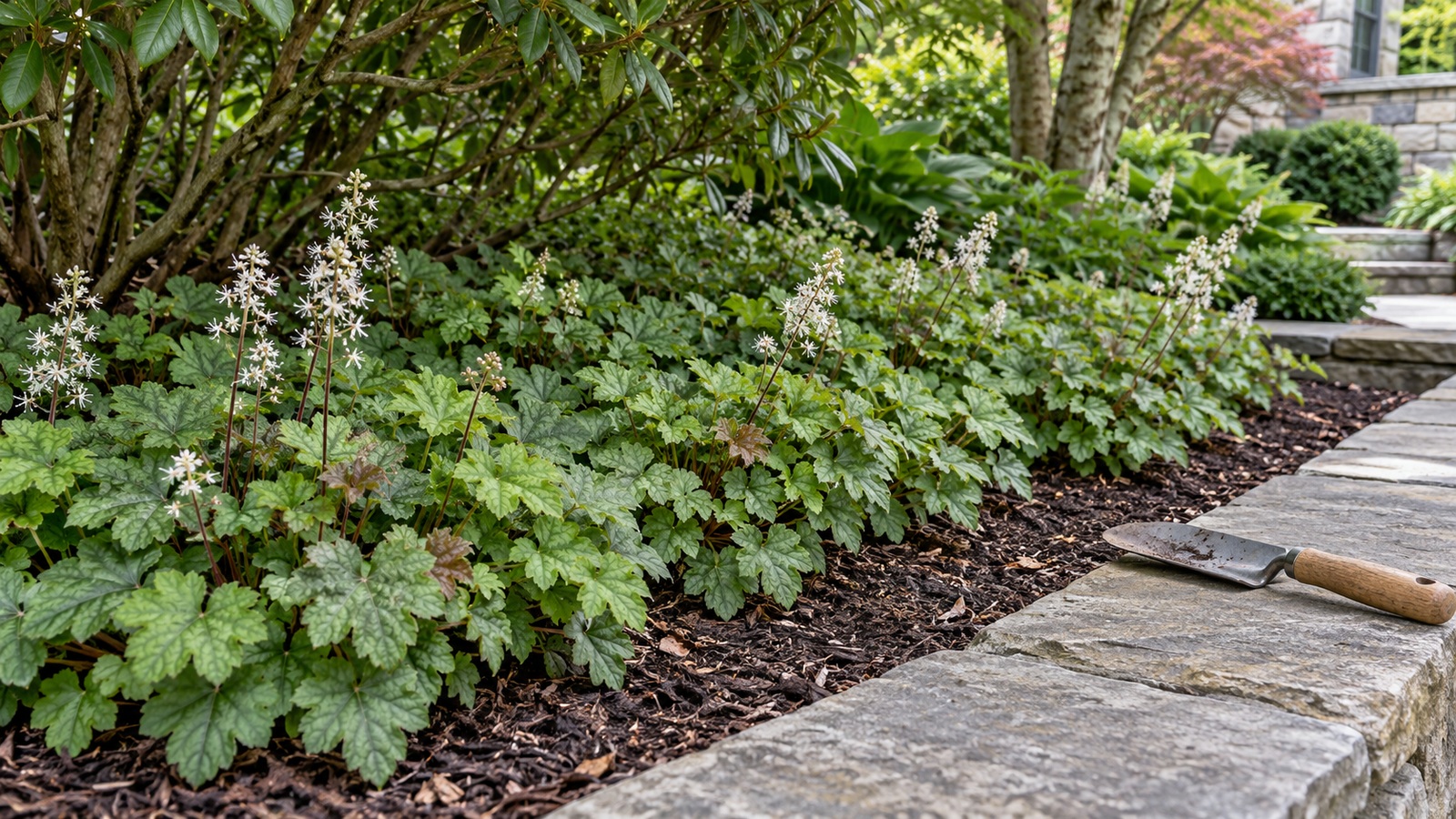
When selecting ground covers for a lawn replacement, look for plants that match your climate and maintenance preferences. For sunny areas, options like Creeping Thyme, Sedum, and Dymondia are ideal. In shadier spots, consider Vinca minor, Sweet Woodruff, or Lamium. Mixing different species can create a more visually interesting and resilient planting. Combining low-growing bloomers with evergreen foliage plants ensures year-round appeal. Using native plants can further reduce maintenance and increase benefits for local wildlife.
Preparing the Site
To give your ground covers the best start, you’ll need to remove existing grass and weeds. This can be done manually, with sod cutters, or through smothering methods such as covering the area with cardboard or mulch for several weeks. The goal is to eliminate competition so new plants can establish quickly. Once the area is clear, loosen the soil and amend it with compost to improve drainage and fertility. Even though many ground covers tolerate poor soils, enriching the planting area at the beginning will encourage faster establishment and healthier growth.
Planting Your Ground Covers
Planting density is key to creating a successful lawn replacement. Space plants close enough that they’ll fill in within one to two growing seasons, but not so close that they compete for resources in the early stages. Following nursery recommendations for spacing is a good rule of thumb, though you can plant more densely if you want quicker coverage. After planting, water thoroughly to help the roots settle. Mulching between plants will help suppress weeds and retain moisture during the establishment period.
Caring for a Ground Cover Lawn
Once established, ground covers require far less care than traditional turfgrass. Many are drought-tolerant and need only occasional watering in extended dry periods. Fertilization, if needed, can be done once or twice a year with an organic fertilizer. Weed control is easiest if you catch weeds early, especially in the first year as plants fill in. Some ground covers benefit from a light trim after flowering to keep them tidy and encourage denser growth.
Popular Lawn-Replacement Ground Covers
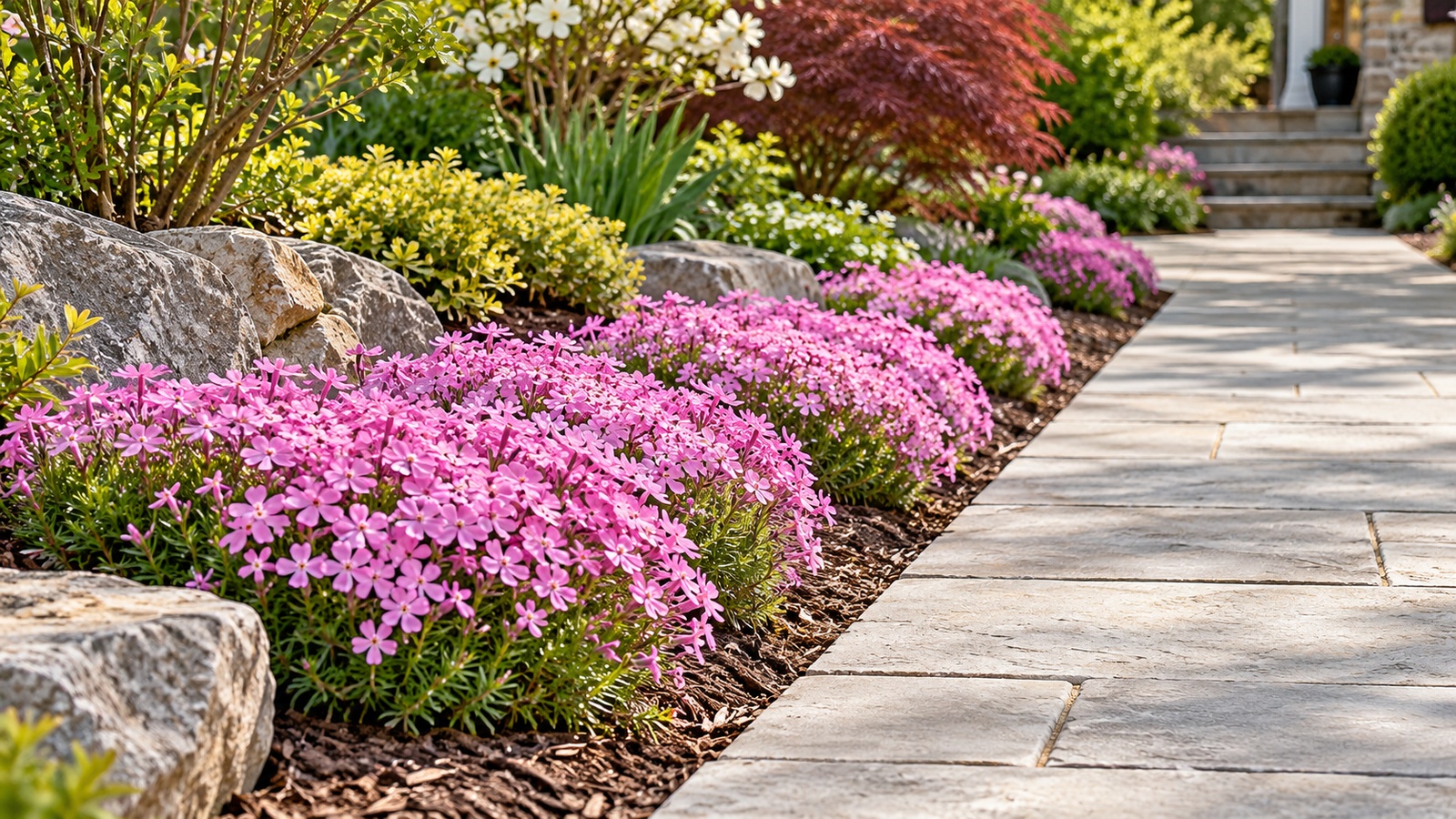
Creeping Thyme offers a fragrant, flowering carpet that releases a pleasant scent when walked on, making it perfect for areas with light foot traffic. Sedum varieties, with their water-storing leaves and vibrant blooms, are excellent for sunny, dry spots. Dymondia forms a silver-green mat that’s tough enough for occasional foot traffic. For shady areas, Vinca minor provides evergreen coverage with pretty blue blooms, while Sweet Woodruff adds fragrance and delicate spring flowers. If you want seasonal color, Creeping Phlox is a stunning choice for sunny areas, bursting into vibrant blooms each spring. For a meadow-like effect, consider low-growing clover or yarrow for a soft, informal look.
Designing with Ground Covers
Replacing your lawn is an opportunity to rethink your yard’s design. Instead of one uniform expanse of grass, consider breaking the space into zones of different ground covers or combining them with pathways, raised beds, or decorative gravel. Layering ground covers with taller perennials and shrubs can add depth and dimension, making your yard more dynamic and engaging. Creating patterns or “plant mosaics” using different colors and textures can make your landscape look like a living work of art. Choose combinations that complement your home’s style and surrounding environment.
Environmental Benefits of Lawn Replacement
Beyond their beauty, ground covers offer significant environmental benefits. Many varieties are excellent for erosion control, stabilizing soil on slopes and preventing runoff. Their dense growth also acts as a natural mulch, reducing evaporation and maintaining cooler soil temperatures. Flowering ground covers provide vital nectar sources for pollinators, and native species can help support local wildlife. By eliminating the need for frequent mowing, you’ll reduce carbon emissions and noise pollution as well.
The Long-Term Payoff
While replacing a lawn with ground covers requires an upfront investment of time and resources, the long-term benefits are worth it. You’ll spend less time mowing, watering, and fertilizing, and more time enjoying a vibrant, sustainable landscape. The transformation can also increase curb appeal and property value, making it a smart choice for both your lifestyle and your home’s future. Switching to ground covers allows you to create a more diverse, resilient, and beautiful outdoor space—one that works with nature instead of against it. Once your new planting matures, you’ll wonder why you didn’t make the change sooner.
Garden Product Reviews
Step into Mossy Streets’ Garden Product Reviews — your go-to guide for the best tools, gear, gifts, books, and garden gadgets rooted in nature. From blooming backyard beauties to lush indoor jungles, from heirloom seeds to high-tech composters, we dig into top-rated products for green thumbs, beginners, educators, and plant lovers alike. Whether you’re planting, pruning, decorating, or simply enjoying your green space, we’ve unearthed the best so you can grow, bloom, and thrive — all in one vibrant place!