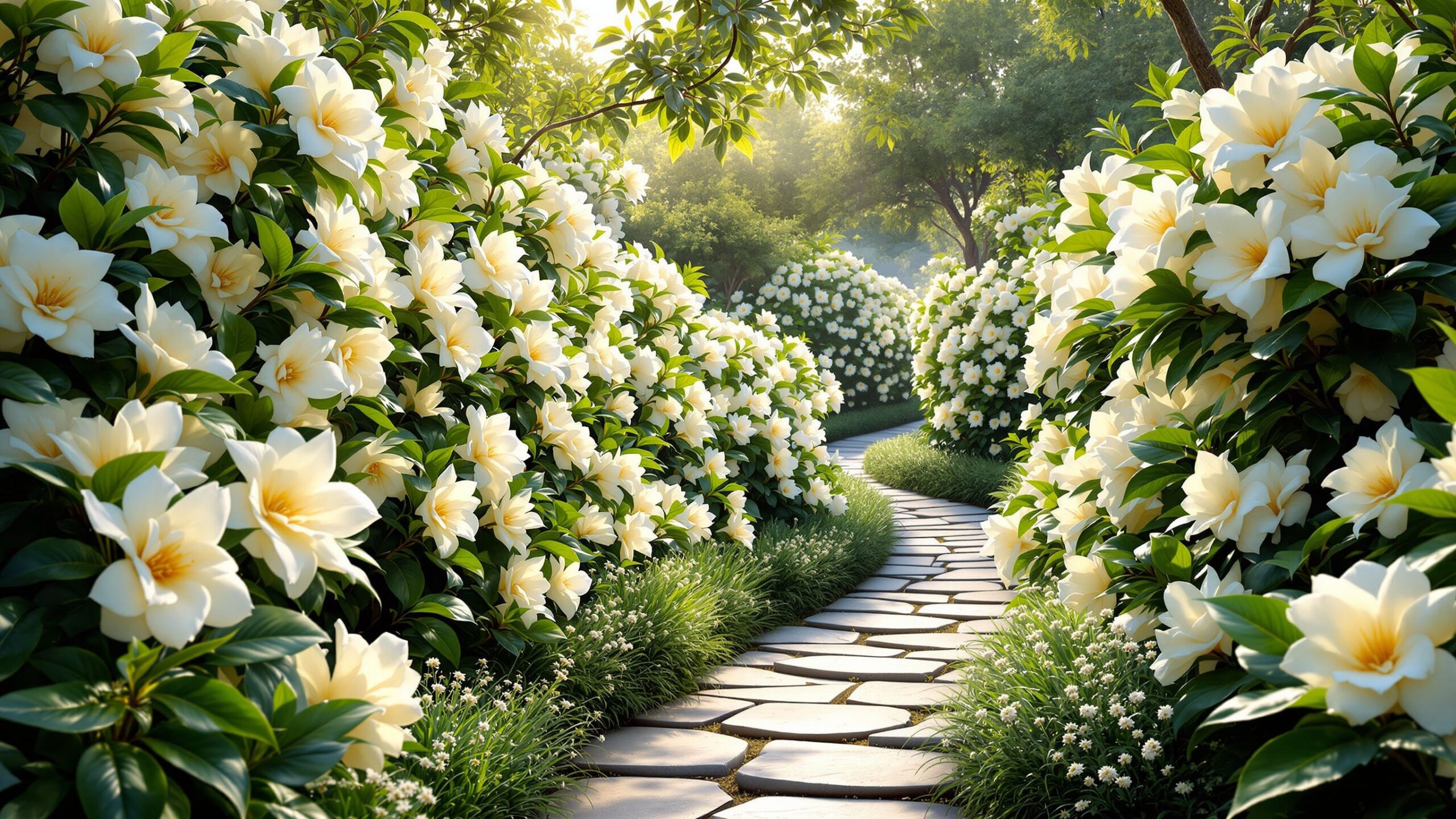
Azaleas are among the most beloved flowering shrubs in the world, admired for their spectacular spring blooms, graceful growth habit, and incredible versatility in the landscape. Every year these beautiful shrubs burst into masses of colorful blossoms that often cover nearly every branch, creating breathtaking displays that instantly brighten gardens and outdoor living spaces. Although many people consider azaleas and rhododendrons to be separate plants, azaleas are actually members of the Rhododendron genus. They are generally distinguished by their smaller leaves, more delicate flowers, and lighter branching structure. Native to Asia, Europe, and North America, azaleas naturally thrive in woodland environments where filtered sunlight, acidic soil, and consistent moisture provide ideal growing conditions. Today they are grown throughout the world and remain one of the most popular ornamental shrubs for homeowners, landscape designers, and botanical gardens thanks to their outstanding beauty and relatively easy care.
A: Most bloom in spring, though some reblooming varieties flower again later.
A: No, most prefer partial shade or morning sun with afternoon protection.
A: Acidic, moist, well-draining soil with plenty of organic matter.
A: Water when the soil starts to dry, but do not let roots sit in water.
A: Yes, lightly prune right after flowering if shaping is needed.
A: The soil may be too alkaline, too wet, or lacking nutrients.
A: Yes, compact varieties do well in large pots with acidic potting mix.
A: Some are evergreen, while others lose their leaves in winter.
A: No, azaleas can be toxic if eaten by pets or livestock.
A: Yes, as long as they have acidic soil, good drainage, and filtered light.
The History of Azaleas
Azaleas have a rich history that spans centuries, with many wild species originating in the forests of China, Japan, Korea, and the eastern United States. These shrubs have long been admired for their brilliant flowers and natural elegance, becoming symbols of beauty, abundance, and the arrival of spring in many cultures. During the eighteenth and nineteenth centuries, European explorers introduced numerous Asian species into Western gardens, where plant breeders began developing hybrids with larger flowers, richer colors, and improved hardiness. Over time, thousands of cultivars were created, offering gardeners an incredible selection of bloom colors, plant sizes, and flowering seasons. Today, azaleas continue to be featured in famous gardens around the world, attracting millions of visitors each year who come to witness their breathtaking displays during peak bloom.
Types of Azaleas
One of the greatest advantages of growing azaleas is the tremendous variety available. Evergreen azaleas retain most of their foliage throughout the year, providing lasting greenery while producing abundant spring flowers. Deciduous azaleas lose their leaves each autumn but often reward gardeners with larger blooms, delightful fragrance, and spectacular fall foliage before dormancy. Dwarf varieties remain compact and fit beautifully into foundation beds, borders, and container gardens, while larger cultivars develop into impressive shrubs that create colorful privacy screens or woodland accents. Some modern reblooming azaleas even flower multiple times each year, extending their colorful display far beyond the traditional spring season. With thousands of cultivars available, gardeners can easily find azaleas suited to nearly every climate, landscape style, and garden size.
Why Azaleas Are So Popular
Azaleas have earned their popularity by combining exceptional beauty with dependable garden performance. Their dazzling flowers appear in nearly every shade imaginable, including brilliant white, soft pink, crimson, coral, lavender, purple, peach, orange, and deep red. Many varieties bloom so heavily that the foliage becomes almost completely hidden beneath a blanket of blossoms. Even after flowering ends, their attractive foliage continues adding texture and greenery to the landscape throughout much of the year. Azaleas also thrive in partially shaded locations where many flowering shrubs struggle, making them ideal for woodland gardens and shaded landscapes. Their relatively low maintenance requirements, impressive longevity, and remarkable adaptability ensure they remain favorites among both beginner and experienced gardeners.
Choosing the Best Planting Location
Selecting the proper planting location greatly influences the health and beauty of azaleas. These shrubs naturally grow beneath tall trees where they receive filtered sunlight and protection from intense afternoon heat. Morning sunshine followed by afternoon shade generally provides ideal conditions for healthy foliage and long-lasting blooms. Excessive direct sunlight can scorch leaves and shorten flowering periods, while dense shade may reduce the number of blossoms produced each spring. Azaleas also appreciate protection from strong winter winds that may dry evergreen foliage during cold weather. Woodland gardens, shaded borders, and areas beneath mature deciduous trees often provide the perfect growing environment while allowing plenty of room for healthy air circulation.
Soil Requirements
Healthy soil forms the foundation of successful azalea gardening. These shrubs require loose, well-drained, acidic soil with a pH between approximately 4.5 and 6.0. Poor drainage is one of the leading causes of azalea decline because standing water quickly damages their shallow root systems. Adding compost, pine bark, leaf mold, or other organic materials improves both drainage and moisture retention while encouraging beneficial soil organisms. In alkaline soils, azaleas often develop yellow leaves caused by nutrient deficiencies, making soil testing valuable before planting. Raised beds filled with high-quality acidic soil provide an excellent solution for gardens with naturally heavy clay or poorly drained ground.
Planting Azaleas
Proper planting techniques help azaleas establish quickly and remain healthy for decades. Dig a hole twice as wide as the root ball but no deeper than its original container depth. Position the shrub slightly above the surrounding soil to improve drainage and reduce the risk of root diseases. Backfill gently using amended soil while avoiding excessive compaction around the roots. Water thoroughly after planting to eliminate air pockets and encourage root establishment. Applying several inches of organic mulch helps regulate soil temperature, conserve moisture, suppress weeds, and gradually improve soil quality as it breaks down. Newly planted azaleas require consistent watering during their first growing season while developing strong root systems.
Watering and Fertilizing
Azaleas perform best when soil remains evenly moist without becoming waterlogged. Their shallow roots dry quickly during periods of hot or windy weather, making deep watering especially important during prolonged dry spells. Morning watering is preferred because it allows foliage to dry throughout the day, reducing disease problems. Fertilizing should be done with products designed specifically for acid-loving plants shortly after flowering has finished. Excess fertilizer often encourages leafy growth while reducing flower production and may even damage sensitive roots. Organic materials such as compost, pine needles, and cottonseed meal provide gentle, long-lasting nutrition while naturally maintaining the acidic conditions azaleas require.
Blooming Season and Flower Colors
Spring is when azaleas truly become the stars of the landscape. Their branches become completely covered with vibrant blossoms that create unforgettable displays lasting several weeks. Depending on the variety and local climate, blooming may begin in early spring and continue into early summer. Some reblooming cultivars produce additional flowers during summer and fall, providing extended seasonal interest. Flower shapes range from simple five-petaled blossoms to elegant double flowers with ruffled edges. Many cultivars display vivid shades of white, pink, coral, purple, lavender, red, peach, salmon, and orange. These colorful blooms attract butterflies, bees, hummingbirds, and other beneficial pollinators that contribute to a healthy garden ecosystem.
Pruning and Seasonal Care
Azaleas require very little pruning to remain attractive and healthy. The best time to prune is immediately after flowering because next year’s flower buds begin developing soon afterward. Removing faded blooms and lightly shaping the shrub encourages fuller growth while maintaining its natural appearance. Dead, damaged, or diseased branches should be removed whenever they are noticed to improve air circulation and overall plant health. Seasonal care includes refreshing mulch, monitoring soil moisture, inspecting for insects, and protecting shrubs from harsh winter weather when necessary. With proper maintenance, azaleas continue producing abundant blooms year after year while requiring relatively little effort from the gardener.
Common Problems and Solutions
Healthy azaleas are generally easy to maintain, but certain growing conditions can occasionally create problems. Yellow leaves often indicate alkaline soil, nutrient deficiencies, poor drainage, or root stress. Brown leaf tips may result from drought, winter injury, excessive fertilizer, or environmental stress. Poor flowering frequently occurs when shrubs receive too much shade, are pruned at the wrong time, or experience unusually cold weather that damages developing flower buds. Root rot remains one of the most serious diseases affecting azaleas and is almost always associated with overly wet soil. Providing proper drainage, acidic soil, consistent watering, and good air circulation prevents most issues before they become serious.
Azaleas in Landscape Design
Landscape designers frequently use azaleas because they offer extraordinary color while fitting beautifully into countless garden styles. Large groupings create spectacular spring displays that become unforgettable focal points, while smaller varieties soften foundation plantings and brighten shaded borders. Azaleas pair wonderfully with dogwoods, Japanese maples, hostas, ferns, hydrangeas, camellias, rhododendrons, and other woodland plants. Their compact root systems make them excellent choices beneath mature shade trees where many shrubs struggle to grow. Whether planted in formal landscapes, cottage gardens, woodland settings, or contemporary designs, azaleas consistently enhance outdoor spaces with elegance and vibrant seasonal color.
Interesting Facts About Azaleas
Azaleas are members of the Rhododendron genus, making them close relatives of rhododendrons despite their smaller size and more delicate flowers. Thousands of cultivated varieties exist around the world, offering nearly endless choices in flower color, plant size, bloom time, and growth habit. Some species produce wonderfully fragrant blossoms, while reblooming hybrids can flower multiple times throughout the growing season. Certain mature azaleas have survived for more than one hundred years, demonstrating their remarkable longevity when properly cared for. Every spring, famous botanical gardens and festivals celebrate azaleas with breathtaking floral displays that attract visitors from around the globe, showcasing their enduring popularity and timeless beauty.
Conclusion
Azaleas have remained among the world’s favorite flowering shrubs because they combine spectacular blooms, graceful growth, and dependable garden performance in one remarkable plant. Their brilliant spring flowers, attractive foliage, and adaptability to a wide range of landscapes make them an outstanding addition to gardens of every size. By providing acidic soil, filtered sunlight, consistent moisture, and simple seasonal care, gardeners can enjoy healthy azaleas that reward them with vibrant displays year after year. Whether planted as colorful borders, woodland accents, foundation shrubs, or eye-catching specimen plants, azaleas continue bringing elegance, charm, and unforgettable beauty to landscapes across the world.
Garden Product Reviews
Step into Mossy Streets’ Garden Product Reviews — your go-to guide for the best tools, gear, gifts, books, and garden gadgets rooted in nature. From blooming backyard beauties to lush indoor jungles, from heirloom seeds to high-tech composters, we dig into top-rated products for green thumbs, beginners, educators, and plant lovers alike. Whether you’re planting, pruning, decorating, or simply enjoying your green space, we’ve unearthed the best so you can grow, bloom, and thrive — all in one vibrant place!