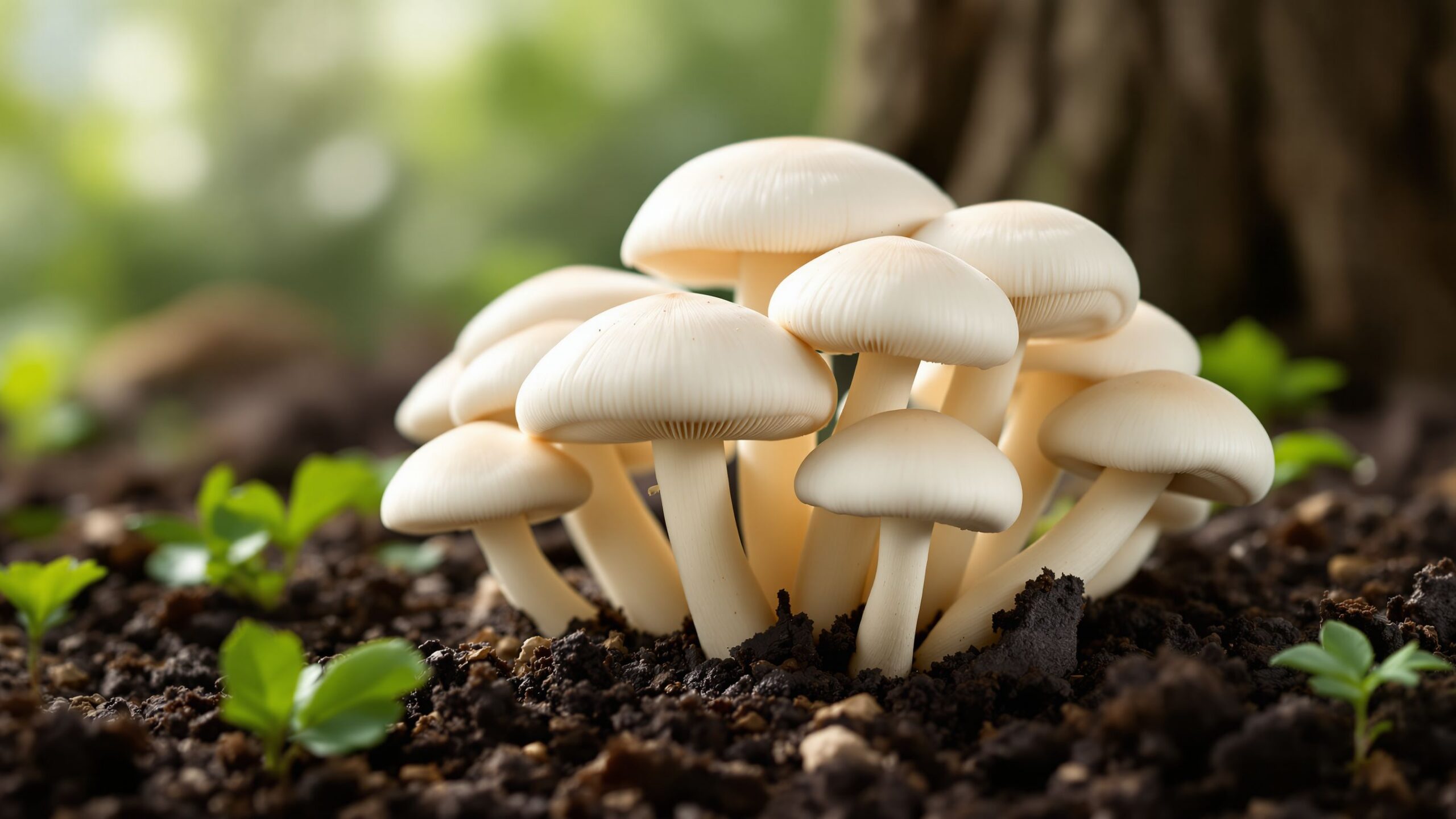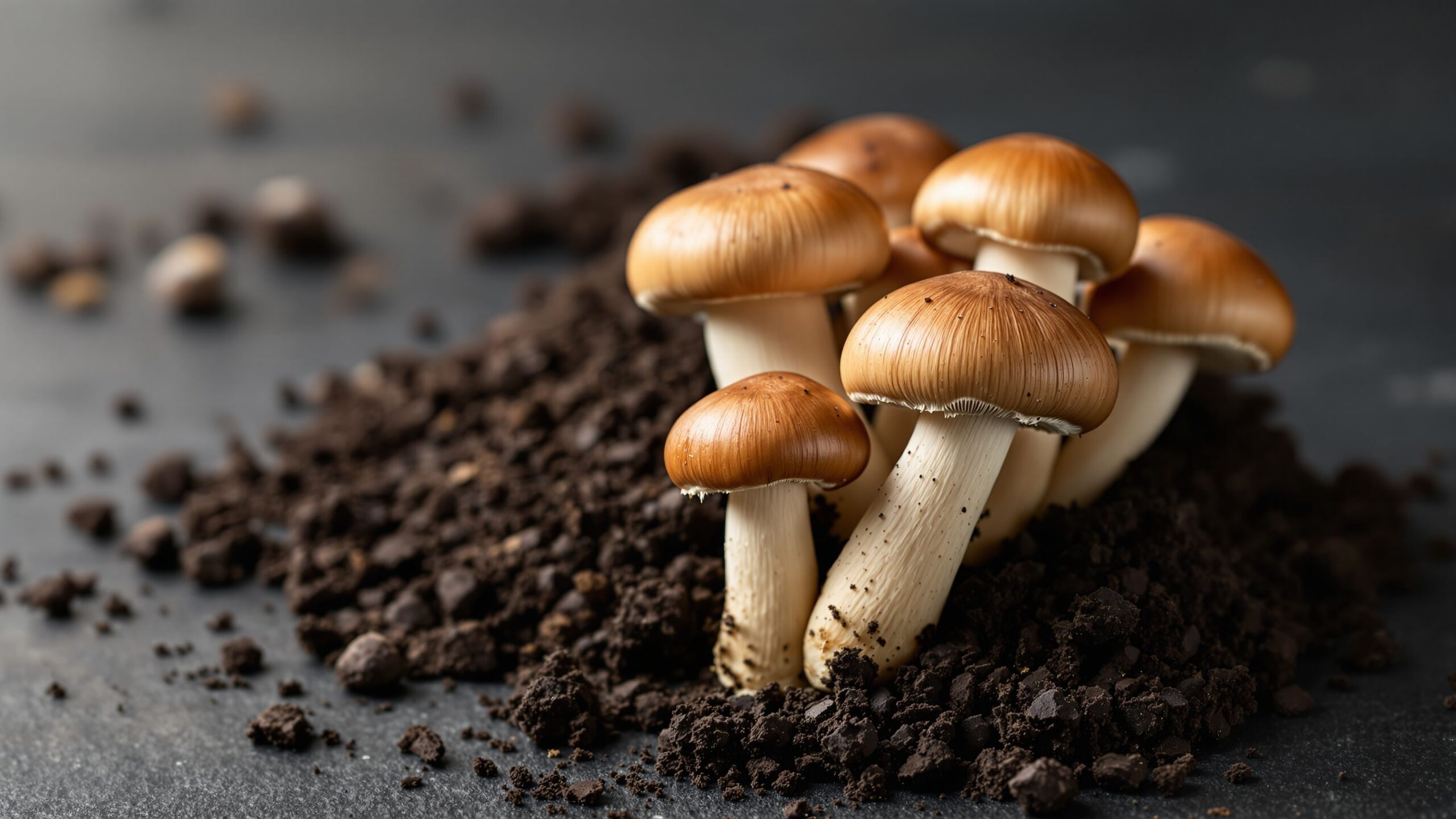
Cremini mushrooms may look modest, but they pack a surprising amount of flavor into their compact brown caps. Their deeper earthy taste, firmer texture, and beautiful chestnut coloring have made them a favorite in kitchens around the world. Botanically, cremini mushrooms belong to the species Agaricus bisporus. That is the same species that gives us white button mushrooms and portobello mushrooms. The difference comes largely from cultivar, color, and maturity. Cremini mushrooms are brown strains harvested while still young and compact. If those same brown mushrooms are allowed to mature further, their caps expand dramatically and they become what most grocery stores sell as portobello mushrooms. This relationship makes cremini mushrooms one of the most interesting everyday foods in the produce aisle. A small brown mushroom, a large portobello cap, and the familiar white button mushroom are not three entirely separate species. They are different expressions of one extraordinarily successful cultivated fungus.
A: Yes. Baby Bella is a common marketing name for Cremini Mushrooms.
A: They are the same species, but Portobellos are allowed to mature longer and develop larger, more open caps.
A: No. Mushrooms do not photosynthesize, although indirect light can help growers observe and manage their growing environment.
A: Yes. Indoor cultivation allows temperature, humidity, moisture, and cleanliness to be controlled more easily.
A: Commercially, they are typically grown in specially prepared compost covered with a moist casing layer.
A: Timing varies by method and growing conditions, but prepared kits can begin producing mushrooms within several weeks.
A: Incorrect moisture, temperature, humidity, ventilation, contamination, or an unhealthy substrate can prevent fruiting.
A: They are usually harvested while the caps are still rounded and before they expand fully into the Portobello stage.
A: Yes. Healthy mycelium can often produce several flushes before the substrate becomes depleted.
A: They can be, especially when using a prepared mushroom kit that removes much of the complexity of compost preparation and inoculation.
What Does a Cremini Mushroom Look Like?
Cremini mushrooms usually have smooth, rounded caps ranging from light tan to rich brown.
The cap is compact when young and curves downward toward the stem.
A thin veil initially covers the developing gills underneath.
As the mushroom matures, the cap expands and the veil eventually breaks.
The gills start relatively pale and become progressively darker as spores develop.
The stem is usually thick, pale, and firm.
Compared with white button mushrooms, cremini mushrooms often appear slightly denser and more substantial.
Their brown coloring also gives them a distinctly earthy appearance that pairs beautifully with roasted vegetables, pasta, soups, and other savory dishes.
Cremini Mushrooms Are Fungi, Not Plants
Cremini mushrooms belong to the kingdom Fungi.
They are not vegetables in the biological sense and do not grow like plants.
Plants generally use sunlight to produce energy through photosynthesis.
Fungi obtain nutrients by breaking down organic matter and absorbing dissolved compounds from their surroundings.
The visible mushroom is only one temporary structure produced by the fungus.
Most of the organism exists as a network of microscopic threads called mycelium.
This network grows through the mushroom substrate and absorbs nutrients.
When environmental conditions are favorable, the mycelium produces fruiting bodies.
Those fruiting bodies are the cremini mushrooms harvested for food.
Where Do Cremini Mushrooms Come From?
The species Agaricus bisporus occurs naturally in temperate environments and is associated with nutrient-rich soils and decomposing organic matter.
Commercial cultivation developed in Europe several centuries ago.
France became particularly famous for cultivated mushrooms, where underground caves and quarry spaces provided naturally cool, humid conditions.
Early cultivated mushrooms were often brown.
The familiar white button mushroom became especially popular later after pale strains were selected and commercially propagated.
Today, both white and brown Agaricus bisporus strains are cultivated on a massive scale.
Modern mushroom farms use precisely prepared compost, carefully controlled temperatures, high humidity, ventilation, and sanitation to produce consistent crops throughout the year.
Why Are They Called Cremini Mushrooms?
The term “cremini” is commonly used in North America for immature brown forms of Agaricus bisporus.
You may also see them labeled as baby bella mushrooms, baby portobellos, brown mushrooms, Roman mushrooms, Italian brown mushrooms, or Swiss brown mushrooms.
These names can vary between stores and regions.
“Baby bella” is especially common in grocery stores because it emphasizes the relationship between young cremini mushrooms and mature portobellos.
Despite the variety of marketing names, these mushrooms generally belong to the same species.
Knowing the scientific name helps cut through the confusion.
Cremini Mushrooms Versus White Button Mushrooms
Cremini and white button mushrooms are closely related forms of Agaricus bisporus.
White buttons are pale cultivars harvested young.
Cremini mushrooms are brown cultivars harvested at a similarly immature stage.
The main noticeable differences are color, texture, and flavor.
Cremini mushrooms usually have a slightly firmer texture and deeper, earthier flavor.
White buttons tend to be milder.
For many recipes, the two can be substituted for one another.
Cremini mushrooms are often chosen when the cook wants a little more savory intensity without moving all the way to the stronger flavor and larger size of portobellos.
Cremini Mushrooms Versus Portobello Mushrooms
Cremini and portobello mushrooms are even more closely connected.
A portobello is essentially a mature brown Agaricus bisporus mushroom.
Cremini mushrooms are harvested while the caps are still small and mostly closed.
If they are allowed to grow longer, the caps expand and flatten.
The veil breaks.
Dark gills become fully exposed.
The texture becomes meatier and the flavor more pronounced.
That mature mushroom is sold as a portobello.
This means buying cremini mushrooms is somewhat like buying the younger stage of a future portobello.
The culinary uses differ mainly because of size and maturity.
What Is Mushroom Mycelium?
Mycelium is the main body of the fungus.
It consists of incredibly fine branching threads known as hyphae.
These threads grow through compost and other organic material, releasing enzymes that break down nutrients into forms the fungus can absorb.
Most of the mycelium remains hidden.
The cremini mushroom visible above the surface is a reproductive structure produced by that underground or substrate-based network.
When the mycelium becomes mature and environmental conditions shift appropriately, it begins forming tiny knots.
These develop into mushroom pins.
Pins then expand into recognizable cremini mushrooms.
After harvest, the mycelium can remain alive and produce additional flushes.
How Cremini Mushrooms Grow
Cremini mushrooms are typically cultivated on carefully prepared compost.
This growing material is not the same as ordinary garden compost.
Commercial mushroom compost is formulated and conditioned specifically to support Agaricus bisporus.
Once preparation is complete, mushroom spawn is mixed into the substrate.
The mycelium begins colonizing the material.
After colonization, growers apply a casing layer over the surface.
This layer helps manage moisture and encourages mushroom formation.
Environmental conditions are then adjusted.
Changes in temperature, humidity, carbon dioxide levels, and airflow help trigger fruiting.
Tiny brown pins appear.
Those pins grow rapidly into harvestable cremini mushrooms.
What Is Mushroom Spawn?
Spawn is the material used to introduce the desired mushroom strain into the growing substrate.
It may consist of sterilized grain or another carrier that has already been colonized by healthy mushroom mycelium.
Using spawn gives cultivators a strong head start.
Instead of waiting for spores to germinate and produce compatible fungal growth, the grower introduces established mycelium directly.
For home mushroom growing, purchasing quality spawn or a prepared kit is generally much easier than attempting to start cremini mushrooms from spores.
What Is Mushroom Compost?
White button and cremini mushrooms have specialized substrate requirements.
Commercial mushroom compost often contains combinations of straw, manure, gypsum, and other organic materials.
The ingredients are carefully composted and conditioned.
This process creates a nutrient-rich environment suited to Agaricus bisporus while reducing compounds that might interfere with healthy growth.
Proper mushroom compost preparation is a technical process.
Temperature, moisture, oxygen, microbial activity, and timing all matter.
This is one reason growing cremini mushrooms from scratch can be more challenging than growing some beginner-friendly species such as oyster mushrooms.
Why Cremini Mushrooms Need a Casing Layer
Once the underlying compost has been colonized by mycelium, cultivators cover it with a casing layer.
The casing is usually a moist, low-nutrient material.
Its purpose is not primarily to feed the fungus.
Instead, it helps regulate water and create conditions that encourage the mycelium to form mushrooms.
The surface environment becomes crucial during this phase.
If it dries too much, mushroom pins may fail to form or abort.
If it stays excessively wet and stagnant, disease problems can develop.
A successful casing layer maintains moisture while still allowing gas exchange.
Do Cremini Mushrooms Need Sunlight?
Cremini mushrooms do not need sunlight for photosynthesis.
Fungi obtain energy from organic material rather than light.
This is why commercial mushrooms can be cultivated indoors in controlled rooms.
Some indirect light is perfectly acceptable.
Complete darkness is not usually necessary.
The more important environmental factors are temperature, humidity, moisture, airflow, carbon dioxide levels, and sanitation.
For home growers, direct hot sunlight should be avoided because it can dry and overheat the substrate quickly.
The Best Temperature for Growing Cremini Mushrooms
Cremini mushrooms prefer controlled cool conditions during fruiting.
The exact ideal temperature depends on the mushroom strain and stage of cultivation.
Mycelium usually colonizes compost at warmer temperatures than those used for fruiting.
Once growers want mushrooms to form, conditions are generally cooled.
Commercial farms manage both room temperature and compost temperature carefully because active fungal growth itself generates heat.
Excessive warmth during fruiting can reduce quality and encourage disease.
Home growers should follow the specific temperature instructions supplied with their spawn or kit.
Humidity and Cremini Mushrooms
Cremini mushrooms contain a large amount of water.
High humidity helps them expand without drying out.
Dry air can cause small mushrooms to stop developing, caps to crack, or casing material to lose moisture.
At the same time, dripping wet mushrooms are not desirable.
Excessive surface moisture can encourage bacterial diseases and poor-quality growth.
The goal is humid air combined with controlled moisture.
Commercial mushroom farms use specialized humidification and ventilation equipment to maintain this balance.
Home kits recreate it on a smaller scale.
Why Fresh Air Matters
Mushroom mycelium releases carbon dioxide.
During colonization, relatively elevated carbon dioxide levels may be acceptable.
When mushrooms begin fruiting, fresh-air exchange becomes much more important.
Too much carbon dioxide can cause abnormal shapes, including excessively elongated stems.
Ventilation reduces carbon dioxide levels.
However, strong dry airflow can rapidly dehydrate mushrooms and casing material.
Successful growing therefore requires both fresh air and humidity.
This balancing act is central to mushroom cultivation.
How Long Do Cremini Mushrooms Take to Grow?
The visible mushrooms grow far faster than the entire cultivation cycle.
Before any cremini mushrooms appear, mycelium must first spread throughout the substrate.
This colonization stage can take weeks.
Casing and environmental adjustment follow.
Once tiny pins form, development can become surprisingly rapid.
Under ideal conditions, small pins may become harvestable mushrooms within several days.
Because growth accelerates quickly, commercial crops are checked frequently.
Waiting only a day or two too long can result in mushrooms opening beyond the preferred cremini stage.
What Is a Mushroom Flush?
Cremini mushrooms tend to develop in waves called flushes or breaks.
A large group of mushrooms forms and is harvested.
The bed then rests before producing another group.
Several flushes may develop from one colonized substrate.
The first few are usually the most productive.
Later flushes often decline as nutrients become depleted and the fungal culture ages.
Home mushroom kits can behave the same way.
After harvesting the first crop, continuing to maintain moisture and proper conditions may result in another round of mushrooms.
When Are Cremini Mushrooms Harvested?
Cremini mushrooms are harvested while they are still relatively young.
The caps remain rounded and mostly closed.
The veil underneath has usually not fully broken.
This stage provides the compact size, firm texture, and appearance associated with supermarket cremini mushrooms.
If left growing, the caps continue expanding.
Eventually, they open and develop into mature portobello-style mushrooms.
Harvest timing therefore determines how the mushroom will be marketed and used.
How to Harvest Cremini Mushrooms
Commercial mushrooms are commonly harvested by hand.
The mushroom is gently twisted or lifted from the casing material.
Any remaining substrate is trimmed from the base of the stem before packaging.
Home growers can use a similar method.
Handle mushrooms gently because bruising can cause discoloration.
Check the crop daily once mushrooms approach harvest size.
Cremini mushrooms can mature remarkably quickly.
Removing them at the desired stage also gives nearby smaller mushrooms more room to develop.
Can Cremini Mushrooms Grow Into Portobellos?
Yes.
This is one of the defining features of cremini mushrooms.
If brown Agaricus bisporus mushrooms are left to mature, their caps expand substantially.
The protective veil breaks away.
Dark brown gills become exposed.
The texture becomes firmer and meatier.
At this stage, the mushroom is generally marketed as a portobello.
The transformation does not represent a change of species.
It is simply maturation.
Why Mushroom Gills Turn Dark
Young cremini mushrooms have developing gills hidden underneath the closed cap.
As the mushroom matures, the gills darken because brown spores are developing.
Eventually, the cap opens and the gills become fully visible.
The dark color can sometimes alarm people unfamiliar with mature mushrooms, but it is a normal part of the life cycle.
Portobellos are famous for their very dark exposed gills because they are harvested at a much later stage.
Cremini Mushroom Spores
Agaricus bisporus produces dark brown spores.
These microscopic reproductive cells form on specialized structures along the gills.
Once mature mushrooms open, spores can be released into the environment.
Spores are incredibly tiny and may appear collectively as a brown powder.
Although they play a major role in fungal reproduction, commercial mushroom growing generally does not begin by sprinkling spores onto compost.
Using established spawn provides much more predictable results.
Can You Grow Cremini Mushrooms at Home?
Yes, but cremini mushrooms are not always the easiest beginner mushroom.
Their substrate requirements are more specialized than species such as oyster mushrooms.
They require properly prepared compost, casing material, controlled temperatures, high humidity, and suitable ventilation.
Home kits simplify the process substantially.
Some kits arrive with colonized or partially colonized compost.
The grower mainly manages the fruiting stage.
For anyone wanting the most straightforward first mushroom-growing experience, oyster mushrooms may be easier.
For someone specifically interested in familiar grocery-store mushrooms, a cremini or button mushroom kit can be a rewarding project.
Growing Cremini Mushrooms From a Kit
A commercial kit reduces many of the difficult steps involved in Agaricus bisporus cultivation.
Always follow the kit manufacturer’s instructions because preparation differs between products.
Usually, the substrate needs to remain evenly moist without becoming waterlogged.
A casing layer may need to be added or maintained.
The kit is placed in a cool location with suitable humidity.
Once pins appear, check growth frequently.
Cremini mushrooms can expand quickly.
Harvest when the caps remain compact if you want traditional cremini.
Allow some to mature further if you want to observe the transition toward portobello.
Can You Grow Cremini Mushrooms From Grocery Store Mushrooms?
Simply placing pieces of a grocery-store cremini mushroom into soil will usually not produce a crop.
The visible mushroom is only the fruiting body.
Cloning a mushroom from its tissue can be done, but it requires sterile culture techniques.
A small piece of inner tissue can be transferred onto sterile nutrient media, where fungal mycelium may grow.
That culture must then be expanded and introduced into appropriate substrate.
This is possible for experienced mushroom cultivators, but purchased spawn is much easier and more reliable for ordinary home growing.
Cremini Mushrooms Versus Oyster Mushrooms
Cremini mushrooms and oyster mushrooms differ dramatically in both biology and cultivation.
Creminis are compost-loving Agaricus mushrooms.
Oyster mushrooms usually grow on plant-based materials such as straw, wood, and supplemented sawdust.
Oyster mushrooms often colonize aggressively and can be easier for beginning growers.
Their fan-shaped caps also look completely different.
Flavor differs as well.
Cremini mushrooms are earthy and dense.
Oyster mushrooms are generally softer with a delicate savory character.
Both are excellent edible species, but they represent very different branches of mushroom cultivation.
Cremini Mushrooms Versus Shiitake
Shiitake mushrooms grow naturally on hardwood.
They are commonly cultivated on logs or sawdust-based blocks.
Cremini mushrooms grow on composted organic substrates.
Shiitake has a stronger, richer aroma and more distinctive flavor.
Cremini is milder and exceptionally versatile.
Shiitake caps are usually broader and darker, while cremini mushrooms maintain the familiar rounded button shape when young.
Understanding these differences demonstrates why one substrate cannot be used for every mushroom.
Different fungi evolved to consume different materials.
Can Cremini Mushrooms Grow in Ordinary Soil?
Cremini mushrooms are not normally cultivated in ordinary garden soil.
Their commercial production relies on specially prepared compost.
The fungus requires a carefully balanced nutrient environment.
A casing layer may resemble soil, but it serves a different function and is not the primary nutrient source.
Trying to bury supermarket mushrooms in backyard soil is unlikely to produce a successful cremini crop.
Why Mushrooms Appear in Lawns
After periods of rain, lawns may suddenly fill with mushrooms.
These fruiting bodies emerge from fungal mycelium already living below the surface.
The fungi may be decomposing buried roots, old wood, thatch, or other organic material.
A lawn mushroom that looks brown does not automatically belong to Agaricus bisporus.
Wild mushroom identification can be extremely difficult.
Many unrelated species share similar colors and shapes.
Never assume that a lawn mushroom is edible because it resembles a cremini.
Never Eat an Unidentified Wild Mushroom
This rule is especially important with brown and white mushrooms because several dangerous species can look superficially similar to edible mushrooms.
Accurate mushroom identification may involve examining the cap, gills, stem, veil, base, spore print, bruising reactions, habitat, odor, and microscopic characteristics.
Even experienced foragers can encounter difficult species.
A mushroom growing wild should never be eaten solely because an app or photograph suggests that it resembles a grocery-store mushroom.
Commercial cremini mushrooms are produced from known edible cultures under controlled conditions.
Wild fungi should be treated entirely differently.
Common Cremini Mushroom Growing Problems
Poor mushroom development can have many causes.
The casing layer may be too dry.
Humidity may be too low.
Temperature may be inappropriate.
Fresh-air exchange may be insufficient.
The substrate may have been contaminated.
Mushroom pins can also abort naturally.
Because mushroom growing depends on the entire environment, diagnosing problems requires looking at several factors together rather than adjusting one variable blindly.
Stable conditions generally produce better results than constant dramatic changes.
Why Cremini Mushrooms Turn Dark
Cremini mushrooms naturally darken as they mature.
Bruising can cause additional discoloration.
After harvest, oxidation also slowly changes the appearance.
Slight darkening does not automatically mean a mushroom is spoiled.
However, extensive discoloration combined with slime, softness, or unpleasant odor indicates declining freshness.
In growing rooms, abnormal blotches may also indicate disease and should be evaluated separately from normal maturity.
Why Cremini Mushrooms Become Slimy
Slimy mushrooms are usually deteriorating.
Mushroom tissue contains a large amount of moisture.
As it breaks down during storage, surfaces can become sticky or slick.
Excess condensation inside packaging can accelerate the process.
Store cremini mushrooms refrigerated and avoid trapping unnecessary moisture around them.
If mushrooms become heavily slimy or develop an unpleasant odor, they should generally be discarded.
How to Store Cremini Mushrooms
Fresh cremini mushrooms should be refrigerated.
They store best when protected from drying but are not sealed in a soaking-wet environment.
Paper packaging can help manage moisture.
Commercial mushroom containers often include ventilation.
Avoid washing the entire package immediately after bringing it home.
Added water can accelerate spoilage.
Instead, clean mushrooms shortly before cooking.
Fresh creminis should feel firm and have a pleasant earthy aroma.
Should Cremini Mushrooms Be Washed?
Cremini mushrooms can be cleaned with a damp cloth, soft brush, or quick rinse.
If they are visibly covered with bits of casing material, a brief rinse is perfectly practical.
Avoid soaking them unnecessarily.
After rinsing, dry them before cooking if browning is the goal.
Excess surface water must evaporate before the mushrooms begin developing rich golden color in the pan.
Can You Eat Cremini Mushrooms Raw?
Cremini mushrooms are sometimes eaten raw in salads and vegetable trays.
Their flavor is stronger than white button mushrooms but still relatively mild.
Cooking usually improves both texture and savory flavor.
Heat allows moisture to escape and promotes browning reactions that create deeper taste.
Some people also find cooked mushrooms easier to digest.
As with any fresh produce, appropriate washing, storage, and food handling remain important.
What Do Cremini Mushrooms Taste Like?
Cremini mushrooms have a deeper earthy and savory flavor than white button mushrooms.
They are still mild enough to work with a huge variety of foods.
Their texture is slightly firmer and denser.
Cooking intensifies their flavor.
When sautéed until browned, cremini mushrooms develop rich umami notes that work beautifully with garlic, herbs, butter, olive oil, onions, wine, cream, and roasted meats.
Their combination of approachable flavor and substantial texture is one reason they have become so popular.
How to Sauté Cremini Mushrooms
Begin by cleaning and slicing the mushrooms.
Heat a wide skillet.
Add a suitable cooking fat and place the mushrooms in the pan without overcrowding them.
Cremini mushrooms release significant moisture as they cook.
If too many are packed together, they steam rather than brown.
Allow the moisture to evaporate.
As the surfaces begin caramelizing, the flavor becomes significantly deeper.
Garlic, shallots, thyme, rosemary, parsley, black pepper, and butter all pair well with cremini mushrooms.
Why Mushrooms Shrink When Cooked
Cremini mushrooms contain a large amount of water.
As they heat, water escapes as steam.
This causes the mushrooms to shrink dramatically.
A pan that looks completely full when cooking begins may look only half full several minutes later.
This is normal.
The loss of water also concentrates flavor.
Continuing to cook after excess moisture evaporates allows the surfaces to brown.
Roasting Cremini Mushrooms
Cremini mushrooms roast beautifully because their firm texture holds up well under high heat.
Small mushrooms can be roasted whole.
Larger ones may be halved or quartered.
Toss them lightly with oil and seasonings.
Spread them across a baking sheet with enough space between pieces.
Crowding causes steaming.
As the mushrooms roast, moisture evaporates and edges become browned.
Roasted creminis make excellent side dishes and additions to pasta, grain bowls, salads, pizza, and roasted vegetable mixtures.
Grilling Cremini Mushrooms
Larger cremini mushrooms can be grilled whole or skewered.
Their firm texture makes them sturdier than some delicate mushrooms.
A marinade containing oil, herbs, garlic, or vinegar can add flavor.
Because mushrooms readily absorb seasonings, even a short marinating time can make a noticeable difference.
Keep pieces large enough that they do not fall through grill grates.
Cremini Mushrooms in Pasta
Cremini mushrooms are ideal for pasta.
Their stronger flavor holds up well in cream sauces, tomato sauces, garlic-and-oil preparations, and baked pasta dishes.
Sauté them before combining with the sauce to develop maximum flavor.
They work particularly well with spinach, Parmesan, thyme, garlic, onions, and cream.
Cremini mushrooms can also be combined with shiitake, oyster, or porcini mushrooms for a more complex mushroom sauce.
Cremini Mushrooms in Soup
Cremini mushrooms add rich savory flavor to soups and stews.
They can be incorporated into mushroom soup, beef stew, chicken soup, vegetable soup, lentil dishes, and noodle recipes.
Browning them before adding liquid produces a deeper flavor than placing raw mushrooms directly into broth.
Their firm texture also holds up well during simmering.
Cremini Mushrooms on Pizza
Cremini mushrooms are excellent pizza toppings.
Their earthy flavor pairs well with mozzarella, Parmesan, sausage, onions, peppers, spinach, olives, garlic, and herbs.
Thin slices cook quickly in a hot oven.
Because mushrooms release moisture, pre-sautéing them can help prevent overly wet pizza toppings.
However, thin raw slices can also be placed directly onto pizza when used moderately.
Cremini Mushrooms in Risotto
Cremini mushrooms work especially well in risotto because their savory flavor complements creamy rice.
Browning the mushrooms separately before combining them with the rice helps preserve their texture and develop flavor.
They pair beautifully with Parmesan, garlic, shallots, white wine, thyme, and parsley.
For stronger mushroom intensity, dried porcini soaking liquid can sometimes be incorporated alongside fresh cremini mushrooms.
The result combines the accessible texture of cremini with the deeper aroma of wild mushrooms.
Cremini Mushrooms in Sauces and Gravies
Because cremini mushrooms release flavorful juices as they cook, they are excellent for sauces.
They can form the base of mushroom gravy, cream sauce, pan sauce, stroganoff, or wine reductions.
Brown the mushrooms deeply before adding liquid.
This develops the savory flavor that gives mushroom sauce its richness.
Cremini mushrooms are particularly useful because they provide stronger flavor than white buttons without becoming overpowering.
Nutritional Profile of Cremini Mushrooms
Cremini mushrooms are low in calories while providing several micronutrients.
They contain B vitamins, copper, selenium, potassium, and modest amounts of protein and fiber.
Their exact nutrient content varies with growing conditions and preparation.
Like other mushrooms, creminis naturally contain ergosterol, which can be converted into vitamin D2 after exposure to ultraviolet light.
Some commercially sold mushrooms are intentionally exposed to UV light to increase their vitamin D content.
Packaging may state this when relevant.
Are Cremini Mushrooms a Vegetable?
In cooking and nutrition conversations, mushrooms are often grouped with vegetables.
Biologically, however, cremini mushrooms are fungi.
They belong to their own kingdom.
Their cells and methods of obtaining nutrition are fundamentally different from those of plants.
They do not contain chlorophyll or perform photosynthesis.
Calling them vegetables in a recipe is convenient, but scientifically they are something entirely different.
Why Cremini Mushrooms Have Umami
Mushrooms are naturally rich in compounds associated with umami, the savory fifth taste.
Cremini mushrooms tend to have stronger savory flavor than young white buttons.
As the mushroom matures, concentrations and perceptions of certain flavor compounds change.
Cooking also intensifies umami.
Browning cremini mushrooms until much of their moisture evaporates creates dramatically more flavor than lightly steaming them.
This makes them especially useful in vegetarian and plant-forward dishes where cooks want deeper savory character.
Cremini Mushrooms as a Meat Substitute
Cremini mushrooms can add substantial texture to recipes traditionally based on meat.
Finely chopped mushrooms can be browned and incorporated into tacos, pasta sauces, burgers, meatloaf, and casseroles.
Some recipes combine mushrooms with ground meat to create a blended mixture.
This can add moisture and savory flavor.
Whole creminis can also work as hearty components in kebabs or stews.
However, mushrooms do not contain the same protein levels or nutrient profile as meat.
They should be considered a versatile ingredient rather than a nutritionally identical replacement.
Can Cremini Mushrooms Be Frozen?
Yes.
For best texture, cook them before freezing.
Raw mushrooms contain substantial water and may become soft or rubbery after thawing.
Sautéing or blanching before freezing generally produces better results.
Cool cooked mushrooms completely before transferring them to freezer-safe containers.
Frozen cremini mushrooms work well later in soups, sauces, casseroles, and pasta dishes.
Can Cremini Mushrooms Be Dried?
Cremini mushrooms can be dried successfully.
Slice them evenly so moisture escapes efficiently.
Dry completely before storage.
Any remaining moisture can lead to spoilage.
Once dried, store them in an airtight container away from heat and humidity.
Dried mushrooms can be rehydrated before cooking.
Their flavor becomes more concentrated during drying.
The soaking liquid can develop a pleasant mushroom character and may sometimes be used in soups and sauces after being appropriately strained.
Can Cremini Mushrooms Be Canned?
Commercial canned mushrooms are common.
Home canning requires much more care.
Mushrooms are low-acid foods and require tested pressure-canning procedures for safe preservation.
Boiling-water canning methods are not appropriate.
Anyone preserving mushrooms at home should follow current tested instructions from an established food-safety authority.
Freezing and drying are often easier choices for home cooks.
Common Mushroom Diseases
Commercial cremini production can be affected by fungal and bacterial diseases.
Because mushrooms are grown in warm, moist organic environments, unwanted microorganisms can spread quickly.
Bacterial blotch may produce discoloration on caps.
Certain molds can invade casing material or compost.
Fungal diseases may deform developing mushrooms.
Commercial farms rely heavily on sanitation and environmental control to prevent outbreaks.
Home growers should avoid consuming mushrooms from substrates showing heavy unknown contamination.
Bacterial Blotch
Bacterial blotch can cause yellowish to brown lesions on mushroom caps.
Excess surface moisture contributes to favorable conditions for the bacteria involved.
This is another reason humidity must be balanced carefully.
Mushrooms need moist air but should not remain continuously covered in water.
Adequate airflow and careful watering help reduce risk.
Commercial farms monitor surface moisture closely.
Green Mold in Mushroom Cultivation
Green mold can become a serious contaminant in mushroom substrates.
Species of Trichoderma are common culprits.
The mold may initially appear white before developing obvious green spores.
It can compete aggressively with mushroom mycelium for resources.
Once a small home kit becomes heavily contaminated, attempting to salvage it may not be worthwhile.
Good sanitation and properly prepared substrate are the best preventive measures.
Mushroom Flies and Gnats
Moist mushroom-growing environments can attract small flies and gnats.
Adults may lay eggs within organic material.
Larvae can feed on fungal tissue and contribute to crop damage.
Keeping the growing area clean reduces attraction.
Avoid leaving decaying mushrooms or substrate debris nearby.
Commercial production facilities rely on exclusion, sanitation, and integrated pest-management practices to keep populations low.
Why Cremini Mushroom Pins Abort
Not every mushroom pin becomes a mature mushroom.
Some stop growing naturally.
Others abort because humidity falls, the casing surface dries, temperatures change rapidly, or environmental conditions become unsuitable.
Extremely dense clusters may also compete with one another.
Aborted pins often darken and stop expanding.
Maintaining stable conditions gives developing mushrooms the best chance of reaching harvest size.
Why Cremini Mushrooms Grow Tall and Thin
Long stems with unusually small caps can be a sign that carbon dioxide levels are too high during fruiting.
Insufficient ventilation allows gases released by fungal metabolism to accumulate.
Increasing fresh-air exchange may help restore more normal mushroom proportions.
The adjustment must be made carefully so humidity does not drop too sharply.
Why Mushroom Caps Crack
Cracked caps often indicate moisture stress.
Low humidity can cause the rapidly expanding mushroom surface to dry before growth is complete.
Strong airflow may also contribute.
Maintain appropriate humidity and avoid dramatic changes in moisture.
Cracked cremini mushrooms may remain edible if otherwise healthy, but the appearance indicates that growing conditions were less than ideal.
Why Are Cremini Mushrooms Fuzzy at the Base?
Some cultivated mushrooms develop white fuzzy mycelial growth near the base of the stem.
A small amount can simply be healthy mycelium responding to humid conditions.
Very excessive fuzzy growth may indicate insufficient fresh-air exchange.
It should not automatically be confused with mold.
Color, odor, growth pattern, and overall crop health matter when distinguishing healthy mycelium from contamination.
How Long Do Cremini Mushrooms Stay Fresh?
Shelf life depends on harvest freshness and storage conditions.
Fresh mushrooms remain firm and dry rather than slimy.
Over time, the caps darken, soften, and may begin opening.
Refrigeration slows deterioration.
Keeping excess moisture under control also helps.
For the best quality, use mushrooms relatively soon after purchase.
Are Cremini Mushrooms Safe for Pets?
Store-bought edible mushrooms should not automatically be considered ideal treats for pets.
Small amounts of plain cooked edible mushroom may be tolerated by some animals, but individual species and health conditions vary.
Seasonings can create additional risks.
Garlic and onions, for example, may be harmful to certain pets.
Wild mushrooms present a much more serious concern.
If a pet consumes an unidentified mushroom outdoors, contact a veterinarian or animal poison-control resource promptly rather than assuming it is related to an edible cremini.
Fascinating Cremini Mushroom Facts
Cremini mushrooms are the same species as white button and portobello mushrooms.
They are essentially young brown Agaricus bisporus mushrooms.
Allowing them to mature produces large portobello-style caps.
The visible mushroom is only the fruiting body of a much larger fungal network.
Cremini mushrooms produce brown spores.
Their flavor becomes more intense as they mature and cook.
They can grow without sunlight because fungi do not perform photosynthesis.
They are biologically more closely related to animals than to plants.
Some commercially produced mushrooms can be exposed to ultraviolet light to increase their vitamin D content.
And despite being sold as an everyday grocery item, their cultivation involves highly controlled biological processes involving composting, microbial communities, mycelial colonization, casing, humidity, temperature, and ventilation.
How Long Does a Cremini Mushroom Live?
The individual mushroom exists for only a short time.
Once a fruiting body forms, it expands rapidly.
If not harvested, the cap opens, spores mature, and the mushroom eventually deteriorates.
The underlying mycelium lives much longer.
A healthy colonized substrate can produce multiple flushes over several weeks.
The mushroom is therefore temporary, while the fungal organism responsible for producing it persists beneath the surface.
Creating the Perfect Cremini Mushroom Growing Routine
Begin with high-quality spawn or a prepared growing kit.
Use a substrate specifically suited to Agaricus bisporus.
Allow the mycelium to colonize according to the recommended temperature and moisture conditions.
Apply or maintain the casing layer appropriately.
Keep the growing environment humid without leaving mushrooms constantly wet.
Provide enough fresh-air exchange to prevent excessive carbon dioxide accumulation.
Watch temperature carefully.
Once mushroom pins appear, inspect them daily.
Harvest while caps remain compact if traditional cremini mushrooms are the goal.
Leave selected mushrooms longer if you want to observe how they develop toward the portobello stage.
After harvesting, continue caring for the substrate because additional flushes may follow.
Cleanliness is essential throughout the process.
If unusual colored molds, foul odors, or major contamination develop, do not assume the crop remains safe.
Why Cremini Mushrooms Deserve a Place in Every Kitchen
Cremini mushrooms sit in a perfect middle ground.
They have more flavor than the mild white button mushroom, yet they remain smaller and more versatile than a fully mature portobello.
Their firm texture works beautifully in everything from breakfast omelets to rich evening sauces.
Sauté them until deeply browned and they develop remarkable savory depth. Roast them beside potatoes and herbs and they become caramelized and intensely flavorful. Add them to soup, pasta, pizza, risotto, gravy, stir-fries, or casseroles and they blend naturally with almost any savory ingredient.
Their biology makes them even more interesting.
That small brown cap is not an entire organism.
It is a temporary fruiting structure produced by a network of mycelium hidden throughout carefully prepared compost.
Allow it to mature and it transforms into a portobello.
Compare it with a white button mushroom and you are looking at another cultivated form of the very same species.
Few ordinary grocery foods reveal so much about fungal biology.
Cremini mushrooms may be common, but Agaricus bisporus is anything but boring.
For gardeners curious about fungi, home cooks searching for deeper flavor, or anyone building a better understanding of edible mushrooms, the cremini is one of the best places to start.
Garden Product Reviews
Step into Mossy Streets’ Garden Product Reviews — your go-to guide for the best tools, gear, gifts, books, and garden gadgets rooted in nature. From blooming backyard beauties to lush indoor jungles, from heirloom seeds to high-tech composters, we dig into top-rated products for green thumbs, beginners, educators, and plant lovers alike. Whether you’re planting, pruning, decorating, or simply enjoying your green space, we’ve unearthed the best so you can grow, bloom, and thrive — all in one vibrant place!